Look for structure, baitfish, water temperature, and use electronics or polarized glasses.
I’ve spent over 20 years fishing lakes from shore and boat and studying what makes fish bite. This guide on how to find fish in a lake blends hands-on tips, simple science, and practical gear advice so you can spend more time catching and less time guessing. Read on for step-by-step tactics, real mistakes I made, and easy checks you can use today.
Understand fish behavior and lake basics
Fish move to survive. They chase food, avoid predators, and follow comfort zones like temperature and oxygen. Learning basic lake ecology tells you where fish are likely to be and why.
Focus on these ideas when you think about how to find fish in a lake:
- Water temperature controls metabolism and feeding times.
- Oxygen levels drop in warm, deep water; fish move to pockets with better oxygen.
- Sunlight affects where prey hide and when fish feed.
- Food chains start with plankton, then baitfish, then predators.
These simple rules will make the rest of your decisions easier. Start each outing by scanning the lake for signs that match these patterns.

Read the water: surface signs and clues
You can learn a lot from the water itself. Look for movement and life before you cast.
Use these signs to locate fish when learning how to find fish in a lake:
- Birds diving or hovering over one spot often signal schools of baitfish below.
- Surface boils, splashy strikes, and rolling fish show active feeding.
- Slope changes and darker water often mark deeper channels or drop-offs where fish hold.
- Baitfish schools, visible as flashing or dense patches, mean predators are nearby.
A few minutes of observation can tell you more than casting at random. Walk the shoreline or circle the boat slowly and note any consistent activity.
Use structure and cover to your advantage
Fish hide around structure to ambush prey and find shelter. Identifying structure is core to how to find fish in a lake.
Common structure to target:
- Drop-offs and ledges where depth changes quickly.
- Weedlines and edges of vegetation where baitfish feed.
- Submerged logs, rock piles, and brush piles that offer cover.
- Points and humps that funnel baitfish and concentrate predators.
- Docks and pilings that attract fish for shade and food.
Cast along the edges and work lures parallel to structure. Fish often sit just off the cover and wait for prey to pass.

Follow seasonal patterns and daily feeding times
Seasons and time of day change fish behavior. Knowing this helps you predict where they will be.
Key seasonal tips for how to find fish in a lake:
- Spring: Fish move shallow to feed and spawn. Look for flooded vegetation and shallow points.
- Summer: Fish seek cooler water and oxygen—target early morning, late evening, and deeper structure.
- Fall: Fish feed aggressively as temperatures cool; baitfish move shallower, so predators follow.
- Winter: Fish slow down and hold on deep structure or near warm inflows.
Daily rhythms matter too. Fish often feed at dawn and dusk, with mid-day depending on cloud cover and water temperature.

Tools and tech that really help
Good tools speed up learning how to find fish in a lake. You don’t need the top gear, but a few basics help a lot.
Useful gear and tech:
- Polarized sunglasses to reduce glare and reveal baitfish and structure.
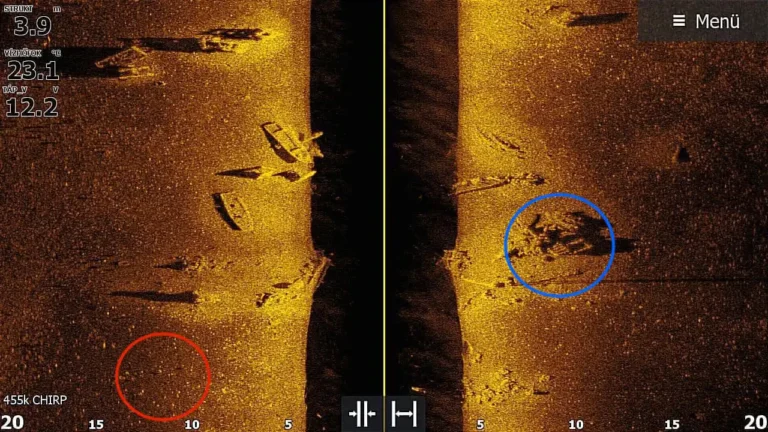
- Simple fish finder or sonar to see depth, structure, and schools.
- Depth maps or lake charts to find humps, channels, and drop-offs.
- Waterproof notebook or app to log spots, lures, and conditions.
- Thermometer to check surface and deeper water temps.
A basic fish finder and a good map will save hours of guesswork. Use tech to confirm what your eyes and experience tell you.

Choose the right bait, lure, and presentation
Match your bait and how you present it to the lake and the prey fish present. Lure choice and presentation are crucial for how to find fish in a lake that will bite.
Core bait and lure rules:
- Match the hatch: use baits that mimic local baitfish in size and color.
- Vary retrieve speed to find what fish prefer that day.
- Use topwater lures at dawn and dusk when fish feed near the surface.
- Try vertical jigging over deep structure when fish suspend near the bottom.
- Change colors in stained water; brighter for murky water, natural for clear water.
Small tweaks in lure size and action often produce big results. Keep a few go-to setups and test one change at a time.

Techniques and tactics that work on lakes
How you fish can be as important as where you fish. Use these proven tactics for faster success in finding and catching fish.
Effective tactics:
- Slow, steady casts along weedlines and work the edges.
- Trolling across drop-offs and points to cover water and find active depth.
- Sight fishing from shore with light line and small lures when fish are visible.
- Anchoring and vertical jigging over structure for suspended fish.
- Slip-bobber rigs for suspending live bait over weeds and flats.
Rotate techniques based on what you see and what the fish respond to. Patience and a methodical approach beat random casting.

Safety, ethics, and lake stewardship
Respect the lake and other anglers. Responsible habits keep fish abundant and places open to anglers.
Simple stewardship practices:
- Follow local regulations for limits, seasons, and gear.
- Use barbless hooks or pinch down barbs for easier releases.
- Clean gear and boats to prevent spreading invasive species.
- Minimize disturbance to shorelines and vegetation.
- Handle fish gently and return them quickly if releasing.
Being ethical helps you and others enjoy lakes for years. Leave the water cleaner than you found it.
Personal experience, common mistakes, and lessons learned
I once spent a full morning casting into open water while fish crashed 50 yards away under a gull flock. I learned to watch first and cast second. Small lessons like that save time.
Lessons I use now when I teach friends how to find fish in a lake:
- Scout before you fish. A ten-minute scan beats blind casting.
- Bring polarized glasses and a map even for short trips.
- Log what works: water temp, lure, depth, and time of day.
- Don’t overcomplicate gear. Start simple and adjust.
- Learn one species at a time to build reliable patterns.
Mistakes are part of the learning curve. Track what you try and you’ll improve quickly.
Frequently Asked Questions of how to find fish in a lake
How do I quickly find fish in a new lake?
Start by scanning the shoreline, watching for birds and surface activity, and checking a map for points and drop-offs. Use polarized glasses and a quick pass with a fish finder if you have one.
What depth should I fish in a lake?
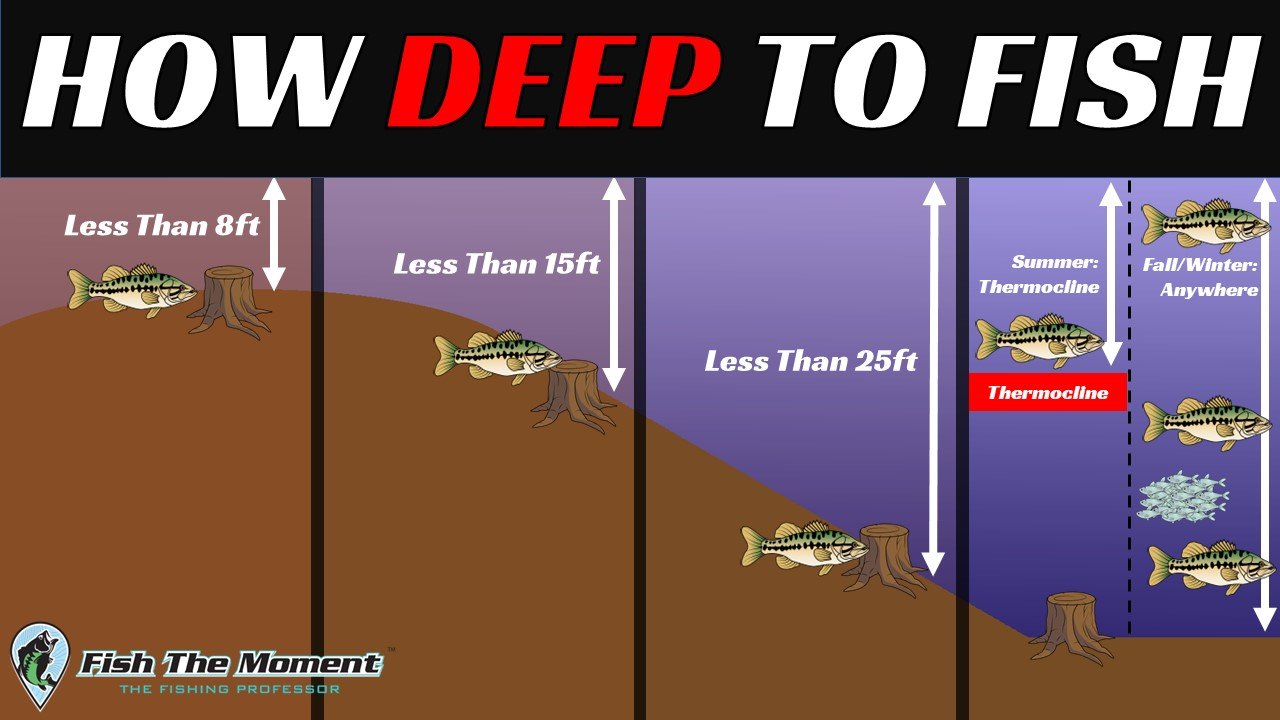
Depth varies by season and species, but a good start is to fish near drop-offs, weed edges, and the thermocline. Try shallow areas in spring and fall, and deeper structure in the heat of summer.
Do fish move predictably during the day?
Yes. Many fish feed at dawn and dusk and move to cooler, deeper water midday in warm weather. Cloud cover and wind can change that pattern, so watch local conditions.
What lures work best for lake fishing?
Match local baitfish and water clarity. Use topwater and crankbaits early and late, soft plastics around weeds, and jigs or spoons for deep structure. Keep a few reliable options and tweak size and color.
Can I find fish from the shore or do I need a boat?
You can find fish from shore by targeting access points, points, weedlines, and docks. A boat expands range and lets you reach deeper structure, but shore anglers catch plenty when they read the water.
Conclusion
Finding fish in a lake is both a science and an art. Observe the water, learn structure, follow seasons, use simple tools, and match bait to the baitfish. Start small, log your results, and build patterns over time. Take one tip from this guide on your next outing—watch the water first—and you’ll notice more fish and catch more often. Try these methods, share your wins or questions below, and subscribe for more lake-fishing tips.