Use smaller baits, fish very slowly, stay warm, and target deep or structured water.
I’ve spent winters on lakes and rivers learning how to fish in cold weather. This guide draws on years of on-the-water experience and expert tactics to help you catch fish when temperatures drop. You’ll learn why fish act differently, what gear and rigs work best, where to find bites, and how to stay safe and comfortable. Read on to master how to fish in cold weather with clear steps, real tips, and practical examples.
Why cold water changes fish behavior
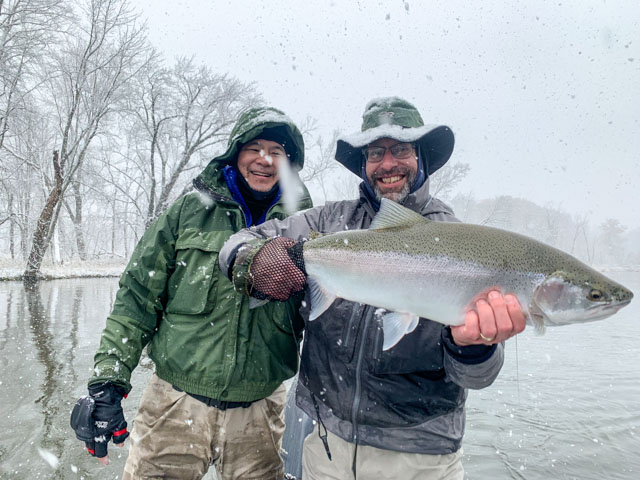
Cold water slows fish metabolism. Fish eat less and move less. They seek areas where food is worth the energy it takes to chase it. That means deeper water, slow current breaks, and structures that hold bait and warmth.
Cold water also tightens feeding windows. Fish often feed during the warmest part of the day or right after a brief weather shift. Understanding this helps you plan trips and timing.
How to fish in cold weather means learning to adapt to these slower, precise patterns. Expect fewer strikes but higher value bites when you present the right offering.
Essential clothing and safety for cold-weather fishing
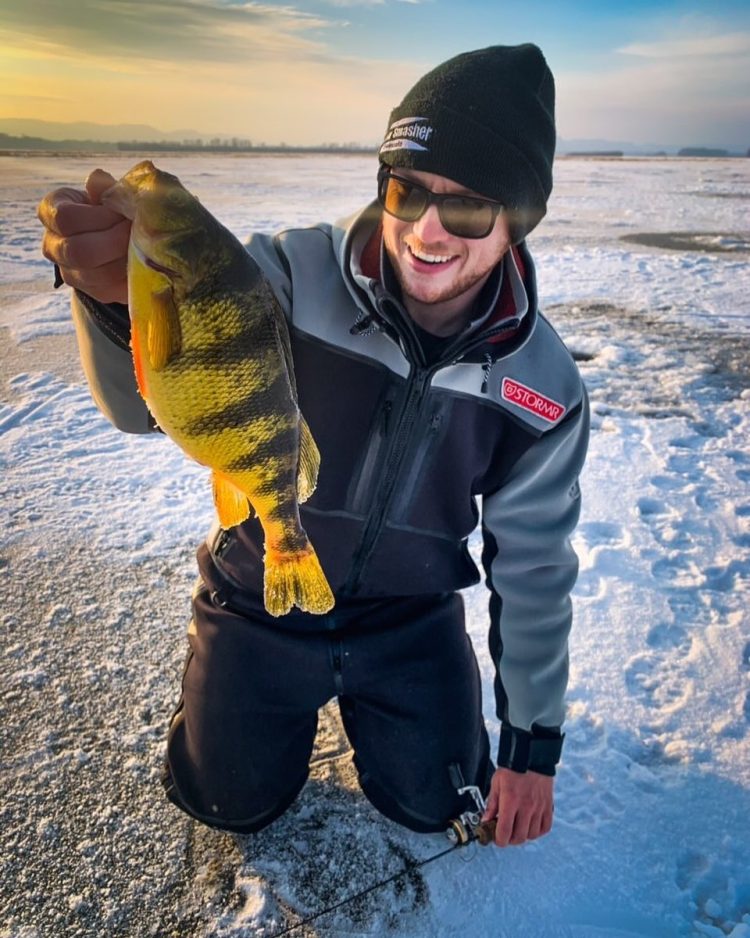
Dress in layers. Layers trap air and let you adjust as conditions change. Start with a moisture-wicking base layer, add a warm mid-layer, and finish with a waterproof outer shell.
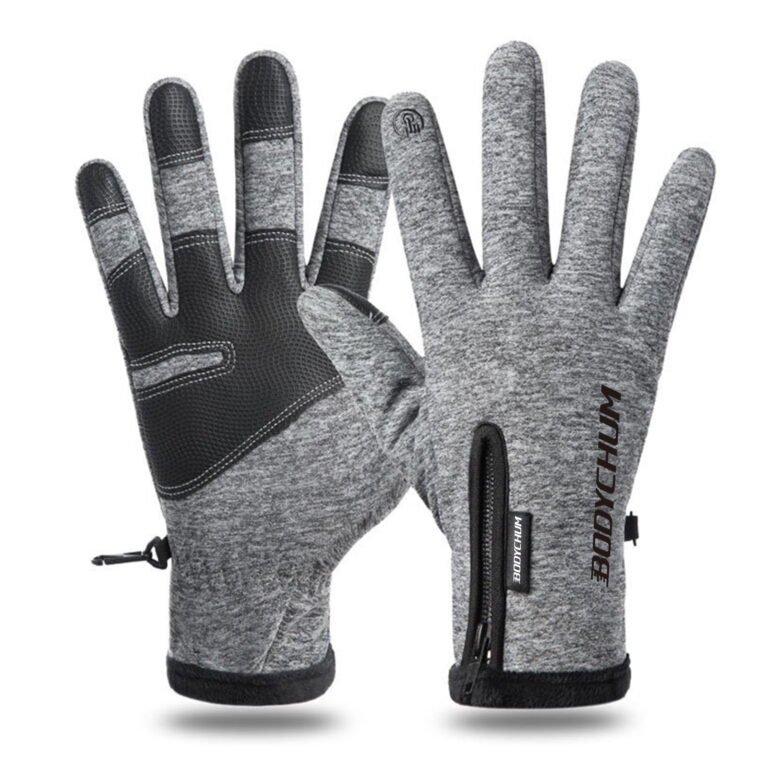
Wear insulated boots and warm socks. Cold feet ruin a day fast. Bring hats and insulated gloves that still allow lure control.
- Bring a buddy when possible or tell someone your plan and expected return.
- Carry a charged phone, power bank, and a whistle.
- For ice fishing, check ice thickness—at least 4 inches for one person and 5–7 inches for a snowmobile.
- Know signs of hypothermia and how to respond.
Staying safe and warm lets you focus on fishing. How to fish in cold weather starts with personal safety and comfort.
Tackle, rods, and reels that work best
Choose the right rod and reel for slow presentations. Light- or medium-light rods with sensitive tips show subtle strikes. Match with a smooth reel that reels easily at slow speeds.
Line choices
- Use low-stretch fluorocarbon for better bite detection.
- Keep line diameter small to let lures fall naturally.
- Consider 6–10 lb test for many cold-water species.
Tackle setup
- Shorten leader length slightly to improve feel.
- Use small split shot to get bait to the strike zone without spooking fish.
- Keep gear simple. Over-gear can lead to clumsy presentations.
Selecting the right gear is a key part of how to fish in cold weather. A light touch wins more bites.
Baits and lures: what to use and why
Fish feed less, so choose baits that offer a clear trigger without needing big effort.
Live and natural baits
- Small minnows, shrimp, or worms can be deadly in cold water.
- Keep live bait lively by storing it in water close to the lake temperature.
Soft plastics and finesse lures
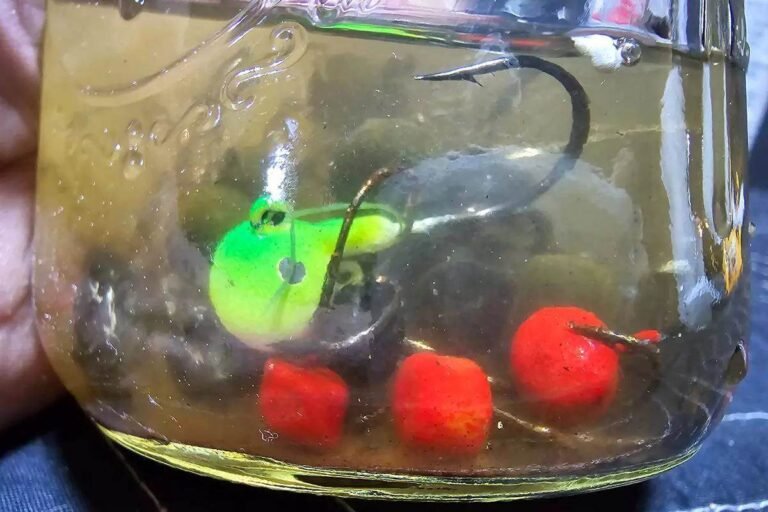
- Use small jigs, tiny grub tails, and finesse worms.
- Shades like natural shad, brown, and white work well.
- Slow jigging with subtle twitches imitates lethargic prey.
Hard baits and spoons
- Small spoons with a slow flutter attract fish in deep water.
- Use suspending jerkbaits that can be fished with long pauses.
How to fish in cold weather often means downsizing lures and slowing retrieves. The right bait in front of a cold fish can trigger a decisive strike.
Techniques and presentations that catch fish
Slow your presentation and focus on subtle movement. Cold fish follow less and bite hesitant. Small action and long pauses often win.
Slow jigging
- Drop a light jig to the bottom or to the depth where fish hold.
- Lift gently and let the jig fall. Pause long enough for a strike on the drop.
Dead-sticking
- For live bait, set the bait in place and wait.
- Check line often and be ready for a faint take.
Slow-rolling crankbaits or spoons
- Retrieve slowly, with pauses.
- Let the lure sit in the strike zone longer than you would in warm water.
Vertical presentations
- Fish often hold directly over structure or deep flats.
- Fish vertically over points, humps, or weed edges.
How to fish in cold weather is about patience and timing. Slow moves and correct depth put your bait in the right spot for longer.
Finding fish: where to go in cold conditions
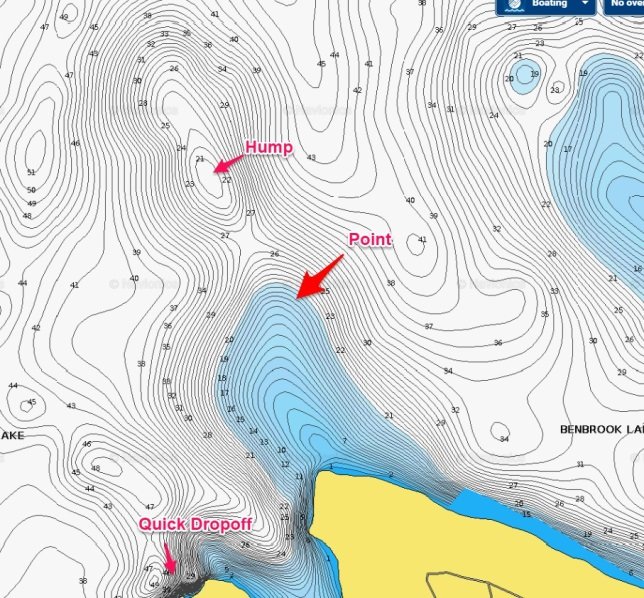
Target structure and depth. Common spots include deep flats, creek channels, drop-offs, and underwater humps.
Look for
- Points where current funnels bait.
- Sun-warmed bays on cold days.
- Deep weeds or rock piles that hold forage.
Use local maps, sonar, and observations. If fish avoid extremes in temperature, they often stay in zones with stable depth and moderate current. How to fish in cold weather depends heavily on matching depth and location to fish holding areas.
:strip_icc()/what-fish-species-are-coldwater-1380965-resized-3600ab1a5a114a8c84cd556e1bf04f95.png)
Seasonal timing and weather windows
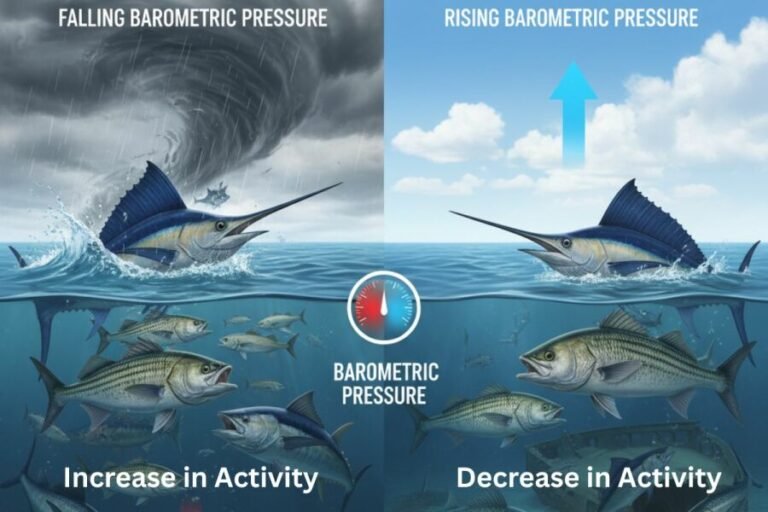
Cold fronts change fish behavior. Some patterns to note:
- After a warm spell, bites can improve as bait becomes active.
- A sudden hard freeze reduces activity and shortens bite windows.
- Midday on sunny days can create a short feeding window near the surface or shallow edges.
Plan trips when the forecast shows calm, slightly warmer periods. Learning local seasonal patterns improves results when learning how to fish in cold weather.
Personal experience: lessons from actual cold-water trips
I once spent a week fishing a shallow lake in late November. The first days I used summer tactics and got nothing. I switched to smaller jigs, slowed every retrieve, and fished deeper structure near a creek channel. The change produced steady fish. I learned three big lessons:
- Patience beats speed.
- Depth matters more than cover.
- Comfort and safety let you focus on subtle strikes.
I also learned to carry spare gloves and a thermos. Little comforts extend the day and give more chances to find fish. These real lessons shape how to fish in cold weather effectively.
Common mistakes and how to avoid them
Rushing retrievals
- Mistake: Retrieving too fast and scaring fish.
- Fix: Slow down and add long pauses.
Using oversized lures
- Mistake: Presenting large lures that cold fish won’t chase.
- Fix: Downsize and match the local forage.
Ignoring depth and structure
- Mistake: Fishing shallow flats when fish are deep.
- Fix: Use sonar or maps to find likely holding depth.
Neglecting safety and warmth
- Mistake: Cutting trips short due to cold or risk.
- Fix: Dress properly and plan for emergencies.
Avoiding these mistakes teaches you how to fish in cold weather with better results.
Troubleshooting: when nothing is biting
Change one variable at a time. If nothing works:
- Try a smaller bait.
- Move 50–100 feet to a new depth or structure.
- Change presentation speed and pause length.
Record conditions. Note water temperature, depth, bait size, and time of day. Over time this log reveals patterns that answer how to fish in cold weather for your spot.
PAA-style quick questions
What depth should I fish in cold water?
- Start deeper than normal, often just above bottom or near deep structure where bait gathers.
How slow should my bait move?
- Move very slowly with long pauses. Let lures fall and sit in the strike zone.
Does line type matter in cold weather?
- Yes. Fluorocarbon is preferred for bite detection and low visibility.
Are live baits better than lures in cold weather?
- Live bait often works better, but small finesse lures also trigger strikes when presented carefully.
How long should I wait between jig twitches?
- Wait 5–15 seconds depending on depth and species; patience is key.
Frequently Asked Questions of how to fish in cold weather
How do I keep my hands warm and still feel the bite?
Use thin, insulated gloves that allow finger dexterity or use glove liners and hand warmers; practice without thick mittens.
What species bite best in cold weather?
Perch, crappie, walleye, and trout often remain active in cold water; local species vary by region.
Should I change hooks or jig size in cold water?
Yes. Use smaller hooks and lighter jigs to match the slowed feeding and smaller prey.
How long should I fish in cold conditions before calling it?
If you feel unsafe or uncomfortable, stop. Otherwise, give a new tactic 20–30 minutes before switching.
Is ice fishing easier or harder than open-water cold fishing?
Both have challenges; ice fishing offers vertical access to deep fish, while open-water requires finding and presenting to holding fish.
Conclusion
Cold-weather fishing is about strategy, patience, and safety. Focus on depth, slow presentations, smaller baits, and proper clothing. Keep a simple gear setup, log your trips, and adjust one thing at a time. Try the tactics here on your next cold-day trip and you’ll see the difference. Share your results, subscribe for more tips, or leave a comment with your best cold-weather catch.