What are hair rigs for carp fishing: bait-to-hook rigs that improve hook-ups and bait presentation.
I have fished for carp for over 15 years on rivers and lakes. I will show you what are hair rigs for carp fishing, how they work, and why they catch more carp than a simple hook and bait. Read on for step-by-step tying, types, bait choices, real mistakes I made, and tips you can use on your next session.
What are hair rigs for carp fishing?
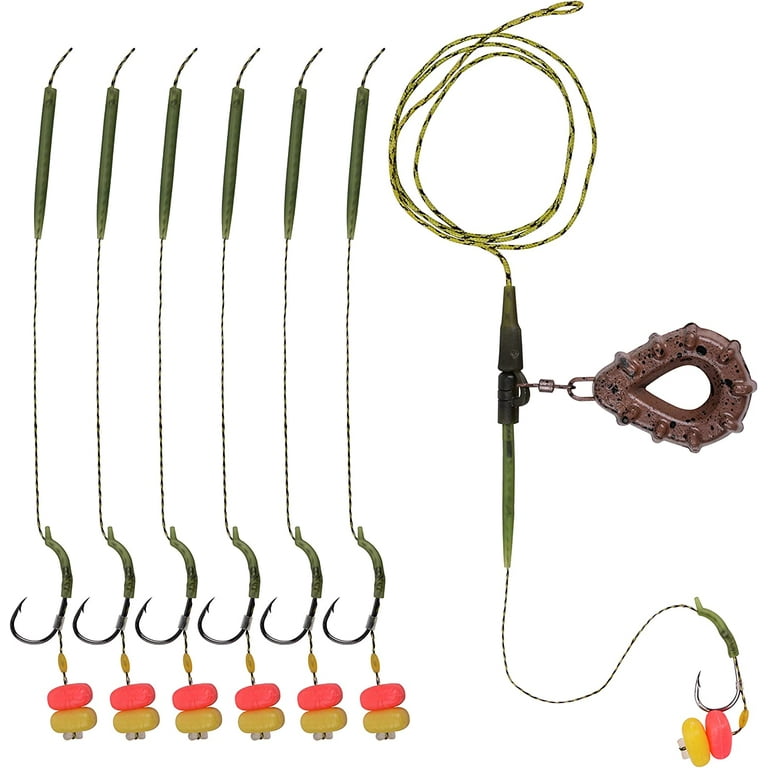
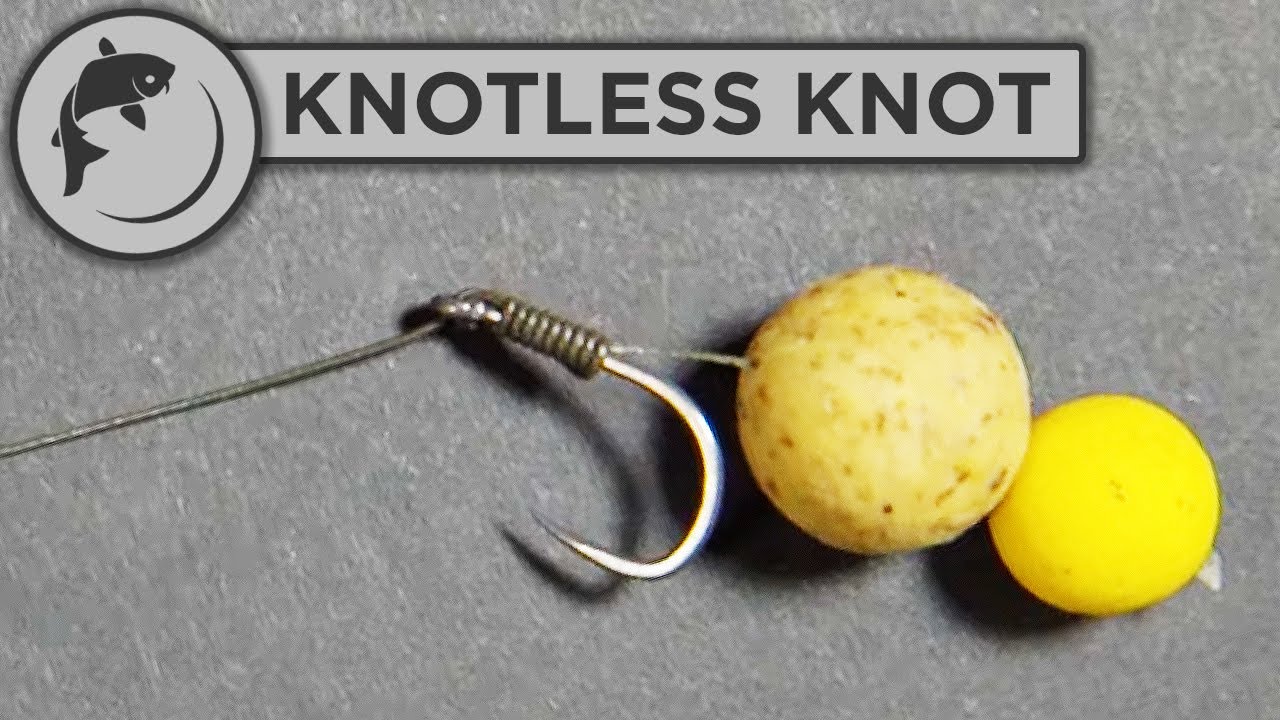
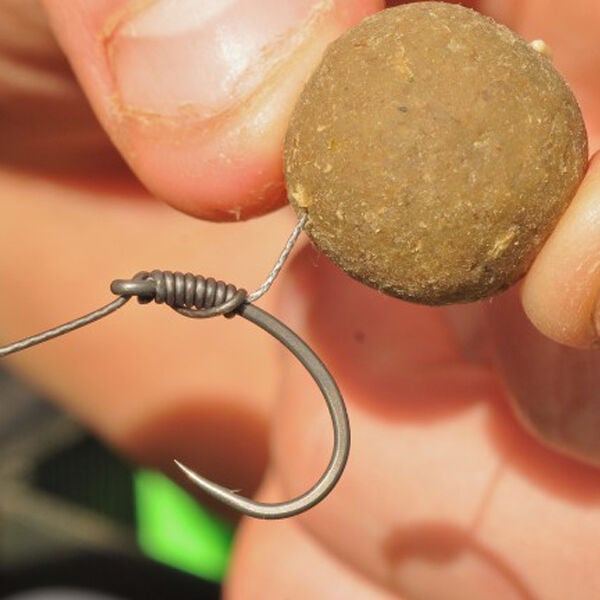
A hair rig is a simple rig where the bait is tied to a short loop of line called the hair. The bait sits just off the hook so the fish sucks in the bait and the hook is free to turn. This separation improves hook-ups and reduces bait theft by small fish.
When anglers ask what are hair rigs for carp fishing, they mean this tested way to present bait cleanly and reliably. I teach this rig to beginners because it is easy to learn and highly effective.

How hair rigs work
The hair carries the bait away from the hook point. When a carp takes the bait, the hook rotates into the lip as you strike. This pivot action makes the hook catch more cleanly than bait on the hook eye.
Key mechanical ideas:
- Camouflage: The hook is less visible with bait on the hair.
- Pivot: The bait gives the hook room to flip and catch.
- Reduced boil-off: Smaller fish find it harder to steal bait.
Understanding what are hair rigs for carp fishing helps you adjust hair length, hook size, and bait type to suit conditions.
Types of hair rigs and when to use them
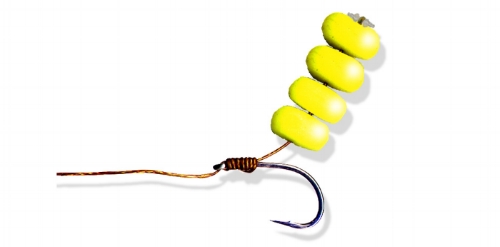
There are several hair rig styles. Each fits a different water or bait.
Common types:
- Classic hair rig: Straight hair, simple and strong. Good for most situations.
- Blowback rig: The knot or bead sits to pull the hook point toward the shank. Good for solid hook-ups.
- Chod rig: Short, stiffened link with a buoyant bait. Great over weedy or silty bottoms.
- Hinge/Chod composite: Combines mobility and stiffness for tricky lakebeds.
- Stiff rig: Uses a stiff link to keep the hook in position for pop-ups.
Different anglers ask what are hair rigs for carp fishing at different stages. Use classic rigs first, then add variants for mud, weed, or heavy bait situations.
How to tie a basic hair rig
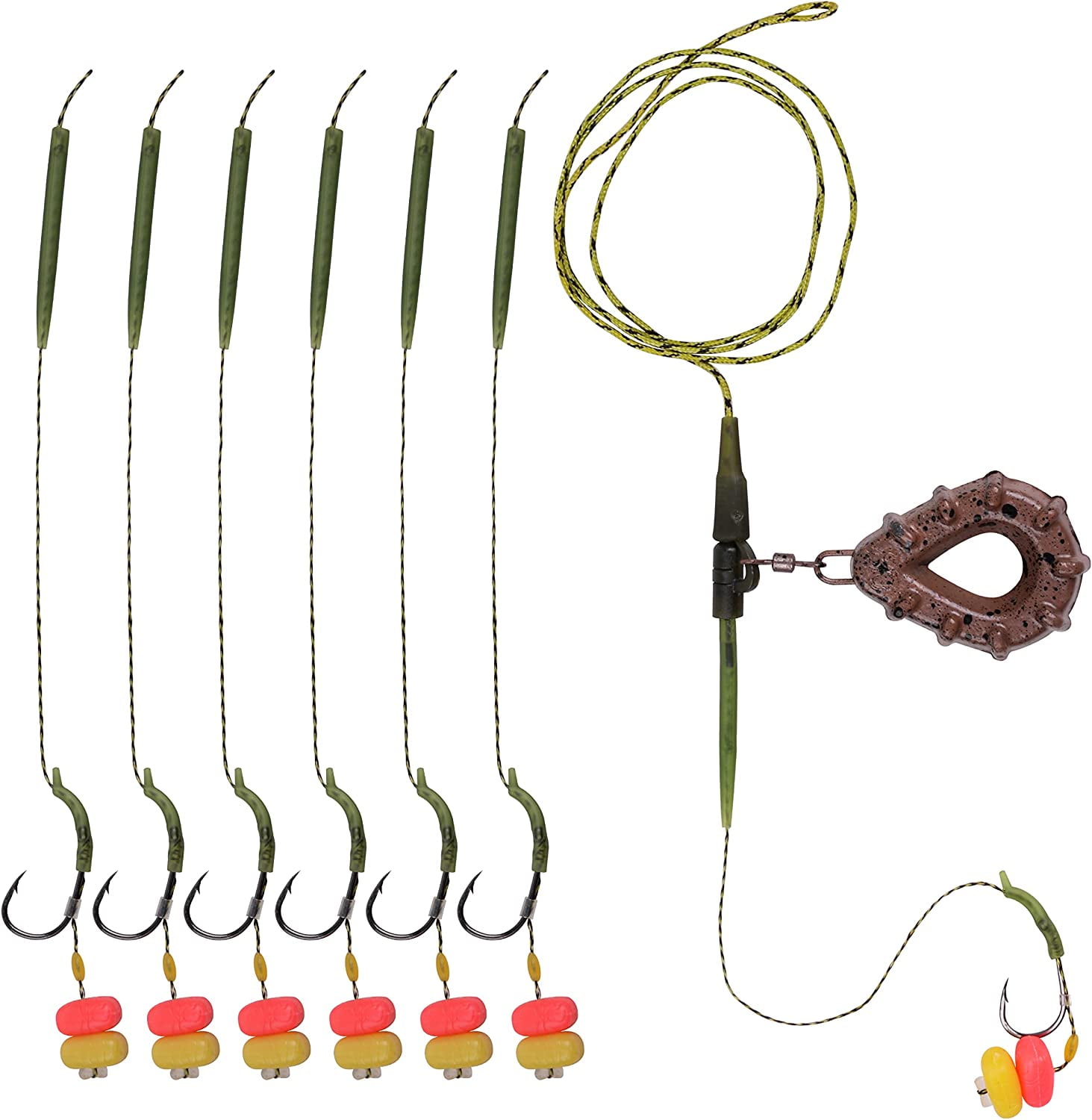
A basic tie is quick. Use a good hook and a soft hooklink.
Step-by-step:
- Thread bait on the hair: Use a baiting needle and a bait stop.
- Tie a knotless knot: Loop the hooklink and wind the tag around the hook shank 6–8 times.
- Leave a short hair length: 5–15 mm for boilies, longer for harder baits.
- Check the knot and trim the tag neatly.
If you still wonder what are hair rigs for carp fishing in practice, try this on a test hook and bait before you fish. Simple repetition makes it second nature.

Bait, hook, and tackle choices for hair rigs
Choice matters. The right bait and hook will change results fast.
Bait tips:
- Boilies: Best for long sessions and strong carp.
- Wafters: Use with lighter leads for shy fish.
- Pop-ups: Use buoyant baits on chod or stiff rigs.
Hook choices: - Wide gape hooks: Good for classic hair rigs.
- Curved shank hooks: Help turn the point into the lip.
- Strong, sharp hooks: Replace after a few fish to maintain sharpness.
Tackle setup:
- Leader and mainline: Use abrasion-resistant mainline and a fine hooklink if the fish are wary.
- Weights: Use a safe lead clip or inline weight suited to the bottom.
Knowing what are hair rigs for carp fishing helps you pick the right mix of hook and bait for each water.
Common mistakes and troubleshooting
New anglers make the same errors. Fix them quickly.
Common mistakes:
- Hair too long or too short: Wrong length reduces hook chance.
- Bait stuck on the hook: If bait blocks the eye, the hook won't turn.
- Dull hooks: Replace hooks often.
- Wrong hooklink stiffness: Too soft or too stiff can harm bait presentation.
Troubleshooting:
- Fish miss often — shorten the hair and sharpen the hook.
- Bait pulled free — use a baitstop or stronger hair knot.
- Poor bites in weed — switch to a chod or stiff rig.
Avoiding these common issues will make your sessions more productive and less frustrating.
My personal experience and tips
I learned hair rigs the hard way. I tied too-long hairs and lost fish. I once spent a day swapping rigs until I found a chod rig that worked over deep silt. That session taught me to match rig type to bottom.
Practical tips from my sessions:
- Practice the knot at home. It saves time on the bank.
- Carry spare hooks and a sharpener. Hooks blunt fast on silt.
- Mark hair length on your rig-box. Consistency matters.
- Test hooklink stiffness with a cold-water knot test. It changes with temperature.
These small habits raised my catch rate. They will help you if you want to know what are hair rigs for carp fishing and master them.

PAA-style common questions
What are hair rigs for carp fishing best used for?
They are best for presenting baits in a way that improves hook penetration and reduces bait theft. Use them for boilies, wafters, and pop-ups.
How long should the hair be?
Aim for 5–15 mm for standard boilies and slightly longer for wafters or pop-ups. Adjust to bait size and fish behavior.
Can I use a hair rig with live baits?
Yes. The hair can hold a wide range of baits including small live baits, but match hook size and hair length to the bait.

Frequently Asked Questions of what are hair rigs for carp fishing
What is the ideal hair length for boilies?
For most boilies, 5–12 mm gives a natural presentation and good hook movement. Slightly shorten for smaller carp and lengthen for very hard boilies.
Do hair rigs work in strong currents?
Yes, but you may need heavier leads and shorter hooklinks to stop the bait swinging. Stiffer hooklinks help keep the bait stable in current.
Can I use hair rigs for small carp or tench?
Yes. Reduce hook size and hair length to fit the smaller mouth. Lighter tackle yields better results for small fish.
How often should I change hooks on a session?
Change hooks after 4–6 fish or sooner if you notice dulling or corrosion. Sharp hooks dramatically increase hookup rates.
Are pop-ups better on a hair rig?
Pop-ups work well on chod or stiff rigs. They lift the bait off weedy or soft bottoms and present it clearly to carp.
Will hair rigs spook carp in clear water?
They tend to be less visible than bait on the hook. Use fine hooklink and natural colors to minimize spooking in clear water.
How do I stop boilies slipping on the hair?
Use a proper bait stop and tie the hair securely. For very smooth boilies, use a small silicone sleeve or a bead to lock the bait.
Conclusion
Hair rigs are a simple tool that changes how bait meets a carp. They give the hook room to work and the angler more consistent hook-ups. Practice the basic tie, learn the types, and tweak hair length, hooks, and bait to match the water. Try one new rig on your next session and note the difference. If this guide helped, share your catches, ask a question below, or subscribe for more carp-rig tips and step-by-step tutorials.