A bobber is a small floating float that holds bait and signals trout bites on the line.
I’ve fished trout for years and taught others how to use simple tools well. This article answers what is a bobber for trout fishing with clear, practical steps. You’ll learn types of bobbers, how to rig one, when to use it, and tips I use on streams and lakes. Read on for tested advice and easy setup that helps you catch more trout.

What is a bobber for trout fishing? — Definition and purpose
A bobber is a floating indicator attached to your line. It keeps bait at a set depth. It also shows strikes when it jerks, dips, or disappears. For trout, bobbers help present small baits at the right level. They make slow or deep trout easier to find.
A clear purpose list:
- Keep bait off bottom and out of snags.
- Hold live bait or lure at targeted depth.
- Give a visual strike signal for subtle trout bites.
- Slow down a presentation so trout have time to take bait.
I use the phrase what is a bobber for trout fishing often because it answers the core question anglers ask before they pick a rig.
Types of bobbers for trout fishing
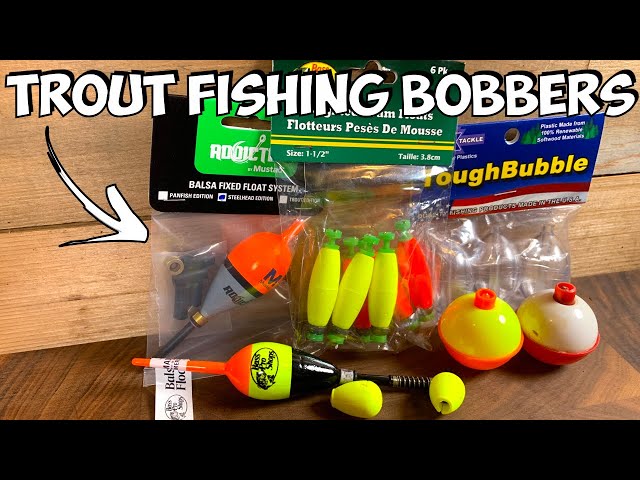
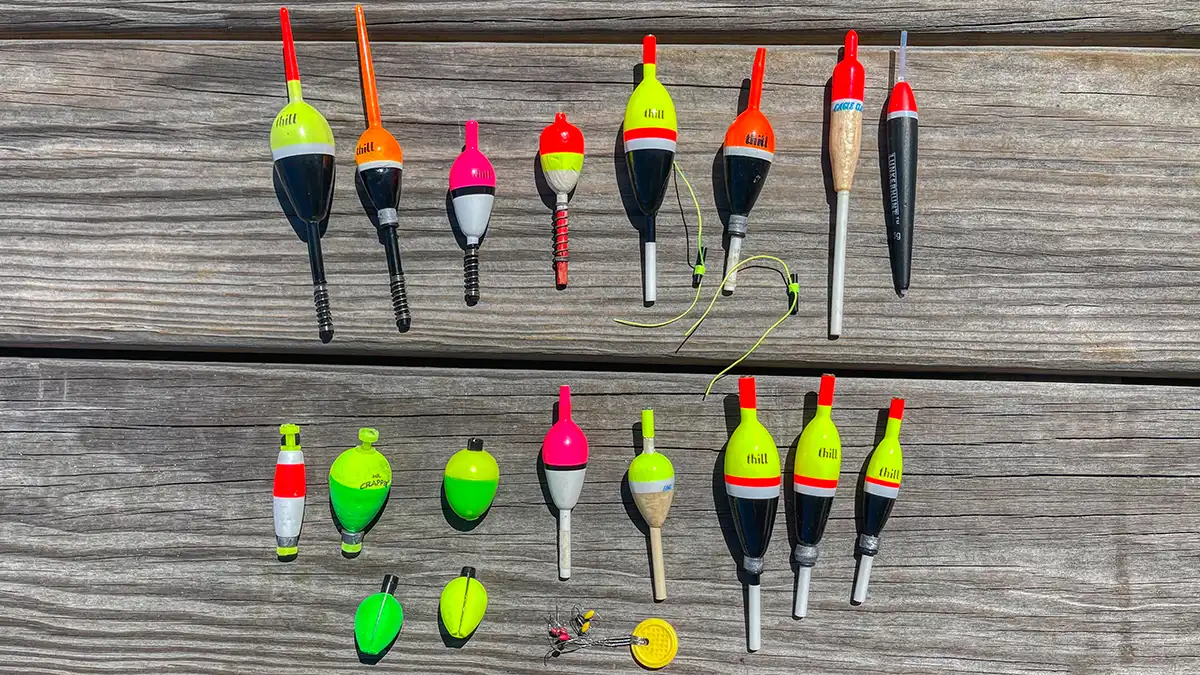
There are several common bobber styles. Each fits a situation. Choose by water, bait, and fish behavior.
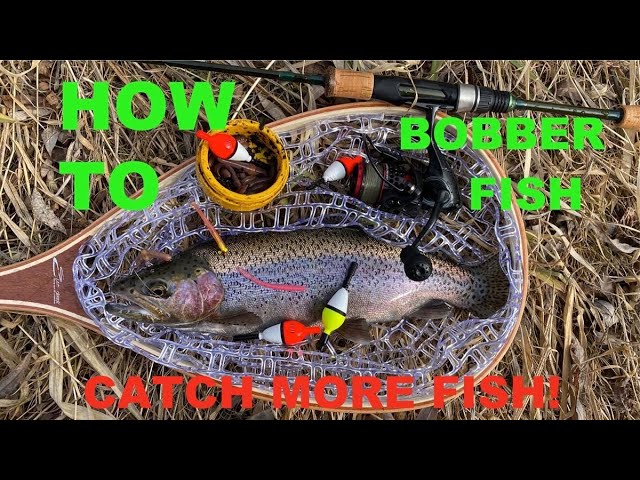
Round foam or plastic bobbers
- Small, round, and cheap.
- Good for calm water and small baits.
- Easy to clip on and off.
Stick or slip bobbers
- Slim, tall, and sensitive.
- Slip versions let you fish deep by moving a stop knot.
- Best for lakes with deep trout or windy days.
Bubble bobbers
- Clear plastic and hollow.
- Float well with light bait.
- Can trap small live bait for a natural presentation.
Pond or bubble rigs
- Tiny aerial foam bobbers for very light baits.
- Work well for tiny worms, maggots, or powerbait.
Weighted bobbers
- Built-in weight for casting farther.
- Good when you need distance and a steady presentation.
Choosing a bobber depends on the trout size and water depth. When you think what is a bobber for trout fishing, match bobber style to fish behavior.

How to rig a bobber for trout fishing — step-by-step
Simple rigs work best for trout. Follow these steps for a basic bobber rig.
Materials you need:
- Light spinning rod and reel
- 4-6 lb test line
- Small bobber or slip bobber
- Small hook (size 10–16)
- Split shot weights (tiny)
- Bait: worm, powerbait, maggots, or small lure
Step-by-step:
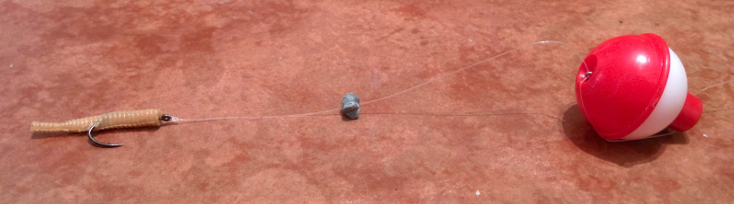
- Tie a small hook to the tag end with an improved clinch knot.
- Add a tiny split shot 6–12 inches above the hook. Start with one small weight.
- Attach the bobber. For fixed bobbers snap it on at the desired depth. For slip bobbers, thread on a bobber stop first.
- Set depth. For trout, start 1–3 feet above the bottom in lakes or mid-water in streams. Adjust until you get bites.
- Cast or drop in. Watch the bobber for tugs, dips, or slow rises.
When setting a slip bobber, mark your line and test depth with a weight. This small step saves time and helps trout find the bait quickly.
When and where to use a bobber for trout fishing
Bobbers shine in many trout scenarios. They are best when trout feed off the bottom or in midwater.
Best times and places:
- Calm pond mornings and evenings when trout cruise shallow.
- Lake edges near weedlines or drop-offs.
- Slow pools in streams where trout hold midwater.
- Cold-water periods when trout are less aggressive.
Avoid bobbers when:
- Trout feed at the surface on insects (use dry flies instead).
- Water is extremely fast or turbulent.
- You need to present a sinking lure quickly to deep fish.
I learned this the hard way. I once fished with a large foam bobber in a fast riffle and missed bites. Later I switched to a small slip bobber and caught fish immediately. Match the rig to the place and trout mood.
Benefits and limitations of using a bobber for trout fishing
Benefits:
- Easy to learn and use for new anglers.
- Lets you hold bait at a precise depth.
- Visual strike detection boosts hook rates.
- Minimal gear changes between baits.
Limitations:
- Can spook trout if bobber is too large or bright.
- Not ideal in heavy current or surface-feeding situations.
- May tangle on cast if rigging is wrong.
Answering what is a bobber for trout fishing includes both the pluses and the limits. Know when to switch to a jig or fly.

Tips, mistakes to avoid, and personal lessons
Practical tips I use on most days:
- Use light line and small hooks for natural bait feel.
- Start with a small bobber and step up size only if needed.
- Trim bright colors with tape if trout spook easily.
- Check knot strength often. Small hooks pull free on weak knots.
Common mistakes:
- Too much weight. Trout feel heavy rigs.
- Wrong depth. If no bites, move the bobber up or down by 6–12 inches.
- Using large bait. Match bait size to trout mouths.
Personal lesson: On a cold morning, I swapped a large bobber to a clear bubble bobber and switched to tiny maggots. The change turned an empty hour into steady action. What is a bobber for trout fishing? It’s a tool, and a small tweak can change results fast.
Quick Q&A (PAA-style)
Q: Will a bobber scare trout?
- Small bobbers rarely scare trout. Large or bright ones can. Use subtle colors for spooky water.
Q: Which bobber to use in wind?
- Use weighted or larger bobbers. They cast better and hold steady in wind.
Q: How deep should I fish with a bobber?
- Start near the mid-column. Then inch down toward the bottom until you see bites.
Q: Can I use a bobber with lures?
- Yes. Small lures can be suspended with a bobber for slow presentations.

Frequently Asked Questions of what is a bobber for trout fishing
What size bobber is best for trout?
A small, lightweight bobber is best for trout. Choose one that floats your bait without lifting it too high.
How do I set the depth on a slip bobber for trout?
Measure the water depth with a weight, then set the bobber stop so your bait sits 1–3 feet above the bottom or at the trout’s level.
Can I use a bobber in a stream?
Yes. Use small, sensitive bobbers in slow pools. Avoid them in fast current where they drag or tangle.
What bait works best under a bobber for trout?
Maggots, small worms, corn, and powerbait work well. Match the bait size to trout mouths for more strikes.
How do I know a trout took the bait?
Look for a subtle dip, a quick twitch, or the bobber disappearing. Trout often pull gently; set the hook smoothly.
Conclusion
A bobber is a simple tool that helps you present bait at the right depth and detect trout bites. Use the right bobber for the water, rig it lightly, and adjust depth until trout respond. Try one small change today: switch to a smaller bobber or move your bait half a foot and watch your catch rate improve. Share your results, subscribe for more tips, or leave a comment with your best bobber trick.