Yes — maggots are highly effective, affordable, and versatile bait for catching trout.
I’ve fished for trout for decades and tested many baits. This guide answers whether are maggots effective bait for trout fishing with clear, practical advice. I explain how maggots attract trout, when to use them, how to rig and store them, and the real pros and cons from hands-on experience. Read on to learn simple techniques that improve your catch rate and confidence on the water.
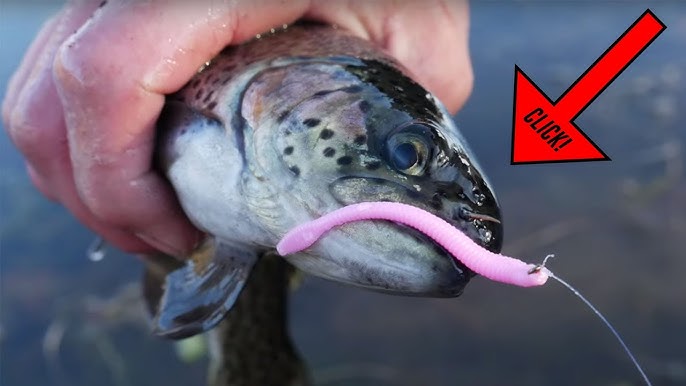
Why maggots work for trout
Maggots give trout strong scent and natural motion. Trout key on smell, sight, and movement. Maggots offer all three in a tiny package. They release amino acids and oils that trout detect from a distance. A small, wriggling maggot looks like easy prey in clear and stained water.
Maggots also match many natural food sources. Young trout often eat insect larvae and small crustaceans. Maggots mimic that profile in size and nutrition. That makes the simple answer to are maggots effective bait for trout fishing a practical reality.
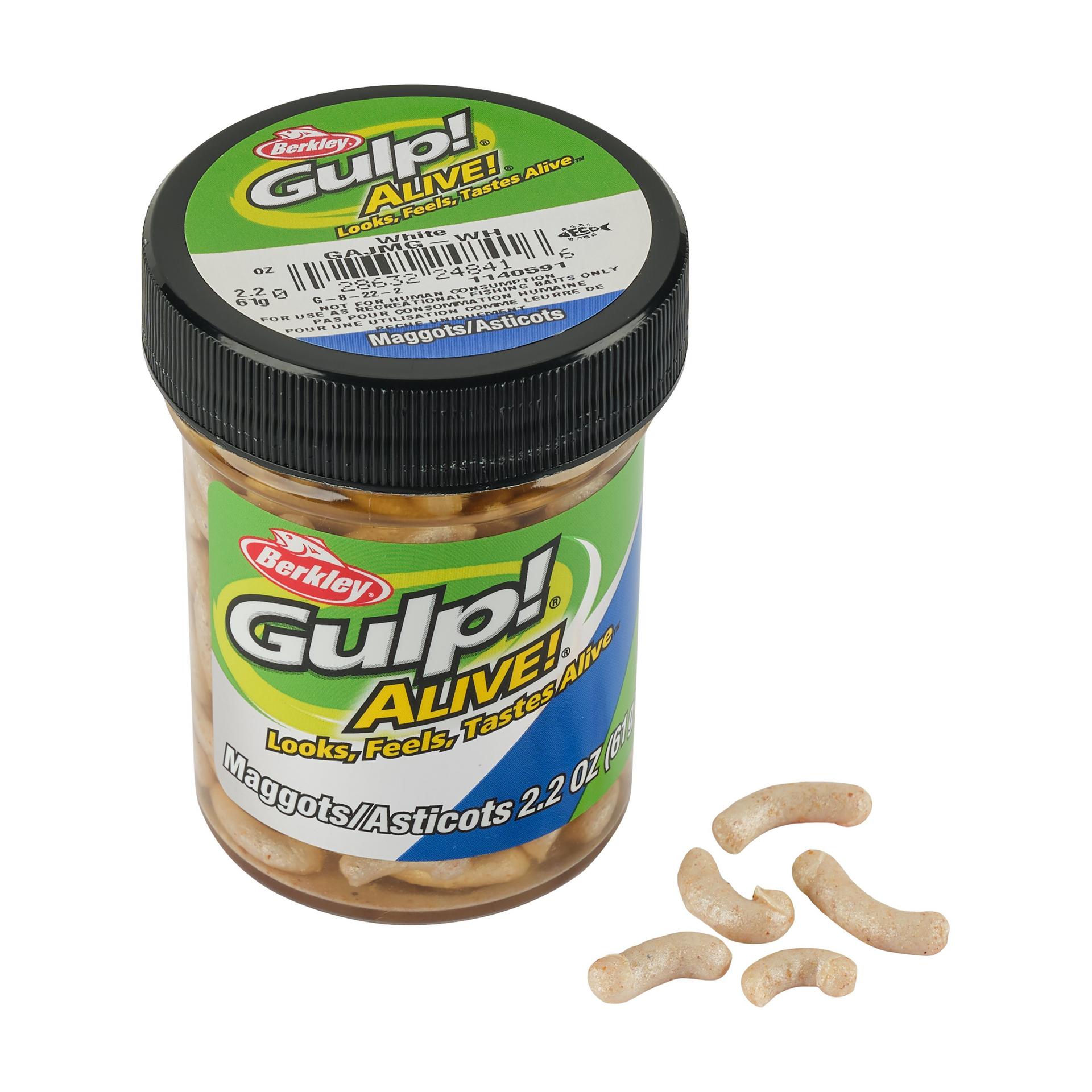
Types of maggots and how to rig them
Common maggot types anglers use:
- Live white maggots — the classic option sold at tackle shops.
- Dyed maggots — colored red, green, or pink to add visual appeal.
- Dead or frozen maggots — last longer and still attract trout.
- Larger larvae (casters) — good for bigger trout and deeper water.
Simple rigs that work:
- Float rig with small split shot — suspend a single maggot under a float. Use light shot so maggot moves naturally.
- Ledger or feeder rig — place maggots near a groundbait or pellet bed for lined fisheries.
- Micro hair rig for larger trout — hook a cluster of maggots on a short hair to keep bait off the hook point.
- Hook sizes — use size 12–18 hooks for typical maggots and match local trout size.
These setups answer are maggots effective bait for trout fishing by making maggots present naturally and enticingly.

Best conditions and techniques
Use maggots when trout are feeding on small prey. Peak times:
- Spring and early summer — insect hatches make maggots a natural match.
- Cooler mornings and evenings — trout feed close to the surface or shallow margins.
- Cloudy or stained water — scent helps trout locate maggots.
Techniques that matter:
- Keep presentations light and natural. Short casts with slow action work best.
- Try a mix of live and dead maggots. Dead maggots float more steadily and can fool cautious trout.
- Change depth often until you find active fish.
If you ask are maggots effective bait for trout fishing in low-visibility water, the answer is yes — scent and movement still attract trout.
PAA-style questions
How many maggots should I use on a hook?
Use one or two small maggots for light tackle and single larger maggot or a small cluster for bigger trout. Keep the profile natural.
Can maggots be used year-round?
Maggots work best in spring through fall, but dead or dyed maggots can be effective in mild winter conditions. Cold water slows trout metabolism, so expect fewer bites.
 limitations of maggots for trout fishing”
style=”max-width: 100%; height: auto; border: 2px solid black; border-radius: 10px; display: block; margin: 0 auto;”
loading=”lazy”
/>
Benefits and limitations of maggots for trout fishing
Benefits:
- High attraction — scent and motion appeal to trout.
- Affordable — cheap and available widely.
- Versatile — work on float, ledger, and feeder rigs.
- Easy to store — can be refrigerated or frozen for later use.
Limitations:
- Short shelf life when live — they need care to stay lively.
- Can be messy — handling maggots is not for everyone.
- Local rules — some fisheries restrict live bait or require dead baits.
- Not a universal solution — trout that feed on terrestrial insects or artificial nymphs may ignore maggots.
Balancing benefits and limits will help you judge whether are maggots effective bait for trout fishing in your local waters.
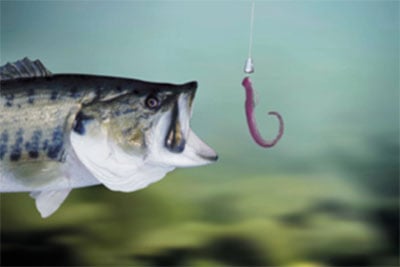
Alternatives and complementary baits
If maggots are restricted or trout are picky, try these:
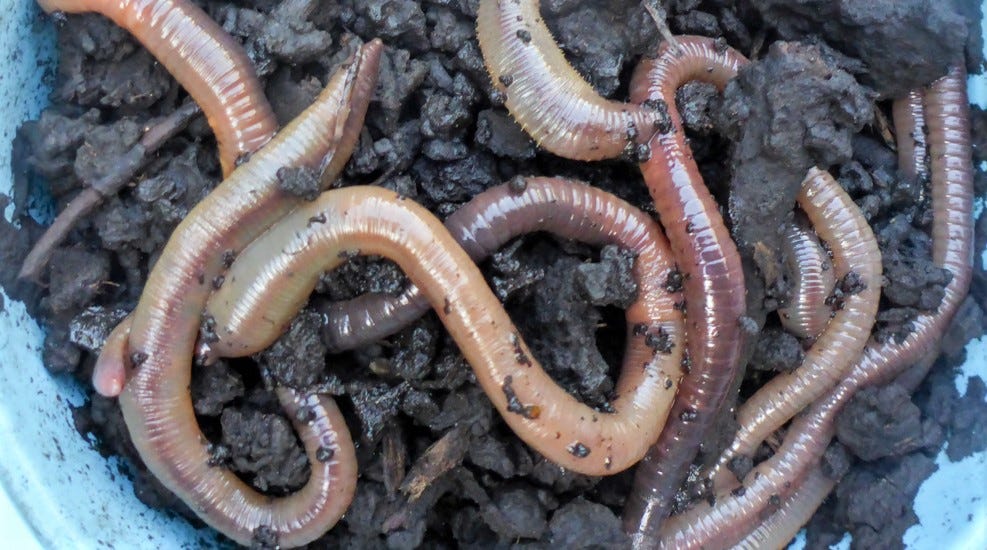
- Worms — a classic alternative with strong scent.
- Dough baits and powerbaits — especially in stocked fisheries.
- Artificial flies and nymphs — match specific insect hatches.
- Small spinners and soft plastics — for active trout that chase lures.
Mix maggots with other baits for better results. For example, a bed of groundbait plus maggots can focus trout on your hookpoint. Combining methods helps when wondering are maggots effective bait for trout fishing under changing conditions.

Personal experience and practical tips
I once spent a weekend on a clear river and started with lures. Trout ignored them. I switched to live maggots, fished shallow with a light float, and caught steady fish all afternoon. Lesson learned: presentation beats fancy gear.
Storage and handling tips I use:
- Keep maggots cool in a shaded container with air holes.
- Feed them a little bran if storing several days.
- Freeze extra maggots for later use; thawed dead maggots are still useful.
- Use a small hook and short trace to keep natural movement.
Ethical notes and local rules:
- Check local regulations before using live maggots.
- Avoid introducing non-native species or contaminants.
- Use only purchased or legally collected bait to protect waters.
All of these observations show that are maggots effective bait for trout fishing depends on technique, care, and local rules.
Frequently Asked Questions of are maggots effective bait for trout fishing
Are maggots better than worms for trout?
Maggots can be better for finicky trout and when size and scent matter; worms work when trout want a larger meal. Try both to see what fish prefer.
How should I store live maggots overnight?
Keep them in a cool, ventilated container with a bit of bran or sawdust for moisture control. Refrigeration at just above freezing keeps them fresh longer.
Can dyed maggots improve catches?
Dyed maggots add visual contrast and sometimes trigger more bites, especially in clear water or on pressured fisheries. Use sparingly to avoid spooking fish.
Do maggots spread disease or invasive species?
Using local, commercially produced maggots reduces risk. Always follow rules and never release unused live bait into the water.
What hook size is best for maggots and trout?
Hook sizes 12–18 work well for most maggots and trout sizes. Match hook size to how large the trout are and keep rigs subtle.
Conclusion
Maggots are a proven, cost-effective bait that work in many trout situations. They bring scent, motion, and a natural size that trout recognize. Use light presentation, check local regulations, and keep maggots fresh for the best outcomes. Try a few of the rigs and tips here on your next trip and note where maggots succeed or fail. Share your results, subscribe for more tips, or leave a comment with your own maggot tricks.