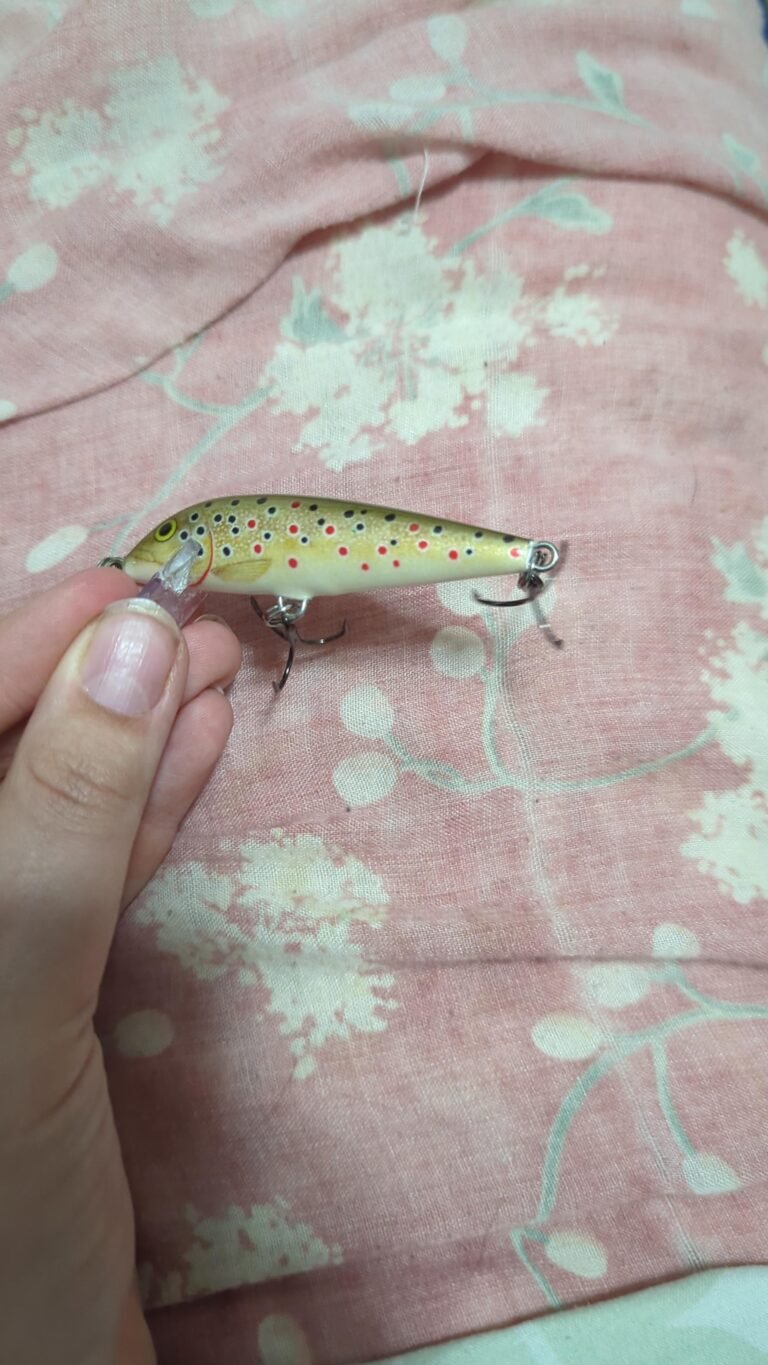
Mono offers stretch and forgiveness; braid gives unmatched sensitivity and thin diameter for casting.
I’ve spent 15 years fishing lakes, rivers, and saltwater flats, testing mono vs braid fishing in real-world conditions. This guide breaks down the strengths and limits of each line, shows when to use mono or braid, and gives clear setups, knots, and tips so you can choose the right line with confidence.

Mono vs Braid: What they are
Monofilament is a single strand of nylon or copolymer. It stretches more than braid, sinks or floats depending on formula, and is easy to knot and handle.
Braided line is woven from many fibers such as polyethylene. It has very little stretch, a smaller diameter for the same breaking strength, and excellent sensitivity.
I’ll use "mono vs braid fishing" throughout to compare real trade-offs and scenarios. My experience comes from years of swapping spools mid-trip and learning what works under pressure.
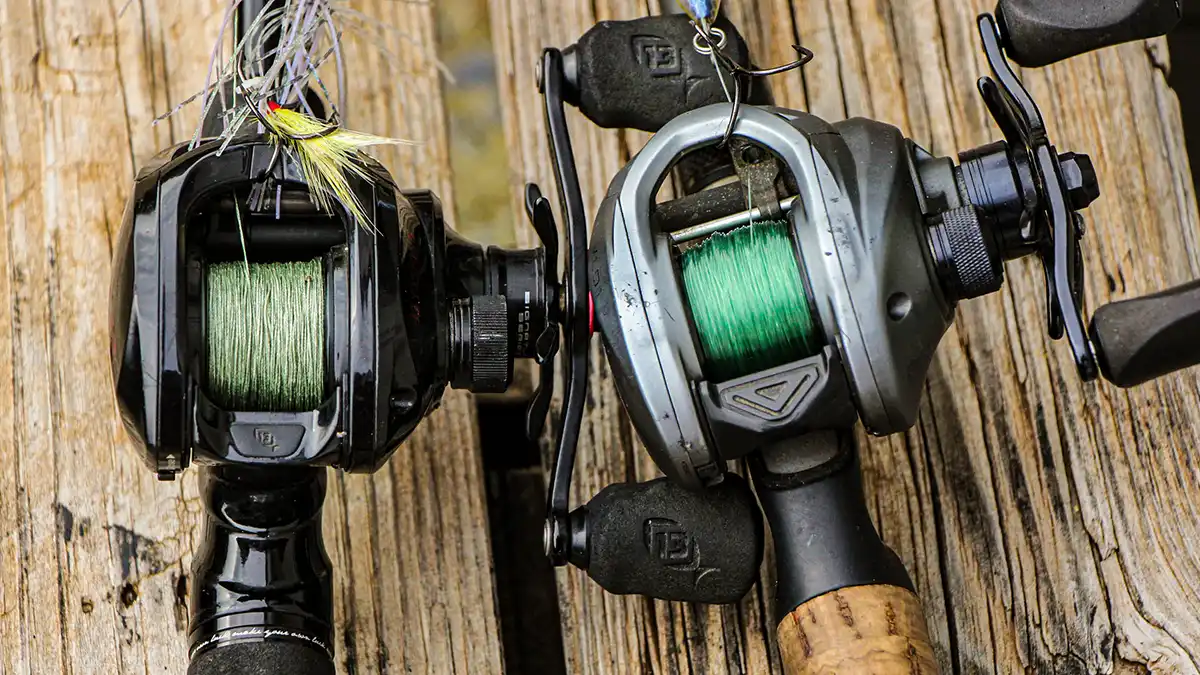
Key performance differences for mono vs braid fishing
- Sensitivity and feel
- Braid transfers every tap and bite to the rod tip. Mono dampens some of that feedback due to stretch.
- Stretch and shock absorption
- Mono stretches 20–35 percent, which helps absorb sudden loads and reduce pulled hooks. Braid stretch is nearly zero, so shock must be managed with technique or leader.
- Diameter and casting distance
- Braid has a smaller diameter for equal strength and generally casts farther with lighter rods. Mono is thicker and can snag more wind.
- Visibility and presentation
- Mono is often less visible underwater and better for spooky fish. Braid is highly visible and usually requires a fluorocarbon or mono leader for stealth.
- Abrasion resistance
- Braid resists abrasion well along the mainline, but can cut into rod guides or be compromised by sharp structure. Mono wears down more visibly and can fray.
- Knot strength and tying
- Mono forms reliable knots that slip less than braid. Braid needs knots designed for slick line, and extra tag length is helpful.
- Cost and durability
- Braid is more expensive per spool but lasts longer because it resists UV and water absorption. Mono degrades faster with sunlight and repeated hits.

When to use mono vs braid fishing
- Use braid when you need:
- Maximum sensitivity to detect subtle bites.
- Long casting distance for open-water or offshore work.
- High strength with small diameter for heavy cover and windy conditions.
- Use mono when you need:
- Stretch to absorb sudden runs and protect light terminal tackle.
- Low visibility for pressured fish and clear water.
- Budget-friendly options for general-purpose fishing.
- When to combine them
- Many anglers spool braid on the reel for backbone and sensitivity, with a mono or fluorocarbon leader for stealth and shock absorption.
- Specific scenarios
- Freshwater bass in thick cover: braid mainline with a 20–30 lb fluoro leader.
- Light finesse trout or panfish: mono or light fluorocarbon to avoid spooking fish.
- Saltwater flats and snook: braid for feel and casting, leader for abrasion and invisibility.
Choosing the right line: practical tips
- Match line to rod and reel
- Use braid on rods rated for low-stretch performance. Mono is forgiving on softer rods.
- Pound-test equivalence
- If you switch to braid, step down one or two sizes for similar handling. For example, 30 lb mono often equals 10–12 lb braid in diameter feel.
- Knot tips
- For mono, use improved clinch or Palomar knots. For braid, use non-slip mono loop, double uni, or Palomar with extra wraps.
- Leader length
- For mono vs braid fishing combos, use 2–6 feet of mono or fluorocarbon leader depending on fish wariness.
- Spooling advice
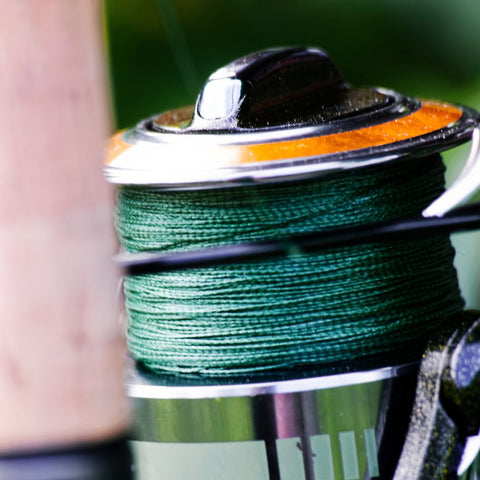
- Put a thin layer of mono backing under braid to prevent slipping on the spool. Avoid overfilling the spool.
Common mistakes and how to avoid them
- Mistake: Spooling braid directly without backing
- Fix: Add a layer of mono backing or use pressure to secure the braid start point.
- Mistake: No leader when fish are line-shy
- Fix: Attach a fluorocarbon or mono leader to reduce visibility and improve hookups.
- Mistake: Using braid with inappropriate knots
- Fix: Learn and use braid-specific knots and leave longer tag ends.
- Mistake: Ignoring reel and guide wear
- Fix: Inspect guides for burrs and use braided-friendly rod guides if you fish braid a lot.
- Mistake: Choosing line only by price
- Fix: Consider performance for the water, species, and techniques you fish most.

Advanced setups and real-world examples
- Spinning setup for light freshwater "mono vs braid fishing"
- 6 lb braid main with 2–3 ft fluorocarbon leader for drop-shot or finesse rigs. This combo keeps sensitivity and stealth.
- Baitcasting for heavy cover
- 50–65 lb braid matched to a heavy baitcast reel with 20–30 lb fluoro leader. Use a uni-to-uni knot or loop connection to retain action.
- Saltwater flats
- 10–30 lb braid on the reel for throwing topwater plugs, with a 4–6 ft fluorocarbon leader to avoid spooking fish and resist abrasion.
- My experience
- I once swapped a mono-spooled reel for braid during a windy tournament day and gained 20% longer casts. Later that week, a mono setup saved a trophy because the stretch prevented the hook from pulling on a sudden tail-walk.
- Lessons learned
- Practice knots before the trip. Test leader-to-mainline knots at home. Keep spare line spools for quick changes.
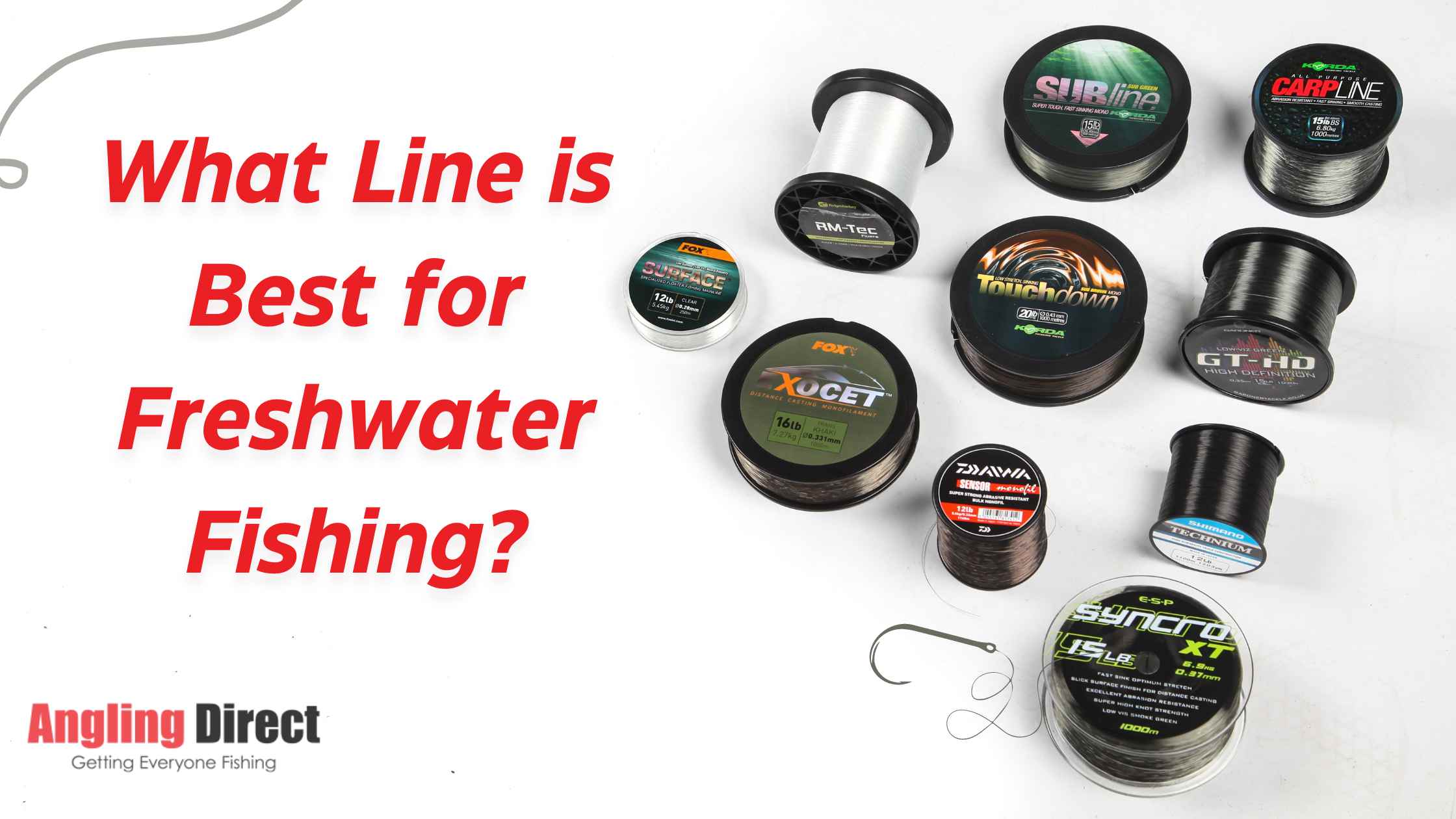
Frequently Asked Questions of mono vs braid fishing
Is braid better than mono for bass fishing?
Braid is better for feeling bites and punching heavy cover, while mono is helpful for topwater and situations where stretch reduces lost hooks. Many bass anglers use braid mainline with a mono or fluoro leader.
How long should a leader be when using braid?
Leaders are commonly 2–6 feet, depending on fish wariness and presentation needs. Use longer leaders for clear water and cautious fish.
Can I use mono on a baitcasting reel?
Yes, mono works well on baitcasting reels, especially for beginners and when you want some stretch and forgiveness. Proper spooling and brake settings help minimize backlash.
What knots work best for braid to leader connection?
Double uni, FG knot, and Albright knot are reliable for braid to leader connections. Practice these knots and trim tag ends carefully for best performance.
Will braid damage my rod guides?
Braid can abrade guides that are damaged or have rough edges. Inspect guides regularly and consider ceramic inserts or braid-friendly guides for heavy braid use.
How often should I replace mono or braid?
Replace mono more often because UV and water absorption degrade it over months of frequent use. Braid lasts longer but should be inspected for fraying and chafe after each heavy session.

Conclusion
Mono vs braid fishing comes down to trade-offs: mono gives stretch, forgiveness, and low visibility, while braid offers sensitivity, smaller diameter, and longer casts. Use braid for feel and power, mono for shock absorption and stealth, and combine both when you need the best of each world. Try a few spool combinations, practice knots at home, and choose setups based on species, water, and technique. Share your experiences below, swap tips with other anglers, or subscribe for more gear-tested advice and setup guides.