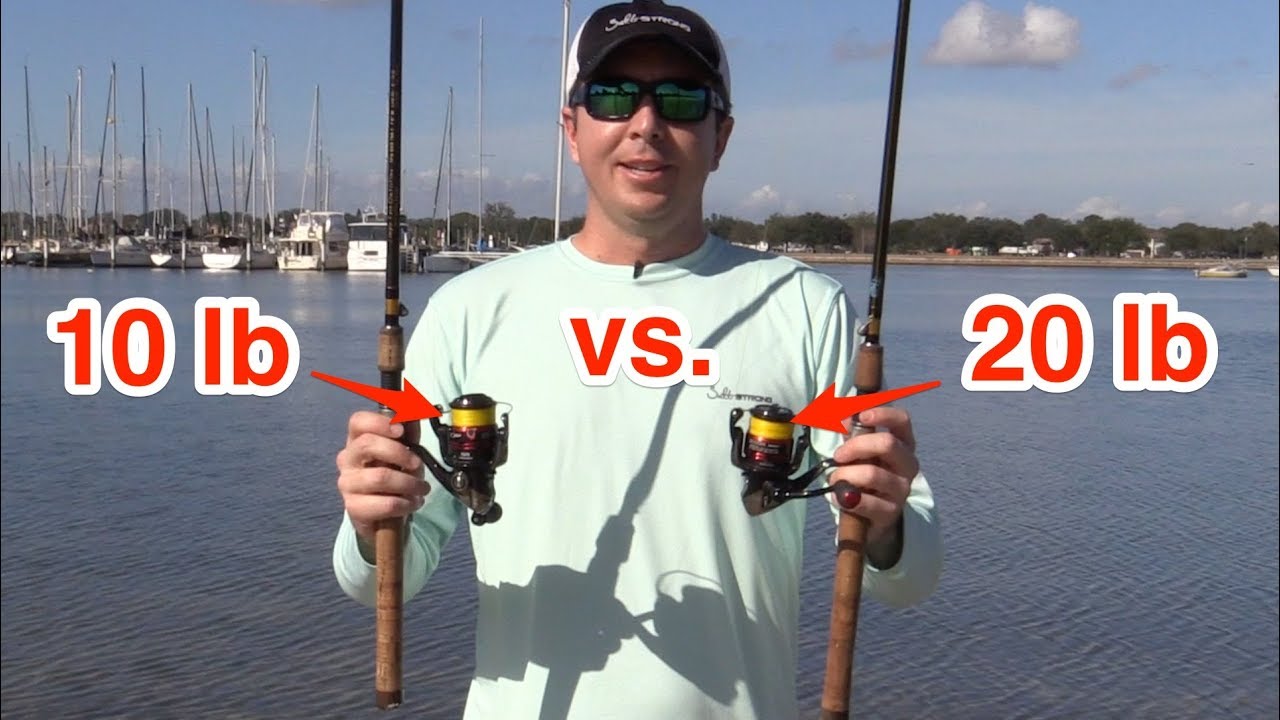
Yes, a 20 pound line is a versatile, reliable option for many saltwater anglers.
I’ve spent years fishing bays, reefs, and nearshore flats. In this guide I answer is 20 pound line good for saltwater fishing, explain when it works best, and show how to size line to fish, tackle, and species. Read on for clear advice, real tests, and tips that will help you pick the right line for your next saltwater trip.
Why anglers ask: is 20 pound line good for saltwater fishing
Asking "is 20 pound line good for saltwater fishing" is common. The phrase sums up a simple but important choice. Line strength affects casting, bite feel, and hooksets. It also sets the odds when a fish runs hard or hides in structure.
I’ve used 20 pound line on light spinning reels and on medium baitcasters. It performs well around rocks and docks for small to mid-size game fish. But the real answer depends on fish size, tackle, and conditions.
Strengths and limitations of a 20 pound line
When you weigh whether is 20 pound line good for saltwater fishing, consider strengths and limits.
Strengths
- Good balance of strength and castability for inshore work.
- Easier to handle and knot than very thin braid.
- Forgiving on shock loads compared with lighter lines.
Limitations
- Not enough for large pelagics or heavy structure fights.
- Visibility can spook shy fish in clear water if line is bright.
- Abrasion resistance varies by material and brand.
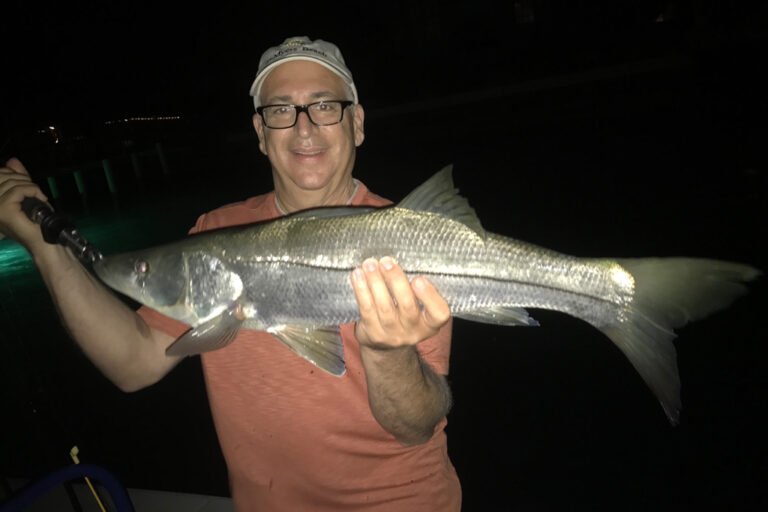
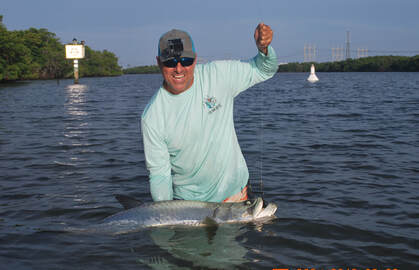
From my experience, 20 pound line shines for snook, redfish, striped bass, smaller tuna, and bluefish in calm to moderate conditions. It struggles for large tarpon, grouper in heavy structure, or big offshore species.
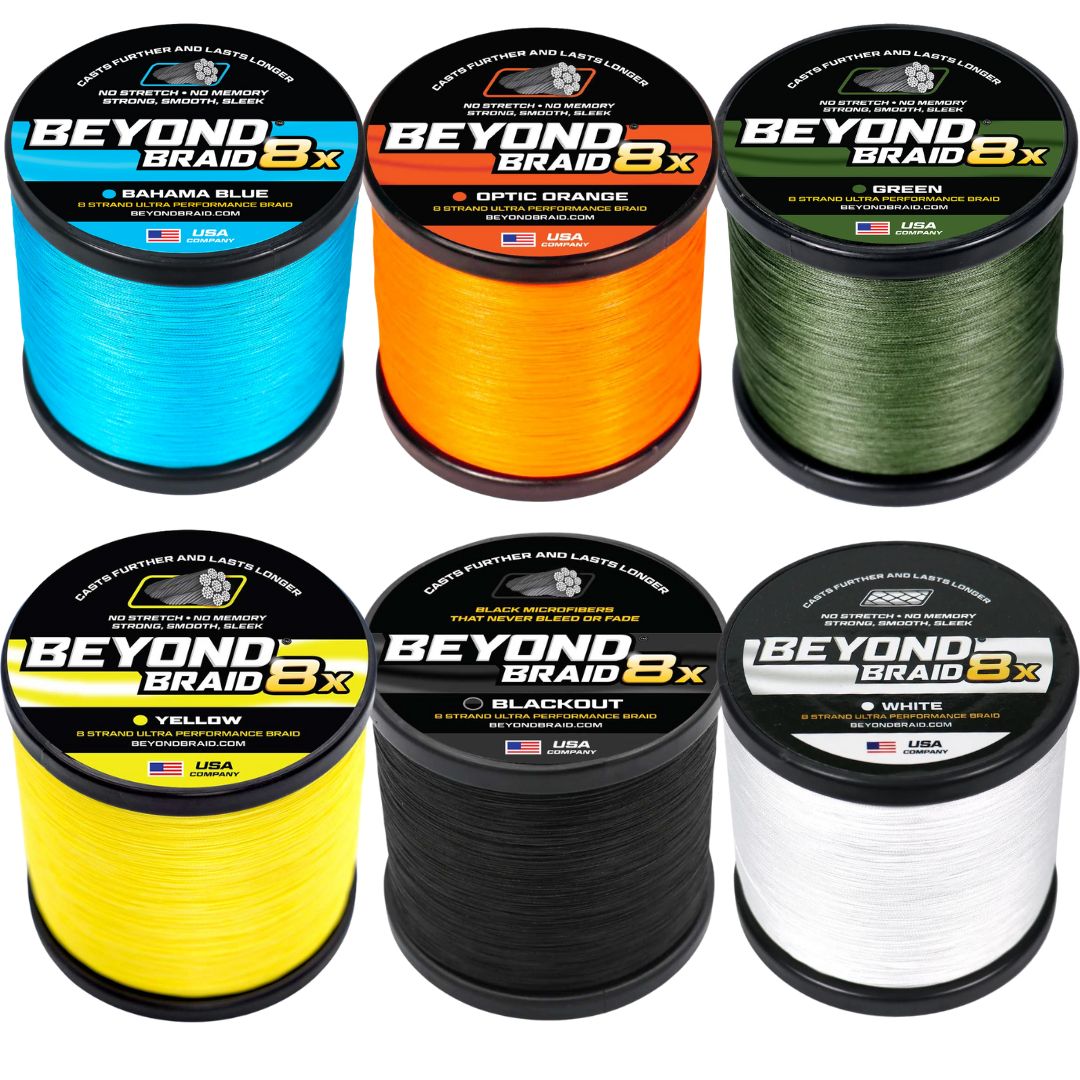
Types of 20 pound line and how they change the answer
When debating is 20 pound line good for saltwater fishing, the material matters more than the number alone.
Monofilament
- Stretchy feel and shock absorption.
- Easier to tie and knot.
- Lower abrasion resistance than some options.
Fluorocarbon
- Less visible underwater.
- Better abrasion resistance than mono.
- Sinks faster, which helps certain presentations.
Braided line
- Very low stretch and high strength for diameter.
- Excellent for long casts and heavy cover.
- Needs a shock leader when using 20 pound test braid in saltwater.
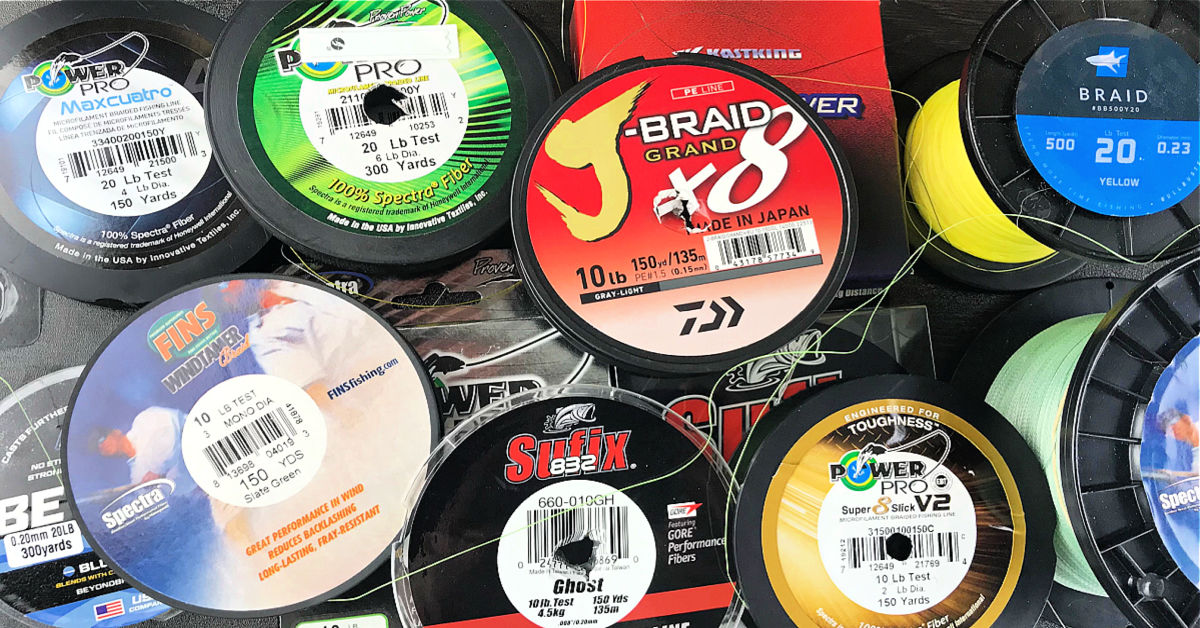
Choosing mono, fluoro, or braid changes how 20 pound line performs. For example, 20 pound braid is much thinner than 20 pound mono and behaves differently on drag. I often run 20 pound braid with a 20–40 pound leader for snapper or reef work.
Match line to target species, structure, and tackle
The question is 20 pound line good for saltwater fishing becomes specific when you name the fish and area.
Use 20 pound line if
- Target species average 5–25 pounds.
- Fishing inshore flats, estuaries, or light structure.
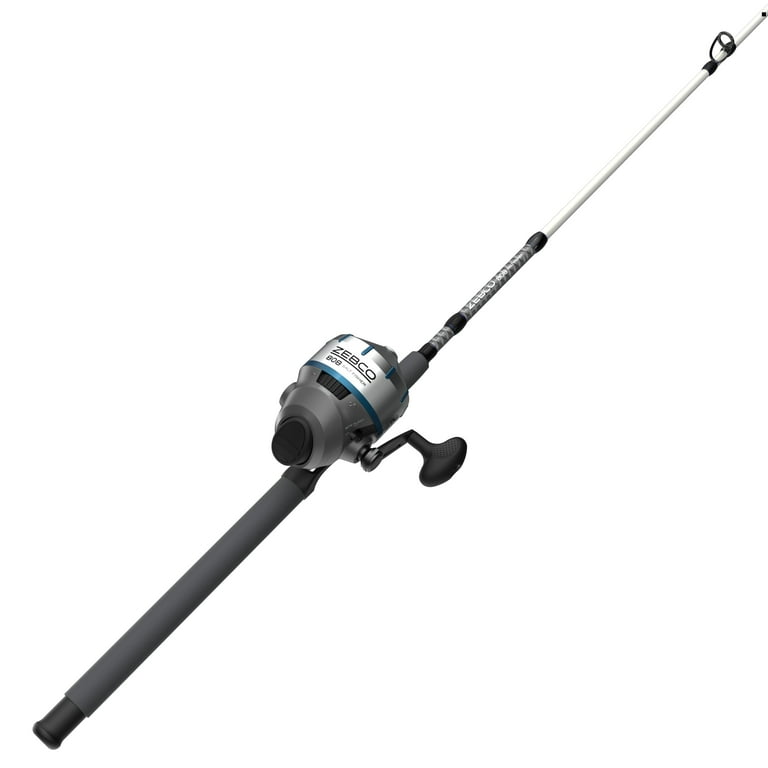
- Using medium rods and reels with 2000–4000 size.
Avoid 20 pound line if
- You plan to target pelagics over 30 pounds.
- Fishing heavy rock, deep ledges, or dense reefs.
- Using heavy spinning gear meant for big fish.
Personal tip: When I expect hard runs or lots of abrasion, I step up to 30 or 40 pound leader. That small change saves many lost fish.
Practical tips and real-world examples
I’ll share simple, practical advice from real trips.
Tips
- Check knots: Use a Palomar or improved clinch for mono and fluoro. Retie often.
- Use a leader: Pair 20 pound braid with a 20–40 pound fluorocarbon leader for abrasion resistance and stealth.
- Match rod action: A fast action rod helps set hooks cleanly with low-stretch lines.
- Test drag: Set drag to about 25% of line strength for smooth fights.
Real-world examples
- In shallow mangroves, 20 pound fluorocarbon gave stealth and control for redfish.
- On a windy day chasing Spanish mackerel, 20 pound braid cast farther and landed more fish.
- While targeting reef snapper, 20 pound mono often cut out on sharp coral—using a heavier leader helped.
These examples show that is 20 pound line good for saltwater fishing when you match material and setup to the task.

Common mistakes and how to avoid them
Avoid these errors when deciding if is 20 pound line good for saltwater fishing.
Mistake: Relying on test rating alone
- What to do: Check diameter and abrasion rating too.
Mistake: Skipping leaders with braid
- What to do: Always add a leader and secure knots properly.
Mistake: Using old line
- What to do: Replace line yearly for frequent anglers, sooner if you see wear.
I once lost a solid fish because my old 20 pound line had invisible nicks. Replace old line to keep the rated strength real.
PAA-style questions (quick answers)
What makes 20 pound line a good choice for inshore saltwater?
- It balances strength, casting ease, and handling for medium-sized fish inshore.
Can 20 pound line handle bluefish and small tuna?
- Yes, for small to medium bluefish and small tuna, 20 pound line often works, especially with braid.
Should I use mono, fluoro, or braid in 20 pound test?
- Choose mono for stretch, fluoro for invisibility, and braid for thin diameter and long casts.
Do I need a leader with 20 pound braid?
- Yes, a leader improves abrasion resistance and reduces visibility for many saltwater targets.
How often should I change 20 pound line?
- Change yearly for casual anglers and more often if you fish saltwater frequently or see wear.
Frequently Asked Questions of is 20 pound line good for saltwater fishing
Is 20 pound line good for saltwater fishing in clear water?
20 pound line can work in clear water, but choose fluorocarbon or a thin braid with a fluoro leader to reduce visibility.
Can I use 20 pound line for surf fishing?
Yes for small to medium surf species, though long casts and larger fish may need heavier test or braid.
Will 20 pound line break easily on structure?
It can if you hit sharp rock or coral. Use a heavier leader or step up test to avoid cuts.
Is 20 pound braid the same as 20 pound mono?
No. 20 pound braid is much thinner and stronger per diameter, and it has less stretch than mono.
What reel size pairs best with 20 pound line?
Small to medium reels (2000–4000) suit 20 pound line well for most inshore and nearshore work.
Conclusion
20 pound line is a solid, versatile choice for many saltwater situations when matched with the right material, tackle, and leader. Use 20 pound line for inshore flats, estuaries, and medium-sized game fish, but step up when facing heavy structure or big pelagic species. Try what you learn on a local trip, check knots and drag, and replace old line often to keep strength real. If this helped, test different 20 pound setups, share your results, or leave a comment about your own experience.