Night fishing often yields more bites, but day fishing is simpler and safer for most anglers.
I’ve spent decades on the water testing tactics, gear, and timing. This guide dives into day vs night fishing with clear comparisons, proven techniques, and realistic tips you can use on your next trip. Read on to learn when to go, what to use, and how to stay safe while getting more bites whether you fish by sunlight or moonlight.

Understanding day vs night fishing
Day vs night fishing compares when you fish and how fish behave in light and dark. The comparison looks at fish activity, water temperature, visibility, and angler comfort. I will explain the science, the practical trade-offs, and rules of thumb that help you pick the best time for each species and location.

Advantages of day fishing
Day vs night fishing has clear daytime benefits. Day fishing feels easier and is good for learning. Here are key advantages:
- Easier visibility for casting, knot tying, and spotting structure or schools.
- Broader lure and color options since you can see color and detail.
- Safer for solo anglers because of better visibility and easier navigation.
- More predictable fish patterns in shallow water on sunny days.
- Easier to photograph and enjoy the scenery.
Examples: Bass often feed in shallow water in low morning light. Trout can be active midday in clear cold streams. Day fishing works well when you want steady action with simple gear.

Advantages of night fishing
Day vs night fishing flips many conditions at night. Night fishing can produce big rewards when fish move to feed. Key advantages include:
- Fewer anglers on the water, which reduces pressure on fish.
- Many predators feed more actively at dusk, night, and dawn.
- Better results for species that hunt by scent or lateral line rather than sight.
- Cooler temperatures can trigger feeding in summer.
- Surface activity like topwater strikes can explode at night in some places.
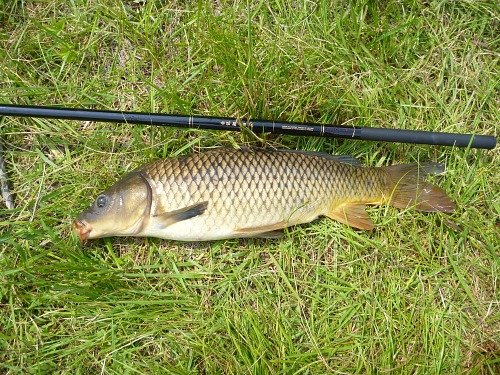
Examples: Catfish, carp, and some bass become more active after sunset. Saltwater species like snook and tarpon often move into shallow flats under moonlight. Night fishing can be the best way to target larger, wary fish.

Key differences in fish behavior: why time matters
Day vs night fishing depends on how fish sense the world. Light, temperature, and prey movement all change with time. In short:
- Light changes how fish see—visual hunters rely on light, while others use smell and vibration.
- Water cools or warms, changing metabolism and feeding windows.
- Prey species hide or move, creating ambush chances at night.
Understanding these differences makes you a better angler. Use them to match baits, depth, and retrieval speed to the hour.

Gear and techniques for day vs night fishing
Day vs night fishing requires different gear and tactics. Choose gear to match visibility, target species, and safety needs.
Day fishing gear and tips:
- Use bright colored lures or natural patterns.
- Light, clear leader materials for sight-feeding fish.
- Polarized sunglasses to cut glare and spot fish.
- Work shallow structure with topwater or shallow crankbaits.
Night fishing gear and tips:
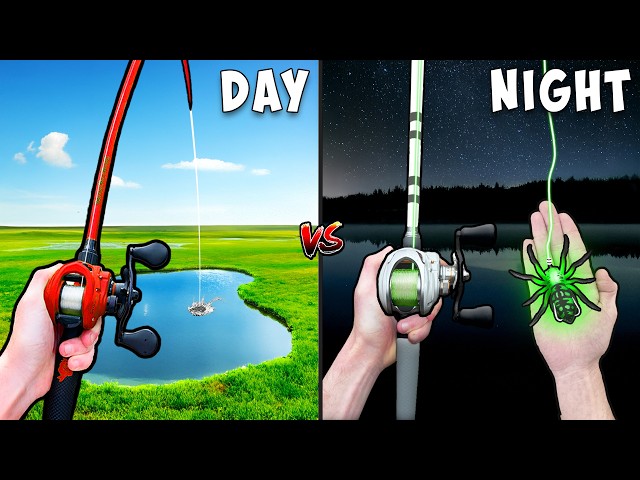
- Use glow, sound, or scent to attract fish—glow sticks, rattling lures, or scented baits work well.
- Bring reliable lights: headlamp, lantern, and backup.
- Use heavier line or wire leaders for toothy or abrasive fish.
- Slow retrieves and pause patterns often trigger nocturnal strikes.
General safety and prep:
- Check batteries and spare lights for night trips.
- Mark your boat or shore spot with visible lights.
- Keep a whistle, VHF, or phone in a waterproof case.

Source: youtube.com
Best species and scenarios for day vs night fishing
Knowing which species favor day versus night helps you plan. Below are common targets and when they are most active.
Species that favor day fishing:
- Trout in clear streams and cold lakes.
- Panfish and sunfish near structure on sunny days.
- Largemouth bass in early morning and late afternoon during spring and fall.
Species that favor night fishing:
- Catfish and carp feeding actively at night.
- Snook, redfish, and tarpon that hunt shallow flats at night in saltwater.
- Walleye that move into shallow water after dark.
Scenario examples:
- Summer heat: choose night fishing to avoid heat and catch cooled-water feeders.
- Spring spawn: day fishing often targets shallow feeding and nesting fish.

Source: henry-gilbey.com
Safety, regulations, and environmental concerns
Day vs night fishing also means different risks and rules. Be mindful of safety and local laws.
Safety basics:
- Wear a life jacket in a boat at all times, day or night.
- Have navigation lights and learn local buoyage for night trips.
- Tell someone where you’ll fish and when you’ll return.
Regulations and conservation:
- Check night fishing rules—some areas restrict night fishing or gear types.
- Respect seasonal closures, size limits, and catch quotas.
- Avoid bright lights that can harm wildlife or disorient other anglers.
Environmental notes:
- Minimize noise and light pollution, especially near nesting or spawning sites.
- Use barbless hooks and proper handling to release fish safely.
Source: youtube.com
Personal experience and lessons learned
Over years of day vs night fishing, I learned what works and what doesn’t. I once chased a big bass at dusk for three nights before finding its pattern. That taught me to watch moon phases, tides, and prey movement.
Top lessons:
- Start with simple setups and adapt after a few casts.
- Bring extra lights and batteries for night trips.
- Respect local rules—one ticket can ruin a great night.
- Practice landing fish in low light before targeting trophy species.
Mistakes to avoid:
- Don’t assume the same lure works at night and day.
- Never skip safety checks before night launches.
- Avoid noisy approaches that spook nocturnal feeders.

Source: com.sg
People also ask
Does night fishing catch bigger fish?
Yes. Many larger fish feed at night when pressure is lower, making night fishing a good bet for trophy catches.
Is night fishing more dangerous than day fishing?
It can be, mainly due to reduced visibility and navigation hazards, but proper lights, safety gear, and planning cut the risk significantly.
What time is best for fishing: dawn or dusk?
Both dawn and dusk are prime feeding windows because light levels change and many species move to feed near shorelines. Pick the time that fits your target species and local conditions.
Frequently Asked Questions of day vs night fishing
What are the main advantages of night fishing?
Night fishing reduces angler pressure and can trigger active feeding in many predators. Cooler temperatures and moving prey often lead to bigger strikes.
Can you use the same lures at night and day?
Not always. Bright or natural-colored lures work in daylight, while glow, noisy, or scented lures often perform better at night.
Is night fishing legal everywhere?
No. Some regions restrict night fishing or certain lights and gear. Always check local regulations before you go.
How does moon phase affect night fishing?
Moonlight affects visibility and prey behavior. Full and new moons change tidal flow and feeding patterns, so track moon phases for better results.
What safety gear is essential for night fishing?
Bring navigation lights, headlamp, life jacket, whistle, and a charged phone or VHF radio. Also carry spare batteries and a first-aid kit.
How do I find fish at night without sonar?
Listen for surface breaks, watch for baitfish or birds at dusk, and use spotlights to check structure and shallow flats. Slow presentations often entice strikes.
Are some species only active at night?
Some are primarily nocturnal, like carp and many catfish, but few species are strictly night-only; they adjust based on food and pressure.
How do tides impact day vs night fishing in saltwater?
Tides drive prey movement. Night slack or incoming tides can concentrate bait and predators on flats and edges, making them prime times to fish.
Can beginners try night fishing?
Yes, but start with a guided trip or fish from shore. Learn basic safety, practice knot-tying with a headlamp, and bring a friend.
How often should I change tactics between day and night?
Be ready to change quickly. If your daytime setup fails at dusk, switch to slower retrieves, glow lures, or bait rigs to match nocturnal feeding.
Conclusion
Day vs night fishing each has clear strengths. Day fishing offers comfort, visibility, and steady action, while night fishing can bring bigger bites and less pressure. Use this guide to pick the right time, gear, and safety steps for your local water and target species. Try both approaches, keep notes, and refine your plan with each trip. Ready to test a night session or sharpen your daytime game? Share your results, subscribe for more tips, or leave a comment with your best day vs night fishing story.