Hook vs jig fishing: jigs give life and action, hooks offer simplicity and steady presentation.
I have fished rivers, lakes, and salt flats for two decades. I know when a jig outshines a plain hook and when a simple hook is the smarter choice. This guide on hook vs jig fishing breaks down gear, technique, and real-world tips. Read on to learn which method fits your spot, fish, and mood.

Understanding the difference: Hook vs jig fishing
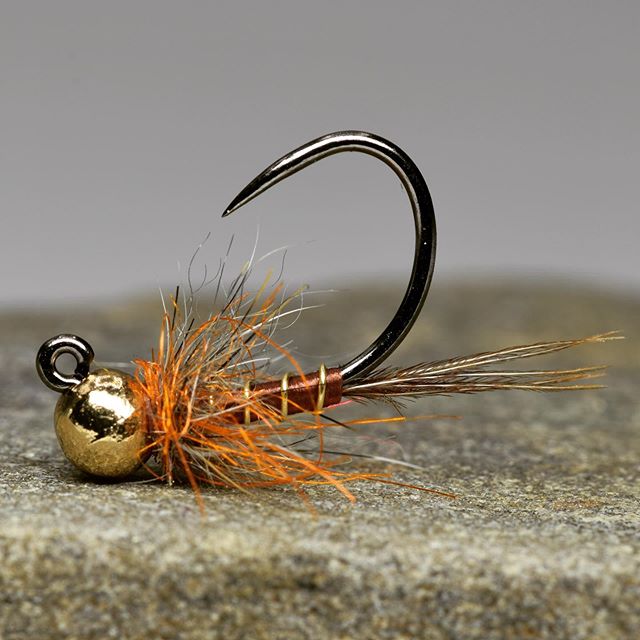
Hook vs jig fishing compares two basic ways to present bait or lures. A hook is a single sharp point tied to line, sometimes with live bait, soft plastics, or flies. A jig combines a weighted head with a hook and is designed to move through water with action.
The main difference is presentation. Hooks give steady, natural drift or simple bite detection. Jigs add weight and motion, which trigger strikes from curious or lazy fish. Knowing this helps you pick the right tool for the spot and species.

Anatomy and gear: what sets a jig apart from a hook
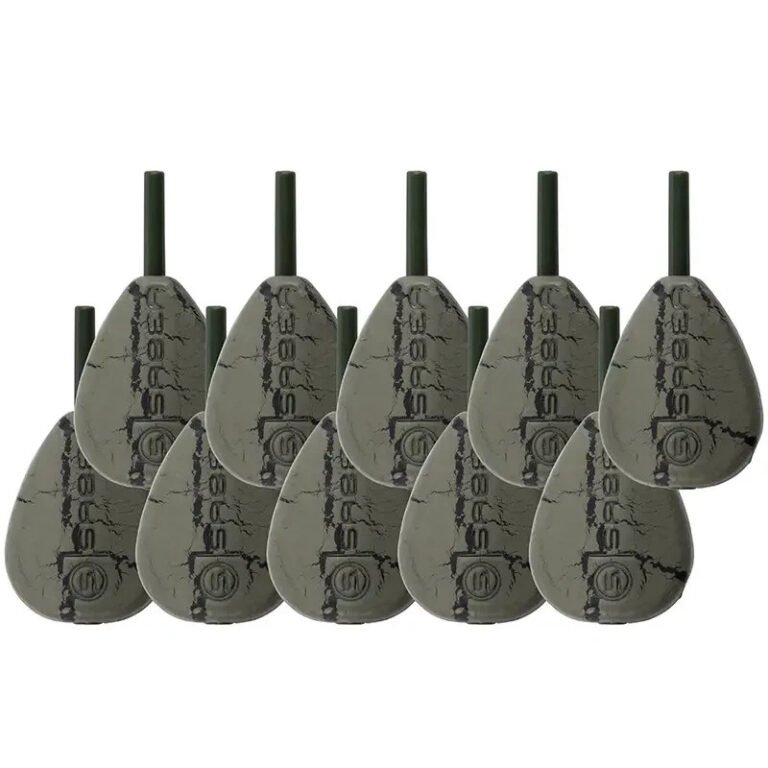
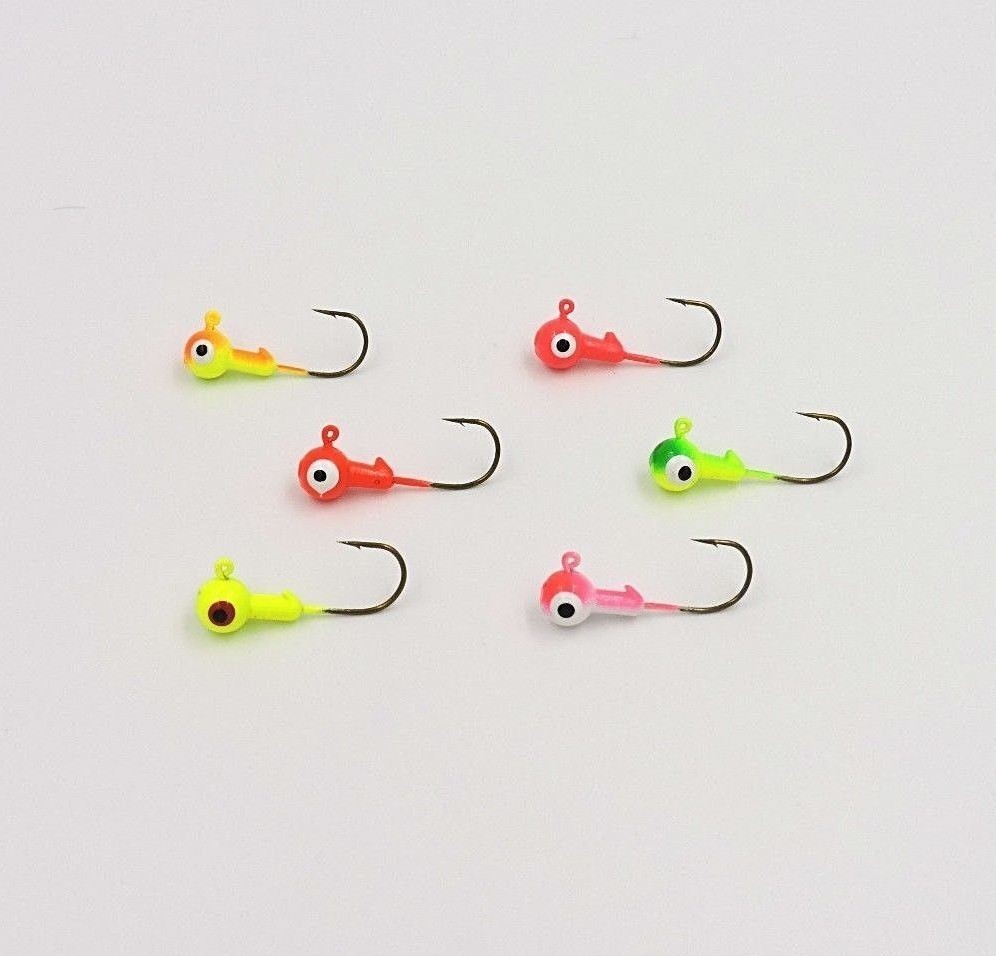
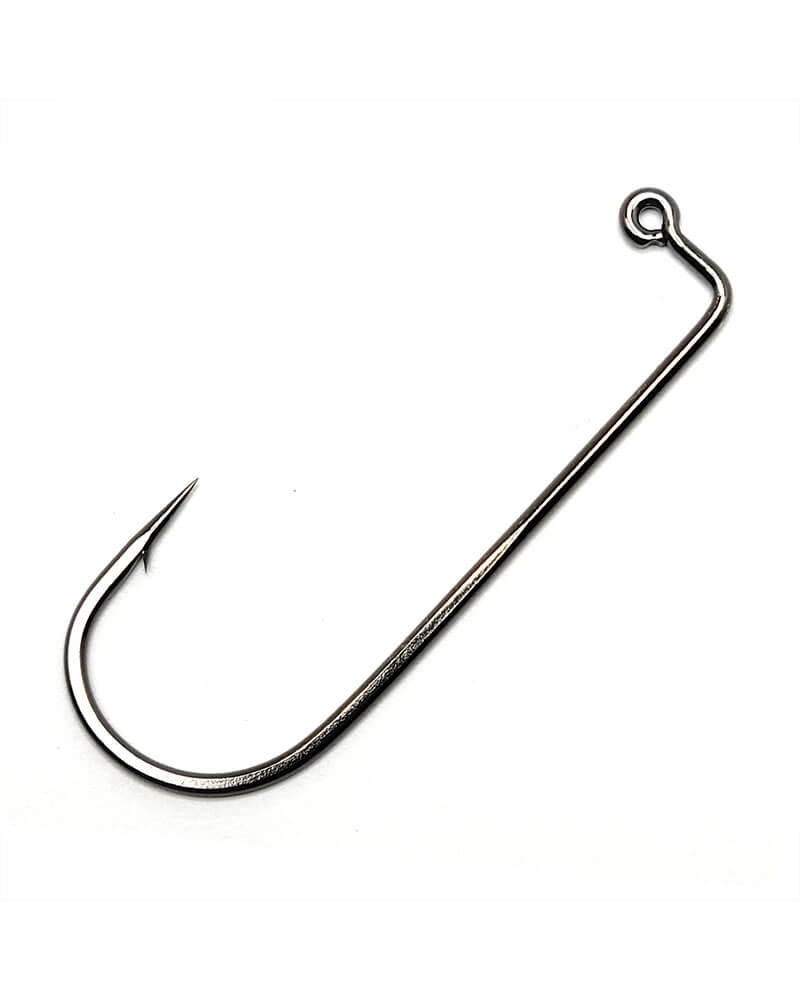
Jig parts are simple to learn. They include a head, hook, and often a skirt, feather, or soft plastic. Heads vary in shape and weight. Hook styles differ by gape, shank length, and point angle.
Hook-only rigs can include:
- Circle hooks for catch-and-release
- Live-bait hooks for natural presentation
- Offset worm hooks for soft plastics
Jigs vary by:
- Head shape, such as round, football, or flat
- Weight, from tiny ice jigs to heavy bucktails
- Dressing, including skirts, plastics, hair, and feathers
Compare gear choices when planning a trip. Use light hooks and tiny jigs for panfish. Use heavier jigs or strong hooks for deep or fast-current water. My own tackle box always has a range of jigs and hooks ready for last-minute changes.
Techniques and presentation: how to fish each option
Hooks excel when you want a natural drift or free bait. Rig a hook with a bobber, slip sinker, or plain line. Let current or wind move the bait. This approach works well for trout, catfish, and bait-oriented species.
Jigs require more action. Cast and let the jig sink. Use short hops, lifts, or twitches to mimic fleeing prey. Try steady reels with pauses too. Jigs work great when fish are keying on movement or hiding near structure.
Practical steps:
- With a hook, watch for slow bites and feel for weight changes.
- With a jig, watch rod tip snaps and set the hook quickly after a hit.
- Match jig weight to depth and current to keep control.

Where each method shines: environments and species
Knowing habitat helps you choose between hook vs jig fishing. Use hooks when:
- Water is clear and fish want real bait
- You fish open water drifting bait
- Targeting species that prefer stationary food
Use jigs when:
- Fish are near the bottom or cover
- You need to reach depth quickly
- Predatory fish react to movement
Species fit:
- Panfish, crappie, and trout often take small jigs or hooks with maggots
- Bass and walleye hit medium jigs in structure
- Saltwater species hit heavy jigs for vertical drops
From rocky shorelines to deep-water humps, I choose gear by reading water and fish behavior. One spring morning I switched from baited hooks to a small finesse jig and caught double the bass in an hour.

Pros and cons: a clear comparison of hook vs jig fishing
Pros of using hooks:
- Simple to rig and repair
- Natural bait presentation works well in many spots
- Great for beginners
Cons of hooks:
- Less action to trigger finicky predators
- Harder to control depth precisely in current
Pros of jigs:
- Add weight and action for active strikes
- Versatile for vertical and horizontal fishing
- Easy to fish near cover and structure
Cons of jigs:
- Require better technique to work well
- Can tangle or get snagged on structure
Think of hooks as a steady conversation. Think of jigs as a flashy invitation. Use each when it best fits the mood of the fish.

Rigging, knots, and materials: setup tips
Good rigs save fish and gear. Use strong knots like the improved clinch or Palomar. Match line type to action. Fluorocarbon sinks fast and hides near the hook. Braided line gives sensitivity for jig fishing.
Rigging tips:
- Tie jigs directly to line for the best action
- Use a leader with hooks when fish are line-shy
- Balance hook size and bait weight for clean presentation
From my years on boats, I learned to re-tie knots often. A fresh knot stops lost fish and gear failures. Small habits save long trips.
Common mistakes and how to avoid them
Many anglers misuse hook vs jig fishing by sticking to one method. Fish change mood. Water and weather shift. Adapt quickly.
Typical errors:
- Using a heavy jig when the fish want light movement
- Overloading a hook with too much bait
- Waiting too long to switch techniques
Fixes I use:
- Carry a range of jigs and hooks
- Change presentation every 15–30 minutes if no bites
- Observe other anglers and follow what works

Personal experience: lessons learned on the water
I once lost a big bass because I picked a large hook for a shallow rock patch. I switched to a small jig and caught three in the same hole. The lesson: match size and action to the setting.
Another time in winter, fish were lethargic. A tiny hair jig produced bites while live bait did not. I learned to slow down and add subtle movement.
These moments shaped my approach to hook vs jig fishing. I now start with a balanced setup and tweak based on how fish respond.
Advanced tactics and seasonal advice
Spring and fall favor active jigs in shallow to mid depths. Summer often needs deeper jigs or steady baited hooks. Winter calls for tiny jigs and slower action.
Advanced tactics:
- Use slow-rolling jigs near bottom for late-season fish
- Fish weighted hooks with slip sinkers in current
- Try vertical jigging over humps for deep predatory bites
Adapt season to technique. Small changes in speed or weight can change results fast.
Frequently Asked Questions of hook vs jig fishing
What is the main advantage of jig fishing over hook-only rigs?
Jig fishing adds weight and action that attract predatory fish. Jigs reach depth faster and allow precise control near structure.
When should I switch from a hook to a jig?
Switch when bites are light or fish ignore natural bait. Also switch if fish hide near structure or if you need to change depth quickly.
Can beginners use jigs effectively?
Yes. Beginners can use simple jig styles and basic lifts. Start with light jigs and practice a few motions to learn feel and timing.
Do jigs work for all freshwater species?
Jigs work for many freshwater species, especially bass, walleye, and panfish. Effectiveness depends on size, color, and action matching local prey.
How do I choose weight for a jig or hook rig?
Match weight to depth and current. Use light weights in calm shallow water and heavier jigs in deep or fast water. Adjust until you feel the bottom or control the fall.
Conclusion
Choosing between hook vs jig fishing comes down to water, species, and what the fish want. Hooks offer natural, simple presentation. Jigs add weight and action to provoke strikes. Test both quickly and keep gear flexible.
Try one change next trip. Swap a hook for a small jig or vice versa and note the difference. Share your results or ask a question below to keep learning.