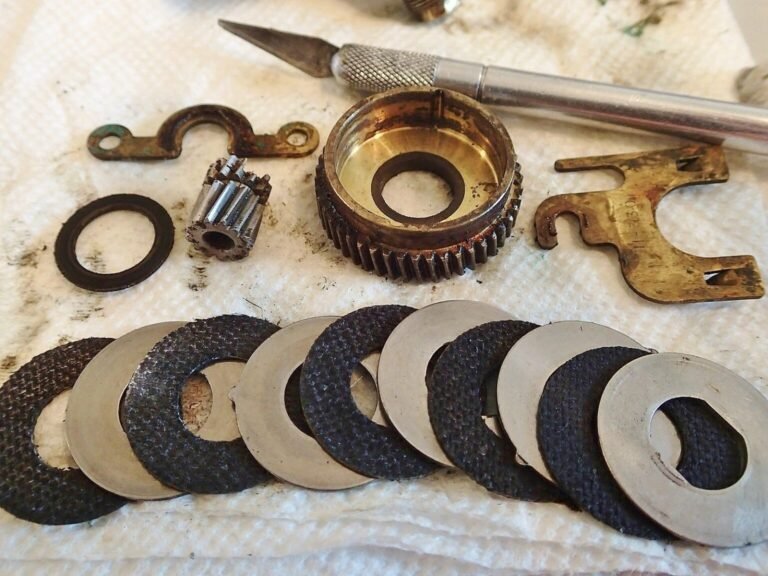
Fishing tackle box rust problems how to prevent is a common concern for anglers across the United States. A small amount of water left inside a box can damage hooks, lures, pliers, and other gear over time.
After years of handling fishing equipment, one lesson stands out: rust prevention is easier than rust repair. Anglers who clean and dry their tackle after each trip usually spend less money replacing damaged gear.
Why Fishing Tackle Box Rust Problems Happen
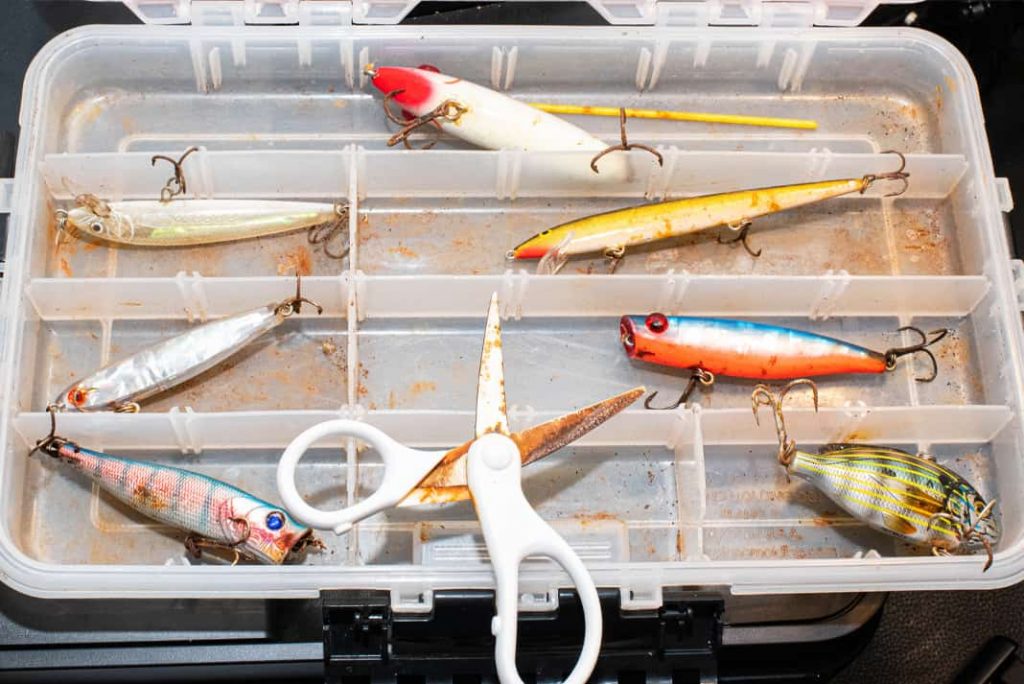
Understanding fishing tackle box rust problems how to prevent starts with knowing what causes rust. Rust forms when metal reacts with oxygen and moisture. Saltwater makes the process much faster because salt helps corrosion spread.
Many anglers place wet lures and hooks directly back into their tackle box after fishing. This traps water inside small compartments and creates the perfect place for rust to grow.
- ✦ Wet fishing gear
Water left on hooks, swivels, and tools can create rust spots within a short time.
- ✦ Salt exposure
Saltwater residue can attack metal parts and speed up corrosion.
- ✦ Poor ventilation
Closed boxes with trapped humidity keep moisture near your tackle.
How weather affects tackle storage
Hot and humid conditions increase moisture inside a tackle box. This is especially important for anglers fishing coastal areas, lakes, and rivers during warm months.
- ✦ Humidity control
Use dry storage areas and moisture absorbers to reduce damp conditions.
Clean and Dry Your Tackle Box After Every Fishing Trip
The best answer to fishing tackle box rust problems how to prevent is a simple cleaning routine. Do not store wet gear and expect the box to protect it.
After fishing, remove lures, hooks, and tools from the box. Rinse saltwater gear with fresh water, dry everything fully, and return items only when they are moisture-free.

- ✦ Freshwater rinse
Remove salt and dirt from gear before placing items back into storage.
- ✦ Complete drying
Let tackle air dry before closing the box.
A simple post-fishing routine
Experienced anglers often spend a few extra minutes cleaning gear because it prevents larger problems later. A dry tackle box is one of the easiest ways to protect expensive fishing equipment.
- ✦ Inspect gear
Check hooks, split rings, and tools for early rust signs.
Use Rust Prevention Products Inside Your Tackle Box
Fishing tackle box rust problems how to prevent can often be solved with simple protective products. Rust inhibitors help create a barrier between metal surfaces and moisture.
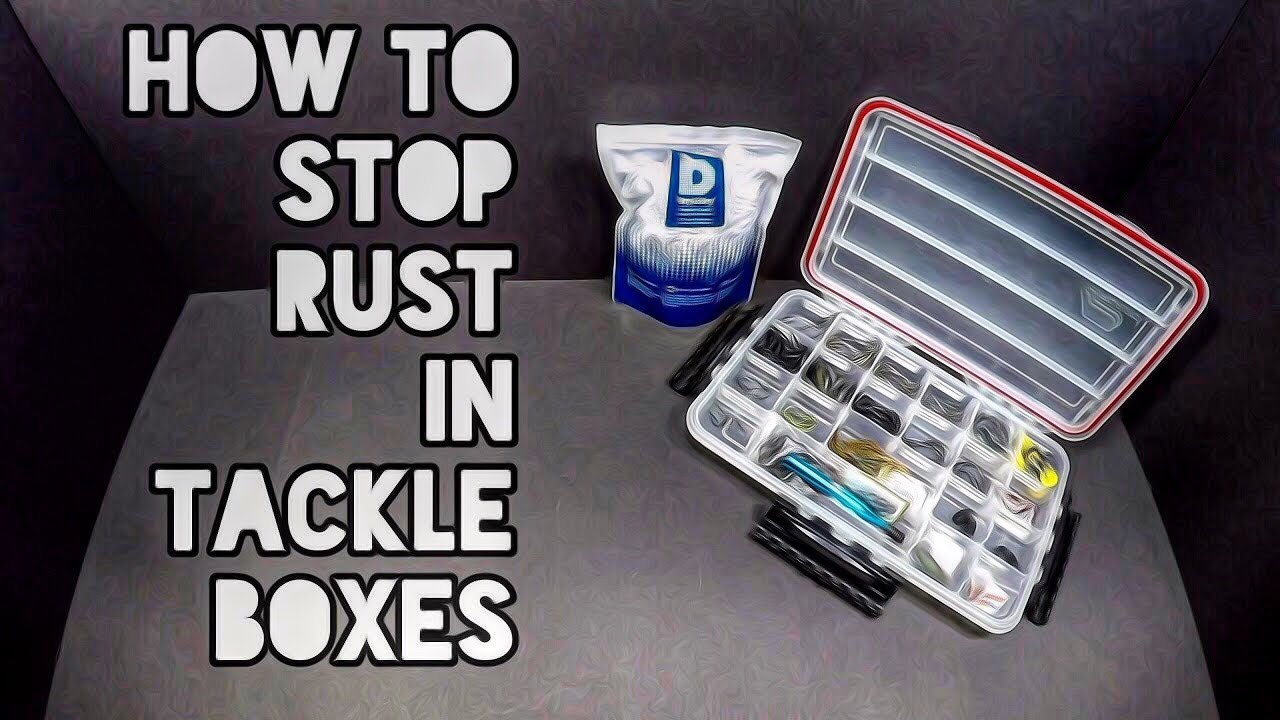
Common options include corrosion-resistant storage tabs, moisture absorbers, and protective sprays made for fishing equipment. Choose products that are safe for your type of gear.

- ✦ Desiccant packs
Small moisture absorbers help reduce humidity inside closed tackle boxes.
- ✦ Rust protection sheets
These products release protective compounds that slow corrosion.
- ✦ Gear-safe sprays
Light protective coatings can help preserve metal tools and accessories.
Choose the Right Tackle Box Design to Reduce Rust
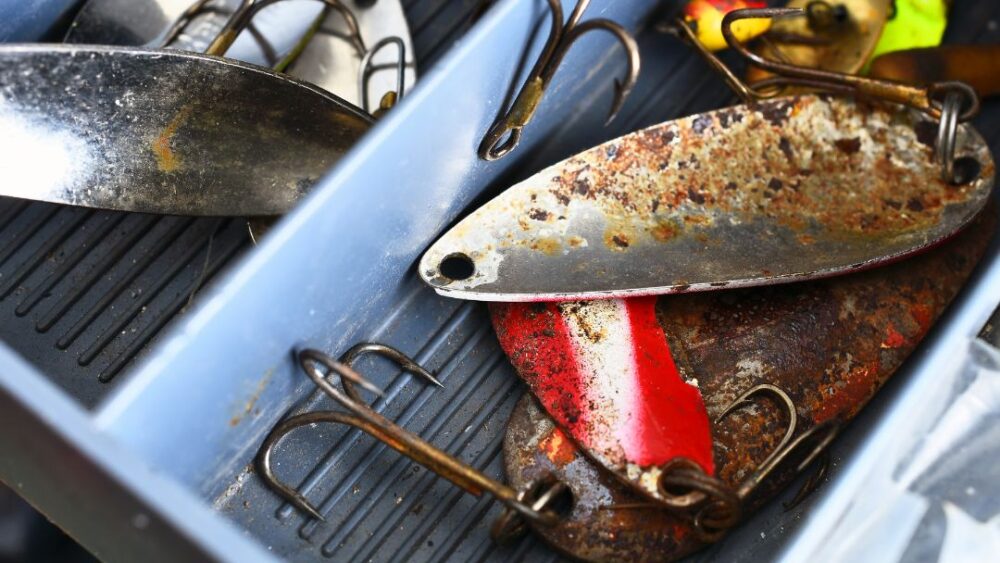
The design of your tackle box affects how well it controls moisture. A quality box with strong seals, removable trays, and good airflow can reduce corrosion risk.
Plastic tackle boxes are popular because they resist rust better than metal boxes. However, plastic boxes can still trap water, so proper drying remains important.
- ✦ Removable compartments
Separate trays make cleaning and drying easier.
- ✦ Water-resistant features
Better seals help keep outside moisture away from your gear.
Organizing tackle for better protection
Avoid overcrowding compartments. When hooks and lures touch constantly, moisture and corrosion can spread more easily.
- ✦ Separate wet items
Keep recently used gear away from dry tackle until it is cleaned.
How to Store Your Fishing Tackle Between Seasons
Seasonal storage is a major part of fishing tackle box rust problems how to prevent. Many anglers lose gear during the off-season because they store equipment while it is still damp.
Before long-term storage, clean every item, remove old debris, and place the tackle box in a cool, dry location. Check the box occasionally during long storage periods.

- ✦ Deep cleaning
Remove dirt, salt residue, and damaged items before storage.
- ✦ Dry location
Avoid garages or sheds with high moisture when possible.
Frequently Asked Questions about fishing tackle box rust problems how to prevent

fishingscouty
Contributor