Many anglers notice a problem when their rod no longer feels the light taps, bottom changes, or subtle bites they once detected. The issue is often not a broken rod. Small problems with the guides, reel seat, line, or rod connections can reduce how well vibrations travel to your hand.
When researching fishing rod losing sensitivity causes and fixes, I have found that most cases come from simple maintenance mistakes. A clean, properly balanced rod can feel much better without needing an expensive replacement. This guide explains what causes sensitivity loss and how to fix it.

What Causes a Fishing Rod to Lose Sensitivity?
Rod sensitivity depends on how quickly vibrations move from the lure or fish to your hand. A high-quality blank, tight connections, clean guides, and the right line all help transfer those signals.
The most common fishing rod losing sensitivity causes and fixes involve physical damage, poor maintenance, and incorrect gear combinations. Finding the exact cause makes the repair much easier.

- ✦ Damaged rod blank
Small cracks or stress damage in the blank can reduce vibration transfer and make the rod feel dull.
- ✦ Dirty or damaged guides
Guide damage can interrupt line movement and reduce the natural feel of bites.
- ✦ Loose rod connections
Loose ferrules or joints can absorb vibrations before they reach your hand.
- ✦ Wrong line setup
Stretchy line types may hide small bites and make a sensitive rod feel less responsive.
How Rod Sensitivity Works
A fishing rod acts like a vibration pathway. When a fish touches your lure, the movement travels through the line, guides, blank, and handle before reaching your hand.
Any weak point in that pathway can reduce feedback. This is why even a premium rod can feel less sensitive when parts become loose or damaged.
Check the Rod Blank for Damage and Weak Spots
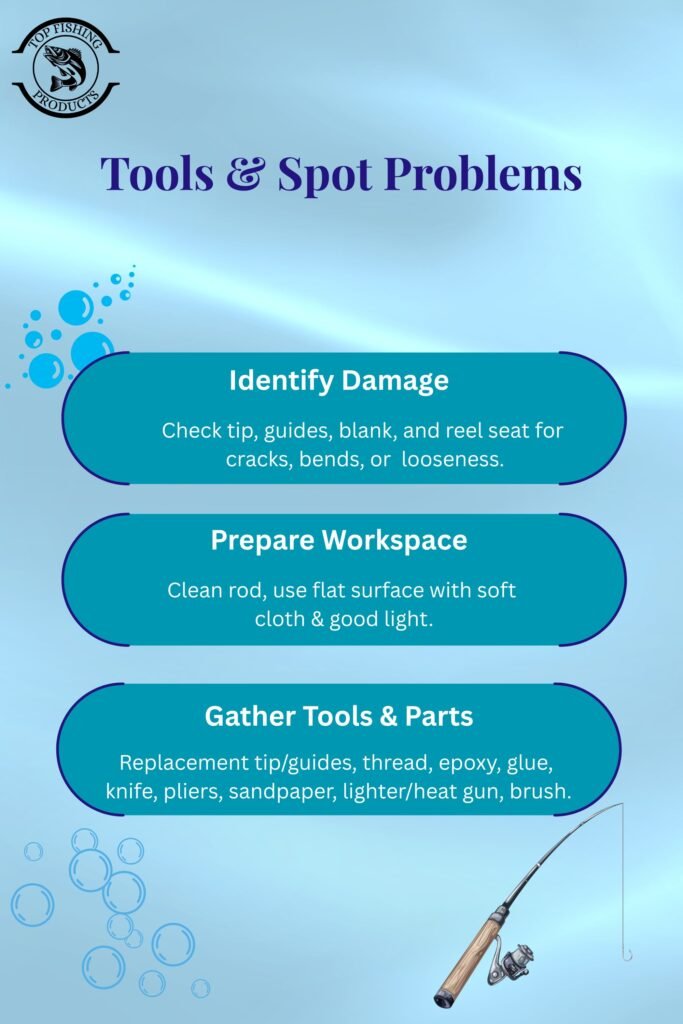
The blank is the main body of the fishing rod, and damage here can greatly affect sensitivity. Even a small impact from dropping the rod or hitting it against a boat can create weak areas.
Run your fingers along the blank and inspect it under bright light. Look for cracks, deep scratches, unusual bends, or areas that feel different from the rest of the rod.
- ✦ Inspect after impacts
Always check your rod after it falls or hits hard surfaces because hidden damage can develop over time.
- ✦ Avoid overloaded rods
Using lures or weights above the rod rating can stress the blank and reduce performance.
Can a Damaged Blank Be Fixed?
Minor surface issues may not affect performance, but deep cracks usually require professional repair or replacement. A damaged blank can become unsafe during a strong hook set.
Clean and Repair Fishing Rod Guides
Rod guides play a major role in transferring movement from the line to the blank. Dirt, corrosion, cracks, or loose guide wraps can reduce sensitivity.
Many anglers focus on the reel and line but forget the guides. A quick guide inspection is one of the easiest fishing rod losing sensitivity causes and fixes steps.

- ✦ Clean guides regularly
Use fresh water and a soft cloth to remove salt, dirt, and debris after fishing trips.
- ✦ Check guide rings
Run a cotton swab through each guide. If fibers catch, the guide may have a crack.
- ✦ Replace damaged guides
A damaged insert can damage line and reduce smooth vibration transfer.
Fix Loose Ferrules and Rod Connections
Multi-piece rods depend on tight connections between sections. If the joints become loose, they absorb energy and make the rod feel less alive.
A loose ferrule is one of the easiest issues to fix. Clean the connection points, check alignment, and make sure each section fits firmly.
- ✦ Clean ferrules
Remove dirt and moisture because buildup can prevent proper contact.
- ✦ Avoid forcing connections
Push sections together firmly but avoid twisting with too much pressure.
Signs of Loose Rod Sections
Common signs include clicking sounds, unusual movement between sections, and a softer feel when working a lure. Tightening the connection often restores sensitivity.
Improve Line, Reel, and Setup Problems
Sometimes the rod is not the problem. The line and reel setup can change how much feedback reaches your hand. A sensitive rod with the wrong setup may still feel weak.
Braided line usually transfers vibration well because it has little stretch. Monofilament has more stretch, which can reduce the feeling of light bites.

- ✦ Match line type to fishing style
Choose braid, fluorocarbon, or monofilament based on the species, water, and technique.
- ✦ Balance the reel and rod
A poorly balanced setup can create fatigue and make it harder to notice small movements.
- ✦ Check reel seat tightness
A loose reel seat can interrupt the connection between your hand and the rod.
Prevent Fishing Rod Sensitivity Loss With Proper Maintenance
Prevention is the best solution when dealing with fishing rod losing sensitivity causes and fixes. A few minutes of care after each trip can protect your equipment.
Saltwater anglers in the United States should pay extra attention because salt buildup can quickly damage guides, reel seats, and connections.

- ✦ Rinse after saltwater use
Wash the rod with fresh water after every saltwater trip.
- ✦ Store correctly
Keep rods away from extreme heat, moisture, and heavy pressure.
- ✦ Inspect often
Regular checks help find small problems before they affect performance.
Frequently Asked Questions about fishing rod losing sensitivity causes and fixes

fishingscouty
Contributor