Understanding what do fish finder depth readings mean is one of the first skills every sonar user should learn. The number on your screen is not just a depth measurement. It tells you where your boat sits in the water column and helps you understand the underwater world below.
Many anglers in the United States use fish finders on bass boats, fishing kayaks, and offshore vessels. After years of reading sonar screens, experienced anglers learn that depth readings are the foundation for finding drop-offs, ledges, channels, and productive fishing areas.

Understanding what fish finder depth readings display
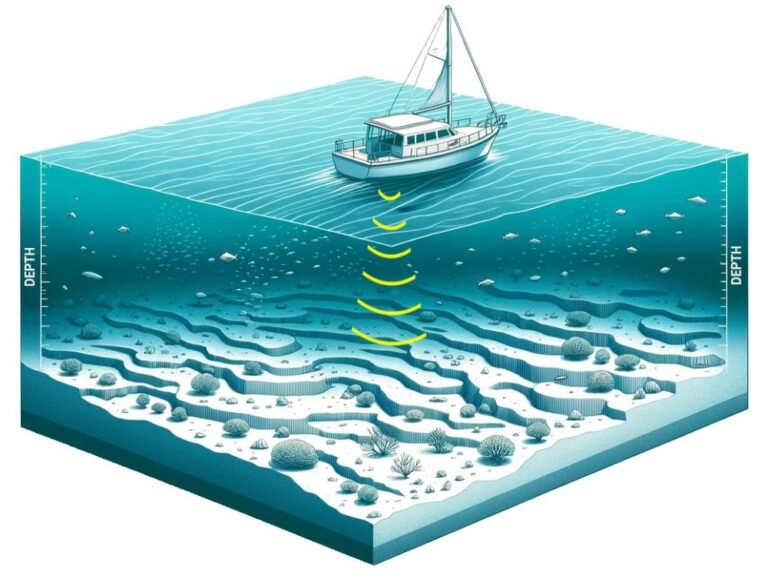
When asking what do fish finder depth readings mean, the simple answer is that they show the measured distance between your transducer and the bottom. The transducer sends sound waves into the water and measures how long the echo takes to return.
Most modern fish finders display depth in feet or meters. In the United States, feet are the most common setting. The reading usually changes as your boat moves across different water areas.
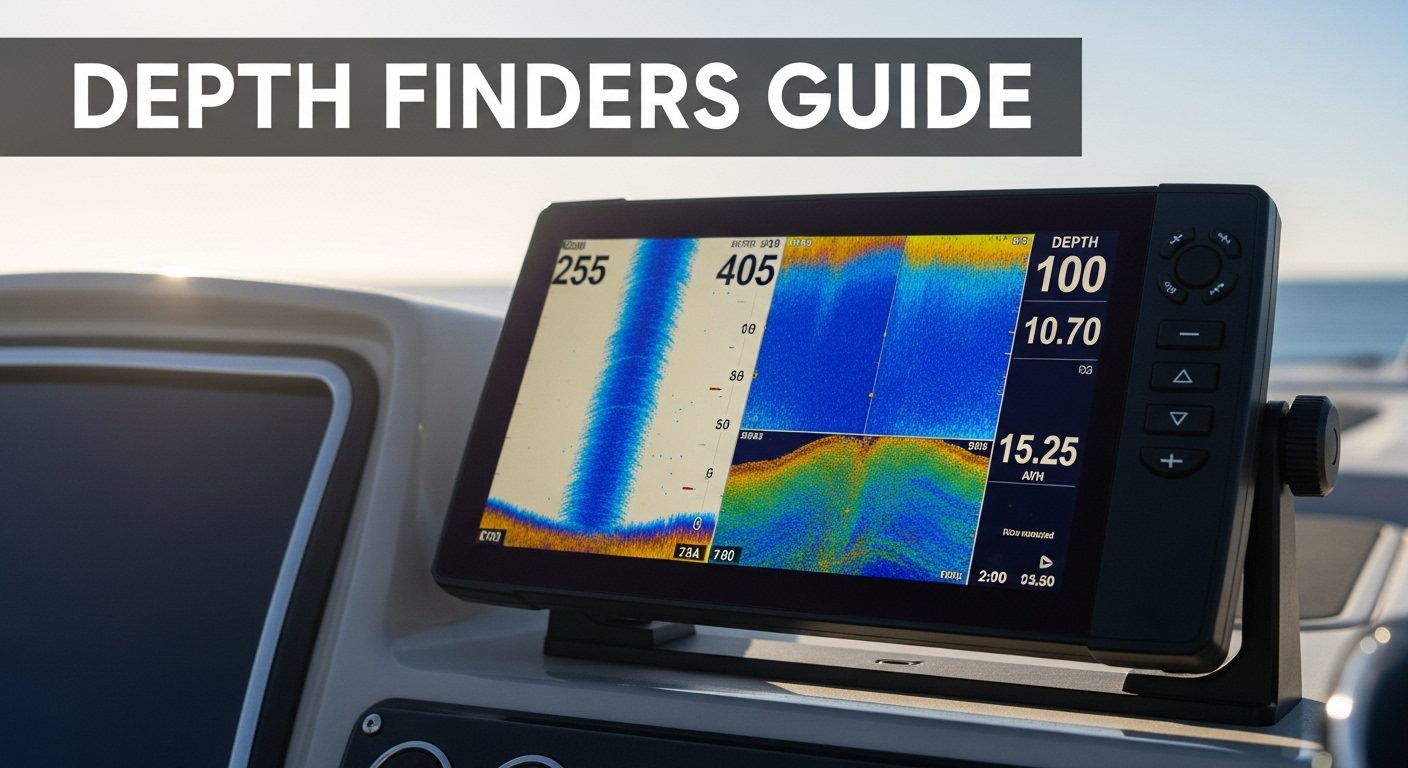
- ✦ Depth number
Shows the distance from the transducer location to the lake, river, or ocean floor.
- ✦ Bottom return
Shows the sonar signal reflected from the bottom surface.
- ✦ Water column
Shows the space between your boat and the bottom where fish may appear.
Why depth readings matter to anglers
Depth information helps anglers choose the right lure, presentation, and fishing location. A bass holding near a deep ledge requires a different approach than a fish sitting in shallow grass.
- ✦ Find fish habitat
Depth changes often attract fish because they create feeding and hiding areas.
How a fish finder measures water depth
A fish finder uses sonar technology to calculate depth. The transducer sends a sound pulse downward, and the unit measures the return time of the echo.
The faster the echo returns, the shallower the water. A longer return time means the bottom is deeper below the boat.

- ✦ Sonar pulse
A sound wave travels through the water toward the bottom.
- ✦ Echo return
The transducer receives the reflected signal and calculates distance.
How to read depth numbers on a fish finder screen
Reading depth numbers becomes easier when you understand the screen layout. The large number usually represents the current depth directly below the transducer.
A changing depth number can reveal underwater features. For example, moving from 15 feet to 40 feet quickly may indicate a drop-off or channel edge.

- ✦ Stable depth
A steady number often means you are traveling over a consistent bottom area.
- ✦ Rapid depth change
A quick change may reveal slopes, holes, or underwater structure.
Depth readings versus fish icons
Fish icons are software interpretations and should not replace learning raw sonar signals. Depth readings provide the reliable base information needed to understand the screen.
Factors that can affect fish finder depth accuracy
Although fish finders are powerful tools, depth readings can change because of installation issues, settings, or environmental conditions. Learning these limits helps prevent mistakes on the water.
A poorly mounted transducer can create weak signals or incorrect readings, especially at higher boat speeds.

- ✦ Transducer position
The transducer should have a clear path into the water for accurate sonar returns.
- ✦ Water conditions
Turbulence, bubbles, and debris can interfere with sonar signals.
- ✦ Sonar settings
Incorrect frequency, sensitivity, or depth range settings can reduce clarity.
Using depth readings to find better fishing locations
Knowing what do fish finder depth readings mean allows anglers to turn sonar data into fishing decisions. Depth alone does not guarantee fish, but it helps identify areas where fish often gather.
Many experienced anglers search for depth changes because transitions between shallow and deep water often create feeding opportunities.

- ✦ Drop-offs
Steep depth changes can provide travel routes and holding areas for fish.
- ✦ Ledges
Edges between different depths can attract predators and baitfish.
- ✦ Deep holes
Deeper areas may provide cooler water and shelter during certain seasons.
Common mistakes when interpreting depth readings
New sonar users often focus only on the depth number and ignore the rest of the screen. The bottom shape, hardness, and nearby signals also provide important clues.
Another common mistake is assuming a fish finder always shows the exact depth under the entire boat. The reading comes from the transducer location, which may be at the stern or another mounting point.
- ✦ Ignoring transducer location
Remember that the depth reading represents the area directly below the sensor.
- ✦ Relying only on automatic fish symbols
Learning sonar interpretation gives more useful information than icons alone.