Understanding how predators follow baitfish is one of the most useful skills for anglers in the United States. Whether fishing for bass in a Midwest lake, striped bass along the coast, or tuna offshore, the same basic rule applies: predators go where baitfish go.
Over years of studying fishing patterns, one lesson becomes clear: fish rarely chase random targets. Predatory fish watch baitfish schools, learn their habits, and use small signals to decide when and where to attack. Learning these signals helps anglers read the water instead of simply casting and hoping.

How Predators Detect and Track Baitfish
The first step in understanding how predators follow baitfish is knowing how fish sense their surroundings. Predatory fish do not rely on only one method. They combine several senses to locate prey even when visibility is poor.
A bass, pike, tuna, or other predator may detect a baitfish school through vibrations, water pressure changes, movement patterns, and chemical signals. These clues help predators decide where prey is hiding and when to begin an attack.
- ✦ Lateral line detection
Fish use a special sensory system called the lateral line to feel water movement and vibrations created by swimming baitfish.
- ✦ Vision tracking
Many predators use sharp eyesight to follow baitfish movement, especially in clear water and bright conditions.
- ✦ Scent and chemical signals
Some predators detect natural scents released by injured or stressed baitfish.
Why Baitfish Movement Attracts Predators
Baitfish movement acts like a signal in the underwater world. A calm school moving together may stay safe, but sudden changes often reveal danger or weakness.
When baitfish scatter, turn quickly, or move toward shallow areas, predators recognize these patterns as possible feeding opportunities.
- ✦ Fast movement
Sudden bursts of speed can trigger a predator’s hunting response.
Predator Strategies for Following Baitfish Schools
Predatory fish have different hunting styles, but many use similar strategies when following baitfish. They often stay close enough to strike while avoiding unnecessary energy loss.
Some predators follow baitfish from below, while others push schools toward shallow water, structures, or open areas where escape routes become limited.

- ✦ Shadowing schools
Predators often follow baitfish groups quietly until the right moment for an attack.
- ✦ Using structure
Rock piles, grass beds, docks, reefs, and drop-offs help predators trap moving prey.
- ✦ Creating panic
Some predators rush baitfish schools to separate weaker individuals from the group.
How Different Predators Follow Baitfish
Large-mouth bass often track shad and minnows near cover, while saltwater predators like tarpon and tuna may follow large bait schools across open water.
Each species adapts its hunting method based on body shape, speed, habitat, and available prey.
- ✦ Bass
Bass commonly use cover and sudden strikes when following smaller baitfish.
- ✦ Pike
Pike rely on camouflage and explosive acceleration to catch prey.
How Baitfish Behavior Reveals Predator Location
One of the biggest lessons in how predators follow baitfish is that prey behavior often reveals where predators are nearby. Baitfish are constantly responding to threats, and those reactions create visible clues.
Anglers can watch for surface disturbances, sudden direction changes, tight schools, or birds feeding above the water. These signs often point toward active predator zones.

- ✦ Bait balls
Large groups of baitfish forming tight circles may indicate predator pressure.
- ✦ Jumping baitfish
Baitfish leaving the water often escape from predators attacking below.
- ✦ Sudden silence
A disappearing baitfish school can mean predators pushed them away or consumed them.
Reading Water Like a Predator
Successful anglers learn to think like predators. Instead of searching randomly, they look for areas where baitfish naturally gather.
Temperature changes, currents, vegetation, and underwater structure all influence where baitfish spend time.
- ✦ Find the food source
Predators usually stay close to areas with reliable baitfish populations.
How Current and Environment Affect Predator Tracking
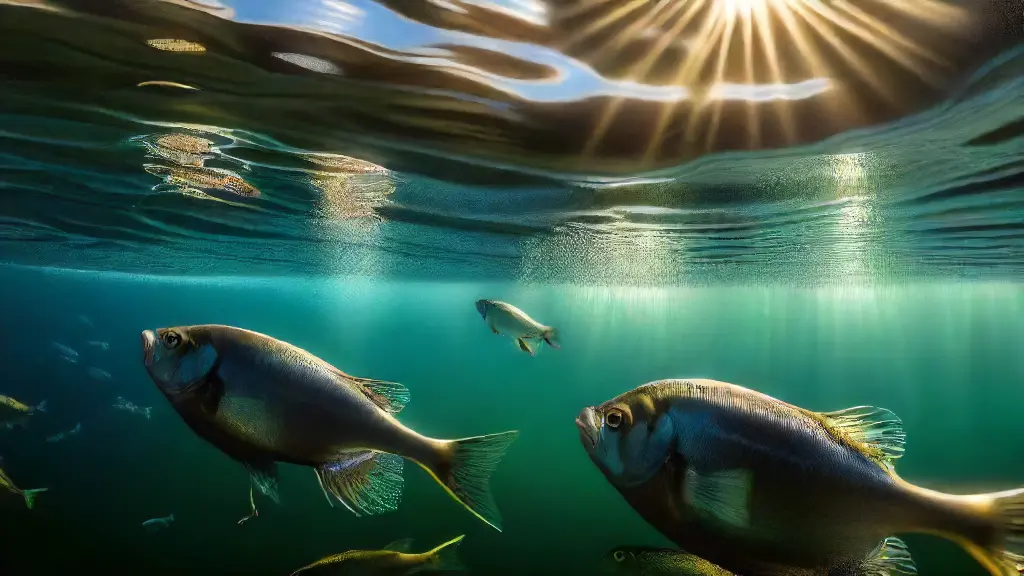
Current plays a major role in how predators follow baitfish. Moving water carries scent, sound, and small vibrations that help fish locate feeding opportunities.
In rivers, predators often position themselves behind rocks or along current breaks where tired baitfish pass by. In oceans, currents can gather bait into large feeding zones.
- ✦ Current breaks
Areas where fast and slow water meet often become hunting zones.
- ✦ Temperature changes
Baitfish movement changes with water temperature, affecting predator locations.
Seasonal Changes in Predator Behavior
During spring and fall, baitfish often move more, causing predators to adjust their hunting patterns. These seasonal movements create opportunities for anglers who understand the food chain.
In summer and winter, predators may follow baitfish into deeper or more stable areas where conditions are better.
- ✦ Spring feeding
Many predators become more active as baitfish populations increase.
How Anglers Can Use Predator and Baitfish Relationships
Knowing how predators follow baitfish can change the way anglers approach every trip. Instead of focusing only on lures, experienced fishermen study prey movement and environmental clues.
Matching lure size, color, and action to local baitfish can make presentations look more natural. The goal is to imitate what predators are already searching for.

- ✦ Match the hatch
Use lures that resemble the size and movement of common local baitfish.
- ✦ Watch activity
Look for signs of feeding before choosing a fishing location.
- ✦ Adjust techniques
Change depth and speed based on predator behavior.
Using Electronics to Find Predator Activity
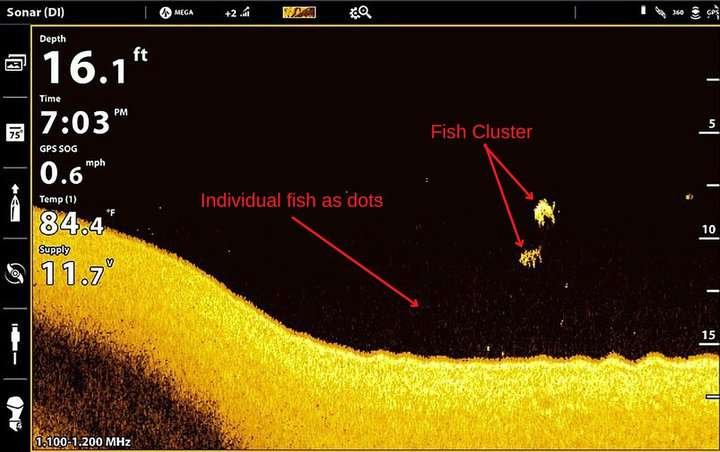
Modern fish finders can help anglers locate baitfish schools and nearby predators. These tools do not replace experience, but they provide valuable information.
Combining technology with knowledge of how predators follow baitfish creates a stronger fishing strategy.
- ✦ Sonar reading
Sonar can reveal bait clusters and fish movement below the surface.
Frequently Asked Questions about how predators follow baitfish

fishingscouty
Contributor