Pick a rod and reel, spool line, thread guides, tie a secure knot, add bait.
I’ve taught many new anglers how to set up a fishing rod for beginners, and this guide walks you through each step with clear, tested advice. You’ll learn simple gear choices, how to spool and thread line, reliable knots, basic rigs, and quick troubleshooting tips so your first setup works when you cast. Read on for practical steps, real-life tips, and common mistakes to avoid so you can fish with confidence.
What you need before you start
Before you learn how to set up a fishing rod for beginners, gather the right gear. Start with a basic spinning rod and matching spinning reel, 6–12 lb monofilament or braided line, a small selection of hooks, sinkers, bobbers, and a pair of pliers. Keep a spool of spare line and a small tackle box with extra swivels and snaps. Simple, reliable gear makes the setup easy and less frustrating for a first-time angler.
Choosing the right rod and reel
Pick gear that matches the fish you want to catch. For most beginners, a 6–7 foot medium-action spinning rod and a size 2500–3000 spinning reel work well for lakes and rivers. Look for a comfortable handle and light feel. A matched rod and reel reduce headaches and make learning how to set up a fishing rod for beginners much smoother.
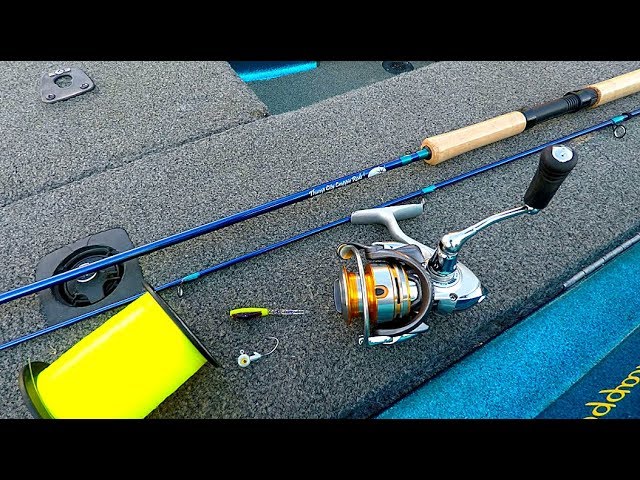
Spooling the reel with line
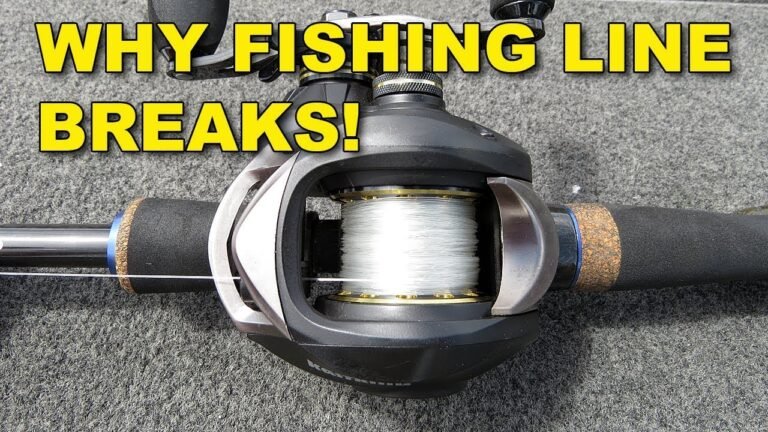
Spooling correctly prevents twists and tangles. Tie the line to the spool with an arbor knot. Hold the line between your fingers to keep tension as you wind. Fill the spool until it is about 1/8 inch from the rim. Too little line reduces casting distance; too much leads to backlashes.

Attaching the reel to the rod
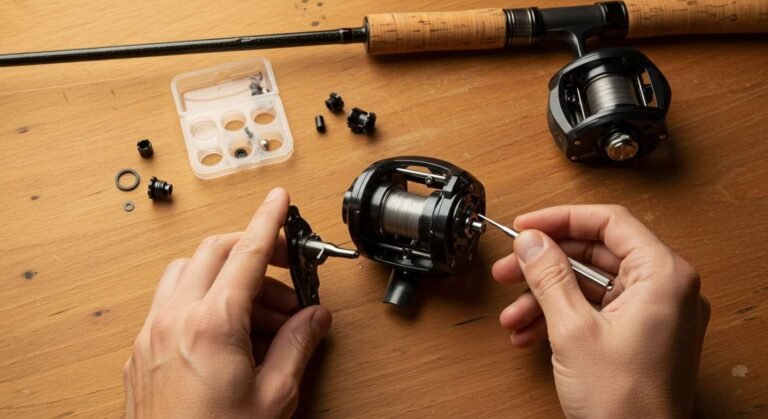
Mount the reel seat snugly under the rod handle. Slide the reel foot into the seat and tighten the locking rings evenly until the reel does not move. Make sure the reel sits straight with the rod guides aligned. A loose reel can twist the rod and affect casting rhythm.

Threading the line through the rod guides
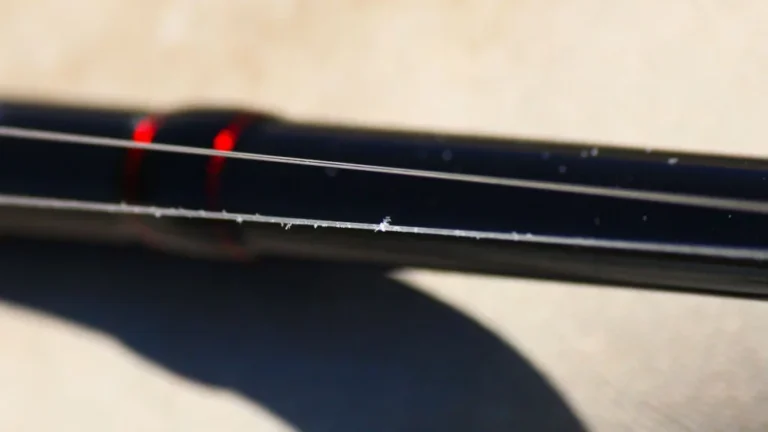
Lead the line through the guides from the bottom near the reel up to the tip. Keep the line under gentle tension to avoid slack. If your rod has many guides, feed the line carefully to prevent snagging. Correct threading is a core part of how to set up a fishing rod for beginners because it affects casting and line wear.

Tying reliable knots
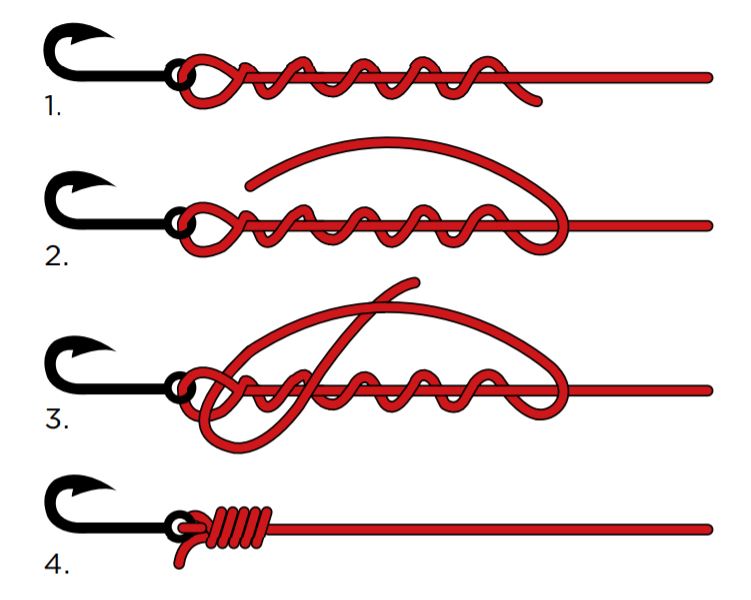
Use simple, strong knots that are easy to learn. The improved clinch knot and Palomar knot are great for beginners. Wet the knot before tightening to reduce friction and seat the knot properly. Trim tag ends fairly close but leave a small tail to avoid slippage.
Setting the drag correctly
The drag controls how much line the fish can take. Set it to about 25–30% of your line’s breaking strength as a starting point. Test by pulling line with one hand while holding the rod and adjusting the drag to a smooth resistance. Proper drag prevents broken line and lost fish and is an important step in how to set up a fishing rod for beginners.
Rigging bait and lures
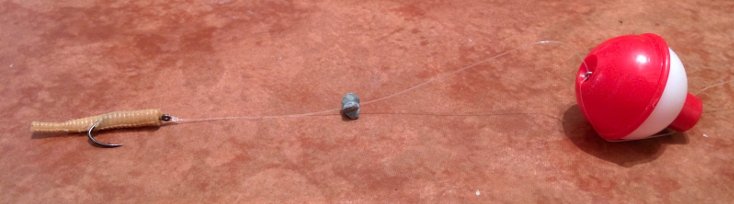
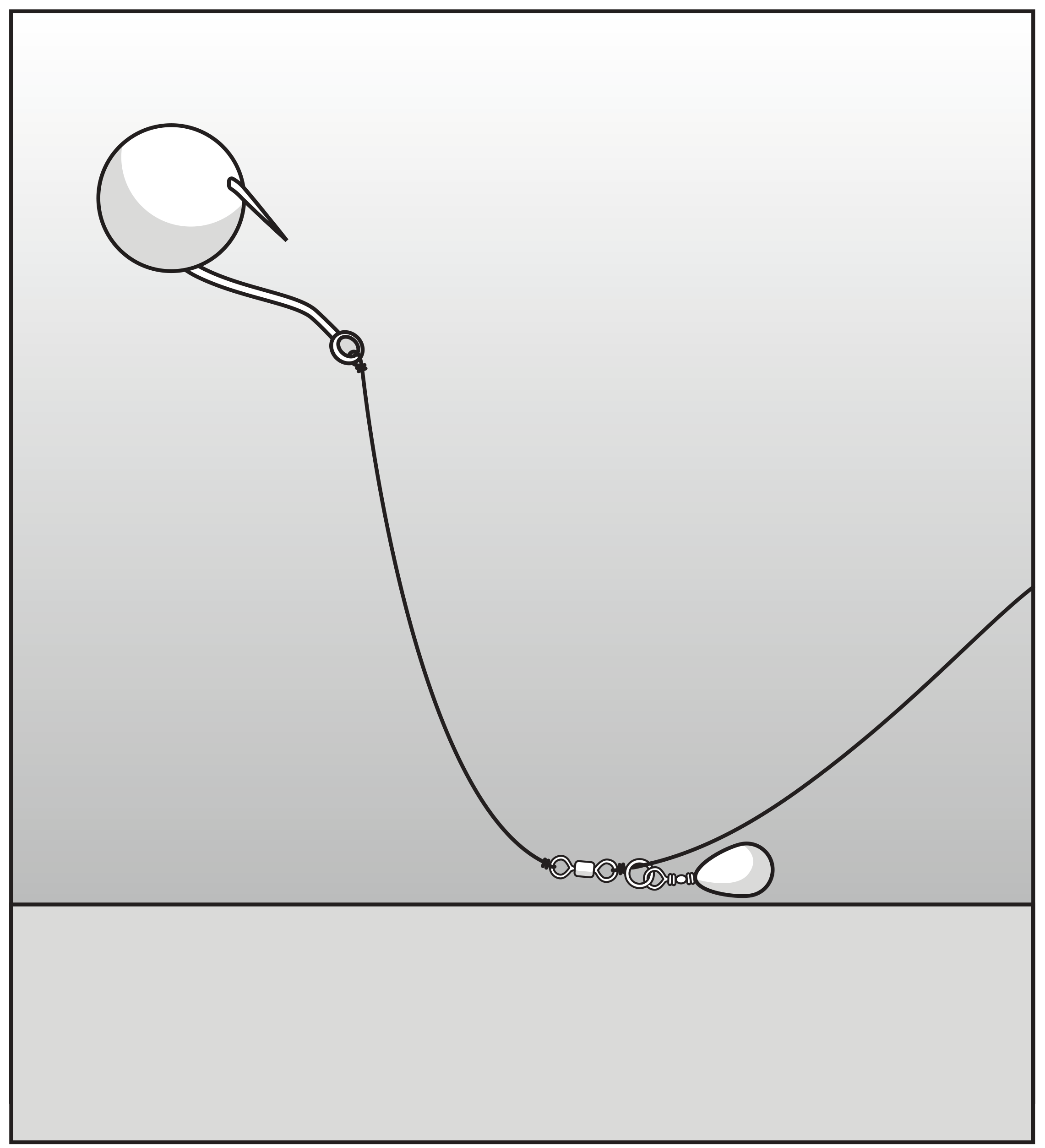
Choose rigs based on target species. Use a bobber and hook for panfish, a sliding sinker rig for bottom feeders, and a simple lure setup for bass. Match hook size to bait and fish size. Practice casting with an empty hook or light lure to build confidence before using live bait.
Common mistakes and how to avoid them
Many beginners overcomplicate the setup or skip basic checks. Avoid overfilling the spool, using the wrong knot, or ignoring the drag setting. Check that guides are free of cracks and that the reel is tight. These small checks make a big difference in how to set up a fishing rod for beginners and help prevent lost fish and broken gear.
Maintenance and safety basics
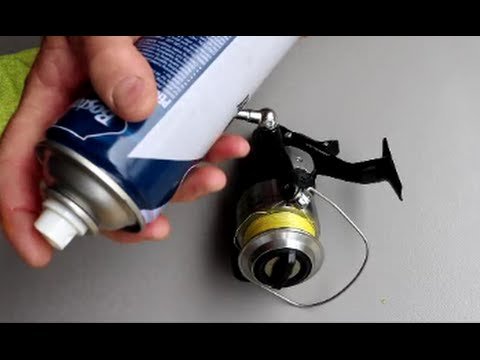
Rinse freshwater gear after saltwater use. Lubricate reel parts yearly or as recommended by the maker. Store rods uncoupled when possible and use rod sleeves to protect tips. Wear eye protection when casting and trim barbs if you fish with kids nearby. Good maintenance keeps your setup reliable and safe.
Troubleshooting quick fixes
If the line twists, check the spool orientation and switch line type if needed. If you get wind knots, reduce slack and shorten casts. If casting short, check guide threading and line condition. These fixes cover most problems you'll meet while learning how to set up a fishing rod for beginners.
Personal experience and practical tips
I taught a neighbor’s kid to fish using a simple setup like this. We used a small spinning rod, a Palomar knot, and a bobber rig. He landed his first bluegill on the second cast. From experience, I recommend practicing knots at home and casting into a yard before hitting the water. Small wins build confidence fast.
Limitations and what to expect
This guide covers basic freshwater setups. Advanced techniques like fly gear or large saltwater tackle need different steps. Weather and local regulations affect bait and rig choice. Be ready to adapt and learn from hands-on practice.
Frequently Asked Questions of how to set up a fishing rod for beginners
How do I choose the right line weight?
Choose 6–12 lb line for general freshwater fishing; lighter line for panfish, heavier for bigger bass. Match line strength to the fish you expect and the rod’s recommended rating.
Which knot is best for beginners?
The Palomar knot and improved clinch knot are both strong and easy to tie. Practice both; the Palomar is especially reliable for braided or monofilament lines.
How tight should I set the drag?
Set drag to about 25–30% of your line’s breaking strength, then fine-tune while testing. It should let the reel slip smoothly under steady pressure.
Where should I store my rod and reel?
Store rods vertically or in sleeves to avoid bending, and keep reels in a dry place. Rinse and dry gear after saltwater trips to prevent corrosion.
What’s the best bait for a beginner?
Worms and small soft plastic grubs work well for many species and are easy to use. Live bait is forgiving and improves catch rates for new anglers.
How do I avoid line twists?
Spool the reel with the line under tension and let the spool turn the correct way. Use swivels with certain rigs and avoid reeling against a slack line.
Can I use braided line as a beginner?
Yes, braided line is strong and thin, but it can complicate knots and casting if you’re new. Pair braid with a fluorocarbon or monofilament leader for easier handling.
Conclusion
You now have a clear, step-by-step path to learning how to set up a fishing rod for beginners. Start with simple gear, spool and thread carefully, use proven knots, and tune the drag. Practice tying knots and casting in a quiet spot before you fish. Try these steps on your next trip, share your results, and join a local group or comment below with questions to improve faster.