A fishing hook remover is a simple tool, but many anglers struggle when it jams or will not release the hook. The problem usually comes from technique, not the tool itself. Learning how a hook remover works can save time and protect both you and the fish.
After years of fishing trips across lakes, rivers, and coastal waters in the United States, I have seen that the fishing hook remover getting stuck how to use correctly issue often happens when anglers rush. A calm approach with the right angle makes hook removal faster and safer.

Why a fishing hook remover gets stuck during use
A fishing hook remover can get stuck when the tool does not sit correctly against the hook. The remover must follow the hook shank, which is the straight part between the bend and the eye.
The fishing hook remover getting stuck how to use correctly problem often starts when anglers push too hard. Extra force can make the tool lock against the hook instead of sliding it free.
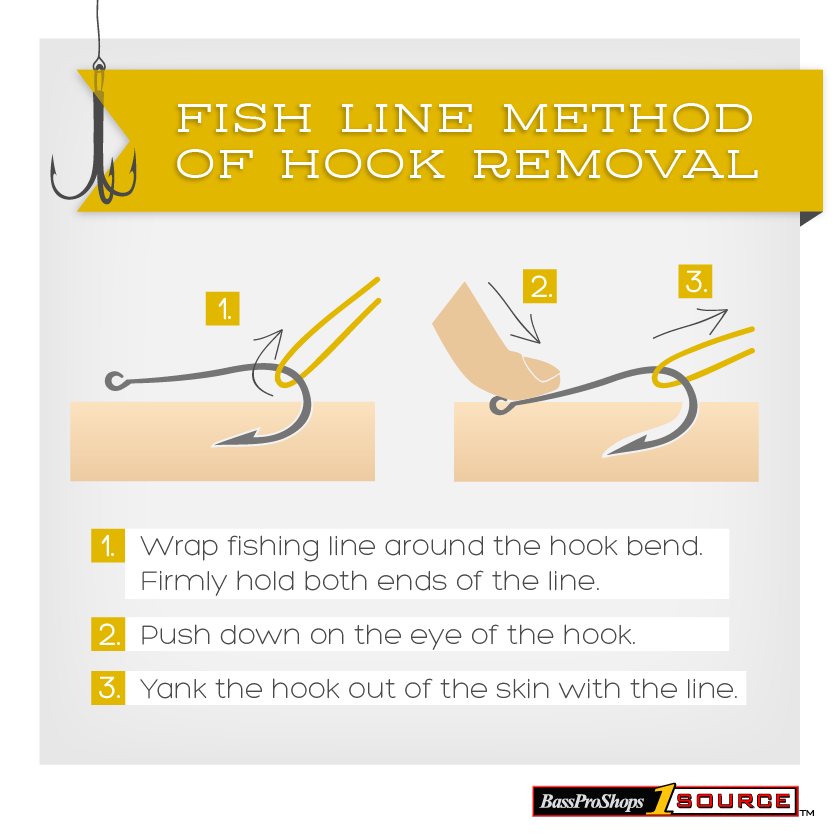
- ✦ Wrong angle
Holding the remover at an angle can cause the tip to catch on the hook bend.
- ✦ Too much pressure
Hard pushing can jam the tool and make removal harder.
- ✦ Wrong tool size
A remover made for small hooks may struggle with large hooks and heavy tackle.
Common mistakes new anglers make
Many beginners pull the remover backward instead of moving it along the hook path. A hook remover works with a sliding action, not a pulling action.
Another mistake is trying to remove a deeply buried hook without first creating a clear path. Slow movements usually work better than sudden force.
- ✦ Skipping practice
Practice with an unused hook helps build confidence before handling a live fish.
How to use a fishing hook remover correctly step by step
The best way to solve the fishing hook remover getting stuck how to use correctly challenge is to learn the basic movement. The tool should guide the hook out with steady pressure instead of force.
Keep the fish calm and hold the remover firmly. A smooth technique reduces stress on the fish and lowers the chance of injury.

- ✦ Step 1: Control the fish
Hold the fish safely or support it in the water before starting hook removal.
- ✦ Step 2: Find the hook shank
Place the remover along the straight section of the hook.
- ✦ Step 3: Push and release
Apply gentle pressure until the hook slides free.
The correct hand position
Hold the remover like a pen or small tool. Keep your wrist steady and avoid twisting movements.
A straight motion helps the remover stay connected with the hook instead of slipping away.
- ✦ Stay controlled
Small movements are safer than fast movements.
How to fix a stuck hook remover without damaging the tool
When a fishing hook remover gets stuck how to use correctly is not about adding more power. The first step is to stop and check the position of the tool.
A gentle reset often solves the problem. Move the remover back slightly, realign it with the hook shank, and try again.
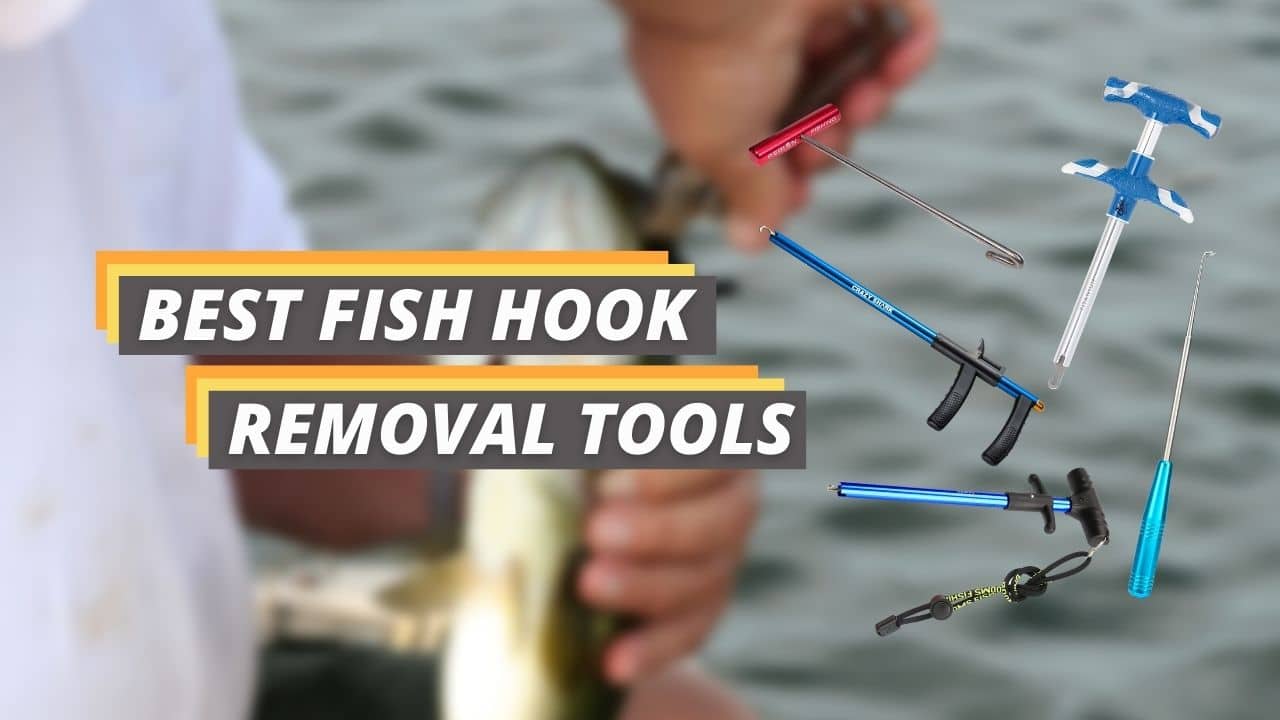
- ✦ Release pressure
Stop pushing and allow the tool to return to a neutral position.
- ✦ Check alignment
Make sure the remover tip is not caught on the hook bend.
- ✦ Use another tool if needed
Some hooks require pliers or specialized removal tools.
When not to force the remover
Forcing a stuck remover may damage the fish, bend the tool, or create a dangerous situation. Patience is the safer choice.
- ✦ Deep hook placement
Seek extra care when hooks are deep or near sensitive areas.
Choosing the right fishing hook remover for easier use
The fishing hook remover getting stuck how to use correctly issue can also happen because the tool does not match the fishing style. Different hooks and fish sizes need different designs.
A quality remover should feel comfortable in your hand and match the hooks you use most often.

- ✦ Plastic hook removers
These are lightweight and useful for smaller freshwater hooks.
- ✦ Metal hook removers
These provide more strength for larger fish and heavier hooks.
- ✦ Long reach removers
These help remove hooks from deeper areas while keeping hands away from teeth.
Features that improve performance
Look for a strong grip, smooth edges, and a design that fits common hook sizes. A simple tool that works well is often better than a complicated one.
- ✦ Easy handling
A comfortable grip improves control during hook removal.
Maintenance tips to prevent hook remover problems
A clean tool works better. Saltwater, dirt, and corrosion can make a remover harder to operate.
Preventing the fishing hook remover getting stuck how to use correctly problem starts before you reach the water. Store your tool properly after every trip.
- ✦ Rinse after fishing
Wash salt and dirt away with fresh water.
- ✦ Dry before storage
Moisture can damage metal parts over time.
- ✦ Check moving parts
Inspect the tool before each fishing trip.
A simple routine for anglers
Keep your hook remover with your pliers and line cutters. This makes it easier to use the correct tool when you need it.
- ✦ Regular checks
Small inspections prevent larger problems later.
Frequently Asked Questions about fishing hook remover getting stuck how to use correctly

fishingscouty
Contributor