If you have ever wondered what is a spinnerbait, it is one of the most effective freshwater fishing lures used by anglers in the United States. This lure uses spinning metal blades to copy the movement and signals of small baitfish. The flash and vibration can trigger a reaction strike from predators like largemouth bass and northern pike.
From my experience studying bass fishing techniques, spinnerbaits remain a trusted choice because they are simple to use but offer many options. Beginners can cast and retrieve them easily, while experienced anglers use advanced techniques to target fish in different depths, weather conditions, and water types.

What Is a Spinnerbait and How Does It Work?
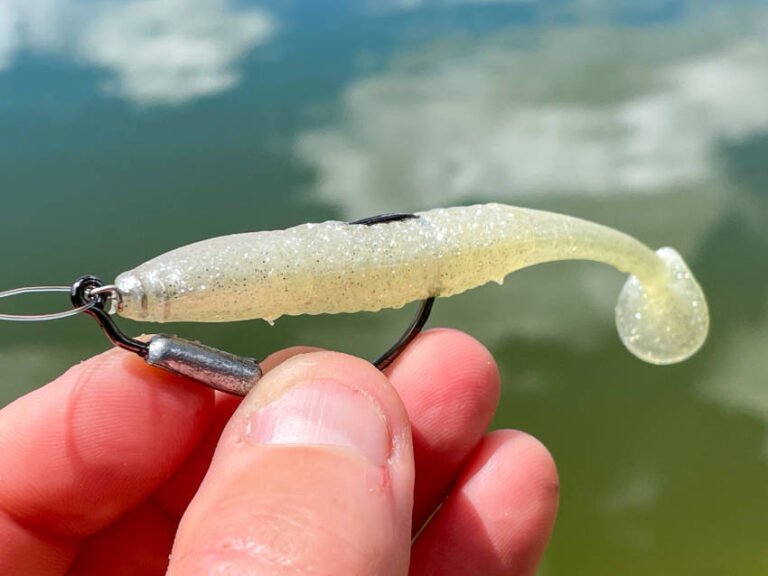
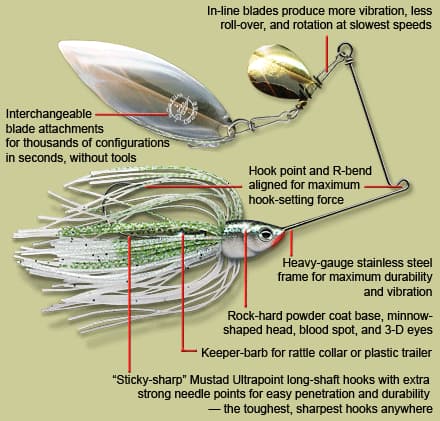
Understanding what is a spinnerbait starts with knowing its basic design. A spinnerbait is a wire-frame lure that usually has one or more metal blades, a weighted head, a skirt, and a hook. When pulled through the water, the blades spin and create movement that attracts nearby fish.
Unlike many traditional lures, a spinnerbait does not need to look exactly like a real fish. Its success comes from creating signals that predators notice. The combination of light reflection, vibration, and water movement makes fish think a small prey item is nearby.
- ✦ Spinning Blades
The blades rotate during the retrieve and create flashes and vibrations that catch the attention of fish.
- ✦ Weighted Head
The head controls how deep the lure runs and helps anglers reach different water levels.
- ✦ Skirt Material
The skirt moves naturally in the water and adds extra attraction by creating the shape of prey.
Why Do Fish Strike Spinnerbaits?
Fish often react to spinnerbaits because the lure creates the appearance of a small, moving meal. The vibration can help predators find the lure even when visibility is poor.
Bass especially respond well to spinnerbaits because they are aggressive hunters. A fast-moving spinnerbait can trigger a reaction bite even when fish are not actively feeding.
The Main Parts of a Spinnerbait
A spinnerbait may look simple, but each part has a specific purpose. Learning these parts helps anglers select the right lure for different fishing situations.
Most spinnerbaits share a similar structure, but small changes in blade shape, skirt color, and weight can change how the lure performs.

- ✦ Colorado Blade
A rounded blade that creates strong vibration and works well in muddy water or low-light conditions.
- ✦ Willow Leaf Blade
A narrow blade that creates more flash and less vibration, making it useful in clear water.
- ✦ Indiana Blade
A balanced blade style that provides a mix of flash and vibration for many fishing conditions.
- ✦ Trailer Hook
An extra hook added behind the main hook to catch fish that strike short.
Why Are Spinnerbaits Popular for Bass Fishing?
Many American anglers use spinnerbaits for bass because these lures work in a wide range of conditions. They can move through grass, around wood cover, and near rocky areas where bass often hide.
Another reason anglers trust spinnerbaits is their durability. A single lure can handle many casts and strikes without needing constant replacement.
- ✦ Works Around Cover
The wire frame helps protect the hook and allows the lure to move around obstacles.
- ✦ Easy for Beginners
Most anglers can use a simple cast-and-retrieve method without complex techniques.
- ✦ Useful All Year
Spinnerbaits can catch fish during spring, summer, fall, and some winter conditions.
Best Fish Species for Spinnerbaits
Spinnerbaits are most famous for bass fishing, especially largemouth and smallmouth bass. However, they can also attract species such as pike, muskie, and other freshwater predators.
Different Types of Spinnerbaits
There are several types of spinnerbaits designed for different fishing conditions. The best choice depends on water clarity, depth, weather, and the behavior of the fish.
Choosing the correct spinnerbait style can make the difference between getting attention from fish and passing through empty water.

- ✦ Single Blade Spinnerbait
Uses one blade to create a strong vibration and is often effective in stained water.
- ✦ Double Blade Spinnerbait
Uses two blades to create more flash and movement, making it a versatile option.
- ✦ Compact Spinnerbait
A smaller design that works well when fish are feeding on smaller prey.
- ✦ Heavy Spinnerbait
A heavier model designed for deeper water fishing.
How to Fish a Spinnerbait Effectively
Knowing what is a spinnerbait is only the first step. Learning how to fish one properly helps you get more bites. The most common method is a steady retrieve after casting near areas where fish may hide.
Experienced anglers change their retrieve speed, depth, and movement based on water conditions. Small adjustments often create better results.

- ✦ Slow Rolling
A slow retrieve keeps the lure deeper and works well when fish are less active.
- ✦ Burning
A fast retrieve creates a fleeing baitfish effect and can trigger reaction strikes.
- ✦ Bumping Cover
Allowing the lure to touch rocks or wood can attract nearby predators.
Best Conditions for Spinnerbait Fishing
Spinnerbaits often perform well on cloudy days, windy conditions, and in water with some color. The vibration and flash help fish locate the lure when visibility is reduced.
They can also work in clear water when anglers choose natural colors and use a slower presentation.
How to Choose the Right Spinnerbait
Selecting a spinnerbait depends on the fishing environment. Water clarity, depth, and weather should guide your choice.
A good starting setup for many beginners is a medium-weight spinnerbait with a common blade combination that works in different situations.

- ✦ Match Water Color
Use bright colors in dirty water and natural colors in clear water.
- ✦ Match Depth
Choose lighter lures for shallow areas and heavier lures for deeper water.
- ✦ Consider Weather
Use more vibration during cloudy or windy conditions.
Frequently Asked Questions about what is a spinnerbait

fishingscouty
Contributor