Many anglers ask how do spoon lures work because these simple metal baits have caught fish for generations. A spoon lure uses its curved body to create a unique side-to-side wobble as it moves through water. This motion reflects light and sends vibrations that attract hungry fish.
From my experience studying fishing methods, the best spoon lure results come from understanding fish behavior. A spoon does not look exactly like a real fish, but its movement copies the signs of easy prey. Predatory fish often attack because the lure appears weak, injured, or trying to escape.
What Is a Spoon Lure and Why Does It Attract Fish?
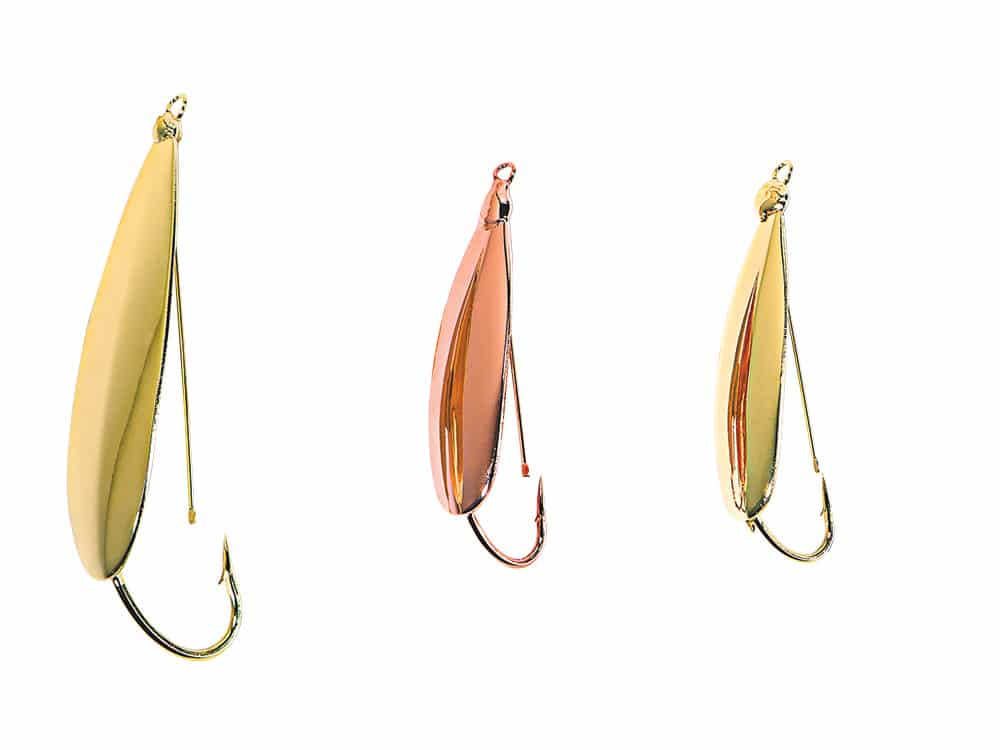
A spoon lure is a curved piece of metal designed for catching fish. It usually has a shiny surface, a hook, and a shape that creates movement when pulled through water. Anglers use spoon lures for species such as bass, trout, pike, salmon, redfish, and many other game fish.
To understand how do spoon lures work, it helps to look at their basic design. The curved metal surface bends water flow around the lure, causing it to wobble and flash. This combination copies the signals that fish use when they find injured prey.
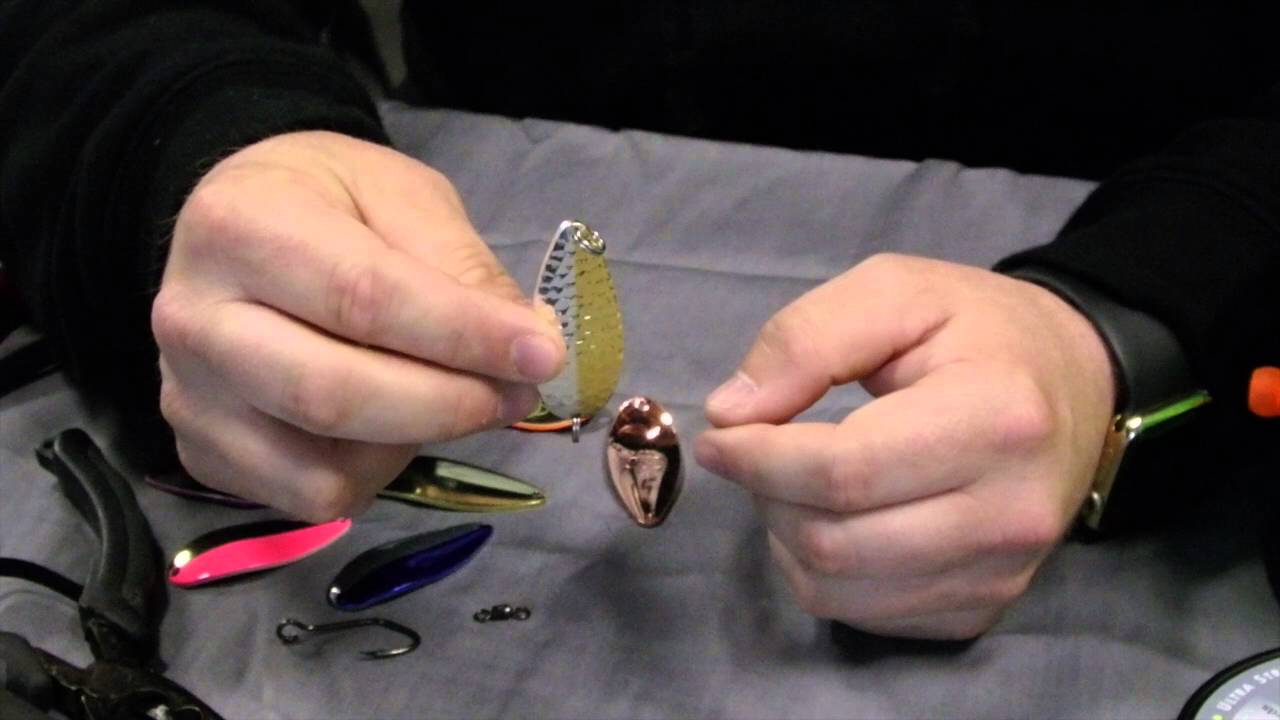
- ✦ Flash Effect
The reflective surface catches sunlight and creates quick flashes that look like a small baitfish moving in open water.
- ✦ Wobbling Motion
The curved shape makes the lure roll and swing from side to side during the retrieve.
- ✦ Vibration Signals
Water pressure changes around the spoon create vibrations that predator fish can sense.
The Simple Science Behind Spoon Lure Action
When you pull a spoon through water, the curved metal does not move in a straight line. Instead, it rocks and turns because water pushes against different parts of the surface. This irregular action makes the lure appear alive.
Fish often react to movement before they clearly identify an object. This is why a simple spoon can work well even when fish ignore more detailed artificial baits.
How Flash and Reflection Make Spoon Lures Effective
One major reason spoon lures catch fish is their ability to create flash. When sunlight hits the metal surface, it produces bright reflections that can attract fish from a distance. This effect is especially useful in clear water where fish rely heavily on sight.
The flash imitates the quick reflection of scales from small baitfish. When combined with the wobble, the spoon creates the illusion of a struggling fish that predators may chase.
- ✦ Sunny Conditions
Bright finishes often work well when sunlight reaches deeper water and fish can see the lure clearly.
- ✦ Cloudy Conditions
Gold, painted, or colored spoons can provide contrast when visibility is lower.
How Spoon Lure Movement Triggers Fish Strikes
Understanding how do spoon lures work also means understanding fish reactions. Predator fish are built to notice unusual movement. A spoon creates a pattern that suggests a baitfish struggling or moving away.
Many experienced anglers believe the pause is just as important as the retrieve. When a spoon falls after a short pause, it often flutters like a wounded fish. This falling action can trigger aggressive strikes.

- ✦ Steady Retrieve
A consistent speed creates a natural swimming motion that works well for active fish.
- ✦ Stop and Go Retrieve
Pausing allows the spoon to fall and creates an injured prey signal.
- ✦ Vertical Jigging
Dropping and lifting a spoon attracts fish holding near deep structures.
Why Injured Prey Imitation Works
Predatory fish often target easy meals because they conserve energy. A baitfish that moves irregularly can appear like a safer target than a healthy, fast swimmer.
A spoon lure takes advantage of this instinct by creating unpredictable movement that encourages reaction strikes.
Different Types of Spoon Lures and How They Work
Not all spoon lures behave the same way. Their shape, weight, and thickness change how they move in water. Selecting the right style depends on the fish species, water depth, and fishing conditions.
Knowing these differences helps anglers understand how do spoon lures work in different environments. A lightweight spoon may stay near the surface, while a heavier spoon can reach deeper fish.

- ✦ Casting Spoons
These heavier spoons are designed for long-distance casts and covering large areas of water.
- ✦ Trolling Spoons
These are often used behind boats to attract fish over longer distances.
- ✦ Jigging Spoons
These sink quickly and work well for deep-water fishing.
How to Use Spoon Lures for Freshwater and Saltwater Fishing
Spoon lures are popular across the United States because they work in many fishing environments. Anglers use them in lakes, rivers, reservoirs, bays, and coastal waters.
The key is matching your technique to the conditions. Water temperature, fish depth, weather, and bait activity all affect how fish respond to a spoon.
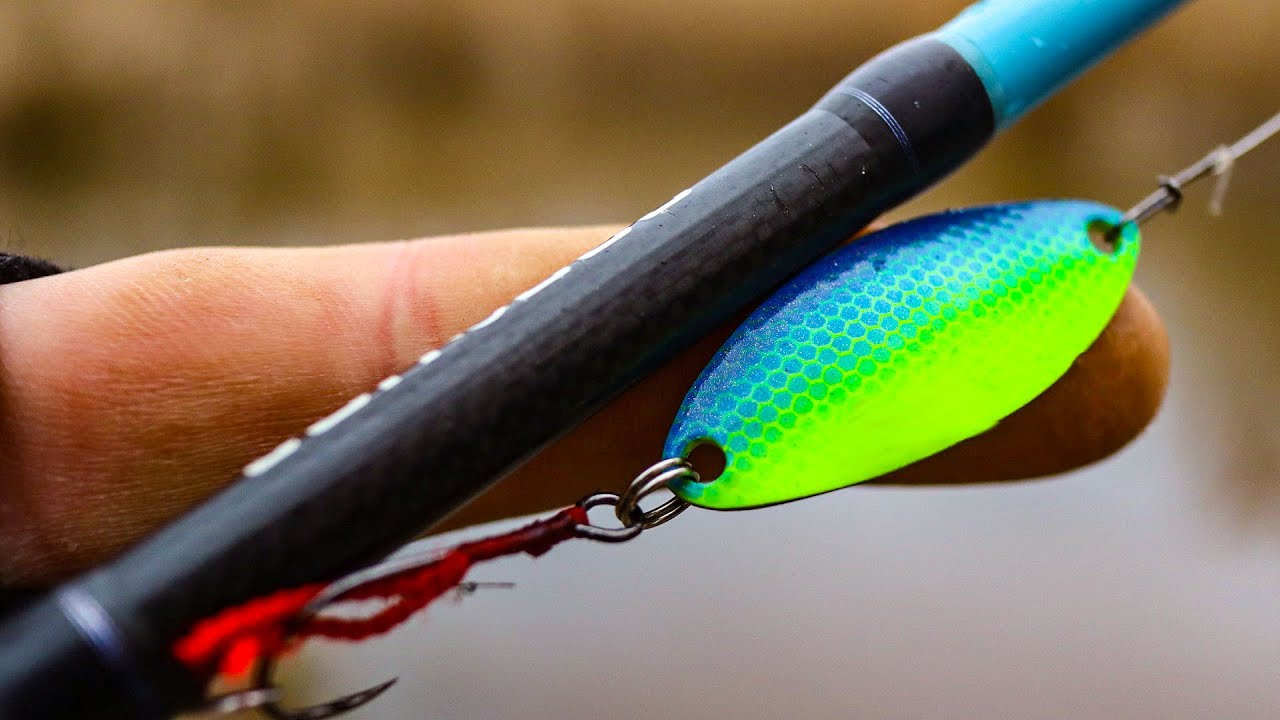
- ✦ For Bass
Use medium spoons near vegetation, drop-offs, and rocky areas where bass hunt.
- ✦ For Trout
Small spoons with natural colors often work well in rivers and mountain lakes.
- ✦ For Saltwater Species
Heavier spoons help reach fish like redfish, striped bass, and mackerel.
Choosing the Right Retrieve Speed
A common mistake is retrieving too fast. Spoon lures need enough time to wobble and flash. A slower retrieve often creates a more natural presentation.
Experiment with different speeds until the spoon produces steady movement without spinning wildly.
Common Mistakes When Fishing With Spoon Lures
Even though spoon lures are simple, many anglers make mistakes that reduce their success. The wrong size, speed, or color can make fish ignore the lure.
Learning how do spoon lures work helps you avoid these problems and make better choices on the water.
- ✦ Using the Wrong Size
A spoon that is too large or too small may not match the local baitfish size.
- ✦ Ignoring Water Conditions
Clear water and muddy water often require different spoon colors and finishes.
- ✦ Retrieving Too Quickly
Fast retrieves can remove the natural wobble that attracts fish.
Frequently Asked Questions about how do spoon lures work

fishingscouty
Contributor