Use the right lure, match it to conditions, and present it naturally to trigger strikes.
I’ve spent years testing rods, lures, and lines across lakes, rivers, and coastal flats. This guide explains how to use artificial lures correctly with clear steps, real-life tips, and simple rules you can trust. Read on to learn gear choices, rigging, presentation, common mistakes to avoid, and pro-level tweaks that will help you catch more fish.

Understanding artificial lures: types, purpose, and how they work
Artificial lures mimic prey and trigger fish to bite. They come in many forms, from soft plastics and crankbaits to jigs and topwater plugs. Each lure type copies a certain prey profile, motion, or sound that fish recognize.
Why learning how to use artificial lures correctly matters
- It increases strike rates by matching lure action to fish behavior.
- It reduces missed hookups by using the right hook, weight, and retrieve.
- It saves time on the water and improves confidence.
Quick overview of common lure types
- Soft plastics: worms, grubs, swimbaits that rely on shape and subtle motion.
- Hard baits: crankbaits and jerkbaits that dive and flash at speed.
- Jigs: heavy heads with trailers that hit bottom and twitch.
- Topwater: plugs that create splashes and surface commotion.
- Spoons and spinners: flash and vibration useful in murky water.
How these lures trigger strikes
- Visual cues: color, flash, silhouette.
- Motion cues: erratic vs steady retrieves.
- Sound/vibration: rattles and blade thumps that transmit through water.
My experience: early on I treated lures like toys. I learned to think like prey. When I matched size and motion to what bass were feeding on, bites shot up. That shift is the core of knowing how to use artificial lures correctly.
Choosing the right lure for conditions
Match lure type to water, weather, and fish behavior. That’s the fastest way to improve results.
Key condition checks before choosing a lure
- Water clarity: clear water favors natural colors and subtle action; stained water needs larger profiles and stronger flash.
- Water temperature: cold water slows fish; use slow-moving lures. Warm water makes fish aggressive; speed up your retrieve.
- Depth and structure: deep fish need diving baits or weighted rigs; shallow fish prefer topwater or light jigs.
Size, color, and profile rules
- Size: pick a lure similar in size to local baitfish or insect prey.
- Color: natural tones in clear water; bright or dark contrasts in murky water.
- Profile: use a belly-heavy lure for bottom fish and slim profiles for midwater predators.
Examples from the field
- Muddy spring creeks: I use large spinnerbaits and dark soft plastics. Fish see vibration first.
- Clear summer lakes: small jerkbaits and translucent swimbaits fool cautious bass.
How to test lure choices quickly
- Cast three lures of different size or color in the same spot.
- Observe strikes and reaction time.
- Switch only one variable at a time to learn what matters.
How to use artificial lures correctly depends on these matches. Choose deliberately, then refine based on fish response.

Rigging and gear setup for reliable action and hookups
Proper rigging ensures a lure performs as designed and hooks properly. Small changes make big differences.
Line and leader tips
- Line type: braid for sensitivity and power; fluorocarbon for invisibility; mono for stretch on topwater.
- Line strength: match test to lure weight and fish size. Lighter line reads bites better but risks breakoffs.
- Leader: use fluorocarbon leaders when fish are line-shy or for abrasion resistance near structure.
Hook and knot basics
- Hook size: follow lure maker recommendations but adjust for target fish size.
- Knot choice: use a Palomar knot for braided line-to-hook; use improved clinch for mono and fluorocarbon.
- Hook sharpness: keep hooks razor-sharp. Sharpen or replace regularly.
Rigging examples
- Texas rig soft plastics: weedless, good for grass and cover.
- Carolina rig: for deeper flats and slow crawls.
- Jig trailer choices: match action; bulky trailers increase profile and slow fall.
Rod, reel, and retrieve balance
- Rod power and action control hookset and lure action.
- Reel gear ratio affects retrieve speed. Low gear for big cranks, high gear for fast topwater or swimbaits.
A personal note: I once fished a spot for hours with a light jig and no bites. I switched to a heavier jig with a larger trailer and immediately hooked fish. Rigging matters as much as color or size when you learn how to use artificial lures correctly.

Retrieval techniques and presentation: make the lure believable
Presentation wins fights. A realistic presentation convinces fish to strike.
Basic retrieve types
- Steady retrieve: consistent speed for active predators feeding on schooling baitfish.
- Stop-and-go: imitate an injured baitfish; pause to entice strikes.
- Twitch and jerk: use twitches to make jerkbaits and swimbaits erratic.
- Slow roll: near the bottom, slowly retrieve crankbaits for lethargic fish.
Topwater and reaction strikes
- Walk-the-dog: rhythmic rod twitches for surface plugs.
- Pop and pause: short pops followed by a pause to mimic struggling prey.
- Quick acceleration: sudden bursts of speed can trigger reaction strikes.
Adapting retrieve to conditions
- Cold water: slow your retrieve and let lures fall longer.
- Windy days: speed can help maintain lure action against chop.
- Low visibility: add more vibration or flash to your retrieve.
Practical drills to practice retrieves
- Cast to a visible target and vary speed each cast.
- Count down pauses: 1-2-3 pause, then retrieve; note fish reaction.
- Record or film a short session to study lure action.
How to use artificial lures correctly includes nailing your retrieve. Practice makes muscle memory. I often rehearse retrieves on the bank so I can repeat successful motions when fish are present.

Common mistakes and how to avoid them
Many anglers miss simple lessons that cost fish. Avoid these mistakes.
Mistake: changing lures too often
- Fix: give each lure at least 10 casts and adjust presentation before switching.
Mistake: wrong line or knot for the job
- Fix: match line type to lure and water conditions. Retie knots regularly.
Mistake: unrealistic action
- Fix: slow down in cold water, add pauses, and match prey profile. Watch how natural forage moves.
Mistake: ignoring structure and cover
- Fix: fish edges, rock seams, and drop-offs where prey gathers. Place lures near structure, not directly on top of it.
Mistake: not setting the hook firmly
- Fix: a quick, low to medium rod sweep on most species. Adjust for hooks with different gap sizes.
Learning from my errors: I once lost a trophy because my hooks were dull. After that I checked and sharpened hooks before every trip. That simple habit improved my hookup rate dramatically and is part of how to use artificial lures correctly.
Advanced tips, seasonal strategies, and small tweaks that matter
Little adjustments add up. Advanced tactics help when fish are picky.
Seasonal playbook
- Spring: slow crawls and soft plastics around spawning flats. Fish shallow early and late in the day.
- Summer: target thermoclines and shade lines; use topwater at low light and deep crankbaits mid-day.
- Fall: imitate baitfish schools; speed up retrieves as fish feed aggressively.
- Winter: downsize baits and slow everything down; fish deeper.
Micro-adjustments that work
- Change retrieve cadence instead of lure color first.
- Trim or add trailer material to change fall rate and action.
- Use scent sparingly on soft plastics when fish are lethargic or pressured.
When to switch tactics
- If you get follow but no bite, try a slower or smaller profile.
- If you get short strikes, use a slightly larger hook gap or firmer hookset.
- If fish ignore bright colors, move to natural hues and slower action.
Tools and tech
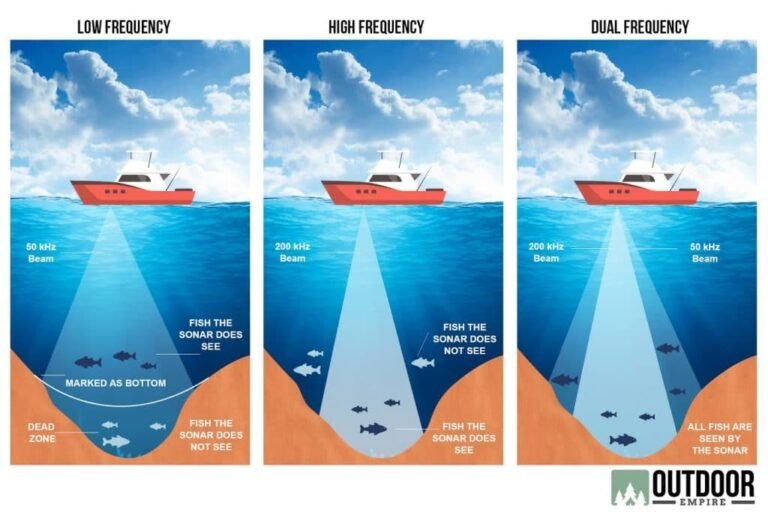
- Use a fish finder to map structure and depth.
- Carry a small ruler to match lure size to baitfish in the area.
- Keep a simple log of what worked by time of day, water temp, and lure.
How to use artificial lures correctly is partly about learning small, repeatable tweaks. Over time these tweaks add reliability and consistency to your fishing.

Frequently Asked Questions of how to use artificial lures correctly
What is the easiest lure for beginners to use?
Soft plastics rigged Texas style and a medium-diving crankbait are simple. They cover different depths and teach basic retrieval and presentation skills.
How do I choose lure color for murky water?
Pick high-contrast and brighter colors or lures with strong vibration. Fish see contrast and feel vibration better in stained water.
When should I use a topwater lure?
Use topwater in low light, early morning, late evening, or near surface-feeding fish. Calm water and visible baitfish on the surface also favor topwater action.
How often should I change lures during a session?
Give a lure at least 10 casts or five good follows before switching. Change one variable at a time to learn what triggers strikes.
Can scent improve artificial lure performance?
Scent can help in pressured or cold conditions but is not a substitute for proper action and presentation. Use it sparingly and as a supplement.
How important is hook sharpness?
Very important. Dull hooks reduce hookups significantly. Check and sharpen hooks regularly to maintain penetration.
Conclusion
Mastering how to use artificial lures correctly starts with matching lure type to conditions, rigging properly, and dialing in your presentation. Practice simple retrieves, test one variable at a time, and learn from each outing. Try the tips in this guide on your next trip, keep a short log of what works, and share your results or questions below to keep improving.