Many anglers focus on lure choice first, but depth is often the factor that decides whether fish feed or ignore your bait. Understanding how water depth changes fish feeding helps you predict where fish will be and how they will behave.
From small farm ponds to large U.S. reservoirs, fish constantly adjust their depth based on changing conditions. Experienced anglers learn to read depth like a map because the same fish may feed in two feet of water at dawn and move to twenty feet by afternoon.
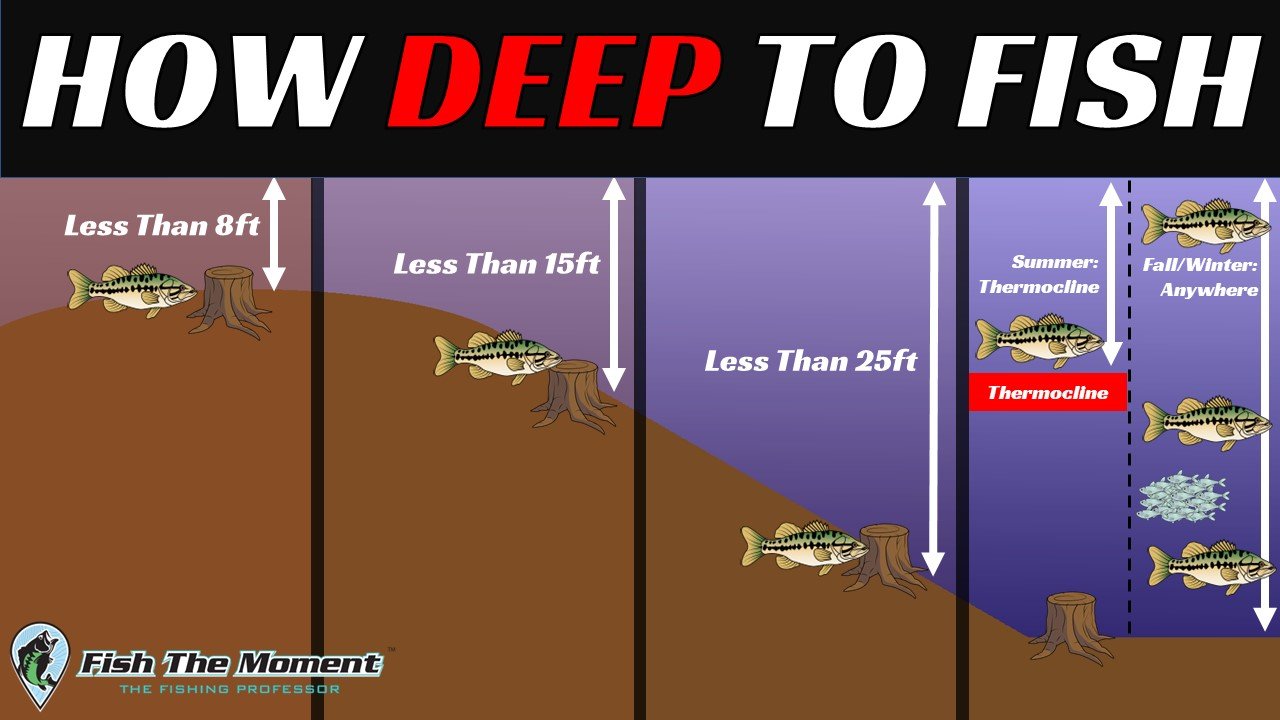
In my years studying fishing patterns, I have found that depth is not just about distance from the surface. It controls the entire underwater environment, including temperature, prey movement, visibility, and oxygen.
Why water depth matters for fish feeding behavior
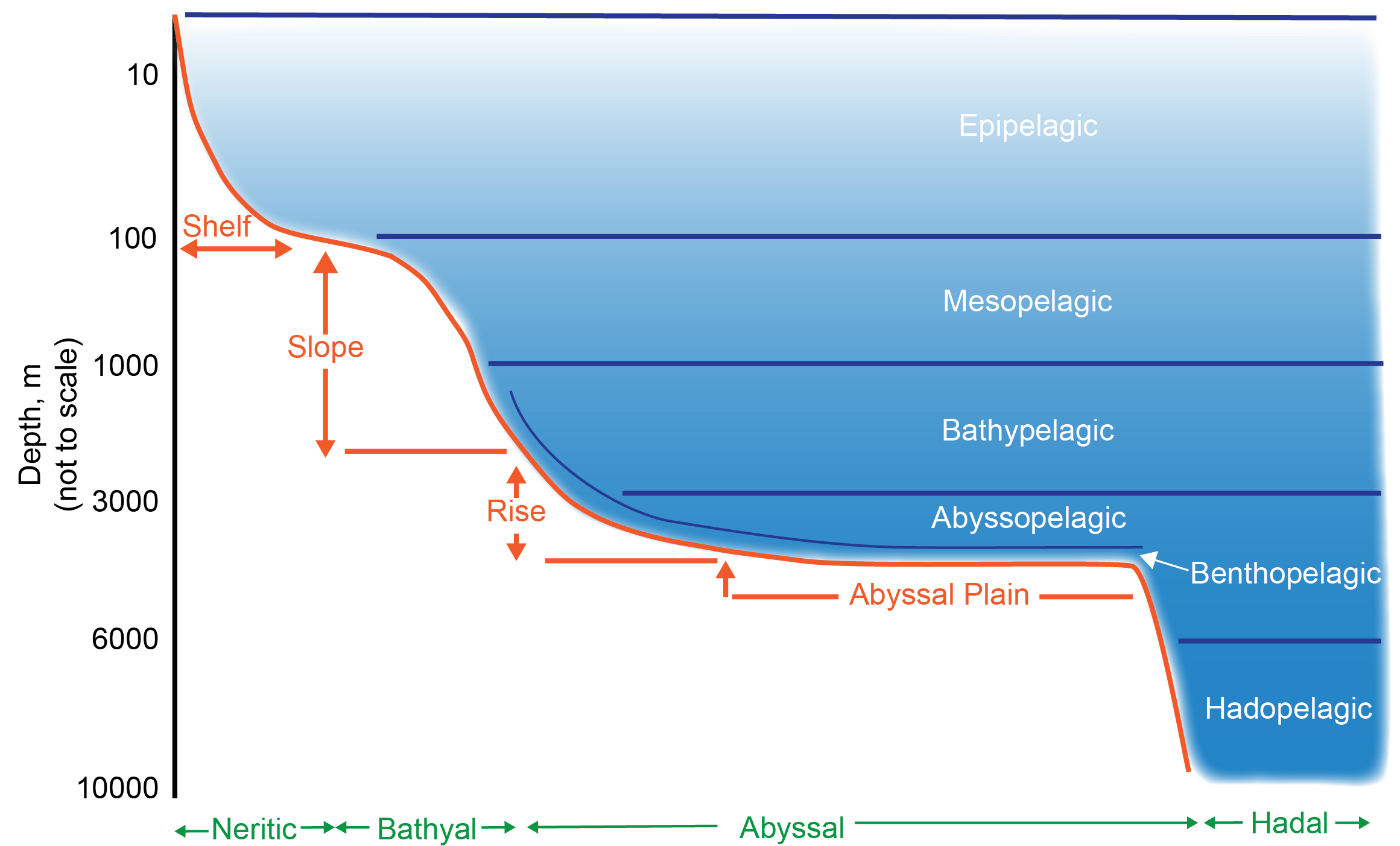
To understand how water depth changes fish feeding, you need to understand what depth does to the underwater world. Different depths create different conditions that influence fish comfort and feeding success.
Fish do not choose depth randomly. They move to areas where they can save energy, find prey, and stay safe from threats. A deep area with poor oxygen may attract fewer fish than a shallow area full of food.
- ✦ Temperature control
Fish often move deeper during hot weather because deeper water can stay cooler and more stable.
- ✦ Food availability
Depth affects where insects, baitfish, plants, and other prey species gather.
- ✦ Safety and cover
Deep water gives many fish protection, while shallow areas provide feeding opportunities.
Fish use depth changes to save energy
Fish are built to survive with limited energy use. They often choose feeding areas where they can catch food without spending too much effort.
A bass may sit near a drop-off and wait for baitfish to pass instead of chasing prey across open water.
How shallow water affects fish feeding
Shallow water is often a feeding zone because it receives more sunlight. This sunlight supports plant growth, which attracts insects and small baitfish.
Many fish move into shallow areas during early morning and evening because lower light makes them feel safer while hunting.
- ✦ Morning feeding activity
Cool morning temperatures often bring fish into shallow water where prey is easier to find.
- ✦ Spawning seasons
Many freshwater species move shallow during spawning periods because these areas provide suitable habitat.
- ✦ Abundant food
Shallow zones often contain insects, worms, small fish, and plant life that attract predators.
Why fish leave shallow water
Fish may leave shallow water when sunlight becomes intense, water temperature rises too much, or predators increase pressure.
During midday in summer, many species move toward deeper areas where conditions remain comfortable.
How deep water changes fish feeding patterns
Deep water changes how fish hunt because visibility, temperature, and prey movement are different. Fish often slow down and become more selective in deeper areas.
Learning how water depth changes fish feeding in deep zones helps anglers understand why fish may ignore fast-moving lures and prefer slower presentations.

- ✦ Stable conditions
Deep water can provide stable temperatures during extreme weather.
- ✦ Suspended fish behavior
Some fish stay suspended between shallow and deep zones while following baitfish.
Deep water and suspended feeding
Suspended fish are not always inactive. They may feed when prey moves through their depth range.
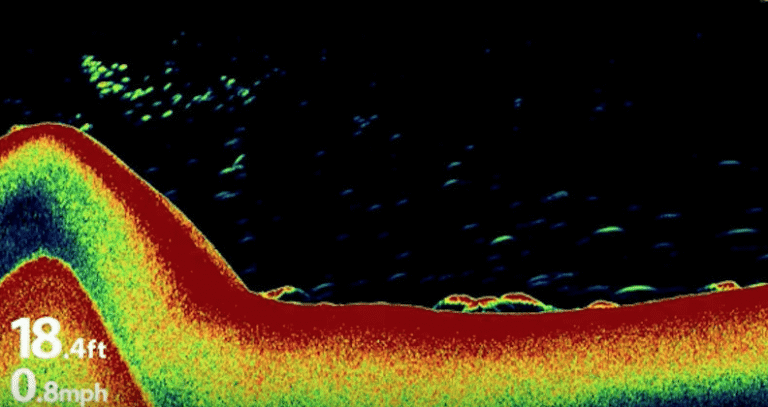
Using electronics such as fish finders can help anglers locate these changing feeding zones.
How seasons change the relationship between water depth and feeding
Seasonal changes are one of the biggest reasons fish move through different depths. Water temperature affects metabolism, and metabolism affects feeding frequency.
Understanding how water depth changes fish feeding throughout the year gives anglers a major advantage on U.S. lakes and rivers.
- ✦ Spring
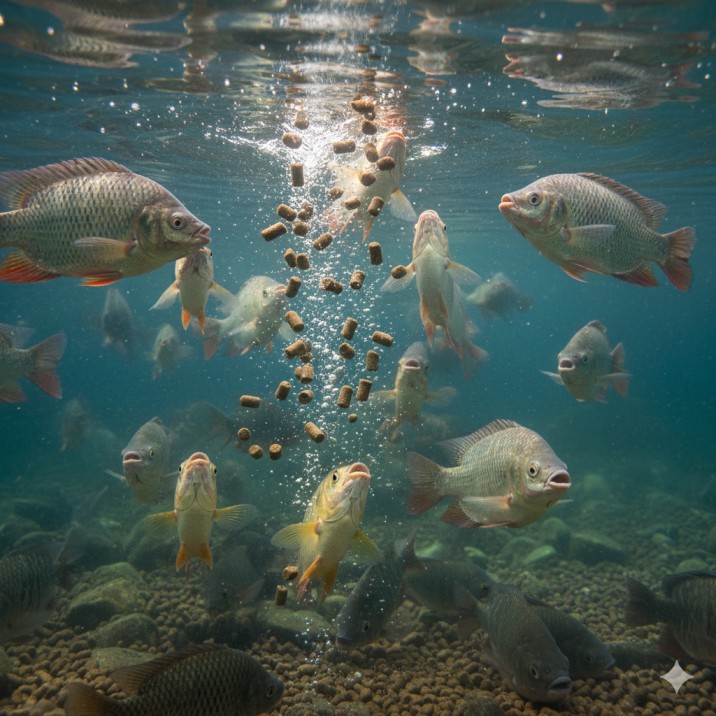
Fish often move shallow as water warms and food becomes more available.
- ✦ Summer
Many fish move deeper during the hottest parts of the day.
- ✦ Fall
Cooling water can push fish toward shallow feeding areas again.
- ✦ Winter
Fish often slow down and stay near stable deep areas.
How oxygen levels influence feeding depth
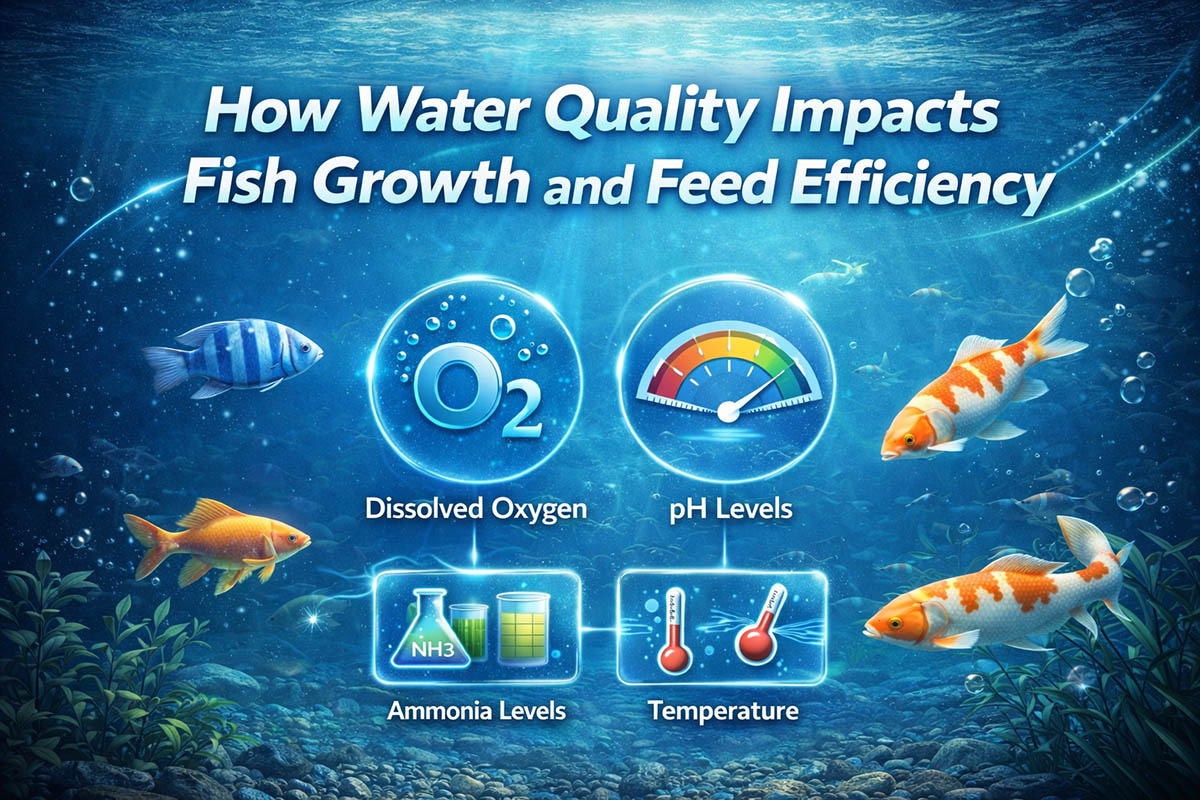
Oxygen is a major factor in fish movement. Fish need enough dissolved oxygen to stay active and digest food properly.
Sometimes shallow water has more oxygen because of wind and plant activity. At other times, deeper water may offer better conditions.
- ✦ Warm water concerns
Warm water holds less oxygen, which can reduce fish activity.
- ✦ Weather impact
Wind, rain, and storms can quickly change oxygen conditions.
Reading oxygen clues while fishing
Watch fish behavior and water changes. Active baitfish and healthy vegetation often signal better feeding zones.
Depth alone does not guarantee fish presence. Good oxygen and food must exist together.
How anglers can use depth changes to catch more fish
Knowing how water depth changes fish feeding allows anglers to adjust faster. Instead of fishing one depth all day, successful anglers test different zones.
Depth changes can tell you where to cast, how fast to retrieve, and which bait presentation matches fish behavior.

- ✦ Use depth maps
Lake maps help identify drop-offs, channels, and underwater structures.
- ✦ Change lure speed
Slow presentations often work better in deeper water.
- ✦ Follow baitfish
Predators often stay close to their food source.
Frequently Asked Questions about how water depth changes fish feeding

fishingscouty
Contributor