Many anglers ask, how does a fish finder work before buying their first marine electronics device. The simple answer is that a fish finder uses sound, not a camera, to look below the boat. It measures how long sound waves take to bounce back from fish, rocks, plants, and the bottom.
After years of watching anglers use sonar units on lakes, rivers, and coastal waters, one lesson stands out: understanding the screen matters as much as owning the device. A quality fish finder helps you locate productive areas, but knowing what the signals mean helps you make better fishing choices.
The Basic Science Behind How Does a Fish Finder Work
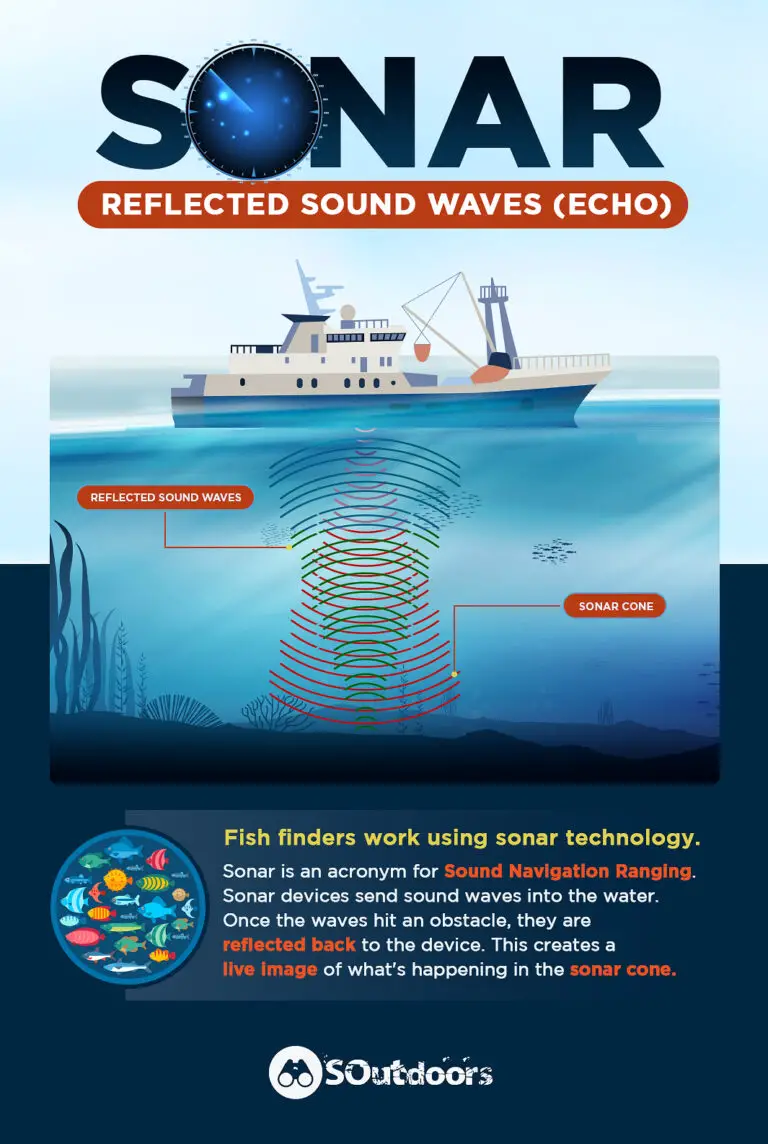
To understand how does a fish finder work, start with sonar. Sonar means sound navigation and ranging. The device creates sound pulses that travel through water and return when they hit an object.
The fish finder calculates the travel time of each echo. It then turns that data into a picture that shows depth, underwater objects, and possible fish locations.
- ✦ Sound pulse creation
The fish finder sends a sonar signal from the transducer into the water.
- ✦ Echo collection
The transducer receives reflected signals from underwater objects.
- ✦ Screen display
The unit converts echo information into an easy-to-read image.
Why Sound Waves Work Underwater
Sound moves well through water, which makes sonar useful for fishing. Light cannot travel far underwater, so normal cameras cannot replace sonar in most fishing situations.
The Role of the Fish Finder Transducer
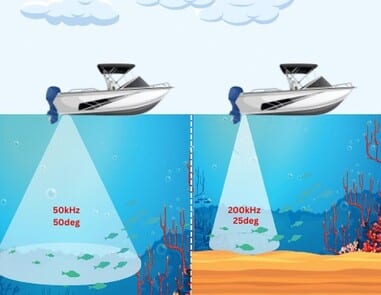
The transducer is the heart of a fish finder system. It works as both a speaker and a listener by sending sonar waves and capturing the returning echoes.
A properly installed transducer gives cleaner readings. Placement, water contact, boat speed, and installation angle can all affect performance.
- ✦ Sends sonar signals
The transducer creates underwater sound pulses at specific frequencies.
- ✦ Receives information
It detects returning echoes and sends data to the fish finder display.
Common Transducer Mounting Options
Most recreational boats use transom mount, trolling motor mount, or through-hull transducers. The best choice depends on boat design and fishing style.
How Fish Finders Create Images From Sonar Data
A fish finder does not actually see fish like a camera. Instead, it creates a visual map from echo strength, distance, and timing information.
When learning how does a fish finder work, it helps to know that stronger echoes often appear differently from weaker ones. Hard bottoms, large objects, and dense targets usually create stronger returns.

- ✦ Fish arches
Traditional sonar often shows fish as arches because of movement through the sonar beam.
- ✦ Bottom line
The display shows the lake, river, or ocean floor shape.
- ✦ Structure signals
Logs, rocks, weeds, and drop-offs can appear as underwater features.
CHIRP Sonar vs Traditional Sonar Technology
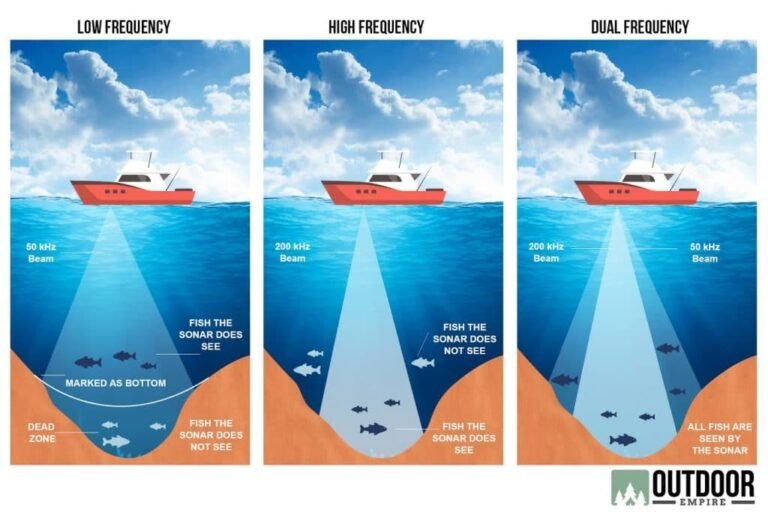
Modern fish finders often use CHIRP sonar. CHIRP sends a range of frequencies instead of one single frequency, which can improve target separation and detail.
Traditional sonar still works well for many anglers. The right choice depends on fishing goals, water conditions, and budget.

- ✦ Traditional sonar
Uses fixed frequencies and provides reliable depth and fish detection.
- ✦ CHIRP sonar
Uses multiple frequencies to create more detailed underwater readings.
Choosing the Right Sonar Type
Bass anglers, offshore fishermen, and casual boaters may need different sonar features. Consider depth range, screen quality, and fishing location before buying.
How to Read a Fish Finder Screen
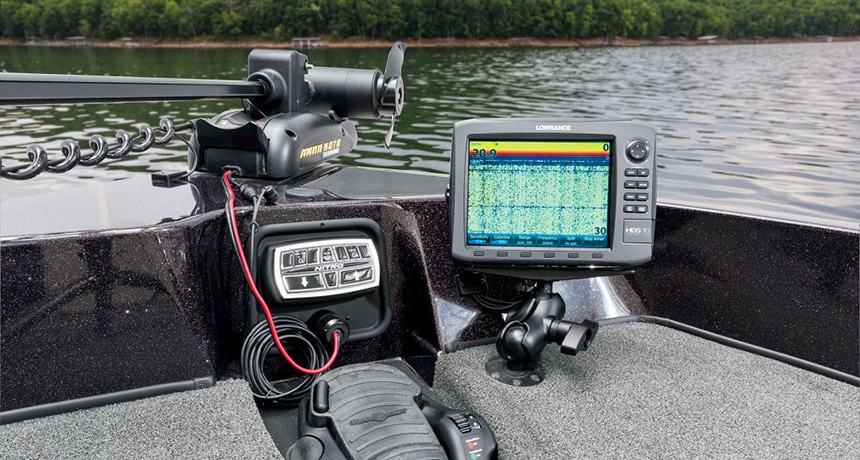
Learning how does a fish finder work is only the first step. The next step is learning how to read the display. Beginners often focus only on fish icons, but depth changes and structure are usually more important.
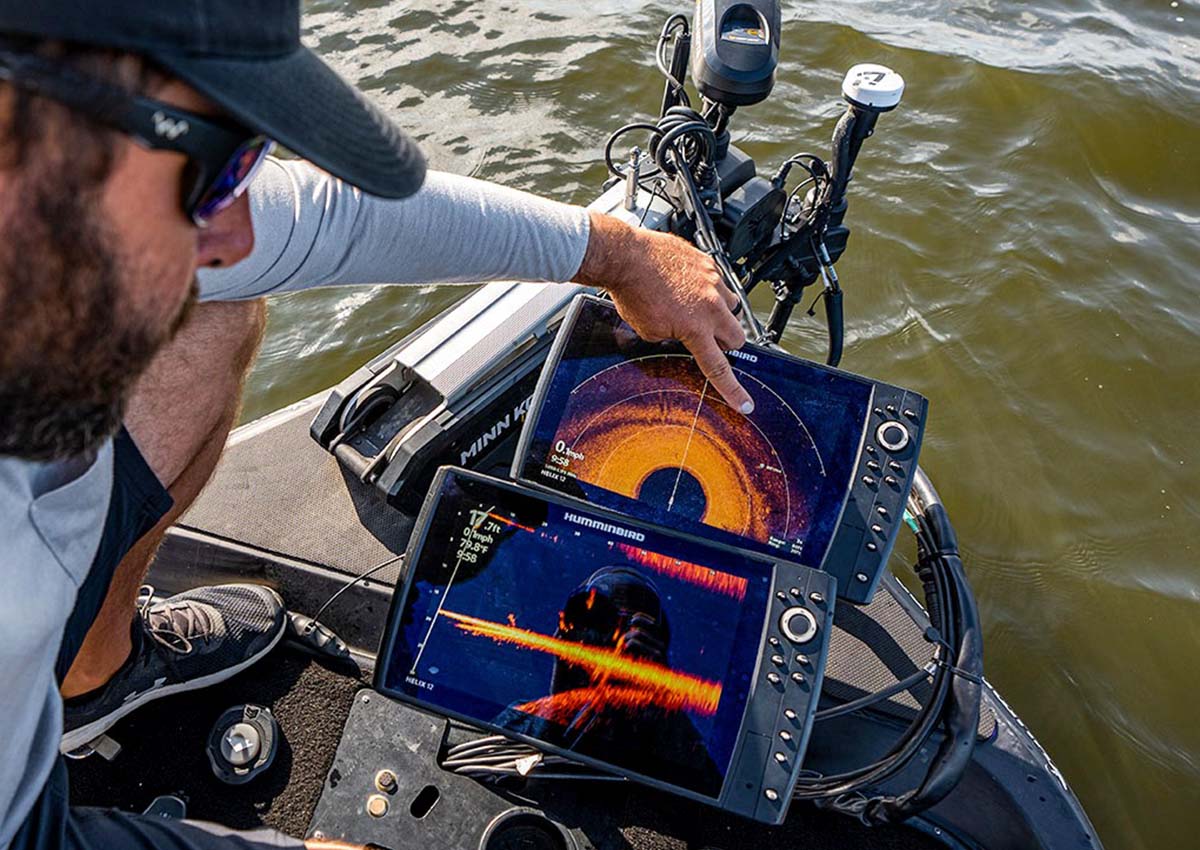
A fish finder screen can show depth numbers, bottom hardness, water temperature, and underwater objects. These details help anglers understand where fish may gather.
- ✦ Depth reading
Shows how deep the water is below the boat.
- ✦ Bottom information
Helps identify sand, mud, rock, or other underwater surfaces.
Common Problems That Affect Fish Finder Accuracy
Even a high-quality fish finder can give poor results if it is installed incorrectly or used in the wrong settings. Understanding limitations helps prevent confusion on the water.
Factors such as air bubbles, dirty transducers, wrong sensitivity settings, and high boat speed can reduce image quality.
- ✦ Poor transducer placement
Incorrect installation can create weak or unclear sonar returns.
- ✦ Wrong settings
Sensitivity, frequency, and display settings affect what you see.