If you have searched for what is down imaging on a fish finder, you are likely trying to understand one of the most useful tools in modern fishing electronics. Down imaging uses sonar pulses to build a picture-like view of the underwater world below your boat. It helps anglers see fish, structure, and bottom details that traditional sonar may not show clearly.
After years of watching anglers learn new fish finder technology, one thing becomes clear: the best results come from understanding what the screen is showing. Down imaging is not a magic fish locator. It is a tool that rewards practice, careful settings, and knowledge of fish behavior.
For many U.S. anglers fishing lakes, reservoirs, and rivers, down imaging has changed how they search for productive areas. Instead of guessing what lies below, they can study underwater trees, rocks, drop-offs, and fish-holding areas before making a cast.

How Down Imaging Works on a Fish Finder
Down imaging works by sending narrow sonar beams from a transducer mounted on your boat. These sound waves travel through the water, hit objects, and return as echoes. The fish finder processes those echoes and turns them into a detailed image on the display.
Unlike basic sonar that creates simple arches and marks, down imaging creates a more realistic view of objects below the boat. It can show the shape of submerged trees, rocks, brush, and fish groups with greater detail.
When learning what is down imaging on a fish finder, it helps to think of it as an underwater camera created with sound instead of light. The image is not a photograph, but it gives anglers a clearer idea of underwater conditions.

- ✦ Sonar pulses
The transducer sends sound waves into the water and measures how long they take to return.
- ✦ Echo processing
The fish finder converts returning signals into visual information on the screen.
- ✦ Image display
The unit shows a detailed representation of objects below the boat.
The Role of the Transducer
The transducer is the part of the system that sends and receives sonar signals. Its frequency, beam angle, and installation position affect image quality.
A properly installed transducer helps reduce interference and gives a cleaner view of underwater targets.
- ✦ Correct placement
A balanced transducer position helps maintain accurate readings while the boat is moving.
What Can You See With Down Imaging Sonar?
One reason anglers ask what is down imaging on a fish finder is because they want to know what appears on the screen. Down imaging can reveal many underwater features that affect fishing success.
The display can help identify areas where fish may hide, feed, or travel. However, it takes practice to separate fish from other objects because sonar images require interpretation.
Many experienced anglers use down imaging to confirm areas they first locate with maps, traditional sonar, or fishing knowledge.

- ✦ Fish groups
Down imaging can show fish as bright marks or shapes depending on depth, settings, and fish position.
- ✦ Underwater structure
It can reveal brush piles, fallen trees, rocks, and man-made structures.
- ✦ Bottom changes
Hard and soft bottoms often appear differently on the display.
Reading Fish and Structure Together
A single fish mark does not always mean a fish is ready to bite. The best anglers study fish location, depth, nearby cover, and water conditions together.
For example, bass near a submerged tree or rock pile may be more meaningful than a fish suspended over empty water.
- ✦ Look for relationships
Fish near structure often provide more useful information than isolated marks.
Down Imaging vs Traditional Sonar
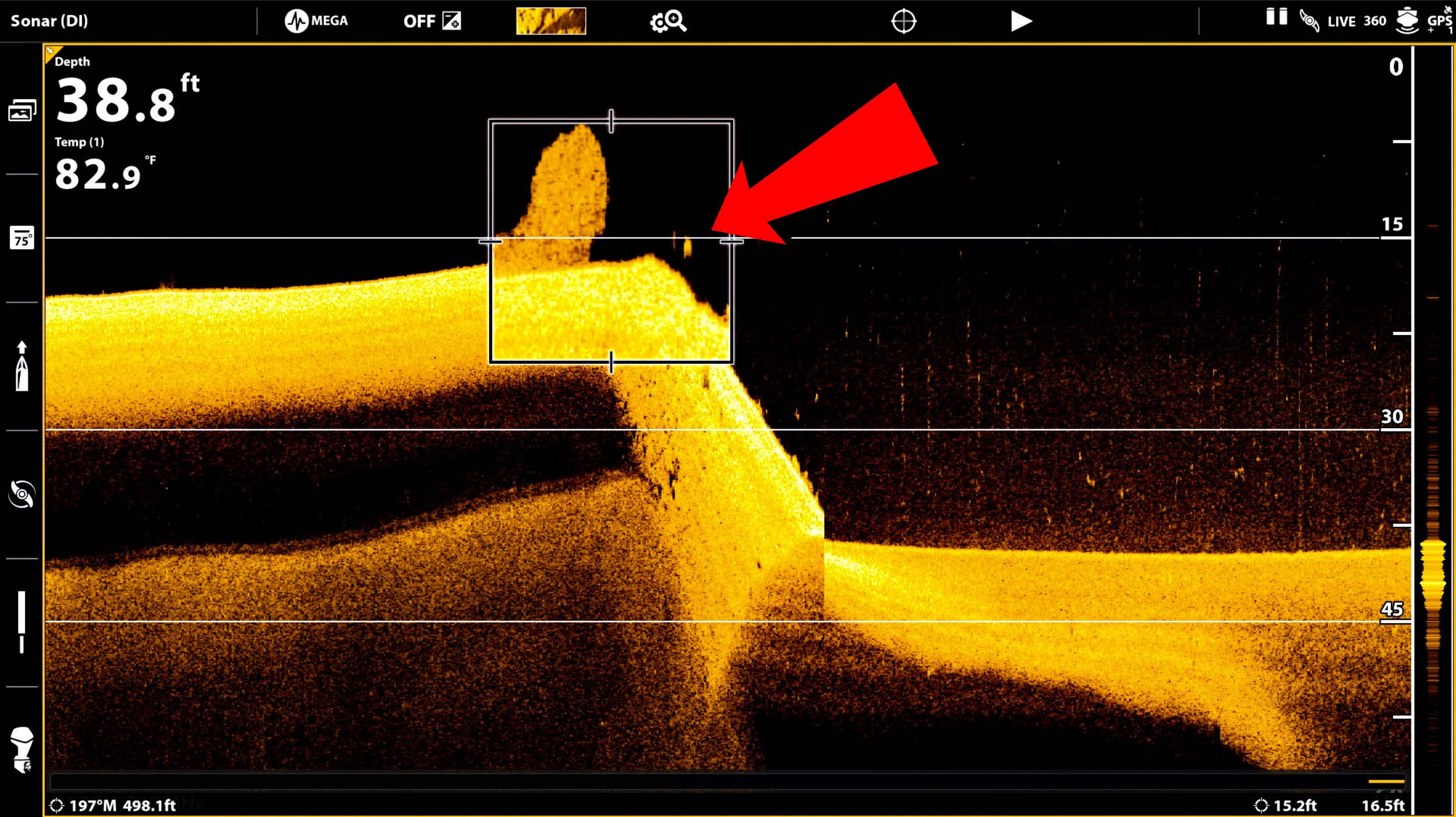
Traditional sonar and down imaging both use sound waves, but they display information differently. Traditional sonar is excellent for showing depth, bottom hardness, and fish arches. Down imaging focuses on creating a detailed picture-like view.
Many anglers do not choose between the two technologies. Instead, they use both together. Traditional sonar helps locate fish activity, while down imaging helps explain what is below the boat.
Understanding the difference is important when learning what is down imaging on a fish finder because each tool has a specific purpose.
- ✦ Traditional sonar
Shows depth, bottom information, and fish arches using a simpler display.
- ✦ Down imaging
Provides more visual detail of objects directly beneath the boat.
- ✦ Combined use
Using both technologies gives anglers a more complete underwater picture.
Benefits of Using Down Imaging for Fishing
Down imaging gives anglers more confidence when searching unfamiliar water. Instead of spending hours casting randomly, they can study underwater areas before choosing a fishing spot.
This technology is especially helpful on large U.S. lakes and reservoirs where underwater structure is difficult to see from the surface.
The biggest advantage comes from learning how to interpret the information. The screen becomes more useful as anglers gain experience.
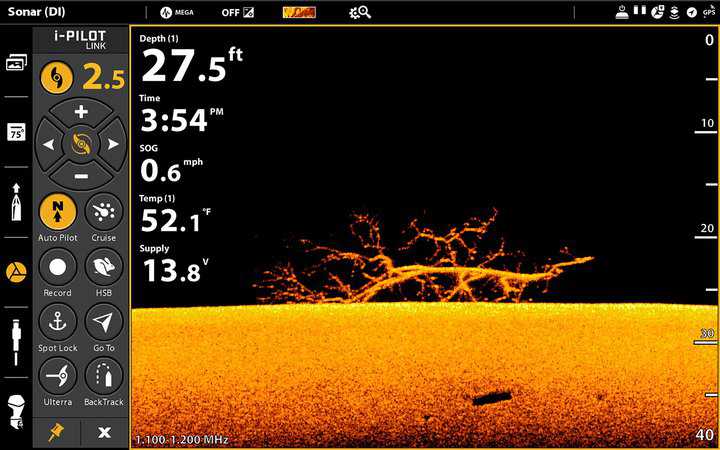
- ✦ Find hidden cover
Anglers can locate submerged objects that attract fish.
- ✦ Save fishing time
Better information helps reduce time spent searching unproductive areas.
- ✦ Improve confidence
Seeing underwater details helps anglers understand why fish may be present.
Using Down Imaging in Different Fishing Situations
Down imaging can help with many styles of fishing, including bass fishing, crappie fishing, and general freshwater angling.
In shallow water, it can reveal cover. In deeper water, it can help identify suspended fish and changes in bottom structure.
- ✦ Freshwater lakes
Useful for finding brush, rocks, and depth changes where fish gather.
Limitations of Down Imaging Technology
Although down imaging is powerful, it has limits. It does not replace fishing knowledge or guarantee that every visible target is a catchable fish.
Water depth, boat speed, transducer quality, and screen settings all affect image quality. Poor settings can make useful information harder to recognize.
Understanding these limits helps anglers use down imaging as a decision tool instead of relying on it alone.

- ✦ Requires practice
Learning to identify fish and structure takes time on the water.
- ✦ Limited coverage area
Down imaging mainly shows the area directly below the boat.
- ✦ Depends on settings
Incorrect sensitivity and contrast settings can reduce clarity.