Learning how to fish a spinnerbait starts with understanding why this lure works. A spinnerbait creates flash, vibration, and movement that imitate small baitfish. These features help bass find and attack the lure even in stained water.
Many anglers in the United States use spinnerbaits during spring, fall, and windy days because they work in many conditions. Over time, experienced anglers learn that small changes in speed, depth, and presentation can turn a slow day into a productive one.

What Makes a Spinnerbait Effective for Bass Fishing
A spinnerbait is designed to copy the look and movement of a small fish. The blades spin as you retrieve the lure, creating flashes of light and water vibration that attract bass.
The wire frame also helps protect the hook from many snags. This makes spinnerbaits useful around grass, wood, docks, and rocky areas where bass often hide.
- ✦ Flash
The blades reflect light and catch the attention of nearby fish.
- ✦ Vibration
The spinning blades create pressure waves that bass can detect.
- ✦ Cover protection
The design allows anglers to fish areas with obstacles.
Choose the Right Spinnerbait Before You Fish
The first step in learning how to fish a spinnerbait is picking the right model. Spinnerbaits come in different weights, blade styles, and skirt colors.
A smaller spinnerbait works well for shallow water and smaller baitfish. Heavier models help reach deeper water where larger bass may feed.

- ✦ Weight
Use lighter spinnerbaits for shallow areas and heavier ones for deeper water.
- ✦ Blade type
Colorado blades create more vibration, while willow blades create more flash.
- ✦ Color choice
White, chartreuse, and natural baitfish colors cover most fishing situations.
Matching Spinnerbait Color to Water Conditions
Clear water often calls for natural colors that look like local baitfish. Muddy water usually requires brighter colors that bass can find more easily.
- ✦ Clear water
Try white, silver, or shad patterns.
- ✦ Dirty water
Use darker or brighter colors with stronger visibility.
How to Fish a Spinnerbait With Different Retrieves
The retrieve controls how a spinnerbait moves and where it stays in the water. A simple steady retrieve is the best starting point for beginners.
When bass are inactive, slowing the lure down can keep it in the strike zone longer. When fish are aggressive, a faster retrieve can trigger reaction bites.

- ✦ Steady retrieve
Reel at a consistent speed while keeping the blades turning.
- ✦ Slow rolling
Move the lure slowly near the bottom or deeper cover.
- ✦ Stop and go
Pause the lure briefly to create an easy target for bass.
Best Places to Throw a Spinnerbait
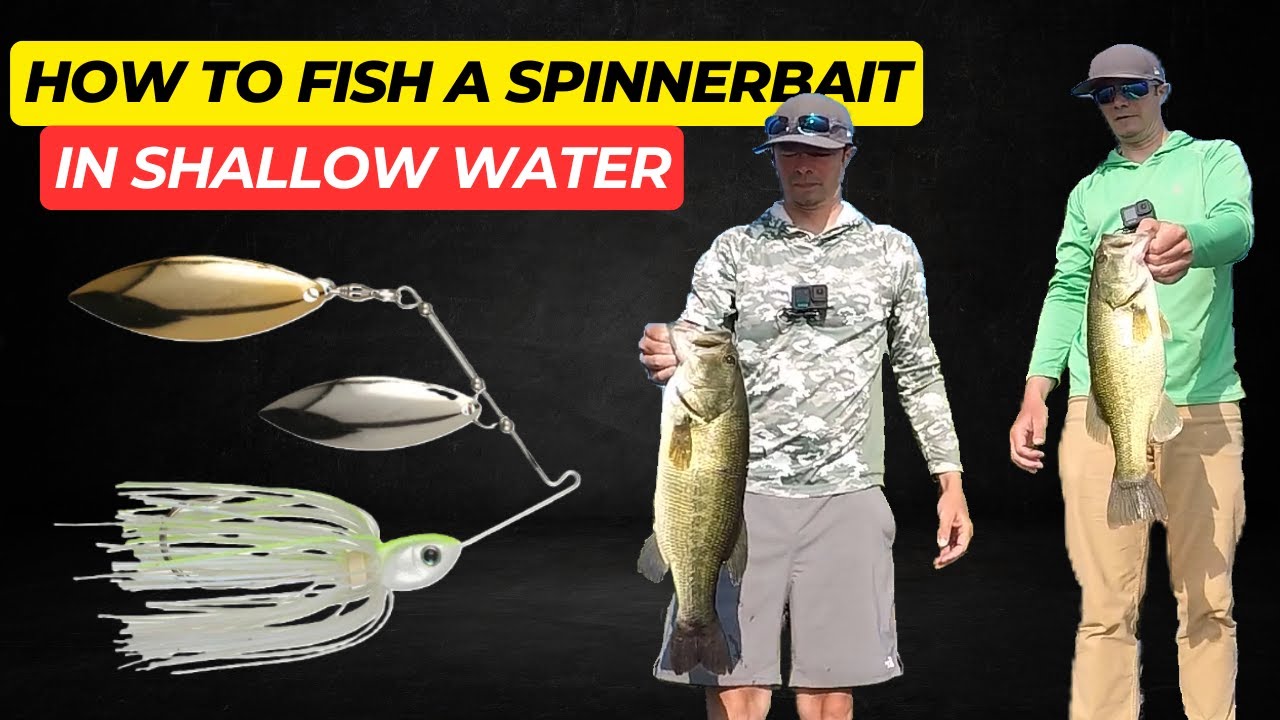
Spinnerbaits shine around areas where bass wait to ambush prey. Focus on structure and cover instead of casting randomly across open water.
Windy banks, grass lines, fallen trees, docks, and rocky points are common places where spinnerbaits produce results.
- ✦ Vegetation
Run spinnerbaits along grass edges where baitfish gather.
- ✦ Wood cover
Slow your retrieve near logs and branches.
Spinnerbait Rod, Reel, and Line Setup
A balanced setup makes spinnerbait fishing easier. Most anglers prefer a medium-heavy baitcasting rod because it provides control and strong hook sets.
A strong fishing line helps handle cover and keeps the lure connected during aggressive strikes.
- ✦ Rod
Use a medium-heavy rod with enough backbone for bass.
- ✦ Reel
A baitcasting reel gives accurate casts and control.
- ✦ Line
Monofilament, fluorocarbon, or braid can work depending on conditions.
Frequently Asked Questions about how to fish a spinnerbait

fishingscouty
Contributor