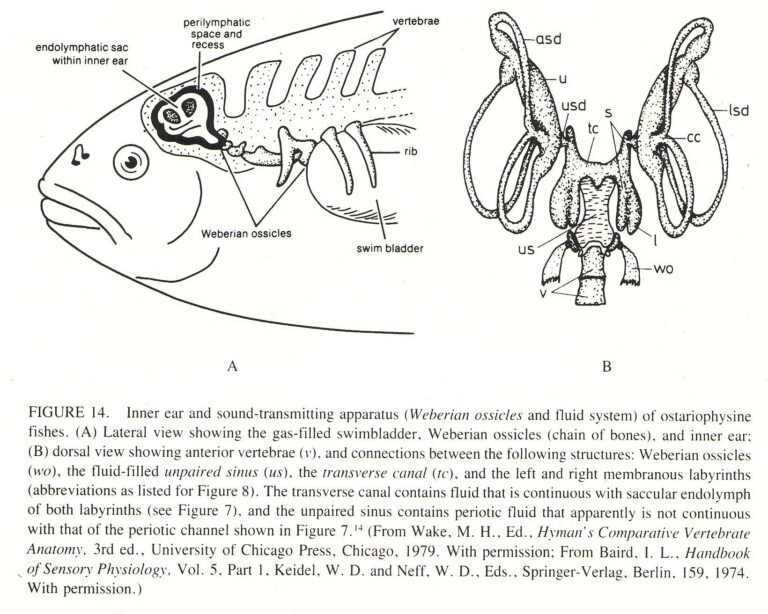
Fishing Reel Size Gear Ratio Drag and Line Management are the four key factors that decide how well your setup performs. A reel that matches your fishing style feels smoother, casts better, and gives you more control when a fish strikes.
After years of studying tackle setups and spending time on lakes, rivers, and coastal waters, I have learned that small details matter. Many anglers focus only on rod power or lure choice, but the reel often decides whether a great bite turns into a landed fish.
Understanding Fishing Reel Size and Why It Matters
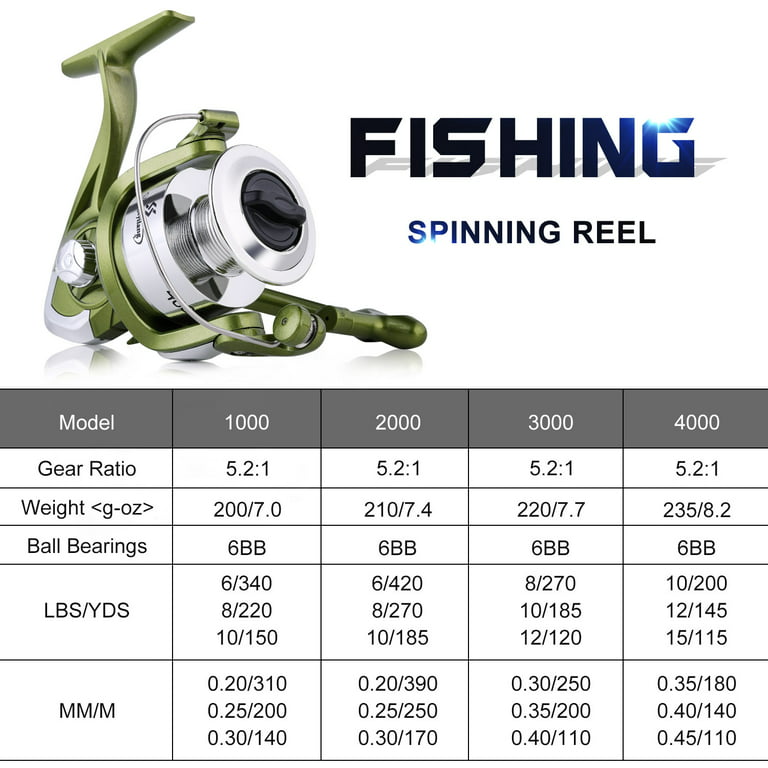
Fishing reel size refers to the capacity, body size, and overall strength of a reel. In the United States, anglers commonly see sizes such as 1000, 2500, 3000, 4000, and larger spinning reels. Each size is designed for different line weights and fish species.
A smaller reel works well for light freshwater fishing because it is easy to handle and reduces fatigue. A larger reel provides more line capacity and power for bigger fish, stronger currents, and saltwater conditions.

- ✦ Small Reel Sizes
Ideal for trout, panfish, small bass, and light line applications where sensitivity and comfort matter.
- ✦ Medium Reel Sizes
A versatile choice for bass, walleye, redfish, and many everyday fishing situations.
- ✦ Large Reel Sizes
Built for larger species that need extra drag strength, more line capacity, and increased durability.
How to Match Reel Size to Your Fishing Style
The best reel size depends on your rod, line type, and target fish. A mismatch can make casting harder and reduce your ability to control a fish.
For example, a 2500 or 3000 spinning reel is often a practical choice for many U.S. anglers who fish for bass, freshwater species, and inshore saltwater targets.
Fishing Reel Gear Ratio Explained
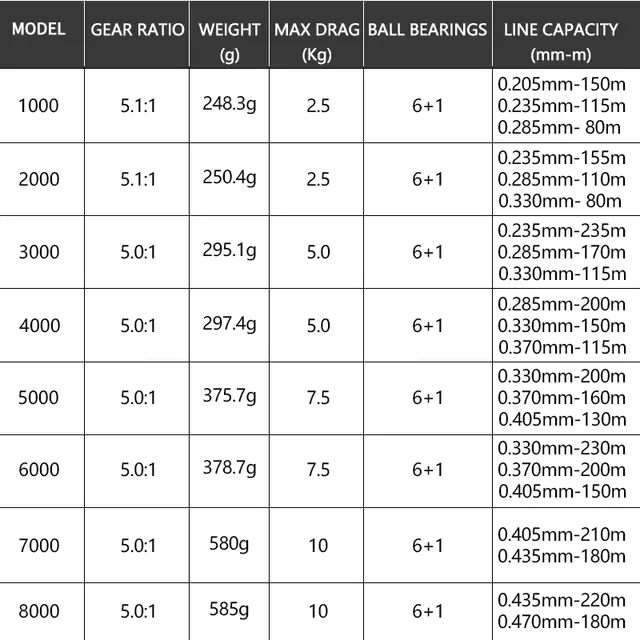
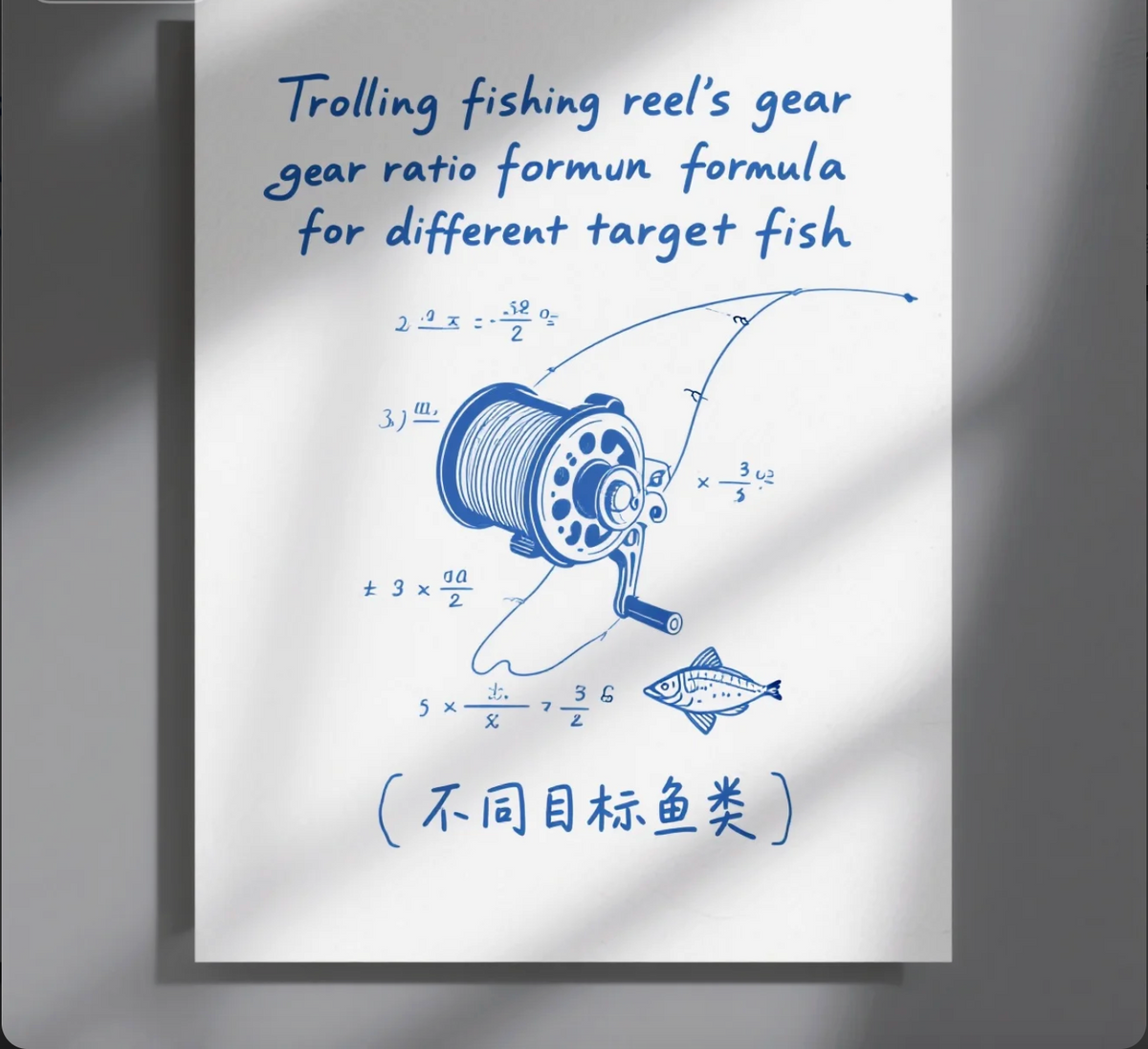
Gear ratio describes how many times the spool turns with one handle rotation. A reel marked 6.2:1 turns the spool 6.2 times for every single handle turn.
Fishing Reel Size Gear Ratio Drag and Line Management work together because retrieval speed changes how you control lures and fight fish. A high-speed reel picks up slack quickly, while a lower-speed reel provides more power.
- ✦ Low Gear Ratio
Provides more pulling power and works well for deep diving lures, heavy baits, and slow presentations.
- ✦ Medium Gear Ratio
Offers a balanced mix of speed and strength for many common fishing techniques.
- ✦ High Gear Ratio
Retrieves line quickly and helps anglers burn lures fast or recover slack after a strike.
Choosing the Right Gear Ratio for Different Techniques
Bass anglers often choose faster reels for techniques that require quick line pickup, such as topwater fishing or working soft plastics.
Slow presentations with heavy resistance often benefit from more torque. The right gear ratio makes fishing feel easier and more controlled.
How Fishing Reel Drag Systems Work
The drag system controls how much resistance a fish feels when pulling line. A smooth drag allows the fish to run without snapping the line.
A quality drag system is especially important when targeting powerful fish. Sudden runs from bass, salmon, striped bass, or saltwater species can test every part of your setup.
 DETAILS.jpg "Fishing Reel Gear Ratio Chart Educational Chart Resources")
- ✦ Smooth Pressure Control
A good drag releases line steadily instead of sticking and causing sudden breaks.
- ✦ Correct Drag Setting
Most anglers set drag according to line strength, fish size, and fishing conditions.
- ✦ Maintenance Matters
Cleaning and protecting drag components helps maintain reliable performance over time.
Fishing Line Management and Common Reel Problems
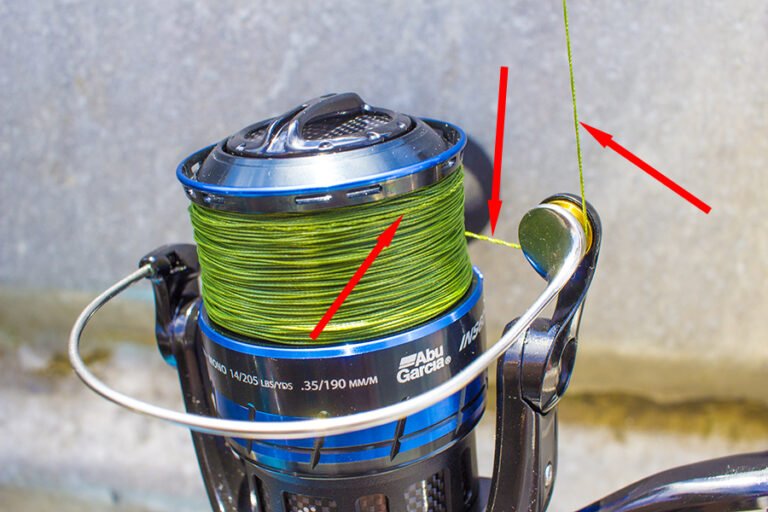
Good line management prevents tangles, poor casting, and lost fish. Even the best reel cannot perform well if the line is installed incorrectly or becomes damaged.
Fishing Reel Size Gear Ratio Drag and Line Management require regular attention. Small habits like checking knots, cleaning line, and filling the spool correctly can improve every trip.
- ✦ Avoid Overfilling
Too much line on a spool can create loops, wind knots, and casting problems.
- ✦ Use Proper Line Tension
Adding line with steady pressure helps create an even spool that performs better.
- ✦ Inspect Damaged Line
Replace worn sections before they fail during a strong fish fight.
Spooling Techniques for Better Performance
When adding new line, keep consistent tension and avoid loose wraps. Loose line creates problems that appear later during casting.
Braided line, fluorocarbon, and monofilament each behave differently. Understanding their strengths helps you choose the right setup.
Matching Reel Setup to Freshwater and Saltwater Fishing
Freshwater fishing usually requires lighter reels because many target species do not need extreme line capacity. Comfort and accuracy often matter more than maximum strength.
Saltwater fishing places more stress on equipment. Corrosion resistance, stronger drag systems, and larger line capacity become more important.

- ✦ Freshwater Setup
Light to medium reels work well for bass, trout, crappie, and similar species.
- ✦ Inshore Saltwater Setup
Medium to large reels help handle stronger fish and heavier conditions.
- ✦ Offshore Setup
Large reels provide the power and capacity needed for demanding battles.