Knowing how to choose bait based on season can greatly improve your fishing results. Fish do not eat the same way all year. Their metabolism, movement patterns, and food choices change as the water warms and cools.
After years of studying fishing patterns, one lesson stays clear: successful anglers follow the fish, not just their favorite bait. A lure that works well in July may fail in January because fish react differently to seasonal changes.
In the United States, anglers face many seasonal shifts, from cold northern lakes to warm southern rivers. Learning how to choose bait based on season helps you adapt to local conditions and spend less time guessing.

Why Seasonal Changes Matter When Choosing Fishing Bait
Season affects almost every part of a fish’s life. Water temperature controls activity levels, digestion speed, and where fish spend time. This means bait choice must change as seasons move forward.
When learning how to choose bait based on season, focus on three things: what fish are eating, how active they are, and where they are located. These factors are often more important than simply choosing the most popular lure.

- ✦ Water temperature
Cold water slows fish movement, while warmer water usually increases feeding activity.
- ✦ Natural food supply
Fish often target the same insects, baitfish, and creatures that are naturally available during each season.
- ✦ Fish behavior
Spawning, migration, and seasonal feeding patterns affect how fish respond to bait.
The Role of Fish Metabolism
Fish burn energy differently depending on water temperature. In cold months, many species eat less and prefer slow-moving bait. During warmer months, they may chase faster prey.
- ✦ Cold conditions
Use smaller bait with slower movement because fish conserve energy.
- ✦ Warm conditions
Use active bait that imitates fast-moving prey.
How to Choose Bait for Spring Fishing
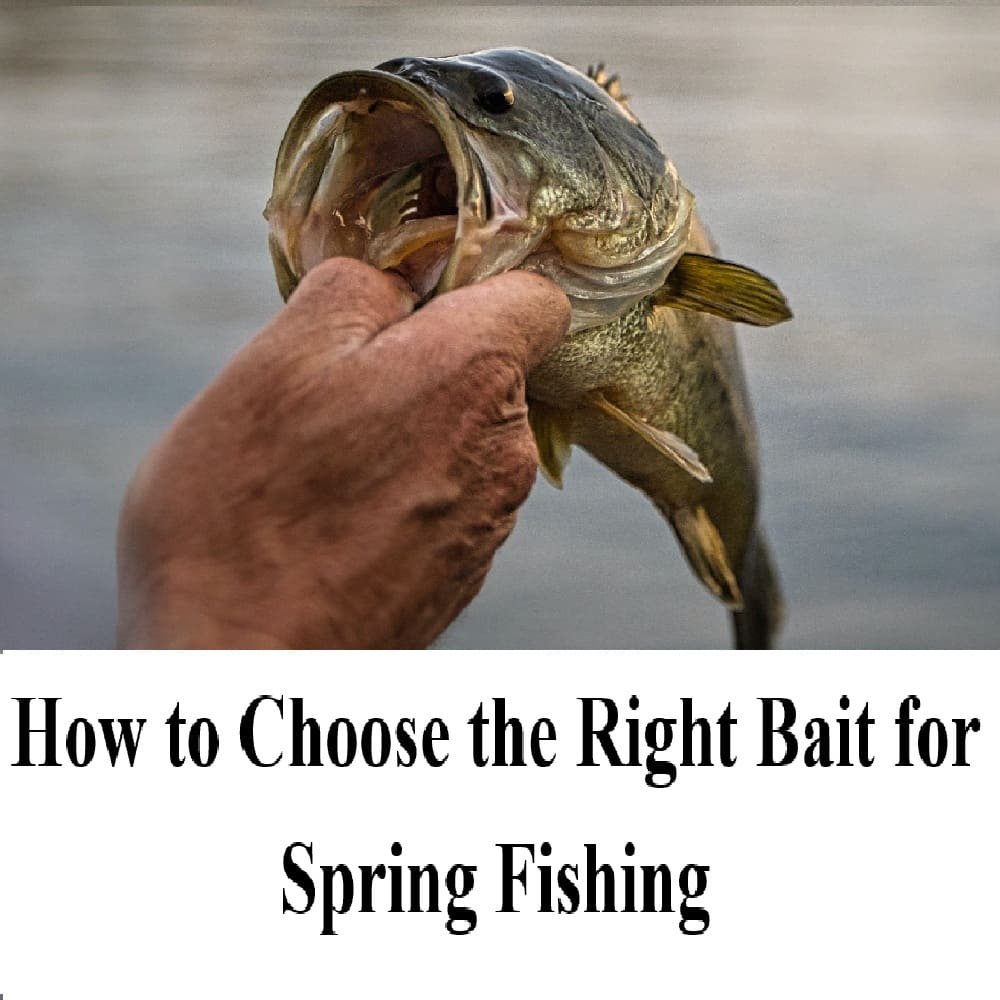
Spring is a period of major change in many U.S. fisheries. As water temperatures rise, fish become more active and begin searching for food after winter.
When learning how to choose bait based on season, spring is one of the most important times to adjust your approach. Fish often move into shallow areas and respond well to natural-looking presentations.
- ✦ Live bait options
Worms, minnows, and insects work well because they match common spring food sources.
- ✦ Artificial bait options
Soft plastics, spinnerbaits, and shallow-running crankbaits can imitate active prey.
- ✦ Spawning periods
Fish may become territorial, making certain lures effective near nesting areas.
Best Spring Bait Selection Tips
Start with natural colors and smaller sizes early in spring. As water warms, increase bait size and action to match growing fish activity.
- ✦ Early spring
Use slow presentations with small bait profiles.
- ✦ Late spring
Try faster-moving lures as fish become more aggressive.
How to Choose Bait for Summer Fishing
Summer brings warmer water and higher fish activity in many regions. However, hot conditions can also push fish into deeper or shaded areas.
The best way to understand how to choose bait based on season during summer is to consider where fish hide during heat. Early mornings, evenings, and deeper water often produce better results.

- ✦ Topwater choices
Use frogs, poppers, and surface lures during low-light periods.
- ✦ Deep water choices
Use jigs, worms, and diving lures when fish move deeper.
- ✦ Fast-moving bait
Active lures can trigger reaction strikes from aggressive fish.
Summer Feeding Patterns
Fish often feed heavily during cooler parts of the day. Matching your bait timing with these feeding windows can improve your chances.
- ✦ Morning fishing
Surface bait often works well before temperatures rise.
How to Choose Bait for Fall Fishing
Fall is one of the most exciting seasons for many anglers. Cooling water often increases feeding activity as fish prepare for colder months.
When deciding how to choose bait based on season in autumn, focus on baitfish patterns. Many predators follow schools of smaller fish and become more aggressive.

- ✦ Imitate baitfish
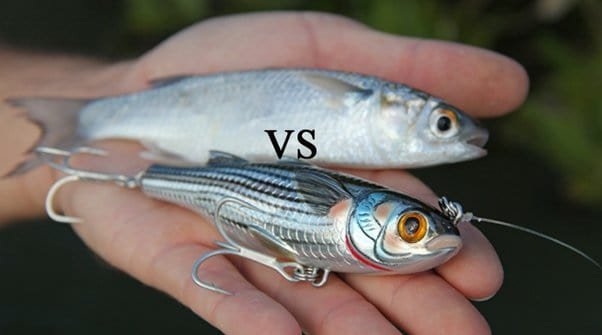
Use lures that copy local prey fish in size, shape, and movement.
- ✦ Cover more water
Active fish often move, so searching areas with moving bait can help.
Fall Bait Mistakes to Avoid
Avoid using only summer patterns during fall. Fish often become more focused on larger meals before winter.
- ✦ Wrong bait size
Very small bait may not match the larger feeding opportunities available in fall.
How to Choose Bait for Winter Fishing
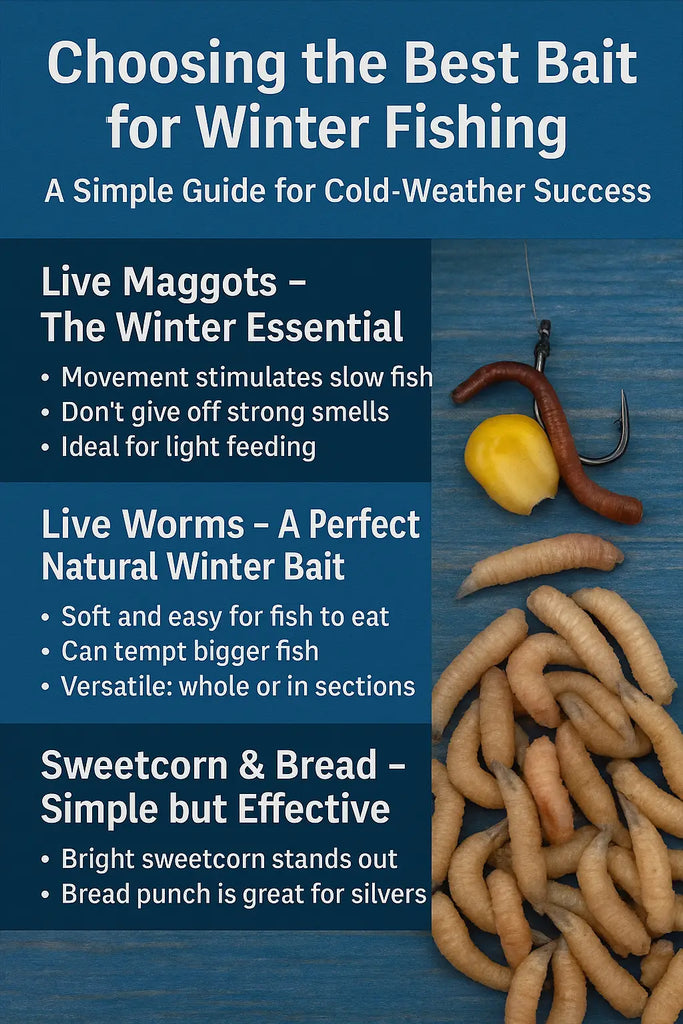
Winter fishing requires patience and careful bait selection. Cold water slows fish down, so aggressive presentations often work less effectively.
Understanding how to choose bait based on season during winter means choosing smaller profiles, slower movements, and realistic presentations.
- ✦ Small natural bait
Minnows, worms, and small soft plastics can match limited winter feeding.
- ✦ Slow presentation
Move bait slowly to give inactive fish more time to strike.
- ✦ Deep water strategy
Many fish move deeper where temperatures stay more stable.
Winter Fishing Adjustments
Winter success often comes from slowing down. Small changes in bait size, speed, and location can create better results.
- ✦ Be patient
Allow fish more time to approach and strike the bait.
How Water Conditions Change Seasonal Bait Selection
Season alone does not decide the best bait. Weather, water clarity, current, and fishing pressure also affect fish response.
A smart angler combines seasonal knowledge with real-time observations. This approach makes how to choose bait based on season more accurate and practical.

- ✦ Clear water
Use natural colors and realistic bait movement.
- ✦ Muddy water
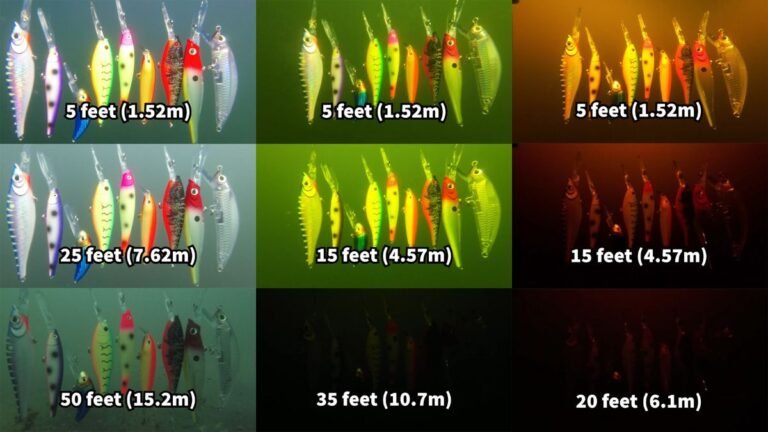
Use brighter colors and vibration to help fish locate bait.
- ✦ Changing weather
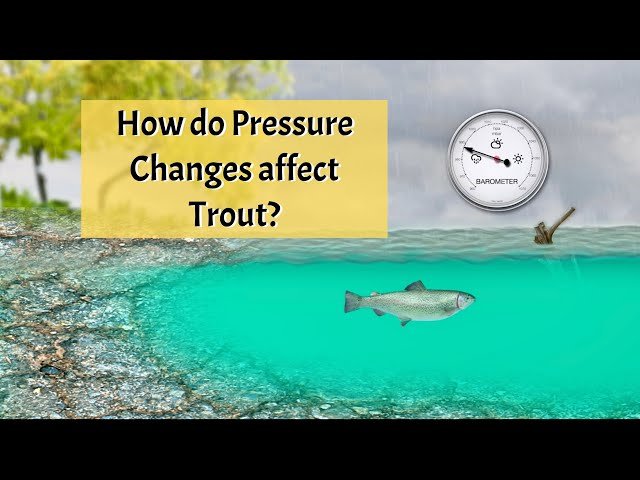
Adjust bait choice when sudden temperature changes affect fish activity.
Frequently Asked Questions about how to choose bait based on season

fishingscouty
Contributor