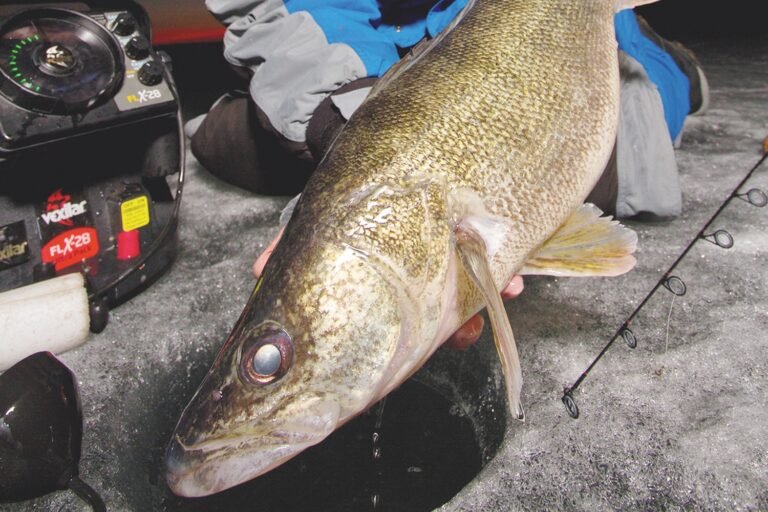
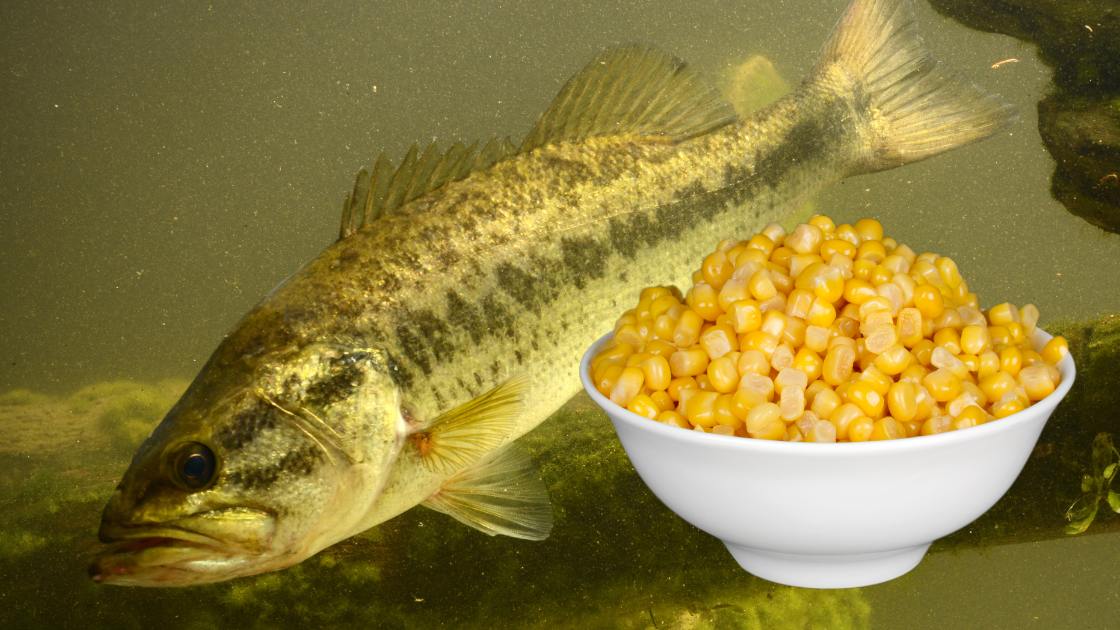
Yes — corn works as bait for trout and can be surprisingly effective in many situations.
I’ve fished trout for years in rivers, lakes, and reservoirs, and I’ve tested corn as bait more than once. In this guide I’ll explain whether can corn be used as bait for trout fishing, how it works, when to use it, how to rig it, legal and ethical points, plus real tips from my own outings so you can decide if corn should be in your tackle box. Read on for clear, practical advice and step-by-step methods that actually catch fish.
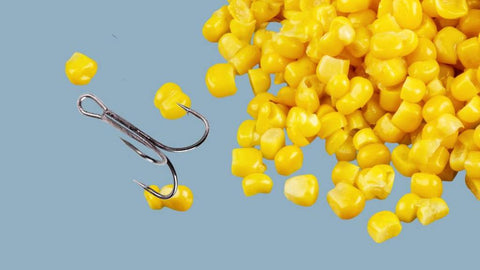
How corn attracts trout and why it works
Trout will eat corn because it looks like a simple carbohydrate food item and stands out in certain waters. The color, size, and scent of corn kernels can trigger strikes, especially from curious or opportunistic trout.
Here’s why can corn be used as bait for trout fishing:
- Corn is bright and visible in many water conditions.
- The soft texture is easy for trout to mouth and swallow.
- Corn holds on the hook well when prepared correctly.
- Corn can be flavored or scented to increase attraction.
From experience, trout often take corn in pressured lakes where natural prey is limited. I’ve seen trout ignore flashy lures but eat a single corn kernel offered on light tackle. The strategy works best when trout are feeding opportunistically rather than actively chasing fast prey.

Types of corn and how to prepare it
Not all corn bait is the same. Choose the right form for your conditions and rig.
Common types and prep:
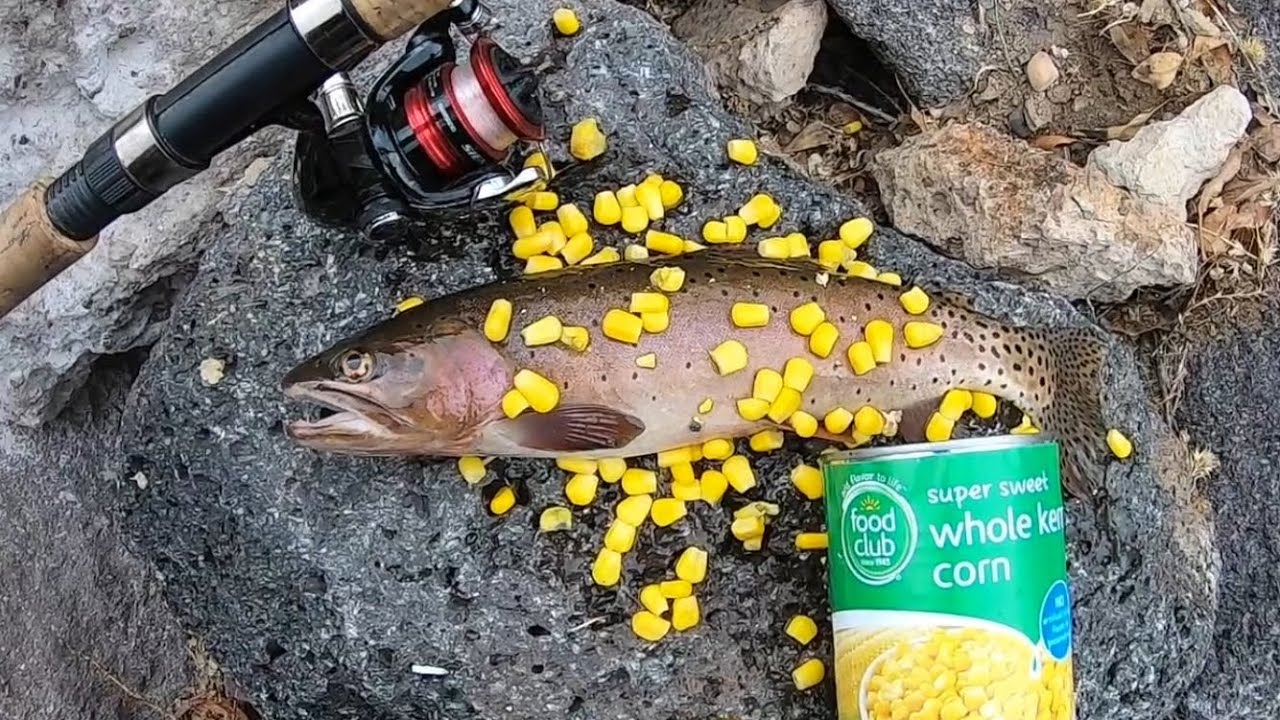
- Canned sweet corn
- Ready to use straight from the can. Rinse to remove excess syrup. Works well for beginners.
- Frozen or thawed corn
- Often firmer than canned. Thaw and soak slightly for better hook retention.
- Soaked dry corn
- Dry kernels soaked overnight become soft and plump. They can be more natural-feeling.
- Artificial corn
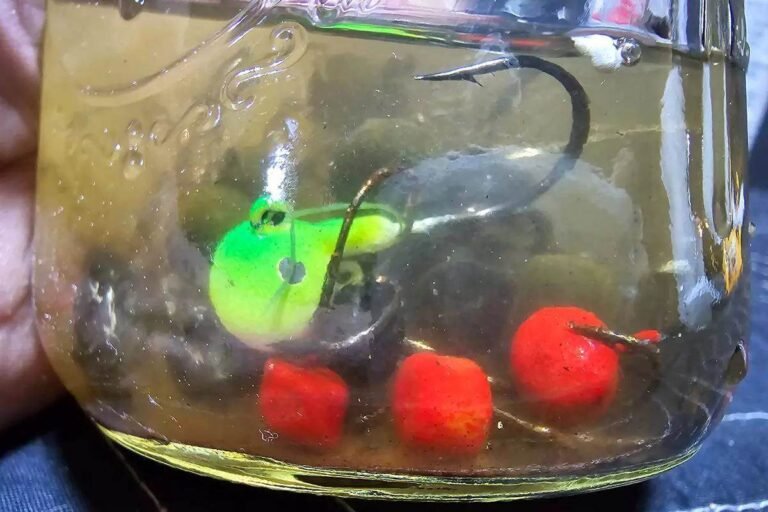
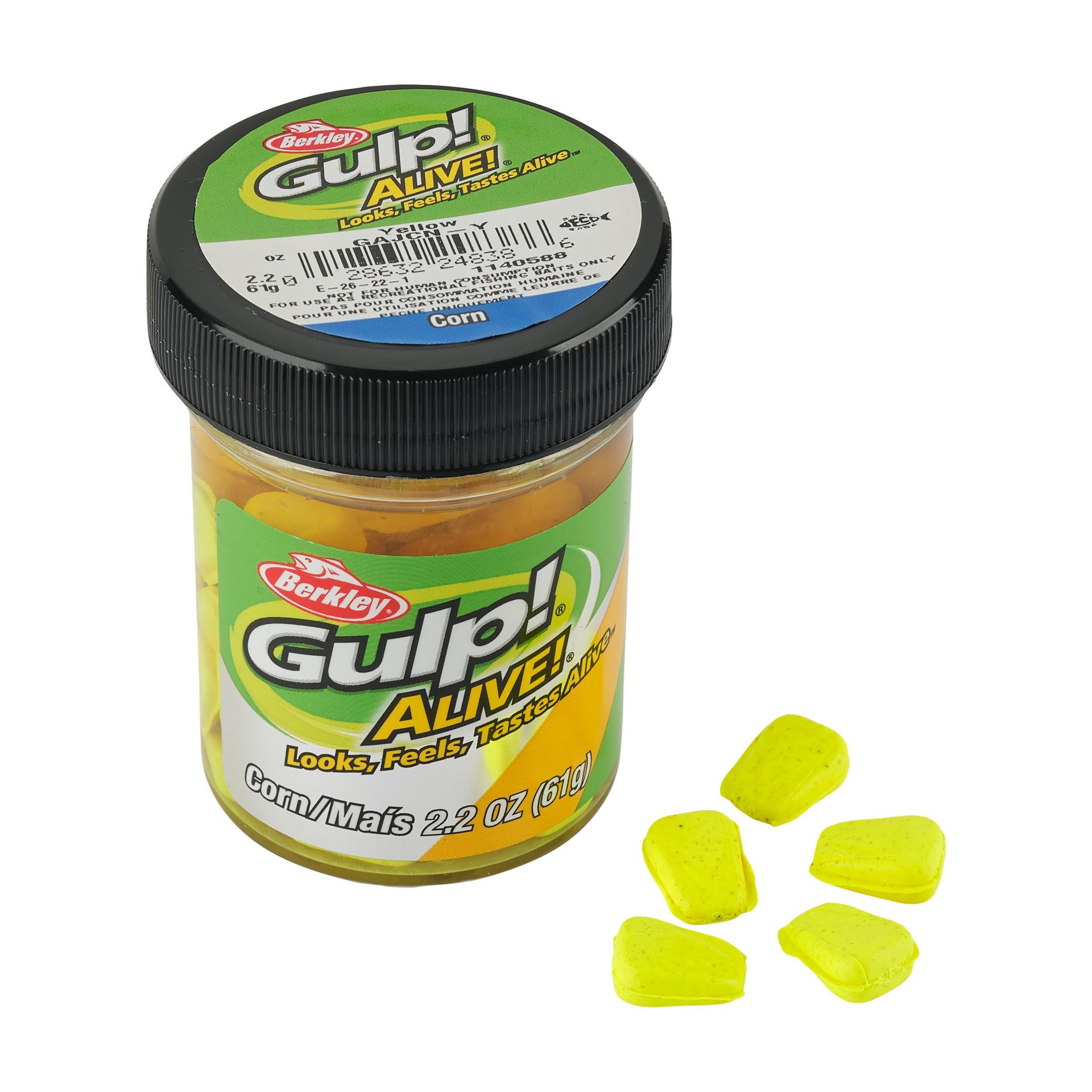
- Silicone or plastic imitation kernels last longer and act like boilies for trout.
How to prepare:
- Rinse canned corn to remove sugary smell if trout are wary.
- Soak dry corn 12–24 hours in water or add attractant.
- Slightly mash or crush a kernel if trout prefer softer food in cold water.
- Use a micro-barb or bait band for better retention on the hook.
When asking can corn be used as bait for trout fishing, preparation is often the difference between a pass and a strike. Proper prep makes the corn feel natural and stay on the hook longer.
Rigging and presentation techniques
Presentation matters more than the bait itself. Use light line and small hooks for best results.
Effective rigs:
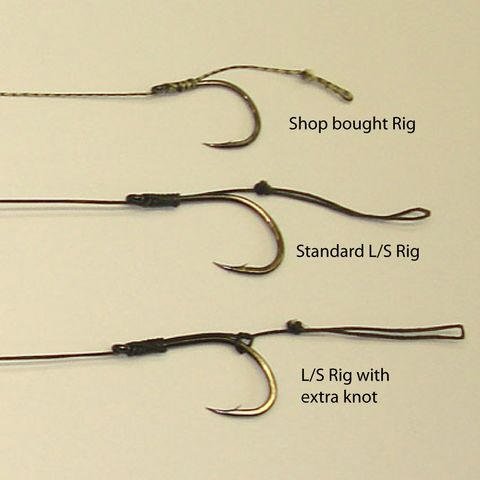
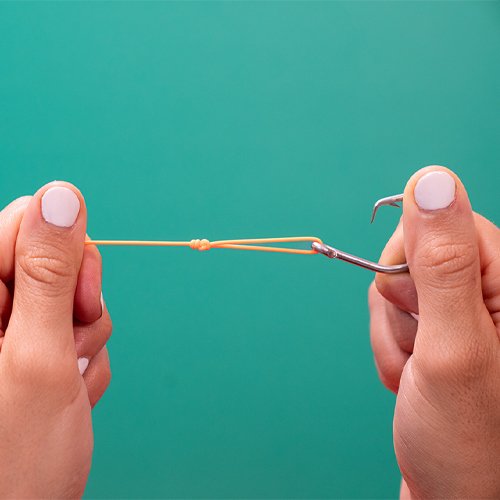
- Single small hook rig
- Use size 10–16 hooks. Thread a kernel onto the hook point so the eye is exposed.
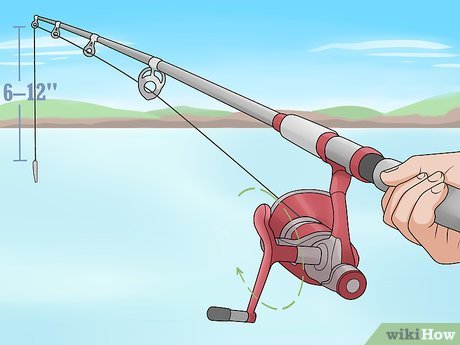
- Float or bobber rig
- Keeps corn in the strike zone, ideal for shallow water or near weeds.
- Drop-shot or weightless rig
- Keeps bait off the bottom and visible to trout that feed mid-water.
- Bottom rig with small sinker
- Useful in lakes where trout feed near the substrate.
Tips for hooking corn:
- Hook through the edge of the kernel so it spins naturally.
- Use a bait band to protect small kernels from being pulled off.
- Keep tackle light; trout may pick the corn up gently and spit it if the hook is too heavy.
I once lost a promising string of bites on a windy morning until I switched to a float rig with a single kernel. The fish took it more confidently once the presentation looked natural.
When corn works best — seasons, water, and trout behavior
Corn is not a universal solution. Knowing when to use it increases success.
Best conditions for corn:
- Cold to cool water where trout feed slowly
- Pressured waters with many anglers using spinners and flies
- Situations where natural food is scarce, like post-hatch lulls
- Lakes and ponds where trout are used to human food
Limitations:
- Fast-moving rivers with strong currents may strip off kernels.
- Aggressive, active trout chasing minnows may ignore corn.
- Warm, oxygen-rich streams with abundant insect life often favor natural prey.
Short PAA-style answers:
Q: Will trout eat corn in winter?
A: Yes, trout will eat corn in colder months when they prefer slow, easy meals. Corn’s low profile can trigger bites when other bait fails.
Q: Is corn good for stocked trout?
A: Stocked trout often accept corn readily because they are familiar with pelletized feed and human-provided food.
Pros and cons of using corn for trout fishing
Weigh the advantages and drawbacks before you rely on corn.
Pros:
- Cheap and widely available
- Easy to store and prepare
- Effective in many still-water and pressured scenarios
- Can be flavored or dyed for added attraction
Cons:
- Not always legal in every water — check local rules
- Can attract non-target species like carp
- Less effective in fast rivers or during insect hatches
- Can be messy and less durable than artificial baits
From my experience, corn shines when you want a low-cost, reliable option for picky trout. But it’s not a silver bullet; combine it with other tactics for best results.
Legal, ethical, and environmental considerations
Before using corn, confirm local regulations. Some fisheries restrict natural or store-bought baits to protect native species and water quality.
Guidelines to follow:
- Check local fishery rules about plant-based baits and bait restrictions.
- Avoid dumping unused corn into the water; it can alter nutrient levels.
- Do not use corn in protected trout streams where bait is banned.
- Practice catch-and-release carefully; remove hooks gently and revive fish.
I once fished a small mountain stream only to be told bait was prohibited there. A quick check of posted signs would have saved me a wasted morning. Always verify rules before you fish.

Practical tips and mistakes to avoid
Small changes in approach can yield more bites.
Practical tips:
- Use small, natural-colored kernels for wary trout.
- Match hook size to kernel size and trout mouths.
- Keep your line light and stealthy; trout can be spooky around heavy tackle.
- Try flavored additives sparingly — too much scent can look unnatural.
Common mistakes:
- Overusing bright dyes that spook trout in clear water.
- Using large, heavy hooks that prevent natural bait movement.
- Leaving excess corn in the water and creating unwanted feeding areas.
I learned to keep a small bottle of liquid attractant and use it lightly. Too much scent drew desperate carp instead of trout.

Frequently Asked Questions of can corn be used as bait for trout fishing
Will trout eat corn in clear streams?
Trout in clear streams can eat corn if presented naturally and quietly, but they are often more insect-focused. Use small kernels and light line for the best chance.
How do I keep corn on the hook?
Thread the kernel through the thinner edge or use a bait band. Slightly softening the kernel makes it stay on better without looking fake.
Can I use canned sweet corn straight from the can?
Yes, canned sweet corn works well after rinsing to remove syrup. Rinse in water to reduce overly strong smells that may deter wary trout.
Is corn safe for catch-and-release trout?
Corn is safe for catch-and-release if handlers are careful. Remove hooks quickly, avoid deep hooking, and revive fish before release.
Does scented corn attract other species?
Yes, scented corn may attract carp, catfish, and other opportunistic feeders. Use location-appropriate tactics to reduce bycatch.
Conclusion
Corn is a legitimate, low-cost bait that can catch trout in the right places and with proper presentation. If you wonder can corn be used as bait for trout fishing, the short answer is yes — and with the tips above you can use it more effectively. Test corn on calm days, use light gear, and respect local rules to boost your success. Try it on your next trip, adapt based on fish behavior, and share what you learn with fellow anglers — then leave a comment below or subscribe for more practical fishing tips.