Knowing how to choose bait based on current can completely change your fishing results. Water movement affects where fish hold, how they feed, and how natural your bait looks. A bait that works well in calm water may fail when placed in fast-moving current.
Experienced anglers learn to read the water before selecting a lure or live bait. They look at current speed, depth, structure, and the type of prey available. In many U.S. rivers and streams, matching bait movement with current direction is one of the most reliable ways to attract fish.

Why Current Matters When Choosing Fishing Bait
Current controls how fish move and feed. In moving water, fish often position themselves behind rocks, logs, and deep pockets where they can save energy while waiting for food to drift past.
When learning how to choose bait based on current, the main goal is to copy the natural movement of prey. A bait that moves against the flow or sinks too quickly can look unnatural and reduce your chances of a bite.
- ✦ Fish conserve energy
Many fish stay in areas where they can easily grab food carried by the current without fighting strong water flow.
- ✦ Current changes bait movement
Water speed affects how quickly your bait travels, sinks, and creates vibration.
Understanding Current Speed
Slow current allows fish to inspect bait longer, so natural presentations often work best. Fast current creates less reaction time, so larger profiles and stronger actions can attract attention.
- ✦ Slow current
Use lightweight soft plastics, worms, insects, and subtle-moving lures.
- ✦ Fast current
Use heavier jigs, weighted rigs, and lures that maintain control.
How to Choose Bait Based on Current Strength
The strength of the current is one of the biggest factors when selecting bait. Strong water flow can push light bait away from feeding zones, while heavy bait can stay too deep in calm areas.
When considering how to choose bait based on current, think about bait weight, speed, and control. Your bait should move naturally while staying where fish are likely to feed.
- ✦ Light current bait choices
Small minnows, worms, floating insects, and lightweight soft plastics work well because they move naturally.
- ✦ Medium current bait choices
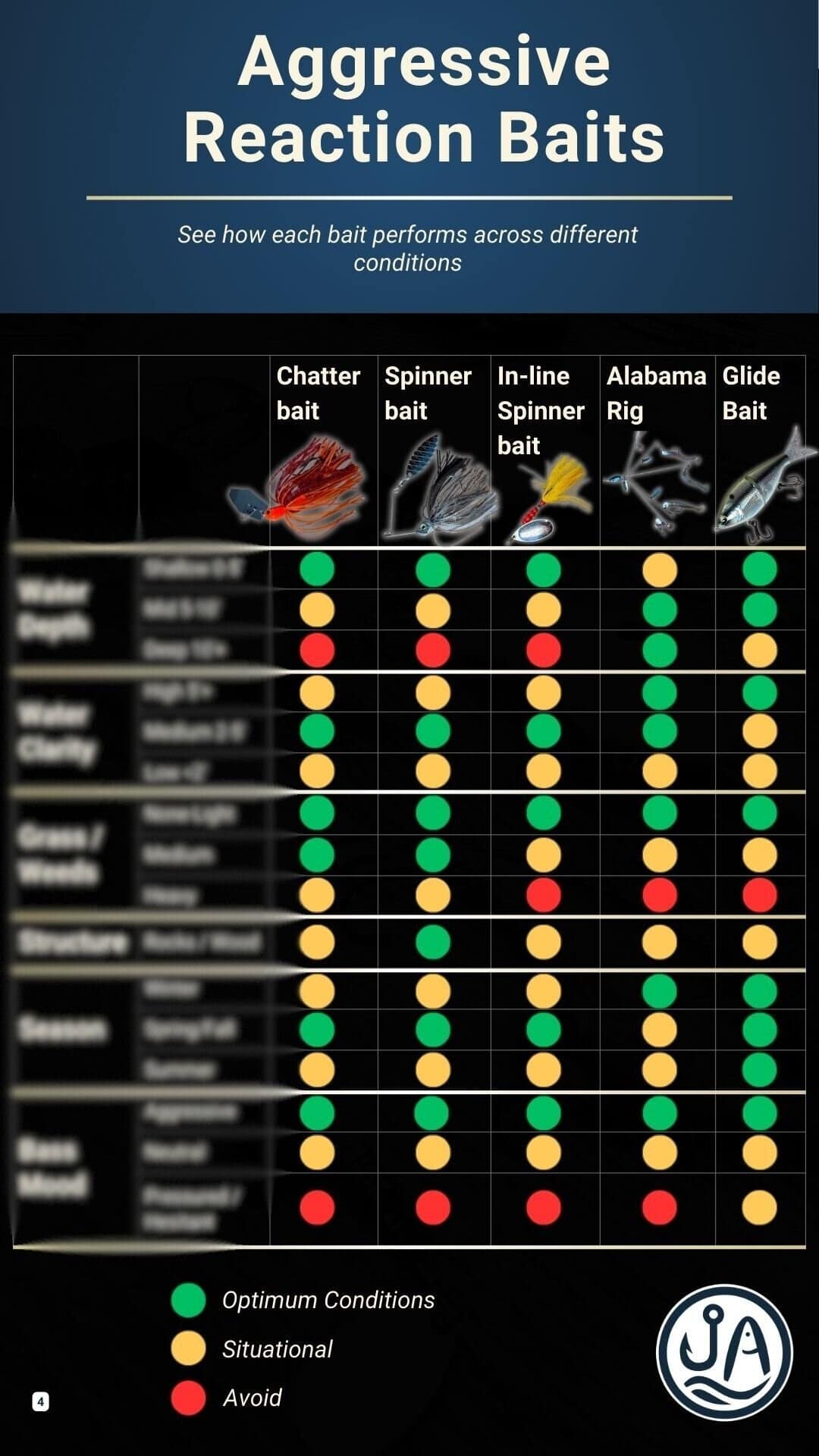
Use spinnerbaits, jigs, and weighted soft plastics to maintain control and attract active fish.
- ✦ Heavy current bait choices
Choose heavier rigs, sinkers, and strong-action lures that stay stable in powerful water.
Adjusting Bait Weight for Current
Adding weight helps your bait reach deeper holding areas. However, too much weight can make your presentation look unnatural and reduce bites.
- ✦ Use enough weight
The bait should reach the target depth while still moving with the current.
Choosing Natural Bait for Different Current Conditions
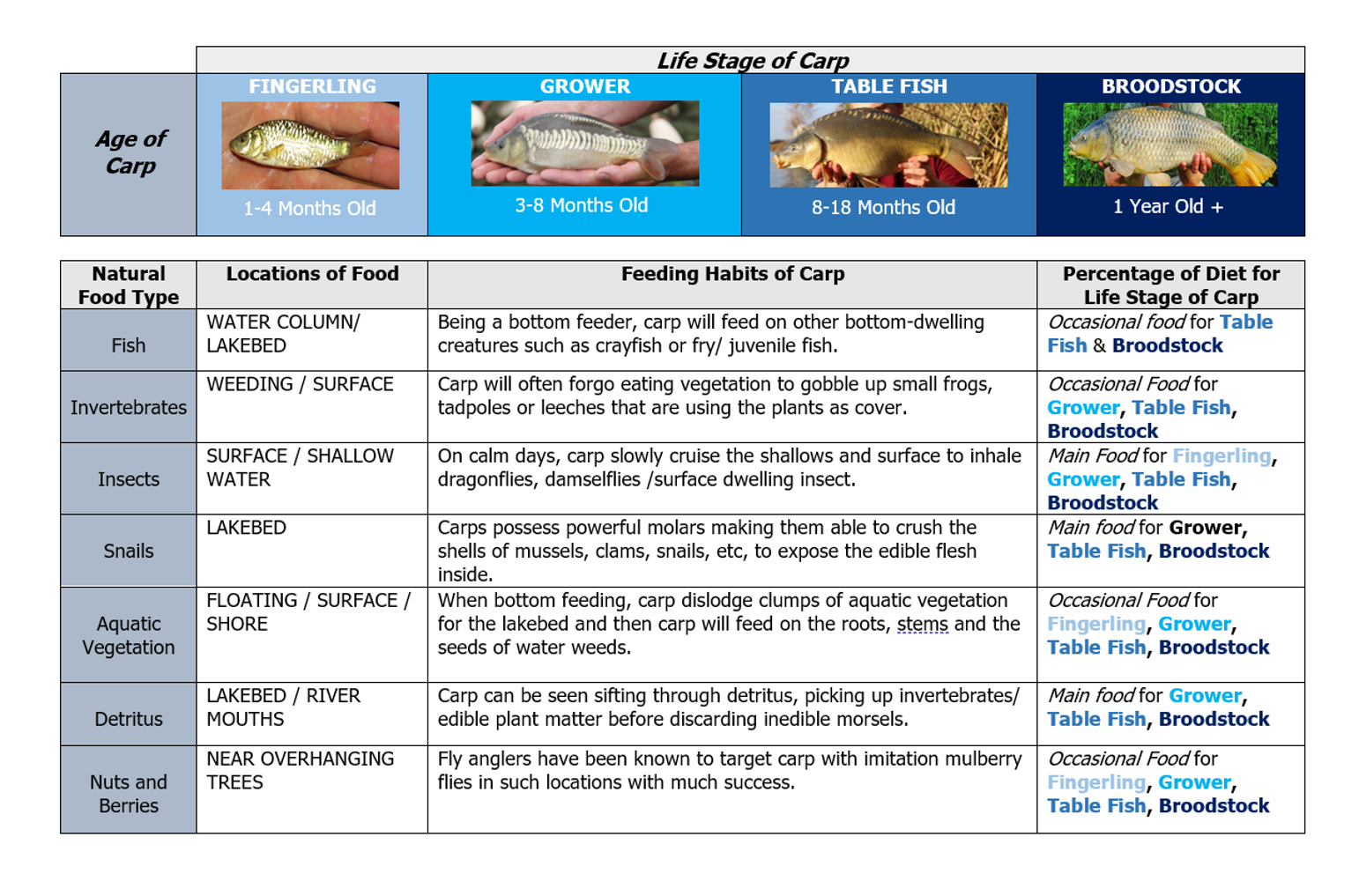
Natural bait is effective because it already matches what fish expect to find in their environment. Worms, minnows, insects, and crustaceans can work very well when presented correctly.
Learning how to choose bait based on current means understanding how natural food moves. Many river fish feed by watching food drift downstream, so your bait should follow that same path.
- ✦ Worms
Great for slower current areas because they provide natural movement and scent.
- ✦ Minnows
Useful in moderate current because they imitate struggling baitfish.
- ✦ Insects
Effective near shallow current where fish feed on surface and drifting insects.
Drift Fishing With Natural Bait
Drift fishing allows bait to move naturally with the water flow. This method is popular for species like trout, salmon, and smallmouth bass in moving water.
Selecting Artificial Lures for Moving Water
Artificial lures give anglers more control in changing current conditions. The right lure can create vibration, flash, and movement that attracts fish even when visibility is low.
When exploring how to choose bait based on current, artificial lures should match both water speed and fish activity. Active fish often respond to faster-moving presentations, while pressured fish may need slower action.

- ✦ Jigs
Jigs are excellent for deep current because they maintain bottom contact.
- ✦ Spinnerbaits
Spinnerbaits create vibration and flash that help fish locate bait in moving water.
- ✦ Crankbaits
Crankbaits work well when fish chase moving prey in moderate current.
Matching Lure Action With Current
Fast current often increases lure action naturally, so anglers may need slower retrieves. In calmer water, extra movement can help attract attention.
How Depth and Current Work Together When Picking Bait
Current changes at different depths. Surface water may move quickly while deeper areas remain calmer. Fish often choose depth based on comfort, temperature, and available food.
A key part of how to choose bait based on current is selecting a bait that reaches the correct depth. The best bait is not only attractive but also placed where fish are feeding.

- ✦ Shallow current
Use floating lures, topwater baits, and lightweight presentations.
- ✦ Deep current
Use weighted rigs and sinking lures that reach holding areas.
Common Mistakes When Choosing Bait in Current
Many anglers choose bait based only on fish species and ignore water movement. Current can completely change how a bait performs.
Avoiding simple mistakes can improve your results. Pay attention to how your bait behaves after it enters the water.
- ✦ Using bait that is too light
Light bait may drift away before reaching feeding zones in strong current.
- ✦ Ignoring natural movement
Fish notice unnatural bait movement, especially in clear water.
- ✦ Not adjusting technique
Change retrieve speed and depth when current conditions change.
Frequently Asked Questions about how to choose bait based on current

fishingscouty
Contributor