Live bait often lands more bites; lures give control, durability, and more sport.
I have fished lakes, rivers, and saltwater for over 15 years. I tested live bait vs lures in many conditions. This guide breaks down why each works. Read on to learn when to use live bait vs lures, how fish respond, and practical tips you can use on your next trip.
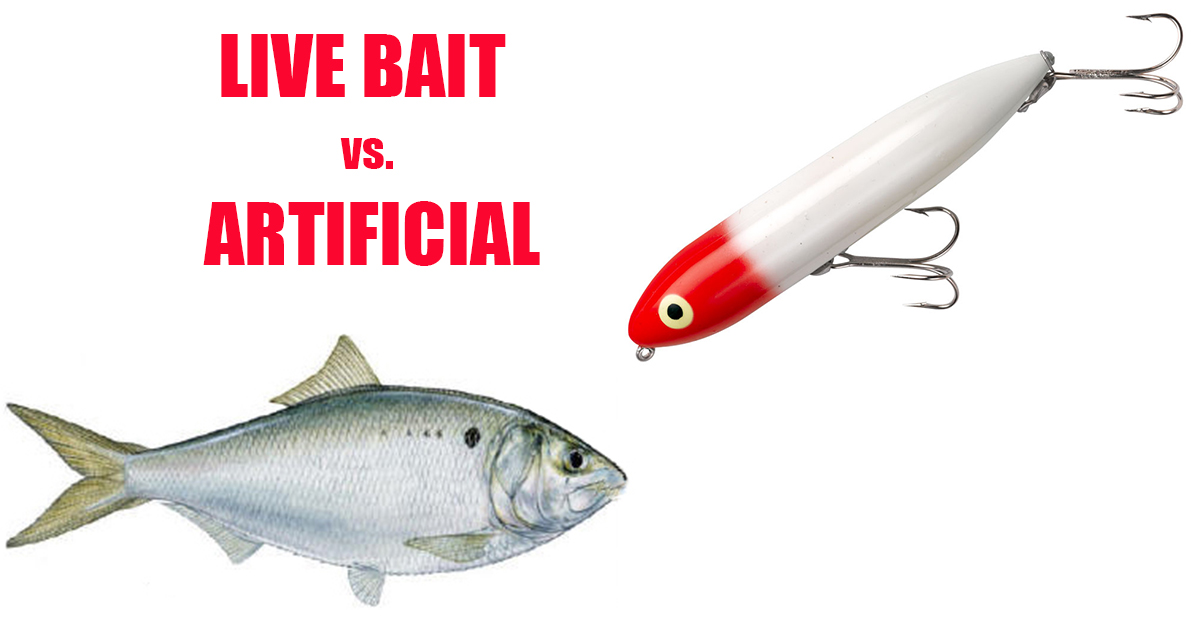
Why anglers debate live bait vs lures
Many anglers ask which is better: live bait vs lures. The short truth is situational. Fish behavior, water, and target species change the answer. Knowing the strengths of each helps you decide on the water.

How fish perceive live bait vs lures
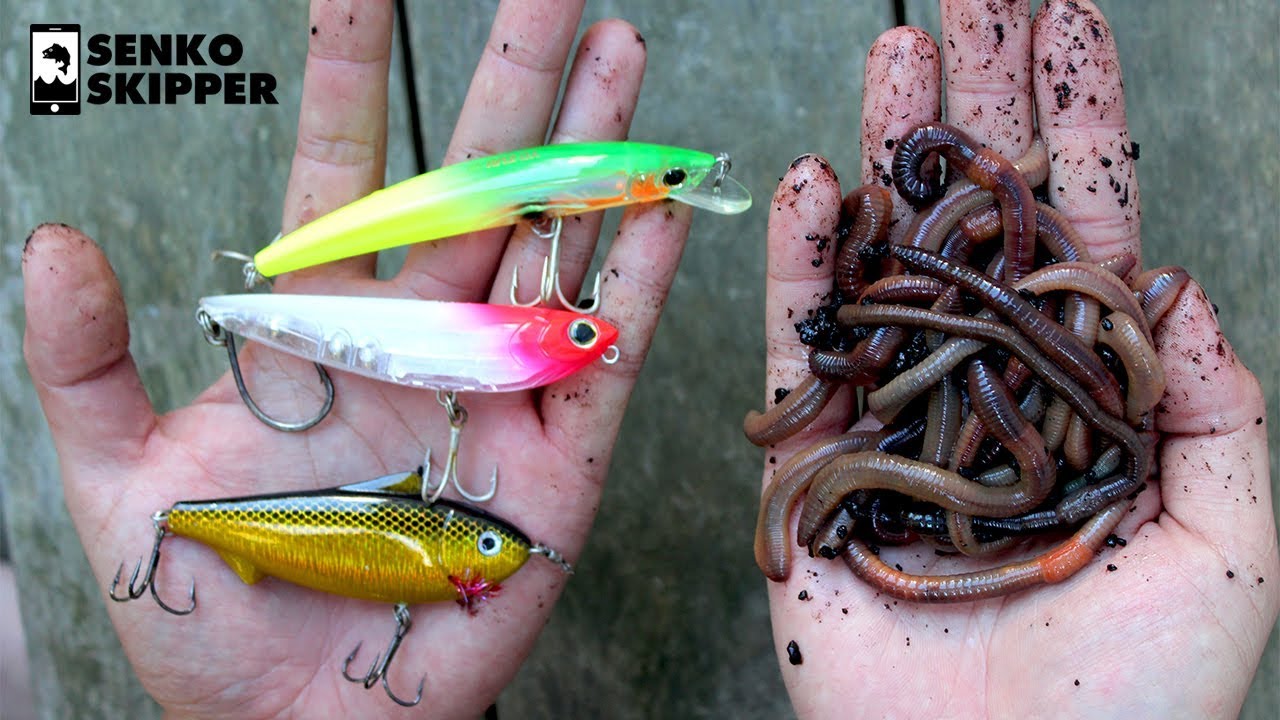
Fish use sight, smell, and lateral-line senses to find food. Live bait gives scent and real movement. Lures give visual flash, vibration, and varied action. Matching the right cue to the fish’s main sense often wins the bite.
Will smell beat a flashy lure?
Yes, in low visibility or cold water, scent can matter most. Live bait’s natural scent helps fish find the bait when sight is limited.
Do fish prefer real prey over fake prey?
Often yes, but not always. Hunger, aggression, and competition can make fish strike lures fast.
Can a lure mimic live bait well enough?
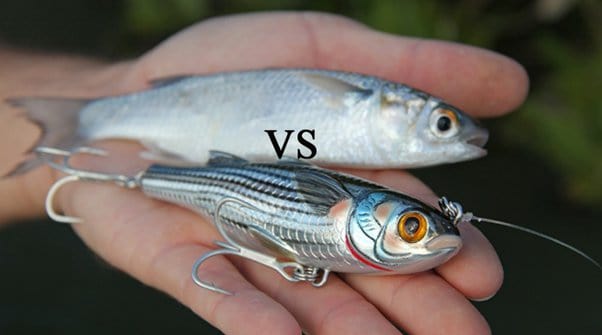
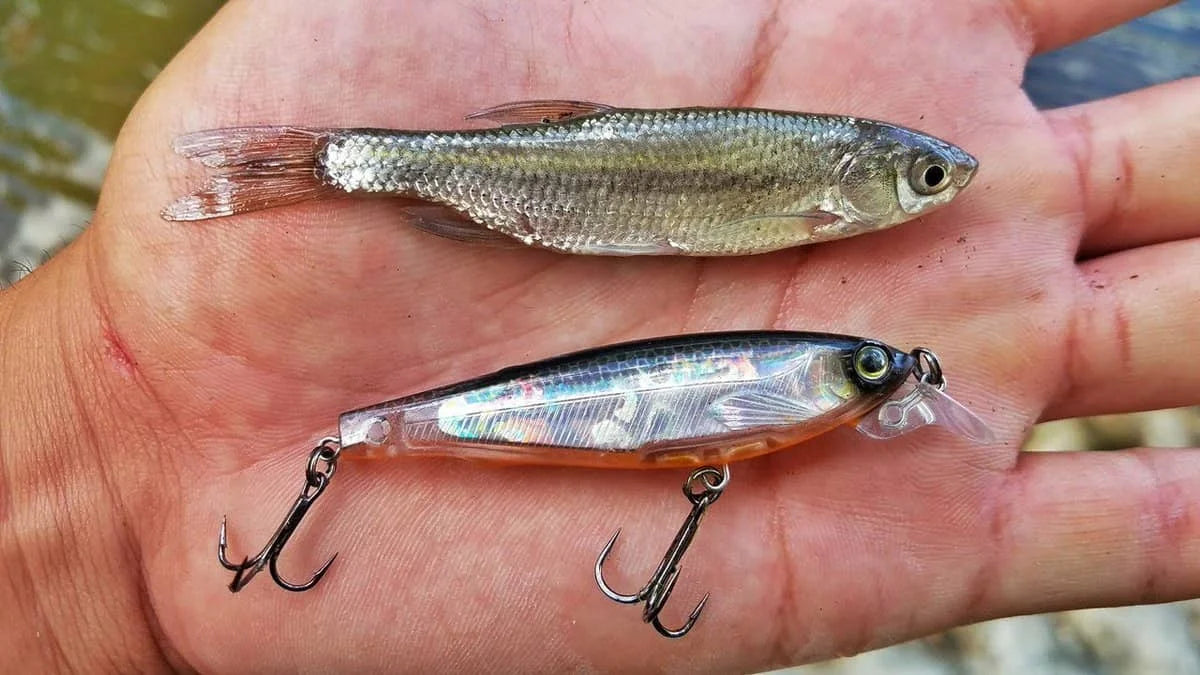
Modern lures can mimic action and vibration very well. In many cases, a well-presented lure equals live bait results.
Types of live bait and when to use them
Live bait comes in many forms. Use small minnows for bass, nightcrawlers for panfish, crabs for saltwater, and shrimp for many species. Live bait works best when fish feed by scent or when fish are picky.

- Minnows: Good for bass, walleye, and trout. Rig under a bobber or on a jig head.
- Nightcrawlers and worms: Great for panfish and trout. Easy to store and effective.
- Shrimp and crabs: Best for saltwater species like snapper and redfish.
- Live bait rigs: Use float rigs, Carolina rigs, or simple hooks depending on depth.
Types of lures and when to use them
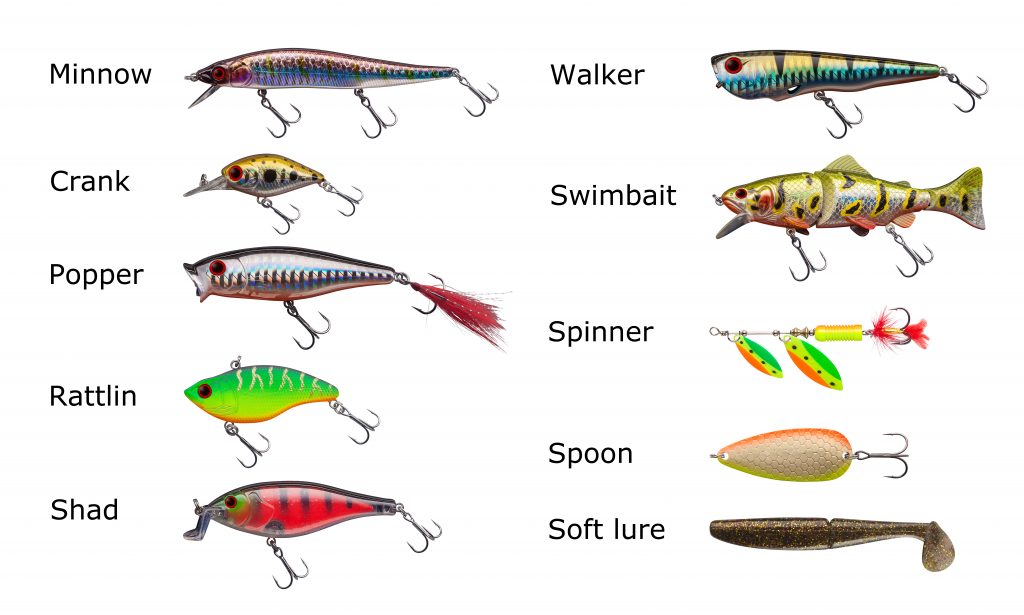
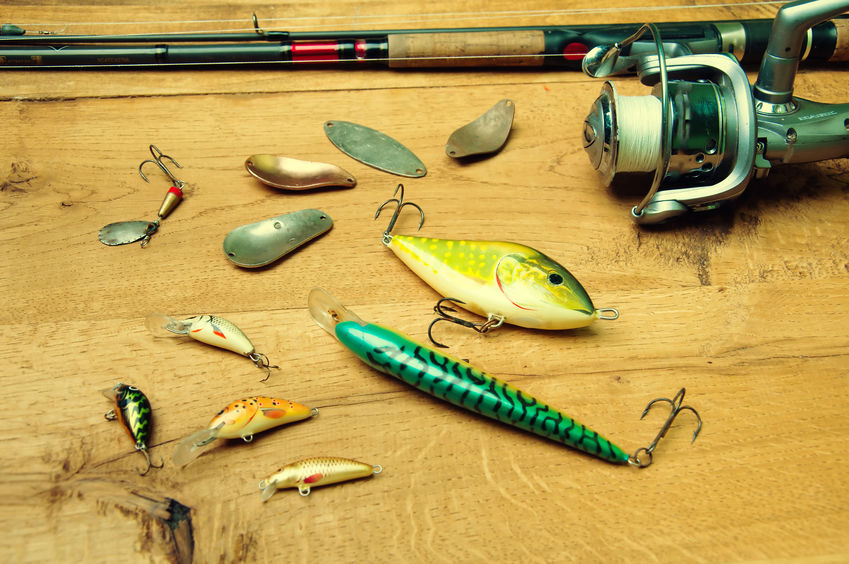
Lures include crankbaits, soft plastics, jigs, spoons, spinners, and topwaters. Each lure type hits a niche. Use topwaters at dawn or dusk. Use soft plastics for slow bites. Use spoons or spinners in murky water for flash.
- Crankbaits: Good for depth control and search patterns.
- Soft plastics: Great for finesse and varied retrieves.
- Jigs: Versatile for bottom fish and structure.
- Spoons and spinners: Provide flash and vibration in low visibility.
Pros and cons of live bait vs lures
Both options have clear benefits and limits. Live bait tends to catch more bites in some scenarios. Lures give control, reusability, and more sport. Choose based on conditions, law, and fish mood.
Advantages of live bait
- High scent and natural action attract picky fish.
- Often easier for beginners to use successfully.
- Great for pressured waters where fish avoid artificial shapes.
Limitations of live bait
- Short shelf life and storage needs.
- May be regulated or banned in some waters.
- Can be messy and needs proper handling.
Advantages of lures
- Reusable and cost-effective over time.
- Wide variety of styles for specific actions.
- Cleaner and easier to store.
Limitations of lures
- Require practice to present well.
- Less effective when fish rely on scent.
- Can spook fish in very clear water if used poorly.
Practical tips, tactics and rigs
Simple changes yield big gains. Match bait or lure size to forage. Slow down in cold water. Speed up in warm water. Try different retrieves until fish react.
- Rigging tips: For live bait, hook through the back or lip to keep movement. For soft plastics, use weedless hooks near cover.
- Presentation tips: Cast beyond structure and let bait drift naturally. Vary retrieve speed and add pauses with lures.
- Troubleshooting: If fish follow but don’t bite, downsize the bait or switch to a slower presentation.
Cost, legal and environmental factors
Cost and rules matter. Live bait costs add up and require care. Lures cost more up front but last. Some waters ban or limit live bait to prevent species spread. Follow local rules to protect fish and habitat.
- Cost comparison: Live bait has ongoing cost. Lures are a larger one-time purchase that lasts.
- Legal issues: Many fisheries regulate live bait to stop invasive species.
- Environmental tips: Use native live bait, dispose carefully, and avoid releasing non-native bait.
Personal experiences and lessons learned
I once switched from live minnows to a small soft plastic at dusk and doubled my catch. I learned to watch fish behavior first. If fish hit shallow and chase, lures win. If fish search slowly, live bait often wins. My best days came from mixing both approaches.
- Mistakes to avoid: Don’t overuse scent and forget presentation. Don’t assume one method always wins.
- Small wins: Carry a few live options and several lure types. Change quickly when fish ignore one approach.
- Confidence tip: Practice lure retrieves at home to build skill and avoid tangle time on the water.
Common angler questions (PAA-style)
What should I choose when I don’t know what fish want? Start with a small live bait or a natural-colored soft plastic. Watch fish response and switch if needed.
Does live bait work better in cold water? Often yes. Cold fish move slower and rely on scent and real movement.
Are lures better for sport and challenge? Yes. Lures let you vary action and trigger aggressive strikes.
Frequently Asked Questions of live bait vs lures
What is the main difference between live bait and lures?
Live bait uses real organisms. Lures are artificial and mimic prey using shape, color, and action.
Which catches more fish, live bait or lures?
Live bait often produces more consistent bites for some species. Lures can match or exceed live bait when presented well.
Can lures replace live bait for beginners?
Yes. Simple lures like spoons and spinners are beginner-friendly and effective with basic retrieves.
How does water clarity affect the choice?
In clear water, natural action and subtle lures work best. In murky water, scent and flash from live bait or spinners help fish find prey.
Are there conservation concerns with using live bait?
Yes. Using non-native live bait can spread invasive species. Follow local rules and avoid releasing unused bait.
Conclusion
Live bait vs lures is not a simple contest. Both tools have clear strengths. Use live bait for scent-driven, picky fish and tight presentations. Use lures for control, sport, and repeat casts. Test both, watch fish behavior, and adapt quickly. Try one change next trip: swap bait type or vary lure retrieve and note the result. Share your success or question below, and consider subscribing for more practical tips and real test results.