Learning how to use natural bait in rivers starts with understanding the river itself. Fish in moving water often follow natural feeding patterns, and they respond well to bait that looks, smells, and moves like their normal food. Worms, minnows, insects, shrimp, and small pieces of fish can all be effective when used correctly.
Over many years of fishing and testing different setups, I have learned that simple bait choices often beat complicated methods. A fresh worm placed near a river current can attract trout, bass, catfish, and many other freshwater species. The key is not only the bait but also where and how you present it.
Understanding Why Natural Bait Works in Rivers
Natural bait works because river fish are used to eating real food that flows through their habitat. currents carry insects, small fish, worms, and other creatures that become part of a fish’s daily diet.
When you learn how to use natural bait in rivers, you are copying the feeding conditions fish already understand. This creates a more realistic presentation compared with artificial lures that may look unfamiliar.
- ✦ Natural smell
Fresh bait releases scents that help fish find food, especially in cloudy water or strong currents.
- ✦ Real movement
Live bait moves naturally in the water and can trigger feeding reactions from nearby fish.
- ✦ Local food match
Using bait found near the river often matches what fish already recognize.
How River Conditions Affect Bait Choice
Water speed, depth, clarity, and temperature all affect how fish feed. In cold water, slower-moving bait can work better because fish have lower energy needs.
During warm months, insects, minnows, and active live bait often attract fish because natural food becomes more available.
- ✦ Clear water
Use smaller and more natural-looking bait because fish can inspect it closely.
Choosing the Best Natural Bait for River Fishing
The best bait depends on the fish you want to catch. There is no single option that works in every river. Successful anglers study what local fish naturally eat and choose bait based on those habits.
Common choices include earthworms, nightcrawlers, minnows, crayfish, insects, leeches, shrimp, and cut bait. Each type has strengths in different river environments.
- ✦ Earthworms
Worms are one of the easiest river baits and attract species like trout, bass, and panfish.
- ✦ Minnows
Live minnows work well for predatory fish that hunt smaller fish.
- ✦ Cut bait
Pieces of fish release strong scents and often attract catfish and other bottom feeders.
Using Local Bait Sources
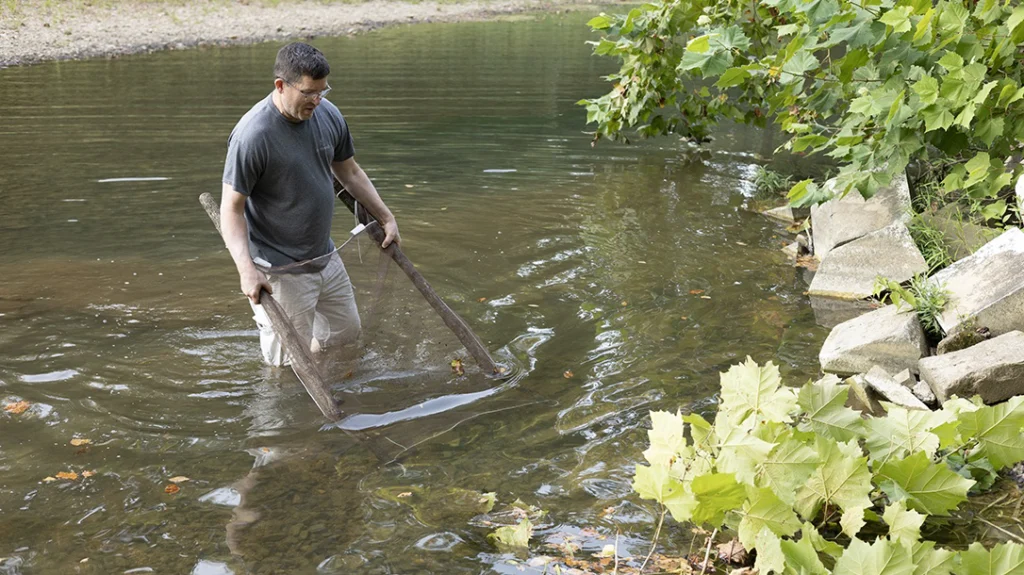
Many experienced anglers collect bait near their fishing area. Local insects, small baitfish, and natural creatures often provide a strong advantage because they match the river ecosystem.
Always check local fishing rules before collecting live bait. Some rivers have restrictions to protect native species.
- ✦ Match the environment
Choose bait that naturally exists in the river you are fishing.
How to Hook Natural Bait Correctly
Correct hook placement is one of the most important parts of learning how to use natural bait in rivers. A poorly hooked bait may look unnatural or fall apart before fish notice it.
The goal is to keep the bait secure while allowing it to move freely. Different bait types need different hooking methods.

- ✦ Worm hooking
Thread the hook through several points of the worm while leaving some movement at the end.
- ✦ Minnow hooking
Hook minnows through the lips or behind the dorsal fin to keep natural swimming action.
- ✦ Cut bait hooking
Attach firm pieces securely so they stay on the hook during current movement.
Keeping Bait Alive and Fresh
Fresh bait creates better results because fish respond more strongly to natural movement and scent. Store worms in cool soil and keep minnows in clean, oxygenated water.
Avoid exposing bait to extreme heat. A healthy bait presentation can make the difference between a slow day and a productive fishing trip.
- ✦ Use proper containers
Keep bait protected and organized during transportation.
Best River Fishing Rigs for Natural Bait
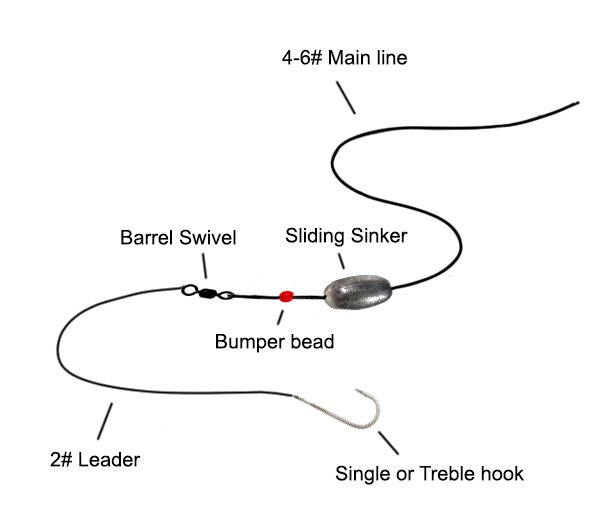
The right rig helps natural bait reach the feeding area. River currents can quickly move bait away, so anglers often use weights, floats, or simple bottom rigs.
When deciding how to use natural bait in rivers, think about where fish spend time. Many species stay near rocks, deep pools, fallen trees, and current breaks.

- ✦ Bobber rig
A float keeps bait suspended and works well for trout, panfish, and shallow water fishing.
- ✦ Bottom rig
A weighted setup keeps bait near the riverbed for catfish and bottom-feeding fish.
- ✦ Free drift rig
This allows bait to move naturally with the current.
Finding Productive River Locations
Fish usually avoid wasting energy in strong current. Look for areas where water slows down, such as behind rocks, bends, and deep holes.
Place bait where fish naturally wait for food to pass by.
- ✦ Current breaks
These areas provide shelter and easy feeding opportunities.
Common Mistakes When Using Natural Bait in Rivers
Many anglers fail with natural bait because they focus only on the bait and ignore presentation. Even the best bait will not work if it is placed away from feeding areas.
Avoid using old bait, oversized hooks, or unnatural movements. Small details often decide whether fish bite or ignore your setup.

- ✦ Using stale bait
Old bait loses scent and natural appeal.
- ✦ Wrong hook size
Large hooks can make bait look unnatural and reduce bites.
- ✦ Ignoring local rules
Always follow fishing regulations about bait use and collection.
Frequently Asked Questions about how to use natural bait in rivers

fishingscouty
Contributor