understanding how falling water affects fishing can help anglers make better decisions on rivers, lakes, and reservoirs across the United States. When water levels drop, fish lose access to some shallow areas and often move toward places that provide safety, food, and comfortable conditions.
After years of studying changing water conditions, many experienced anglers learn that falling water is not always bad for fishing. The key is knowing where fish go during the drop. A falling lake level, dropping river stage, or receding flood can reveal new opportunities if you adjust your approach.

Why Falling Water Changes Fish Behavior
To understand how falling water affects fishing, you first need to understand how fish react to changing environments. Fish are sensitive to water depth, current speed, oxygen levels, and available cover. When water starts dropping, they often move to areas that feel more secure.
A sudden drop can make fish less comfortable because their normal feeding zones change. Many species leave exposed flats and move toward channels, holes, points, and submerged structures.
- ✦ Reduced shallow habitat
Falling water removes shallow feeding areas and forces fish to search for new locations.
- ✦ Movement toward stability
Fish often prefer deeper water where temperature and conditions change more slowly.
- ✦ Changed feeding routes
Baitfish and insects move differently, which changes where predators hunt.
How Predatory Fish React to Falling Water
Bass, pike, walleye, and other predators often follow baitfish during water drops. They may gather near creek channels, drop-offs, rocks, and underwater vegetation where prey becomes easier to find.
Many anglers notice that fish become easier to pattern when water falls at a steady rate. Rapid drops can make fish more cautious because they are adjusting to constant change.
- ✦ Bass movement
Bass often leave shallow cover and move closer to deeper edges or current breaks.
How Falling Water Affects River Fishing
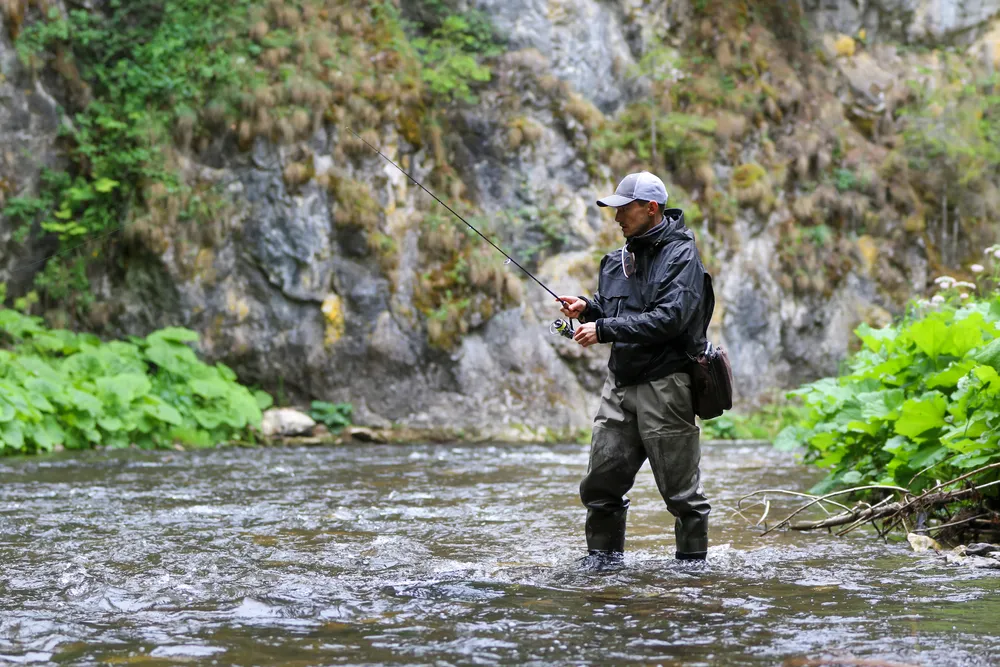
River fishing changes quickly when water levels fall. As current slows and banks become exposed, fish often move away from fast water and search for areas where they can conserve energy.
Knowing how falling water affects fishing in rivers helps anglers focus on deeper pools, outside bends, bridge areas, and places where current meets calmer water.
- ✦ Deep pools become important
Fish use deeper pools as resting areas when falling water reduces available habitat.
- ✦ Current seams hold fish
Areas where fast and slow water meet often provide feeding opportunities.
Best River Locations During Falling Water
Look for areas that still offer protection and food. Rocks, submerged logs, deep holes, and river bends can hold fish as water levels decline.
A falling river can also concentrate fish because smaller pockets of suitable habitat remain available.
- ✦ Outside bends
These areas often create deeper water where fish can hide.
- ✦ Creek mouths
Incoming water can bring food and attract feeding fish.
How Falling Water Affects Lake and Reservoir Fishing
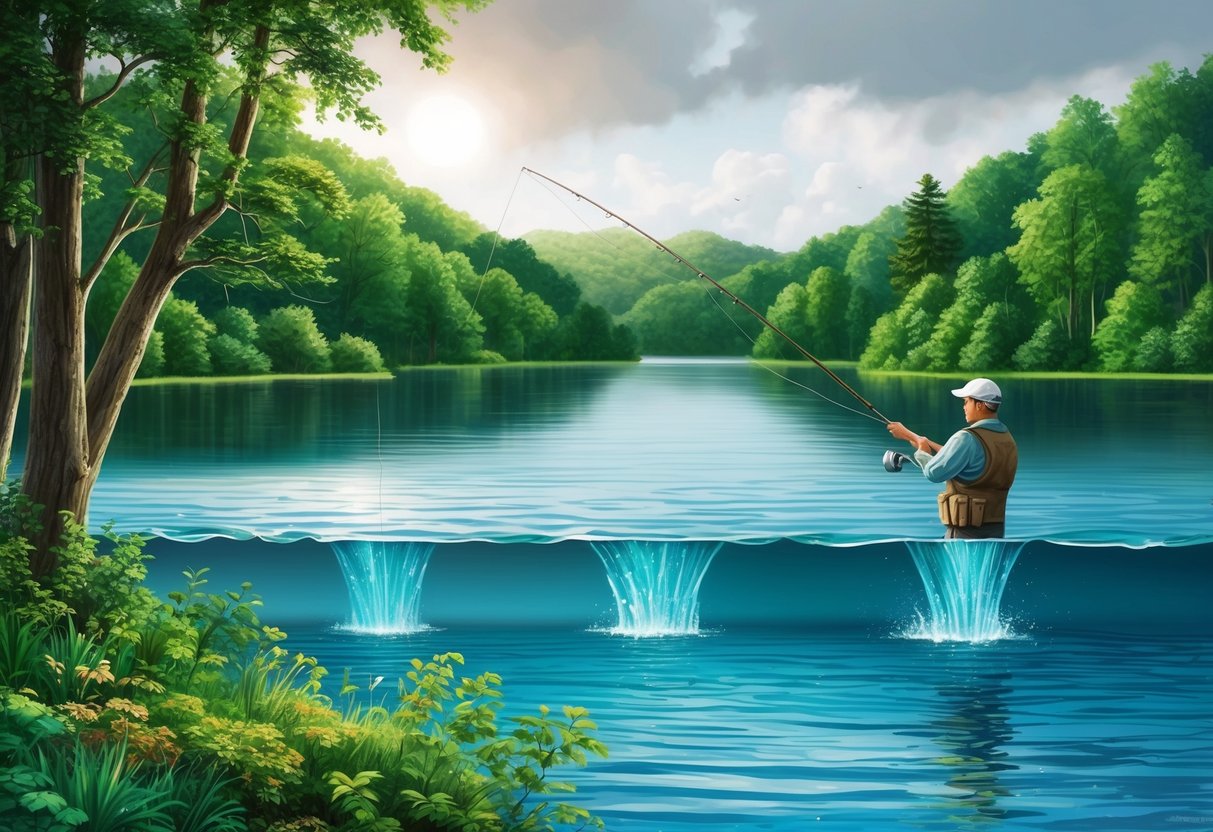
In lakes and reservoirs, falling water can create major changes in fish location. Many man-made reservoirs experience seasonal drawdowns, and fish learn to adjust to these predictable changes.
When exploring how falling water affects fishing in lakes, anglers should focus on structure. Points, creek channels, submerged roads, and deep edges often become key areas.
- ✦ Target structure
Fish often gather around underwater features that provide cover and feeding opportunities.
- ✦ Watch bait movement
Predators usually stay close to baitfish even when water levels fall.
Reservoir Drawdowns and Fish Patterns
During planned reservoir drawdowns, falling water exposes new banks and changes shoreline depth. Fish may move along channels and follow remaining cover.
Anglers who study maps and depth changes often find productive spots faster because they understand where fish are likely to relocate.
- ✦ Use contour maps
Maps help locate deeper areas that remain attractive as water drops.
Does Falling Water Improve or Reduce Fishing Success?
Many anglers ask whether falling water helps or hurts fishing. The answer depends on the speed of the drop, weather conditions, water clarity, and fish species.
A slow and steady decline can create excellent fishing because fish have time to adjust. A fast drop may scatter fish and make them harder to locate.
- ✦ Slow water decline
Fish usually adapt better and may continue feeding normally.
- ✦ Fast water decline
Fish often become less predictable while searching for new holding areas.
The Best Time to Fish During Falling Water
Many experienced anglers find that the period before a major water drop can be productive. Fish may feed heavily as conditions begin changing.
After the water stabilizes, fish often settle into new locations and become easier to target again.
- ✦ Before the drop
Fish may feed actively before environmental changes become severe.
- ✦ After stabilization
Fish patterns often become easier to predict once water levels stop moving.
Best Fishing Techniques for Falling Water Conditions
Learning how falling water affects fishing also means changing your techniques. Fish may not chase fast-moving lures in unstable conditions, so slower presentations can work better.
Match your method to the species, water depth, and clarity. Small adjustments in lure choice and location can make a large difference.
- ✦ Use slower presentations
A slower lure movement can help attract fish holding in deeper areas.
- ✦ Fish near cover
Structures like rocks, trees, and vegetation provide protection for fish.
- ✦ Adjust lure color
Clear water may favor natural colors while muddy water may require stronger contrast.
Common Lures for Falling Water
Jigs, soft plastics, crankbaits, and live bait can all work during falling water. The best choice depends on depth and fish behavior.
Many anglers prefer bottom-focused presentations because fish often move deeper when water levels decline.
- ✦ Jigs
Effective for reaching deeper holding areas where fish rest.
Common Mistakes Anglers Make During Falling Water
A common mistake is fishing the same spots after water levels change. A location that produced fish yesterday may no longer provide the depth or cover fish need.
Another mistake is ignoring weather and water speed. Successful anglers look at the full picture instead of focusing only on water level.
- ✦ Ignoring new fish locations
Fish often relocate when old feeding areas become shallow.
- ✦ Using the same approach
Changing depth and presentation can improve results.
How to Improve Your Approach
Keep notes about water levels, weather, and successful spots. Over time, these records help reveal patterns.
Experienced anglers often rely on observation more than guesswork when conditions change.
- ✦ Track conditions
Record water movement and fish activity after each trip.
Frequently Asked Questions about how falling water affects fishing

fishingscouty
Contributor