Learning how to choose bait based on fishing depth can greatly improve your success on U.S. lakes, rivers, ponds, and coastal waters. Fish do not stay at one depth all day. They move based on sunlight, water temperature, food supply, and weather.
After years of studying fishing patterns, one lesson stays clear: the best bait is not always the most expensive bait. The right bait placed at the right depth often beats a premium lure used in the wrong area.

Why Fishing Depth Matters When Choosing Bait
Depth controls where fish find food, hide from danger, and manage their body temperature. A bass may chase baitfish near the surface in the morning but move deeper when the sun becomes bright.
Understanding how to choose bait based on fishing depth helps anglers present bait in the strike zone. The strike zone is the small area where fish can easily notice and attack your bait.
- ✦ Fish location changes
Fish move between shallow and deep areas depending on feeding habits and water conditions.
- ✦ Bait must match depth
A surface lure will not reach a fish holding near the bottom.
How Water Conditions Affect Depth Choice
Clear water often pushes fish deeper because bright light makes them cautious. Cloudy water can bring fish into shallower areas where they search for food.
- ✦ Cold water
Slow-moving bait near deeper areas often works well because fish conserve energy.
Choosing Bait for Shallow Water Fishing
Shallow water usually means depths from the surface down to around 6 feet. Many fish enter shallow zones to feed, spawn, or hunt smaller prey.
When learning how to choose bait based on fishing depth, shallow areas require baits that create attention without moving too fast.

- ✦ Topwater lures
Use frogs, poppers, and walking baits when fish are active near the surface.
- ✦ Light natural bait
Worms, insects, and small minnows work well around shallow cover.
Selecting Bait for Mid-Depth Fishing Zones
Mid-depth fishing often covers water between 6 and 20 feet. This zone holds many popular game fish because it provides cover, oxygen, and access to food.
Knowing how to choose bait based on fishing depth in this range means selecting lures that stay suspended or move through the middle water column.

- ✦ Crankbaits
Choose diving crankbaits that match the depth where fish are feeding.
- ✦ Suspending jerkbaits
These baits pause in the water and imitate injured fish.
Best Mid-Depth Bait Movement
Fish often respond better to natural movement in this zone. Slow retrieves and short pauses can make bait appear more realistic.
- ✦ Match local prey
Choose bait that looks similar to the small fish and insects found in the water.
How to Choose Bait for Deep Water Fishing
Deep water fishing often requires bait that reaches the bottom or stays at a specific depth. Fish move deeper during hot summer days, cold periods, or heavy fishing pressure.
The key to how to choose bait based on fishing depth in deep water is controlling your bait position. Weight, shape, and action all affect how quickly bait reaches fish.

- ✦ Jigs
Jigs are effective because anglers can control their fall and keep them near bottom areas.
- ✦ Weighted natural bait
Adding weight helps live bait reach deeper feeding zones.
Match Bait Type With Depth and Fish Behavior
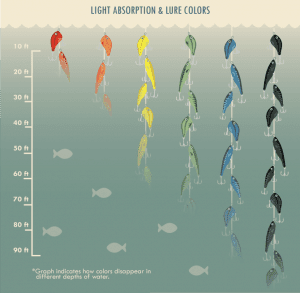
Depth alone does not decide the perfect bait. You also need to consider what fish are eating and how they are behaving.
A complete approach to how to choose bait based on fishing depth combines depth, prey type, water clarity, and fish activity.
- ✦ Active fish
Fast-moving lures can trigger aggressive strikes from feeding fish.
- ✦ Inactive fish
Slow presentations and natural bait often work better.
Common Mistakes When Choosing Bait Depth
Many anglers change bait colors or brands before checking if the bait is reaching the correct depth. Depth is often the first problem to solve.
Avoiding these mistakes makes how to choose bait based on fishing depth easier and more consistent.

- ✦ Ignoring fish location
Using shallow bait when fish are deep reduces your chance of getting bites.
- ✦ Moving bait too quickly
Some fish need slow presentations before they strike.
Frequently Asked Questions about how to choose bait based on fishing depth

fishingscouty
Contributor