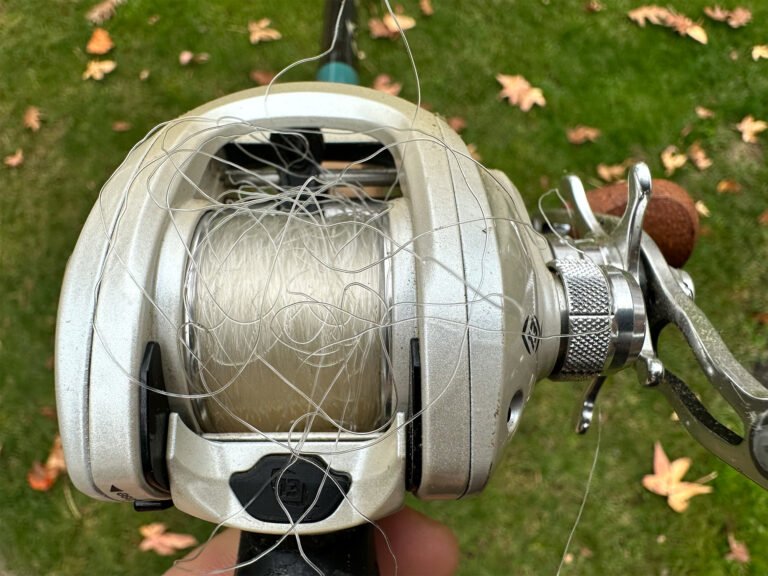
A leader protects the main line, hides the rig, and stops bite-offs on wary carp.
I’ve fished for carp for years and have learned why use a leader when carp fishing matters. This guide explains the key reasons, the best leader types, how to rig them, and common mistakes to avoid. I mix field-tested tips, simple steps, and clear answers so you can fish smarter and catch more carp.

Why use a leader when carp fishing?
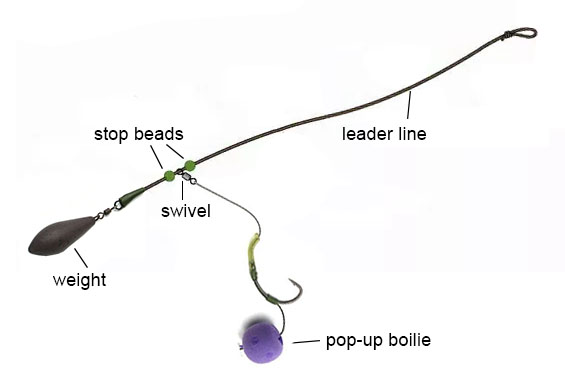
Using a leader helps present the bait naturally and keeps your main line safe. A leader can prevent abrasion, hide the rig from suspicious carp, and protect against sharp mouths or weed. When you ask why use a leader when carp fishing, the short answer is that it improves stealth, strength, and hookhold reliability.
Carp are careful feeders. A good leader stops the line from snapping on weeds, rocks, or teeth. It also makes rigs sit and move more like natural food. Over time I found leaders turned near-misses into solid hook-ups. Studies and angling trials back this up, showing better catch rates with proper leader use.
 fishing”
style=”max-width: 100%; height: auto; border: 2px solid black; border-radius: 10px; display: block; margin: 0 auto;”
loading=”lazy”
/>
Types of leaders for carp fishing
Here are common leader types and where each shines.
- Fluorocarbon leader: Low visibility in water and good abrasion resistance, ideal in clear lakes.
- Monofilament leader: Stretchy and buoyant, useful for surface or popping rigs.
- Braided leader: Very strong and thin, great for heavy cover but needs careful knotting.
- Coated wire leader: Best for gravel banks with sharp stones or when fishing around crays.
- Stiff leader (anti-tangle): Keeps hooklink from spinning and helps bait presentation
When choosing why use a leader when carp fishing, pick the type that matches water clarity, cover, and bait style.
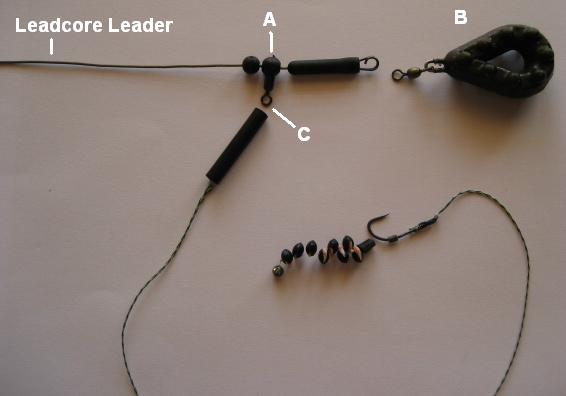
How to rig a leader for carp fishing
Follow this simple process to rig a leader that works.
- Choose leader length: 6 to 24 inches is common; shorter for clear water, longer for muddy water.
- Select material: Match the leader type to cover and bait. Fluorocarbon for stealth; braid for strength.
- Tie secure knots: Use uni knot, surgeon’s knot, or a loop-to-loop for quick changes.
- Add anti-tangle sleeves: Slide a sleeve over the leader so the hooklink sits straight.
- Test the connection: Pull hard on the knot and leader to check for slippage before casting.
Rigging properly answers the core of why use a leader when carp fishing: you protect gear and present bait better.
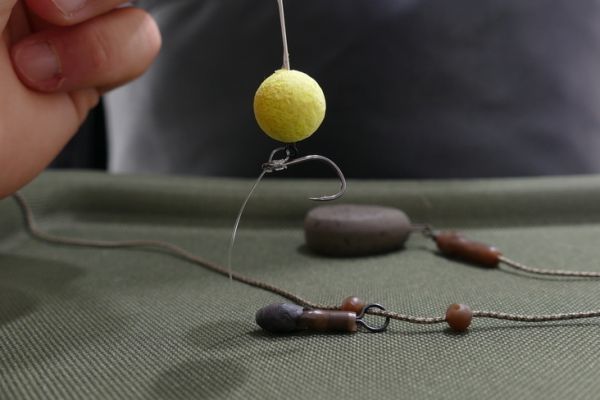
When to use a leader and when you might skip it
Use a leader when:
- Water is clear and fish are shy.
- Fishing near weed, rocks, or sharp structure.
- Presenting delicate baits that need stealth.
Skip or reduce leader use when:
- You need maximum stretch to absorb hard runs.
- Using very soft baits that require direct contact with the main line.
- Bank rules or competitions restrict certain materials.
Deciding when and why use a leader when carp fishing comes down to water, fish behavior, and your rig style.

Common mistakes and how to avoid them
Avoid these errors I learned the hard way.
- Using the wrong length: Too long leaders tangle; too short leaders spook carp. Match length to water and bait.
- Poor knots: Weak knots fail in a fight. Practice and test every knot before fishing.
- Wrong material: Heavy wire in ultra-clear water can reduce bites. Use fluorocarbon for stealth where needed.
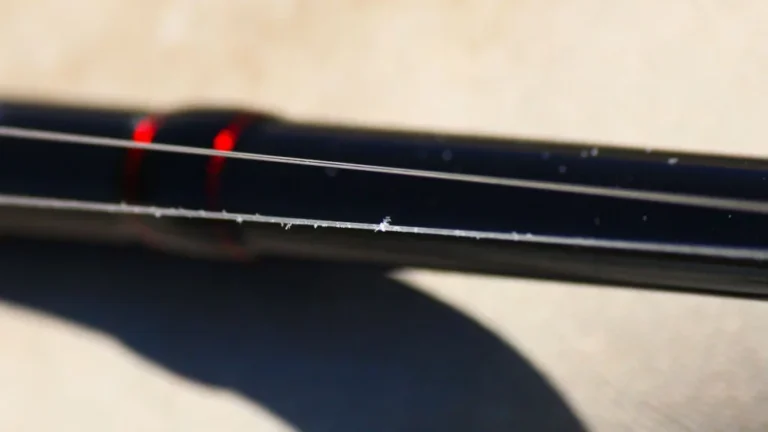
- Ignoring abrasion: A leader with no abrasion resistance will snap. Use coated leaders near rocks or snags.
- Overcomplicating rigs: A complex rig can fail when a carp pulls hard. Keep it simple and strong.
Understanding why use a leader when carp fishing helps you avoid these mistakes and catch more fish.
Short answers to common search questions
How long should a leader be for carp fishing?
A leader of 6 to 18 inches works for most carp spots. Short leaders suit clear water; longer leaders can help in muddy water.
Will a leader scare carp?
A heavy, shiny leader can spook carp in clear water. Use low-visibility fluorocarbon to reduce the risk.
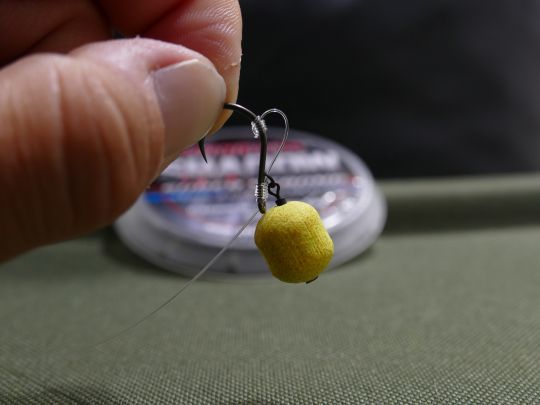
Can I use a stiff leader with boilies?
Yes. A stiff leader helps hook presentation with boilies and reduces tangles during the cast.
Frequently Asked Questions of why use a leader when carp fishing
What exactly does a leader do for carp rigs?
A leader acts as a buffer between the main line and the hooklink. It protects against abrasion, hides the rig, and improves hook presentation.
Is fluorocarbon always the best leader for carp?
Fluorocarbon is great for low visibility, but it can be stiff and less forgiving. Choose based on water clarity and the cover present.
How do I tie a leader to the main line?
Use a strong knot like a double uni or a loop-to-loop. Test the knot under tension before casting.
Can I use wire leaders for carp?
Yes, wire leaders are useful around sharp gravel or crays. They can reduce bites in clear water, so use them selectively.
How often should I replace a leader?
Replace leaders after abrasion, heavy fights, or every few trips as a routine. Small nicks weaken the leader and increase break-offs.
Conclusion
Leaders matter because they protect gear, hide rigs, and improve bait presentation. Use the right leader type, length, and knot for your water and bait. Start simple, test rigs, and adjust as you learn. Try one change at a time—swap materials or shorten the leader—and see how carp react.
Takeaway: Practice rigging leaders, keep them fresh, and match them to the conditions to boost your catch rate. If this guide helped, share your results, subscribe for more tips, or leave a question below.