Many anglers think adding more oil always makes a fishing reel work better. In reality, fishing reel oil buildup affecting performance how to fix is a common maintenance issue that can make a reel feel rough, slow, or inconsistent. Excess oil collects dust, sand, and old grease, creating a sticky layer inside the reel.
From freshwater lakes to saltwater trips along the U.S. coastline, anglers often face this problem after repeated lubrication. A reel needs the right lubricant in the right places, not a large amount of oil. Proper cleaning and controlled lubrication can bring back smooth casting, better retrieves, and reliable drag performance.
What Causes Fishing Reel Oil Buildup and Why It Hurts Performance
Fishing reel oil buildup happens when too much lubricant stays inside the reel or mixes with dirt, water, and old grease. Over time, the oil becomes thick and creates resistance instead of reducing friction.
When anglers search for fishing reel oil buildup affecting performance how to fix, they usually notice symptoms like a stiff handle, slower spool movement, noisy bearings, or uneven casting. These signs often mean the reel needs cleaning rather than more oil.
- ✦ Using too much oil
Extra oil can spread into areas where it does not belong, causing sticky parts and attracting debris.
- ✦ Mixing old and new lubricant
Fresh oil can combine with old grease and dirt, creating a thick layer that reduces movement.
- ✦ Poor storage conditions
Heat, humidity, and dust can change oil consistency and increase residue inside the reel.
Common Signs of Oil Buildup Inside a Fishing Reel
A reel affected by oil buildup often feels heavier during use. The handle may not turn freely, and the spool may lose its quick response. These problems are easy to mistake for damaged parts.
Before replacing bearings or gears, inspect the lubricant condition. A simple cleaning process can often solve the issue.
- ✦ Slow retrieve
Excess lubricant creates drag on moving parts and reduces smooth rotation.
- ✦ Sticky reel handle
Oil mixed with dirt can make internal components feel tight.
How Fishing Reel Oil Buildup Affects Different Reel Components
Fishing reels contain many small parts that depend on clean lubrication. Oil buildup can affect bearings, gears, drag systems, and spool movement. Each part reacts differently when excess lubricant collects.
Understanding these effects helps anglers fix problems before permanent damage occurs. A clean reel works with less effort and provides more consistent performance on the water.

- ✦ Bearings
Heavy oil can slow bearings and reduce their ability to spin freely.
- ✦ Gears
Sticky oil residue can interfere with gear movement and create rough retrieves.
- ✦ Drag system
Oil contamination can reduce drag consistency and cause slipping problems.
Why More Oil Does Not Mean Better Reel Performance
A fishing reel is designed with specific lubrication points. Bearings may need a small amount of thin oil, while gears usually require suitable grease. Adding extra lubricant can create the opposite result.
Experienced anglers often follow the rule that a clean reel with light lubrication performs better than an overloaded reel.
- ✦ Correct lubrication amount
Use only enough oil to protect moving parts without creating excess residue.
Step-by-Step Guide: Fishing Reel Oil Buildup Affecting Performance How to Fix
Fixing fishing reel oil buildup affecting performance how to fix starts with removing contaminated lubricant. The goal is to clean the reel without damaging sensitive parts.
Take your time during maintenance. Small reels have tiny screws and components, so a careful approach prevents mistakes.

- ✦ Step 1: Prepare your tools
Gather a soft cloth, reel cleaner, cotton swabs, a small brush, and approved reel lubricant.
- ✦ Step 2: Remove excess oil
Wipe visible oil from the exterior and accessible internal areas.
- ✦ Step 3: Clean residue
Use a safe cleaner to remove old oil, dirt, and sticky buildup.
- ✦ Step 4: Reapply lubricant
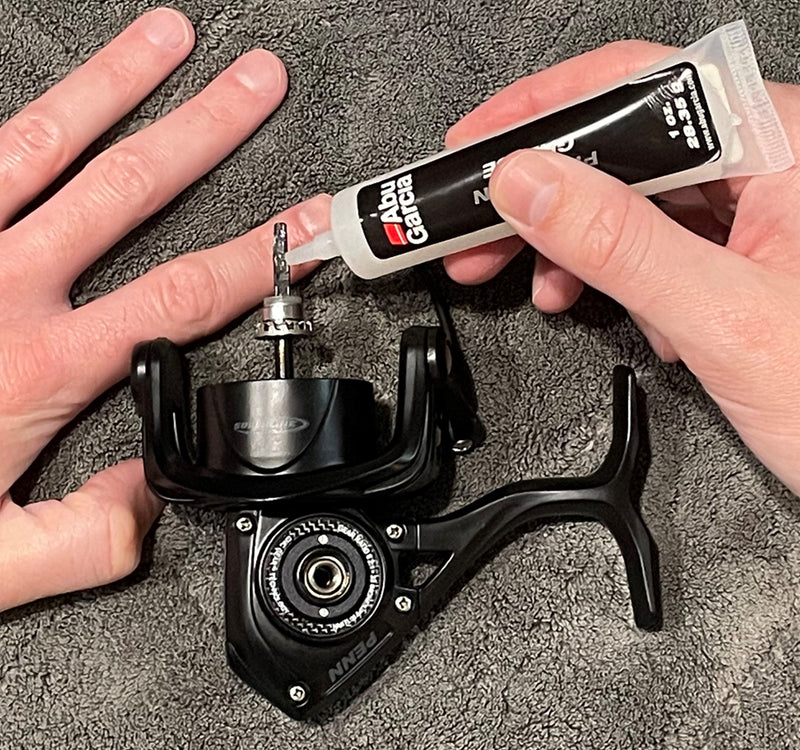
Add a small amount of reel oil or grease based on the manufacturer’s recommendation.
Cleaning Bearings and Moving Parts Safely
Bearings are sensitive and should not be flooded with oil. Clean them carefully and allow them to dry before adding a light lubricant.
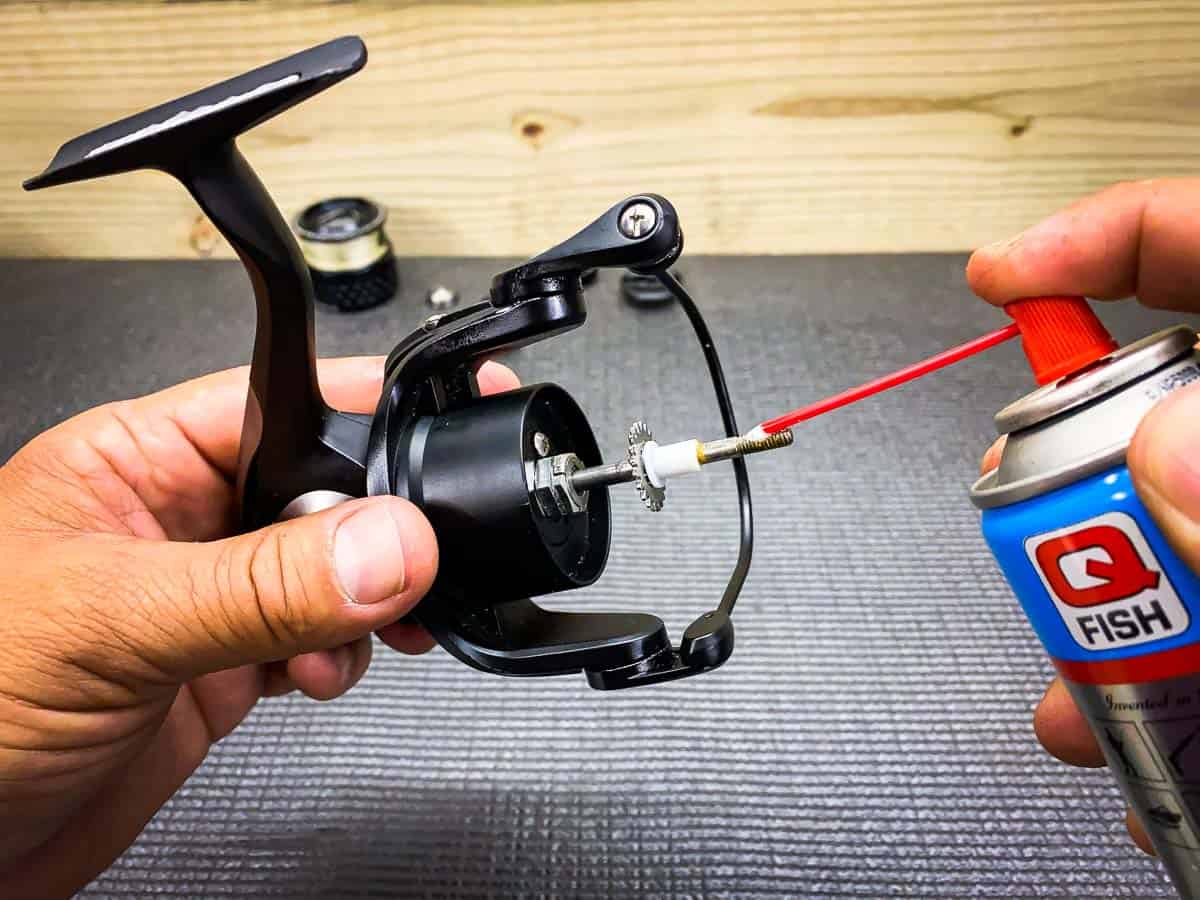
For many spinning reels and baitcasters, a few drops of quality reel oil are enough to maintain smooth operation.
- ✦ Avoid household oils
Cooking oils and general-purpose oils can damage reel performance over time.
Best Practices to Prevent Future Fishing Reel Oil Buildup
Preventing oil buildup is easier than repairing a neglected reel. A simple maintenance schedule keeps lubricant fresh and prevents dirt from collecting.
Many American anglers clean their reels after heavy use, especially after saltwater fishing. Salt, sand, and moisture can quickly turn clean oil into harmful residue.
- ✦ Lubricate on a schedule
Apply oil only when needed instead of adding lubricant after every trip.
- ✦ Clean after saltwater use
Rinse and dry reels properly to prevent corrosion and dirty lubricant buildup.
- ✦ Store reels correctly
Keep reels in a dry place away from dust and extreme temperatures.
Choosing the Right Fishing Reel Lubricant
Different reel parts need different products. Thin reel oils work well for bearings, while reel grease protects gears and high-friction areas.
Using products made specifically for fishing equipment helps maintain smooth performance and reduces future buildup.
- ✦ Reel oil
Best for fast-moving parts like bearings and spool shafts.
- ✦ Reel grease
Better for gears and parts that need long-lasting protection.
Mistakes Anglers Make When Fixing Oil Buildup Problems
Many reel problems become worse because anglers add more oil instead of cleaning the existing buildup. This creates a cycle of increasing residue and reduced performance.
Avoiding common mistakes saves time and protects expensive fishing equipment.
- ✦ Adding oil without cleaning
New oil cannot remove old contaminated lubricant already inside the reel.
- ✦ Using too much lubricant
Excess oil attracts dirt and may spread into areas that should stay clean.
- ✦ Ignoring manufacturer instructions
Different reel models have different lubrication needs.
When Professional Reel Service May Be Needed
If cleaning does not restore performance, the reel may have worn bearings, damaged gears, or internal corrosion. A professional technician can inspect these issues.
High-end reels used for tournaments or frequent saltwater fishing often benefit from professional servicing.
- ✦ Deep internal damage
Mechanical problems may require replacement parts instead of cleaning.