Knowing how to distribute chum in moving water can make a major difference when fishing rivers, bays, inlets, and offshore areas. Unlike calm water, moving water changes how scent spreads, how fish find food, and how long your chum remains effective.
Experienced anglers focus less on dumping large amounts of chum and more on creating a controlled trail. The goal is to guide fish toward your bait naturally by using the water flow as a delivery system. This approach works well for many U.S. fishing situations, from coastal waters to tidal channels.
When learning how to distribute chum in moving water, the most important factors are current direction, current speed, chum texture, and timing. A smart chum plan can attract fish without wasting bait or feeding them before they reach your hook.

Understanding How Chum Moves in Current
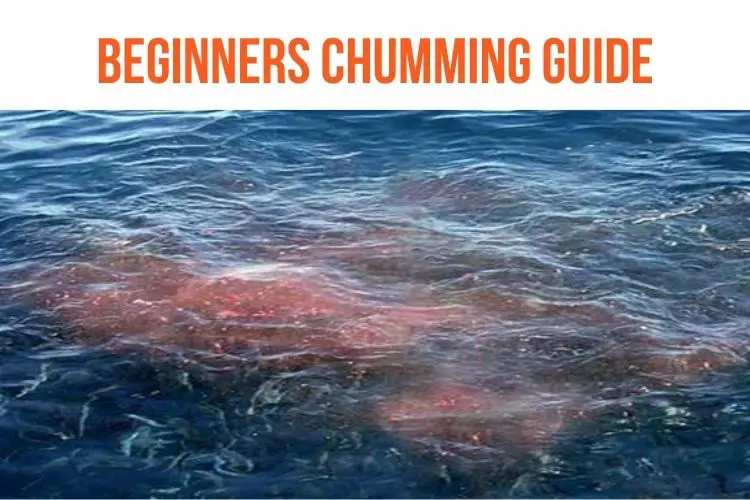
Moving water acts like a conveyor belt for chum scent and small food particles. Once chum enters the water, the current spreads oils, particles, and smells downstream. Fish often follow this scent path back toward the source.
The key to how to distribute chum in moving water is understanding that fish usually approach from below the current. If you release chum directly over your fishing spot, much of it may drift away before creating an effective attraction zone.
Anglers should watch the water before chumming. Small surface movements, tide direction, and floating debris can reveal how quickly the current will carry the chum.

- ✦ Current direction
Always identify where water is flowing before releasing chum because the scent trail follows that path.
- ✦ Current speed
Fast water needs heavier or slower-releasing chum, while slow water allows lighter mixtures.
- ✦ Fish position
Many fish hold behind structures or in current breaks where they can intercept drifting food.
Why Scent Trails Matter
Fish use smell to locate food over large distances. A steady chum trail gives them a reason to move toward your fishing area instead of passing through randomly.
- ✦ Natural feeding pattern
A slow chum trail looks similar to natural food movement caused by tides and currents.
The Best Method for Distributing Chum in Moving Water
The most reliable way to distribute chum in moving water is to create a slow and continuous release. Throwing all your chum at once creates a short scent burst, but it often disappears quickly with the current.
Many experienced anglers start with a small amount to test how the water carries the chum. They adjust the amount based on how fish respond and how quickly the scent trail spreads.
A good chum pattern creates a feeding lane. Your bait should sit inside or near that lane so fish naturally find your hook while following the scent.

- ✦ Start small
Begin with small portions and increase only when needed to avoid wasting chum.
- ✦ Release upstream
Place chum slightly above your fishing area so the current carries it toward your target zone.
- ✦ Maintain consistency
A steady release keeps fish interested longer than a large single dump.
Using Chum Bags and Chum Containers
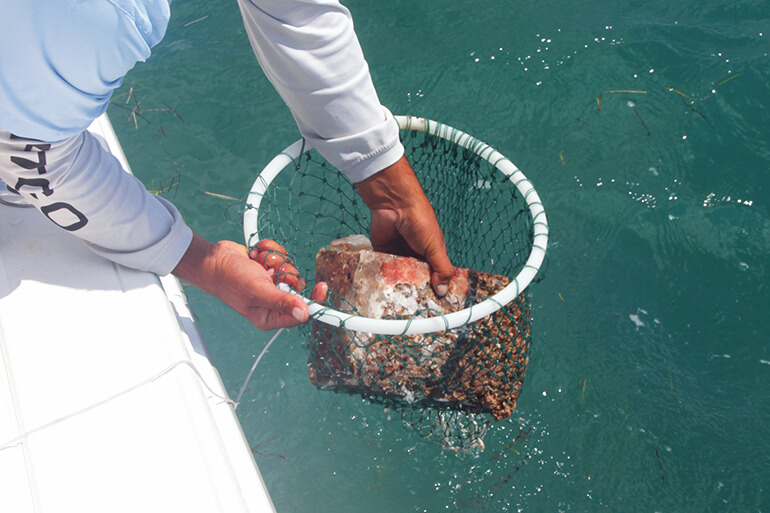
Chum bags, cages, and flow-controlled containers help anglers manage release speed. They are especially useful in strong currents because they prevent chum from disappearing too quickly.
- ✦ Controlled flow
Adjustable containers allow you to match chum release speed with current conditions.
How Current Speed Changes Your Chumming Strategy
Current speed is one of the biggest factors when learning how to distribute chum in moving water. Fast current spreads scent quickly but also reduces the time fish have to locate your bait.
In strong currents, use denser chum that releases slowly. In gentle currents, smaller particles and oils can create a wider attraction area without moving away too fast.
Experienced anglers often adjust their approach throughout the day because tides can change current speed and direction.
- ✦ Fast current
Use heavier chum and release it closer to the target area to prevent excessive drift.
- ✦ Medium current
Create a balanced chum trail with regular small releases.
- ✦ Slow current
Use lighter chum mixtures that spread naturally through the water.
Choosing the Right Chum Placement Location
Location matters as much as the chum itself. The best chum placement depends on where fish naturally travel and where current concentrates food.
Look for areas where moving water meets structure, such as reefs, channels, drop-offs, bridges, or underwater edges. These areas often provide feeding opportunities for predatory fish.
When deciding how to distribute chum in moving water, avoid placing chum where the current immediately carries it into empty water.
- ✦ Current breaks
Fish often wait near slower water beside strong currents to save energy while feeding.
- ✦ Depth changes
Drop-offs and deeper channels can hold fish waiting for drifting food.
Using Wind and Tide Together
Wind can push surface chum differently from underwater particles. Combining wind direction with tide movement helps create a more accurate chum trail.
- ✦ Observe before casting
Spend a few minutes watching water movement before starting your chum routine.
Common Mistakes When Chumming in Moving Water
Many anglers make the mistake of using too much chum too quickly. A large amount can attract fish away from your bait or make them full before they reach your hook.
Another mistake is ignoring current direction. Even high-quality chum will fail if the scent trail moves away from where fish are located.
Learning how to distribute chum in moving water requires patience and small adjustments based on real conditions.
- ✦ Overfeeding fish
Too much chum may reduce fish interest in your hooked bait.
- ✦ Ignoring regulations
Always check local fishing rules because some areas restrict chumming methods.
- ✦ Not adjusting timing
Changing tides and weather can quickly change chum effectiveness.
Advanced Tips for Creating an Effective Chum Trail
Advanced anglers think about chum as a communication tool between the fisherman and the fish. The goal is not simply to attract fish but to create a path they can follow.
Mixing different chum sizes can create both immediate attraction and a longer-lasting scent trail. Small particles spread quickly, while larger pieces stay active longer.
A successful strategy combines observation, timing, and controlled release. These skills improve with experience on the water.

- ✦ Layer your chum
Combine fast-dispersing and slow-releasing pieces for a stronger attraction pattern.
- ✦ Watch fish response
Adjust your release if fish become active or lose interest.
Frequently Asked Questions about how to distribute chum in moving water

fishingscouty
Contributor