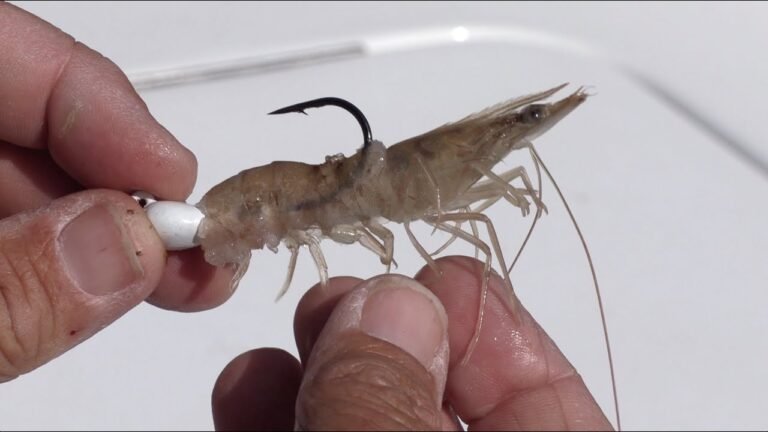
When anglers ask what is a soft plastic fishing lure, they are usually looking for a simple way to understand one of the most popular bait styles in modern fishing. These lures are made from soft materials that create natural movement in the water and help fool fish into striking.
Soft plastic lures are used by beginners and experienced anglers across the United States. From catching bass in local lakes to targeting saltwater species near the coast, these lures offer a realistic feel, many rigging options, and strong versatility.
What Is a Soft Plastic Fishing Lure?
A soft plastic fishing lure is an artificial bait made from soft, flexible plastic materials. Manufacturers design these lures to copy the appearance and action of natural food sources such as worms, minnows, crawfish, frogs, and insects.
Unlike hard lures made from wood or solid plastic, soft plastics bend and move with water pressure. This lifelike action can make fish hold onto the bait longer, giving anglers more time to set the hook.
- ✦ Flexible material
Soft plastic construction allows the lure to move naturally like live prey.
- ✦ Realistic designs
Shapes often imitate common fish food found in freshwater and saltwater environments.
How Soft Plastic Lures Differ From Other Lures
Hard lures often create strong vibration or noise, while soft plastics focus on subtle movement and realistic presentation. This makes them useful when fish are cautious or under pressure.
- ✦ Natural presentation
Soft plastics can move slowly and quietly through the water.
How Do Soft Plastic Fishing Lures Work?
Soft plastic fishing lures work by copying the movement, shape, and behavior of living prey. When an angler moves the rod tip, the lure can jump, swim, float, or glide depending on its design.
Many fish rely on sight and vibration to find food. A properly rigged soft plastic creates small movements that look natural and attract feeding fish.
- ✦ Movement
Tail shapes and body designs create swimming or crawling actions.
- ✦ Presentation
Anglers can control speed, depth, and movement to match fish behavior.
Why Fish Bite Soft Plastics
Many fish species recognize soft plastics as familiar food shapes. The flexible texture can also feel more natural when a fish grabs the lure.
Common Types of Soft Plastic Fishing Lures
Soft plastic lures come in many shapes because different prey species require different designs. Anglers choose a style based on the target fish, water conditions, and fishing method.
- ✦ Plastic worms
A classic choice for bass fishing and many freshwater situations.
- ✦ Swimbaits
Designed to imitate baitfish with a natural swimming motion.
- ✦ Creature baits
Shapes that copy crawfish, insects, and other bottom prey.
Popular Soft Plastic Shapes
Common designs include curly tail grubs, stick baits, frogs, craws, and paddle tail swimbaits. Each shape creates a different action in the water.
Benefits of Using Soft Plastic Fishing Lures
One major reason anglers use soft plastics is their versatility. A single lure style can be fished in shallow water, deep water, heavy cover, or open areas.
Soft plastics are also affordable compared with many other lure types. Anglers can carry many colors and styles without taking up much space in a tackle box.
- ✦ Versatility
Soft plastics work with many fishing techniques and species.
- ✦ Easy customization
Anglers can change hooks, weights, and rigs for different conditions.
How to Rig a Soft Plastic Fishing Lure
Rigging means attaching the soft plastic lure to a hook and other fishing equipment. The best rig depends on water depth, cover, and the fish you want to catch.
Popular methods include Texas rigs, Carolina rigs, drop shot rigs, and weighted swimbait hooks. Each setup changes how the lure moves.
- ✦ Texas rig
A weedless setup that works well around grass, rocks, and cover.
- ✦ Drop shot rig
A finesse technique often used for deeper or pressured fish.
Frequently Asked Questions about what is a soft plastic fishing lure

fishingscouty
Contributor