Learning how to use natural bait in lakes starts with understanding what fish already eat. Worms, minnows, insects, shrimp, and other natural foods are part of many freshwater fish diets across the United States. When your bait looks and moves like real food, fish are more likely to investigate.
After years of studying freshwater fishing methods, one lesson stands out: simple bait choices often beat complicated setups. Many anglers focus on expensive gear but overlook bait freshness, location, and presentation. These small details often decide whether a lake trip becomes a success.
This guide explains how to use natural bait in lakes for common species like bass, crappie, trout, walleye, and catfish. You will learn how to select bait, prepare it, place it in different lake areas, and improve your overall fishing approach.

Why Natural Bait Works So Well in Lakes
Natural bait is effective because lake fish recognize it as a normal food source. Fish use smell, movement, and sight to find meals, and natural bait can trigger these feeding instincts.
When learning how to use natural bait in lakes, think about the environment. A clear lake with shallow weeds may have different food sources than a deep rocky lake. Your bait choice should match the habitat.
Natural bait also helps beginners because it does not require advanced lure techniques. A properly placed worm or minnow can attract fish while you learn how fish behave.

- ✦ Natural smell
Real bait releases scents that can attract fish from nearby areas.
- ✦ Real movement
Live bait creates natural movement that many predators find difficult to ignore.
- ✦ Local food match
Bait that matches local prey often looks more familiar to lake fish.
Understanding Lake Fish Feeding Habits
Different fish species prefer different foods. Bass often chase minnows and crayfish, while catfish may respond well to worms and cut bait. Trout commonly feed on insects and small aquatic creatures.
Before choosing bait, observe the lake. Look near weeds, docks, rocks, and shallow areas where small creatures live.
- ✦ Bass
Try minnows, crayfish, worms, or small live bait.
- ✦ Catfish
Use worms, cut bait, and strong-smelling natural options.
Choosing the Best Natural Bait for Lake Fishing
The best bait depends on the fish species, season, and lake conditions. There is no single bait that works everywhere. Successful anglers adjust their choices based on what fish are actively eating.
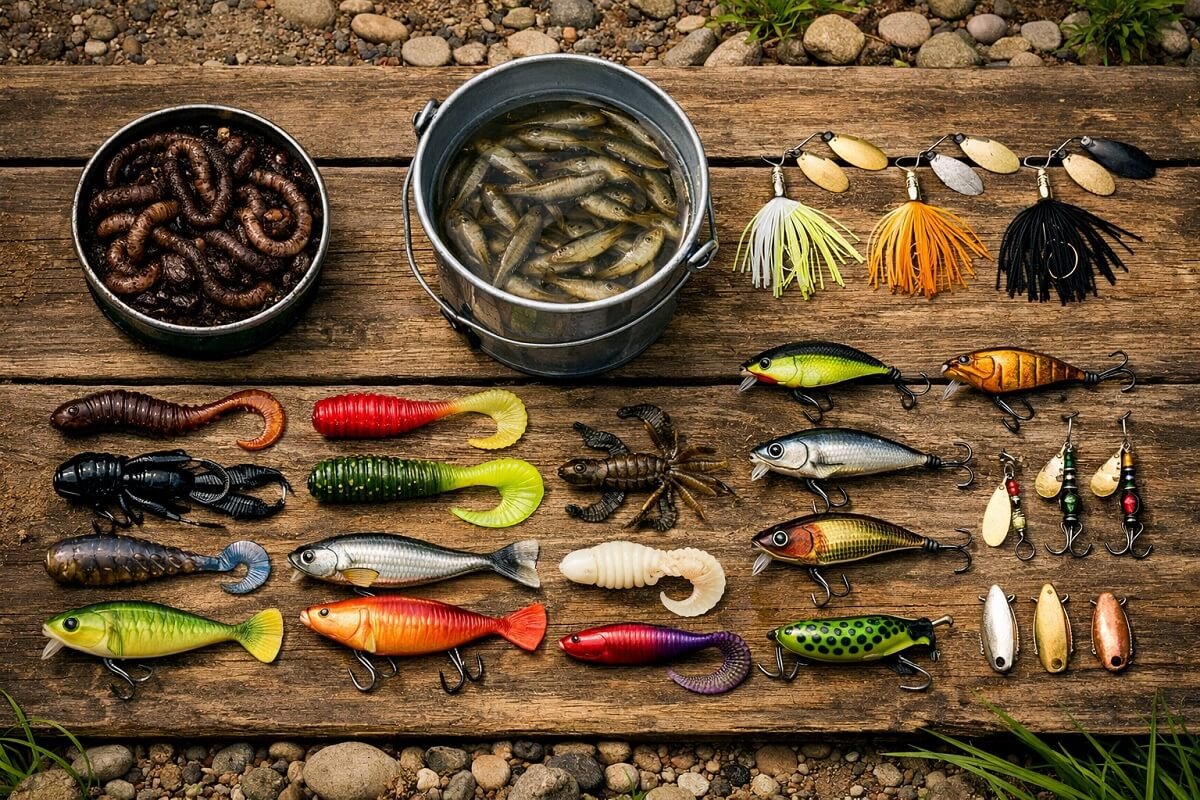
When exploring how to use natural bait in lakes, start with common options that are easy to find and handle. These include worms, insects, minnows, shrimp, and prepared natural baits.
- ✦ Worms
A classic choice for panfish, bass, trout, and many other freshwater species.
- ✦ Minnows
Useful for predator fish that naturally hunt small fish.
- ✦ Crayfish
A strong option for bass and other species that feed near rocks.
- ✦ Insects
Good for trout and fish feeding near the surface.
Matching Bait With Target Species
Knowing your target fish makes bait selection easier. Research local species before your trip and check seasonal patterns.
A small adjustment in bait size can make a big difference. Large bait may attract bigger fish, while smaller bait often works better for cautious fish.
- ✦ Small fish
Use smaller worms, insects, or tiny minnows.
- ✦ Large predators
Use larger natural bait that creates more movement and scent.
How to Prepare and Store Natural Bait
Fresh bait is one of the most important parts of successful lake fishing. Poorly stored bait loses movement, smell, and appeal.
Keep live bait cool and protected. Use proper containers with enough space and avoid exposing bait to extreme heat.
Understanding how to use natural bait in lakes also means knowing when bait is no longer effective. Fresh, active bait usually creates better results.

- ✦ Keep bait cool
Store bait in suitable containers away from direct sunlight.
- ✦ Handle gently
Avoid damaging live bait because natural movement attracts fish.
- ✦ Follow local rules
Check regulations about collecting and transporting live bait.
Keeping Live Bait Healthy
Healthy minnows and worms perform better because they move naturally in the water. A weak bait presentation can look unnatural and reduce bites.
Prepare your bait before reaching the lake so you spend more time fishing and less time managing equipment.
- ✦ Use proper containers
Choose containers designed for the type of bait you carry.
How to Rig Natural Bait for Lake Fishing
A good bait choice can fail if the rig does not look natural. The hook should hold the bait securely while allowing movement.
For beginners learning how to use natural bait in lakes, simple rigs are often the best starting point. A basic hook, weight, and float setup can catch many freshwater species.

- ✦ Hook size
Choose a hook that matches the bait size and target fish.
- ✦ Weight placement
Use enough weight to reach the desired depth without limiting bait movement.
- ✦ Float setup
A float helps detect bites from fish near the surface or middle water.
Common Lake Bait Rigs
The bobber rig works well for beginners because it shows movement when fish bite. The bottom rig is useful for species that feed near the lake floor.
Experiment with depth because fish move throughout the water column during different weather and seasons.
- ✦ Bobber rig
Great for worms, insects, and small bait fish.
- ✦ Bottom rig
Useful for catfish and bottom-feeding species.
Where to Place Natural Bait in a Lake
Finding fish is just as important as choosing bait. Fish gather near areas that provide food, shelter, and comfortable water conditions.
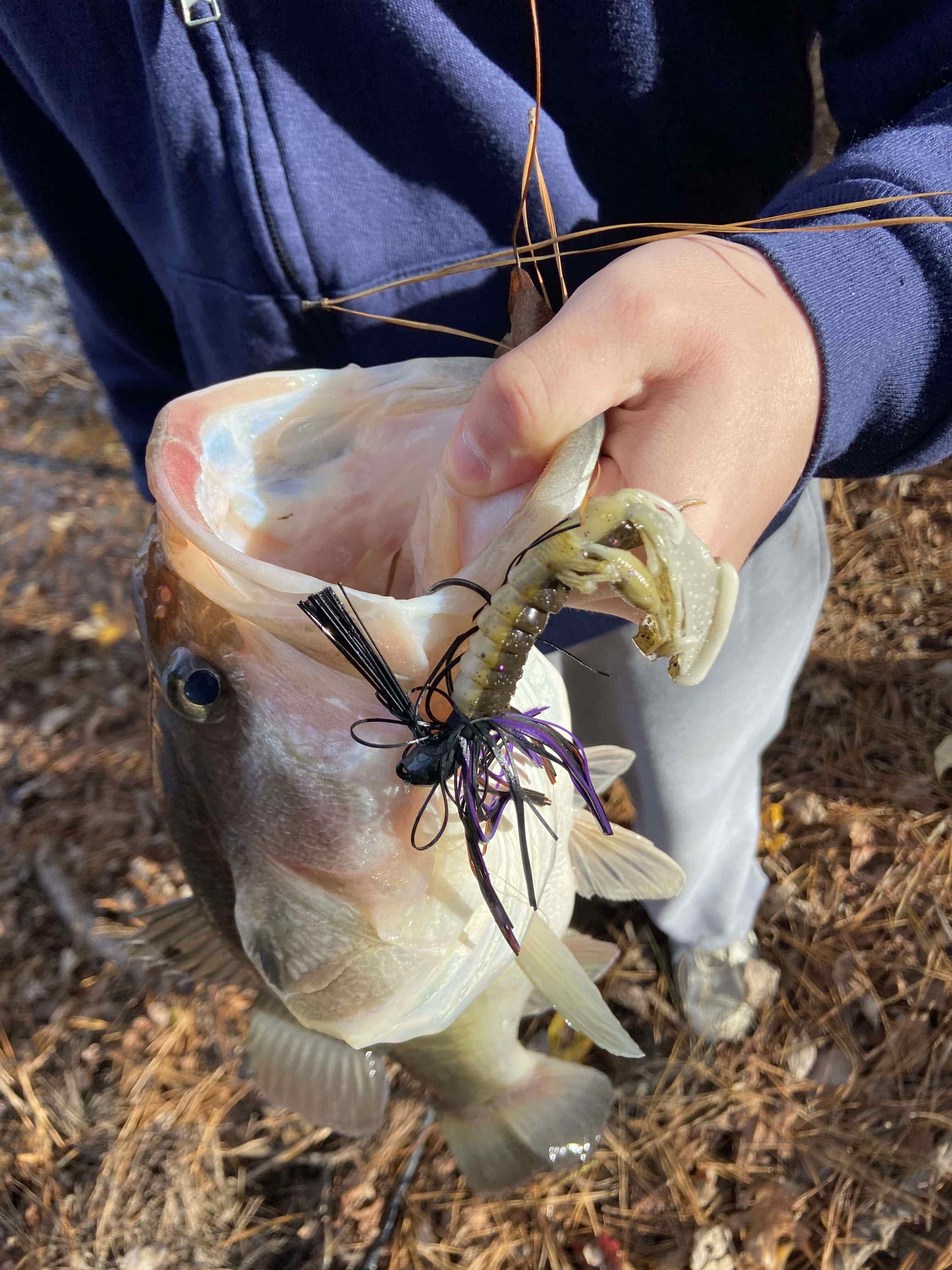
When practicing how to use natural bait in lakes, focus on structure. Weed beds, fallen trees, drop-offs, and rocky areas often hold fish.
- ✦ Shallow weeds
Good areas for bass, panfish, and insects that attract fish.
- ✦ Rocky zones
Common places for crayfish and predator fish.
- ✦ Deep water edges
Useful during hot weather when fish move deeper.
Adjusting to Seasons
Spring often brings fish into shallow areas to feed. Summer may require deeper presentations. Fall can create strong feeding periods before colder weather.
Seasonal changes should influence your bait depth, location, and timing.
- ✦ Spring
Target shallow feeding areas.
- ✦ Summer
Search cooler and deeper zones.
Frequently Asked Questions about how to use natural bait in lakes

fishingscouty
Contributor