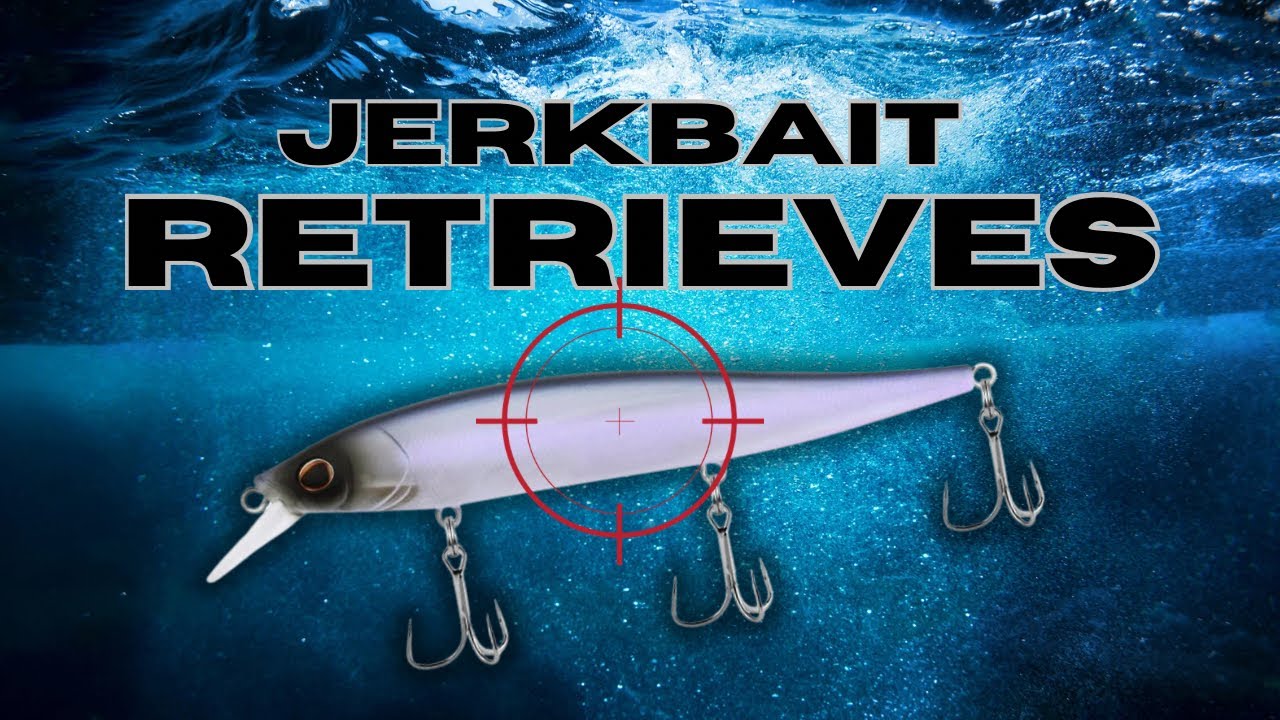
Learning how to fish a jerkbait starts with understanding that this lure is designed to look like a struggling or injured fish. Unlike many moving baits, a jerkbait creates most of its action from your rod movements and the pauses between them.
Many experienced bass anglers in the United States rely on jerkbaits during cool water periods, especially in early spring and fall. I have found that beginners often work the lure too fast, but the biggest bites often happen when the bait is sitting still.
The key to how to fish a jerkbait is patience. A good retrieve combines quick rod snaps, controlled slack, and carefully timed pauses that trigger bass to strike.

What Is a Jerkbait and Why Does It Work?
A jerkbait is a hard fishing lure that looks like a small baitfish. It usually has a long, slim body and small diving lip that controls its depth. Anglers use jerkbaits to target bass, especially when fish are feeding on shad, minnows, or other small prey.
The reason jerkbaits work is simple. They copy the movement of a weak fish. When you snap the rod tip, the lure darts from side to side. When you pause, the bait appears vulnerable, which can trigger a reaction strike.

- ✦ Suspending action
Many jerkbaits stay in place during pauses, making them effective when bass follow but hesitate to attack.
- ✦ Erratic movement
The unpredictable side-to-side motion can attract aggressive and inactive fish.
- ✦ Natural baitfish profile
The slim shape matches common freshwater prey found in many US lakes and rivers.
Different Types of Jerkbaits
Jerkbaits come in three main styles: floating, suspending, and sinking. Each type works best in different situations. Suspending jerkbaits are the most popular because they can stay in the strike zone during pauses.
- ✦ Floating jerkbaits
These rise toward the surface during pauses and work well around shallow cover.
- ✦ Suspending jerkbaits
These remain at a similar depth and are excellent for slow, cold-water presentations.
- ✦ Sinking jerkbaits
These reach deeper fish and help cover more water.
How to Fish a Jerkbait Step by Step
To learn how to fish a jerkbait correctly, start with a long cast and allow the lure to reach its running depth. Keep your rod tip slightly down and remove extra slack from your line.
The classic retrieve is called the jerk-jerk-pause method. Make two quick rod snaps, then stop and allow the lure to sit. The pause length depends on fish activity and water temperature.

- ✦ Make a long cast
Long casts help the lure stay in the strike zone longer and reach fish that are farther away.
- ✦ Snap the rod tip
Use short downward or sideways movements to create an injured baitfish action.
- ✦ Control the pause
Cold water often requires longer pauses, while active fish may prefer faster movement.
The Best Jerkbait Retrieve Styles
There is no single perfect retrieve. Successful anglers adjust their cadence based on fish behavior. Some days bass want fast movement, while other days they only bite after long pauses.
- ✦ Classic retrieve
Use two jerks followed by a pause of several seconds.
- ✦ Slow winter retrieve
Use gentle twitches with long pauses when bass have low activity.
- ✦ Fast reaction retrieve
Use quick movements when bass are actively chasing bait.
Best Gear Setup for Jerkbait Fishing
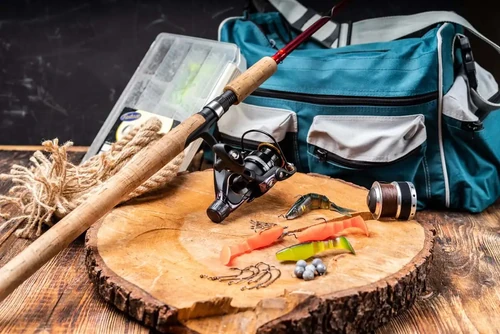
The right equipment makes learning how to fish a jerkbait much easier. A balanced setup gives you better lure control and helps you detect light bites during pauses.
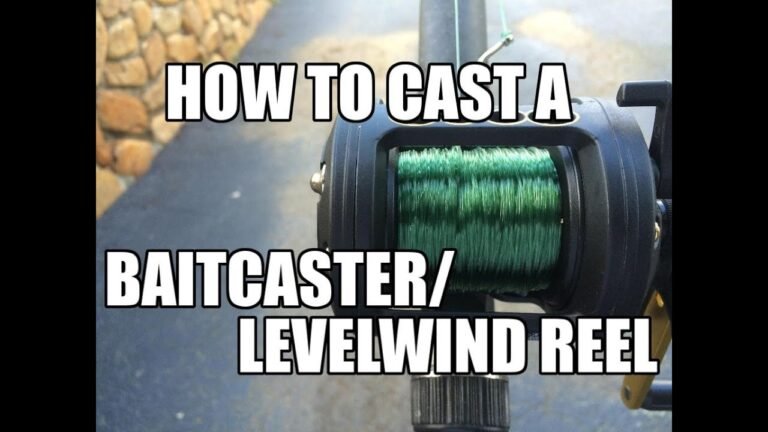
Most anglers choose a medium or medium-light spinning or baitcasting setup. The goal is to create enough action without overpowering the small hooks found on many jerkbaits.
- ✦ Rod
A medium-power rod with a fast action tip provides good control and hook-setting ability.
- ✦ Reel
A smooth reel with a moderate gear ratio helps maintain steady retrieves.
- ✦ Line
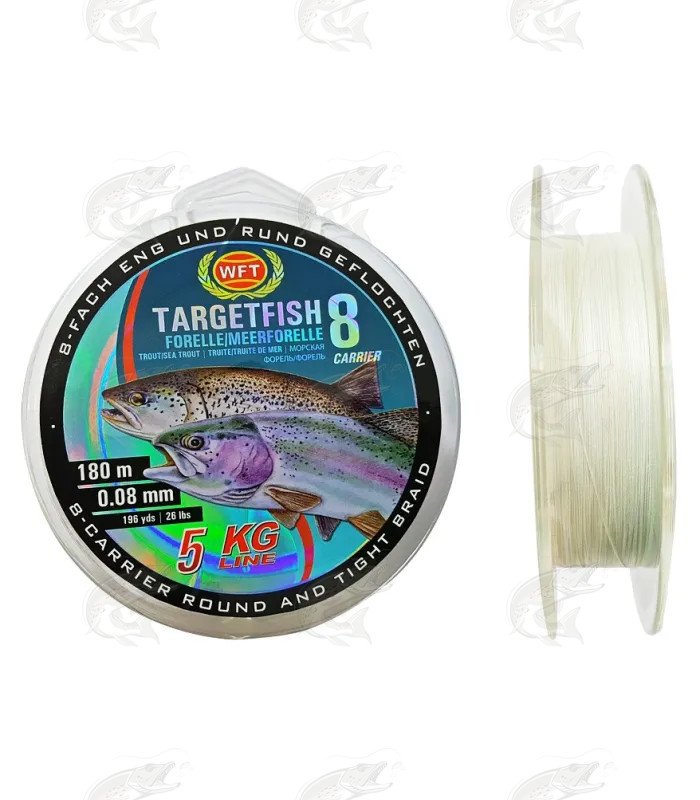
Fluorocarbon line is popular because it sinks and provides sensitivity.
Choosing the Right Jerkbait Size
Match your jerkbait size to the baitfish in your local water. Smaller lures work well in clear water, while larger models can attract bigger bass in stained conditions.
- ✦ Small jerkbaits
Best for pressured fish and clear water.
- ✦ Large jerkbaits
Useful when bass are feeding on larger prey.
Best Conditions for Jerkbait Fishing
Jerkbaits are famous for cold-water bass fishing, but they can work throughout the year. The best conditions usually include clear water, active baitfish, and bass feeding near shallow or mid-depth areas.
During spring in many US lakes, bass move toward spawning areas and often react well to jerkbaits. Fall is another strong season because baitfish become a major food source.

- ✦ Spring fishing
Bass often respond well to slow jerkbait presentations before and during the spawn.
- ✦ Fall fishing
Cooling water and baitfish movement create excellent feeding opportunities.
- ✦ Clear water
Jerkbaits shine because fish can track the realistic movement.
Where to Cast a Jerkbait
Look for areas where bass can trap baitfish. Points, rock banks, creek channels, docks, and weed edges are common jerkbait locations.
- ✦ Rocky banks
Rocks often hold baitfish and attract feeding bass.
- ✦ Points
Points allow bass to move between deep and shallow water.
Common Jerkbait Fishing Mistakes to Avoid
Many anglers struggle with jerkbaits because they expect constant movement to attract fish. In reality, the pause is often the most important part of the presentation.
When learning how to fish a jerkbait, focus on repeating the same motion and adjusting one factor at a time. This helps you understand what triggers bites.
- ✦ Moving too fast
Fast retrieves can prevent inactive bass from committing to the lure.
- ✦ Using the wrong depth
A jerkbait that runs above or below fish may get ignored.
- ✦ Poor hook maintenance
Sharp hooks improve your chances of landing fish.
Frequently Asked Questions about how to fish a jerkbait

fishingscouty
Contributor