Fishing hook bending during a fight causes and prevention is a common concern for anglers who target powerful fish. A sudden run from a bass, striped bass, tarpon, or offshore species can put extreme pressure on a small piece of metal.
After years of fishing, one lesson becomes clear: a hook is often the last connection between you and the fish. A quality hook that matches your line, rod, drag, and target species can prevent many lost catches.
Many anglers blame the fish when a hook bends, but the problem often starts before the bite. The wrong hook style, hidden damage, or excessive pressure can make even a good hook fail.

Why fishing hook bending during a fight happens
Fishing hook bending during a fight causes and prevention starts with understanding how hooks fail. A hook works under pulling force, twisting force, and sudden shock loads during a fish battle.
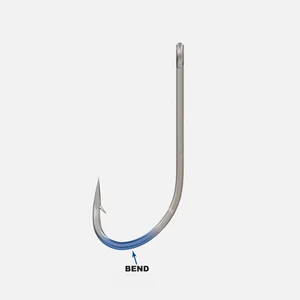
When the force becomes greater than the hook’s design limit, the hook can open, straighten, or lose its original shape. This reduces hook penetration and increases the chance of losing the fish.
- ✦ Excessive fighting pressure
Hard rod lifts and locked-down drag settings can create more force than the hook can handle.
- ✦ Weak or low-quality hooks
Cheap hooks may use softer metal that bends easier under heavy loads.
- ✦ Incorrect hook size
A hook that is too small for a powerful fish may not have enough strength or wire thickness.
How hook metal affects strength
Hook strength depends on wire thickness, shape, heat treatment, and manufacturing quality. A strong hook can flex slightly and return to shape, while a weak hook may permanently bend.
Saltwater anglers often choose corrosion-resistant hooks because rust and wear can weaken the metal over time.
- ✦ Thick wire hooks
Heavy wire hooks resist bending better when fighting large fish.
Common mistakes that lead to bent fishing hooks
Many cases of fishing hook bending during a fight causes and prevention are linked to simple mistakes. Even experienced anglers can damage hooks by using the wrong setup or applying force at the wrong time.
A balanced setup lets the rod, reel, line, and hook share the load. When one part takes too much stress, failure becomes more likely.
- ✦ Using a hook made for smaller fish
A light hook may work well for normal catches but fail against larger fish.
- ✦ Setting drag too tight
A locked drag removes the cushion that protects hooks from sudden runs.
- ✦ Reusing damaged hooks
Hooks that were previously bent may become weaker even after being straightened.
Why straightening a bent hook is risky
Some anglers try to reshape a bent hook with pliers. This can create weak points in the metal and reduce reliability during the next fight.
- ✦ Replace when damaged
A new hook is usually safer than trusting a previously stressed hook.
How to prevent fishing hook bending during a fight
Preventing fishing hook bending during a fight causes and prevention problems requires a complete approach. The hook, tackle setup, and fighting style must work together.
Small adjustments before casting can save a trophy fish later. Checking equipment before each trip is a habit many successful anglers follow.

- ✦ Match hooks to target species
Choose hook strength based on fish size, fishing style, and water conditions.
- ✦ Use proper drag settings
A smooth drag allows the fish to run without placing sudden stress on the hook.
- ✦ Inspect hooks often
Look for rust, cracks, dull points, and unusual bends before fishing.
Choose the correct hook design
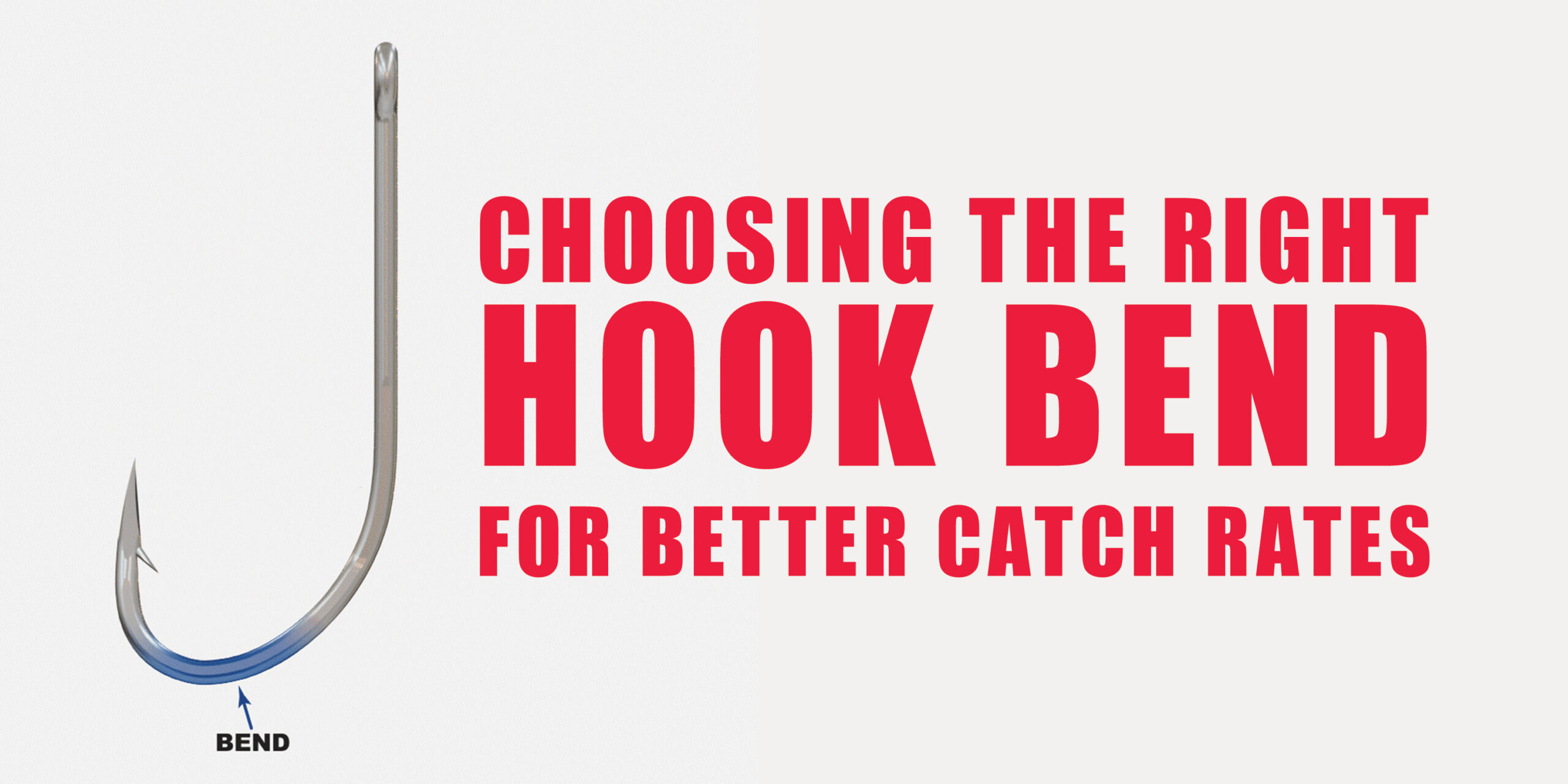
Hook shape matters because different bends spread force in different ways. Circle hooks, wide gap hooks, and heavy wire hooks each serve different purposes.
Selecting the right hook design improves both holding power and durability.
- ✦ Heavy-duty applications
Use stronger hooks when targeting large freshwater or saltwater fish.
How fighting technique affects hook strength
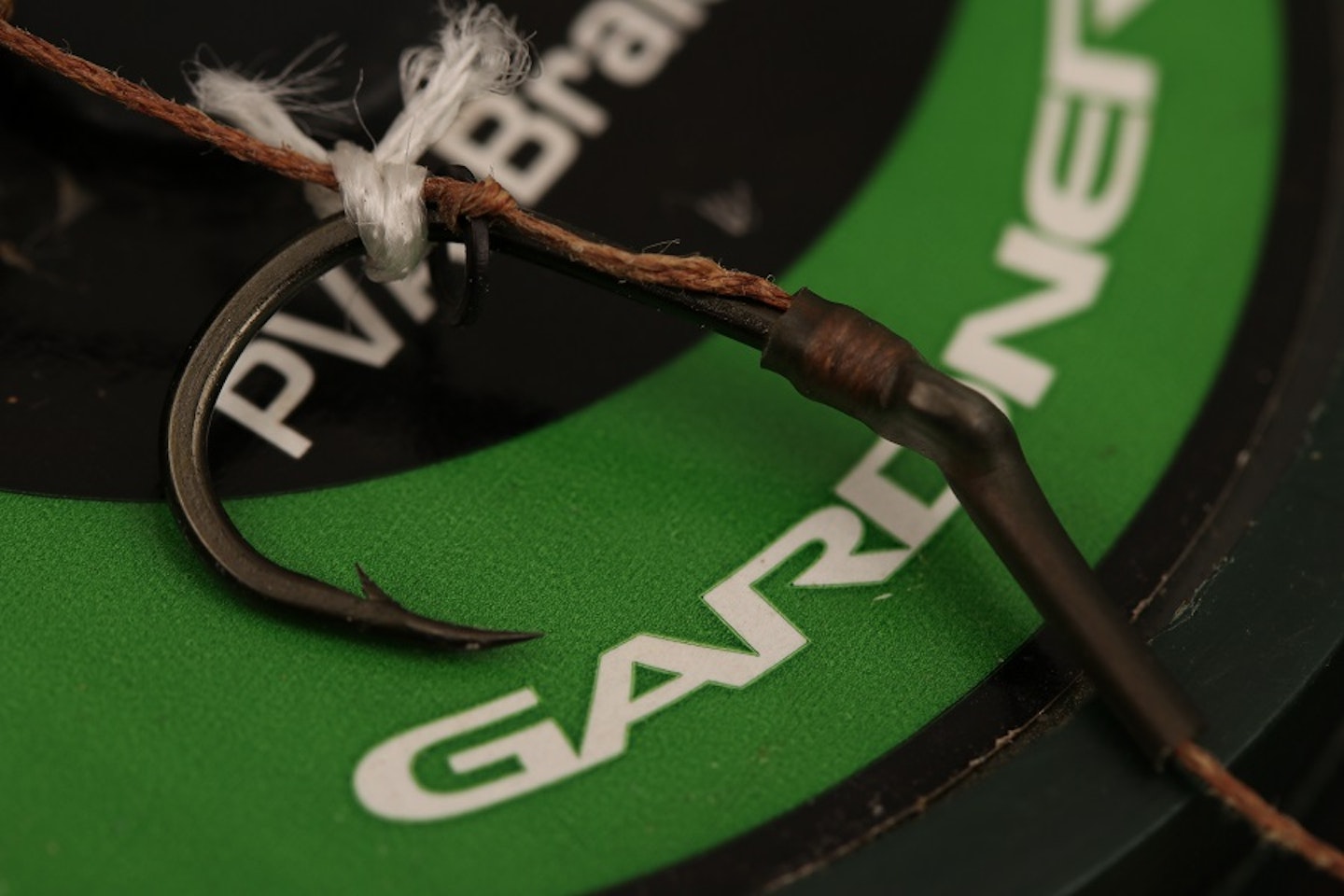
Even the best hook can bend if an angler fights a fish with poor technique. Constant maximum pressure creates unnecessary stress on the hook point and bend.
A smooth fight uses the rod’s flexibility, reel drag, and controlled pressure to tire the fish without damaging tackle.
- ✦ Avoid high-stress rod lifts
Do not repeatedly pull straight up with maximum force.
- ✦ Keep steady pressure
Consistent pressure is safer than sudden jerks.
- ✦ Let the fish run
Allow controlled runs when needed instead of forcing every movement.
The role of rod and line balance
A balanced fishing system spreads force across multiple components. A heavy rod with thin hooks can still create hook failure because the hook becomes the weak point.
- ✦ Balanced equipment
Match rod power, line strength, and hook size for better performance.
Signs that a fishing hook is damaged
Finding damage early is a major part of fishing hook bending during a fight causes and prevention. A hook does not always fail during the first stressful event.
Small changes in shape or sharpness can reduce performance and create problems during the next big catch.
- ✦ Open hook gap
A wider gap than normal may show that the hook has started to bend.
- ✦ Cracked coating or rust
Surface damage can indicate deeper metal weakness.
- ✦ Reduced sharpness
A damaged hook point may fail to penetrate properly.
Simple hook inspection routine
Before each trip, run a finger carefully near the hook point and compare the shape with a new hook. Replace any hook that looks different from its original design.
- ✦ Check after big fights
Large fish can stress hooks even when no damage is obvious.