Fishing reel corrosion after saltwater use how to prevent is a common concern for anglers who fish along U.S. coastlines. Saltwater is harsh because salt crystals and minerals can stay inside small reel parts and slowly damage metal surfaces, bearings, screws, and gears.
Over the years, experienced anglers learn that most reel damage does not happen during the fishing trip. It happens later when a wet reel sits without care. A few simple steps after each trip can protect your investment and keep your reel working smoothly for many seasons.
Why Saltwater Causes Fishing Reel Corrosion
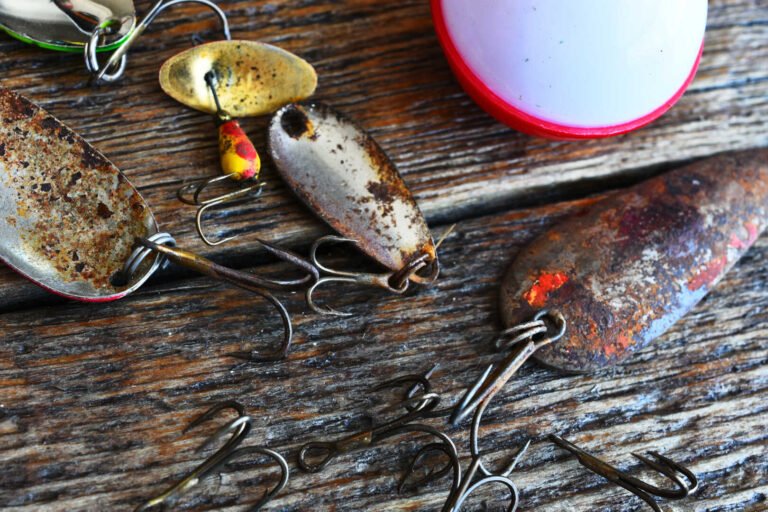
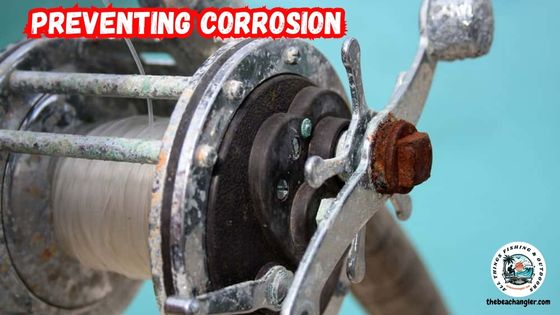
Saltwater speeds up corrosion because it contains salt that helps electricity move between metals. This process slowly breaks down metal parts and creates rust or oxidation.
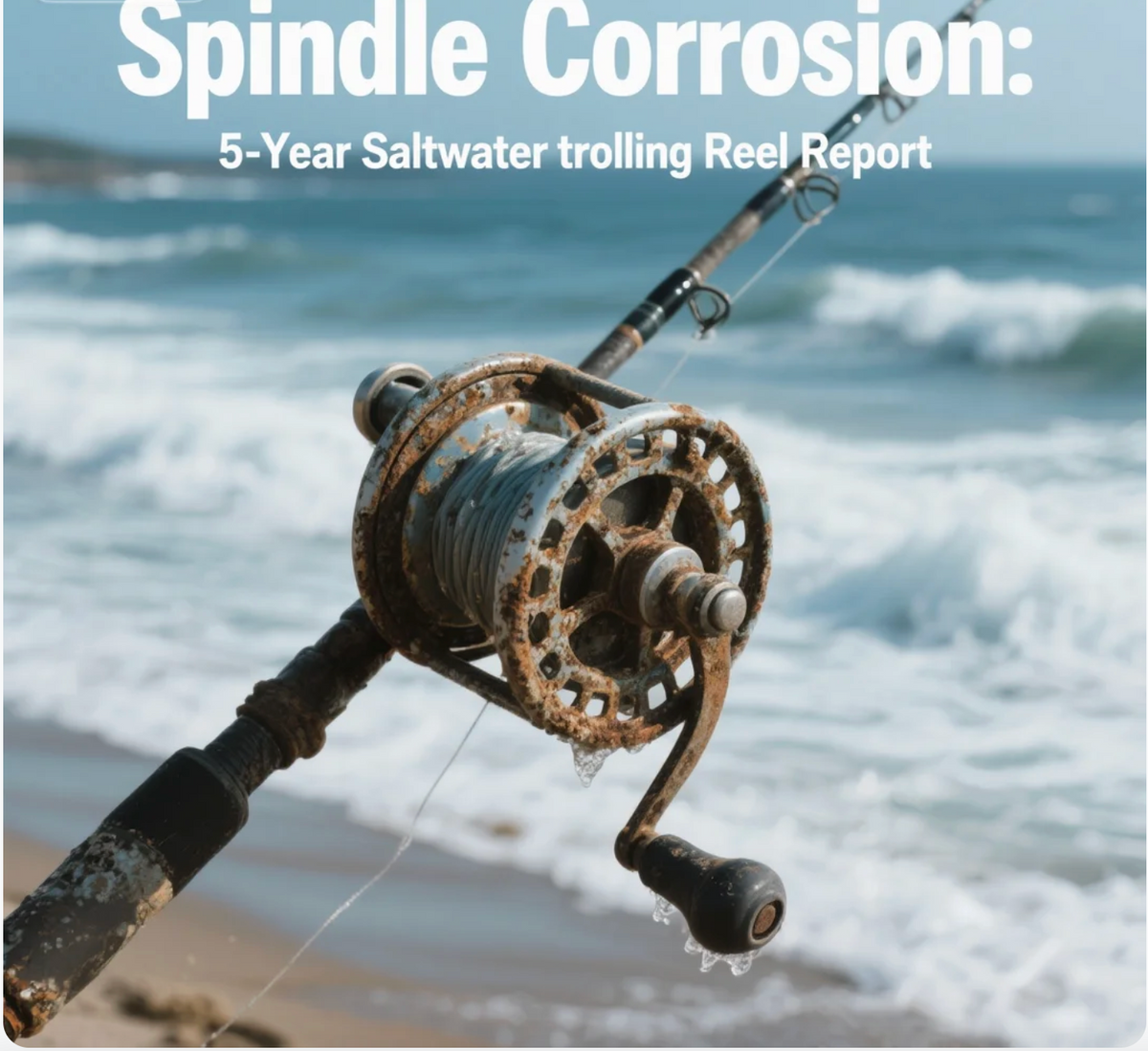
Fishing reels have many small parts that are vulnerable to corrosion. Bearings, drag washers, screws, shafts, and internal gears can all suffer damage when saltwater stays trapped inside the reel.
- ✦ Salt crystals
When saltwater dries, it leaves behind crystals that attract moisture and continue attacking metal parts.
- ✦ Hidden moisture
Water can enter small gaps around handles, spools, and bearings where it becomes difficult to remove.
- ✦ Metal reactions
Different metals touching each other can speed up corrosion when saltwater is present.
Common Signs of Saltwater Reel Damage
Early signs of corrosion include rough cranking, unusual noise, green or white buildup, and a sticky drag system. Catching these problems early can prevent expensive repairs.
- ✦ Rough handle movement
This often means bearings or gears may have salt buildup or corrosion.
- ✦ Visible rust spots
Rust around screws and metal edges shows that protective layers have started failing.
How to Clean a Fishing Reel After Saltwater Use
The most important step in fishing reel corrosion after saltwater use how to prevent is cleaning the reel immediately after returning home. Do not leave saltwater on your reel overnight because salt deposits become harder to remove.
Use fresh water to gently rinse the outside of the reel. Avoid using a strong spray because high pressure can push saltwater deeper into the reel body.

- ✦ Use gentle freshwater rinsing
A light stream of water removes surface salt without forcing moisture into internal parts.
- ✦ Wipe the reel completely
Use a soft cloth to remove water and leftover salt from the reel body and spool.
- ✦ Clean after every trip
Frequent cleaning prevents small salt deposits from becoming major corrosion problems.
Should You Open the Reel After Every Saltwater Trip?
You do not need to fully disassemble your reel after every trip. Regular outside cleaning is enough for most anglers, while deep cleaning should happen based on usage and reel condition.
- ✦ Frequent saltwater anglers
Heavy users should inspect and service reels more often because exposure builds faster.
The Right Way to Dry and Lubricate a Saltwater Fishing Reel
Drying is a key part of fishing reel corrosion after saltwater use how to prevent. A reel that stays damp creates the perfect environment for rust and oxidation.
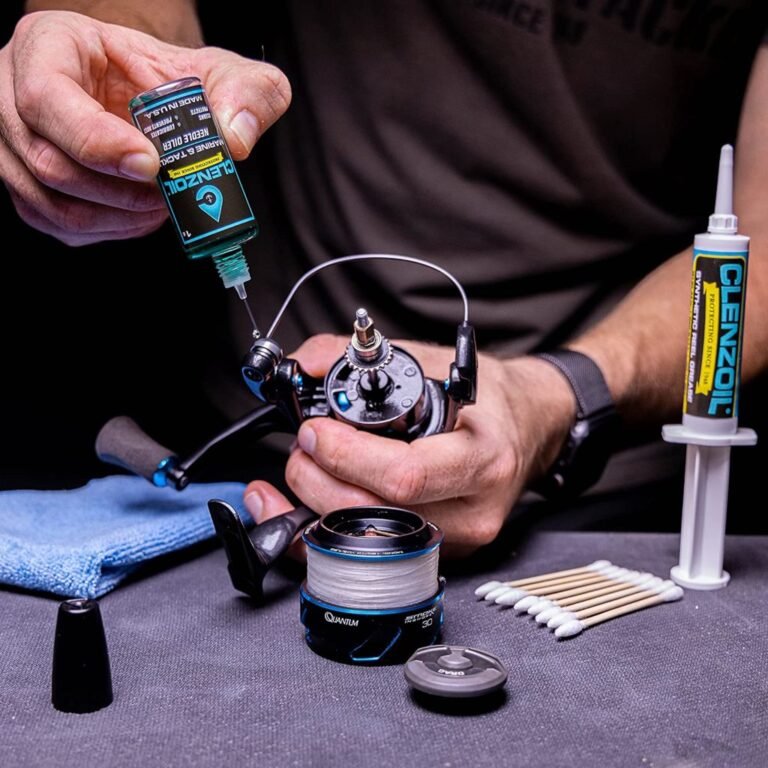
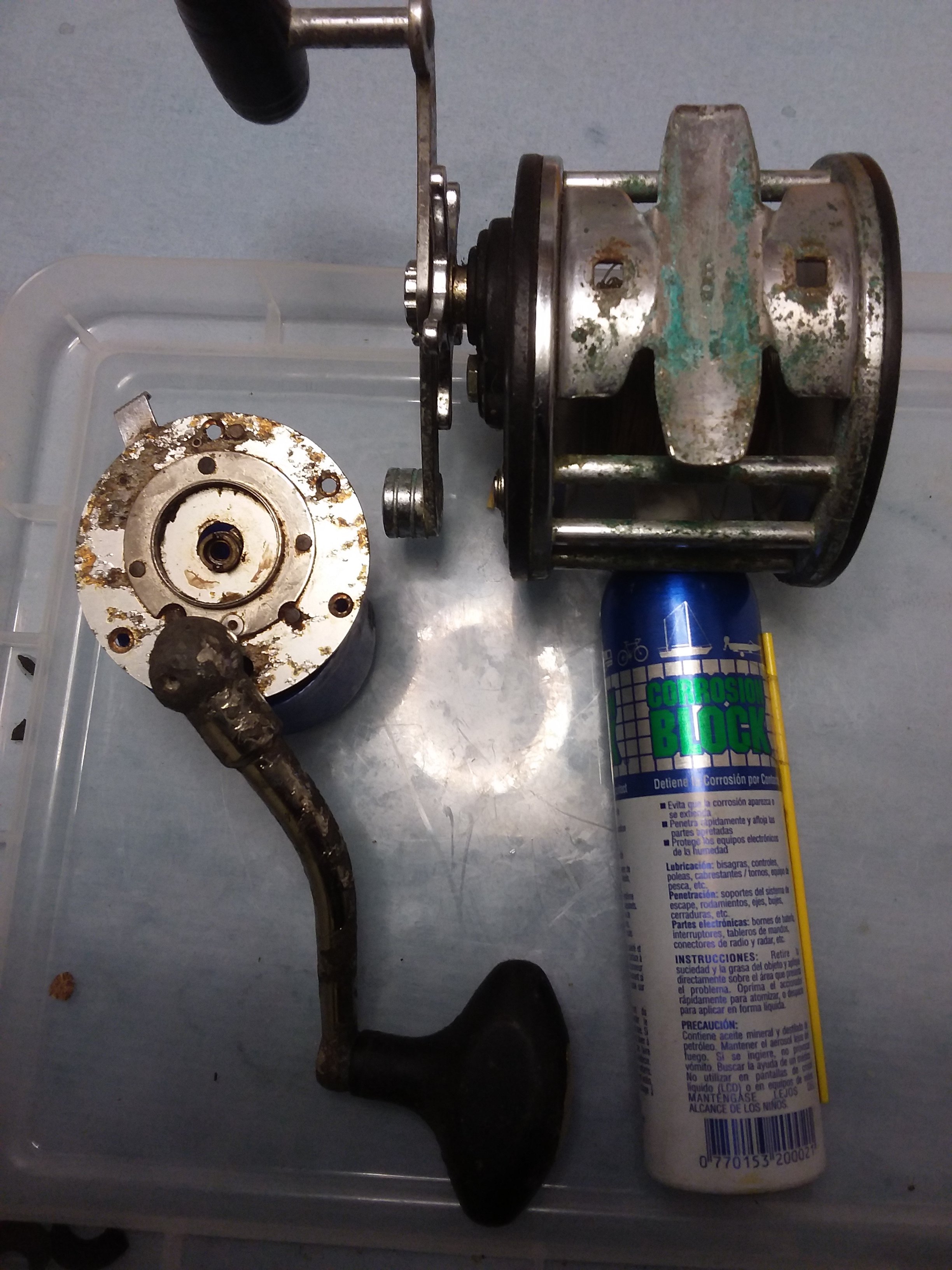
After rinsing, let the reel air dry in a cool place. Once dry, apply reel oil and grease to the parts recommended by the manufacturer.
- ✦ Use fishing reel oil
Light oil protects moving parts such as handles, bearings, and shafts.
- ✦ Use reel grease
Grease provides longer protection for gears and areas that experience heavy movement.
- ✦ Avoid excess lubricant
Too much oil can attract dirt and affect reel performance.
Parts That Need Extra Protection
Bearings, drag systems, line rollers, and screws usually need extra attention because they are exposed and contain moving surfaces.
- ✦ Line roller
Salt buildup here can create resistance and damage smooth line movement.
Choosing Saltwater Resistant Fishing Reels
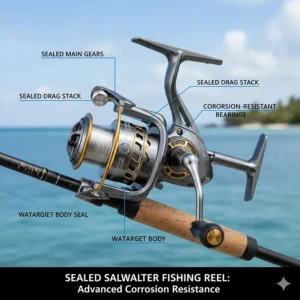
Good maintenance matters, but reel design also affects corrosion resistance. Saltwater fishing reels often include sealed bearings, corrosion-resistant metals, and protective coatings.
When buying a reel for ocean fishing in the United States, look for features designed for harsh marine conditions. These features reduce the chance of damage but do not remove the need for cleaning.
- ✦ Sealed bearings
Sealed bearings help reduce water and salt entry into sensitive moving parts.
- ✦ Corrosion-resistant materials
Materials like stainless steel and treated aluminum offer better protection.
- ✦ Saltwater rating
A saltwater-rated reel is designed to handle exposure better than freshwater-only models.
Saltwater Resistant Does Not Mean Corrosion Proof
Even premium saltwater reels can corrode if they are ignored. Protection features slow damage but proper care remains necessary.
- ✦ Maintenance still matters
Cleaning and lubrication are required for long-term performance.
Storage Tips to Prevent Long-Term Reel Corrosion
Proper storage is the final step in fishing reel corrosion after saltwater use how to prevent. A clean reel can still develop corrosion if stored in a damp garage, boat compartment, or closed bag.
Store reels in a dry area with airflow. Avoid sealing a wet reel inside a case because trapped moisture can slowly damage internal components.
- ✦ Keep reels dry
Dry storage prevents moisture from staying on metal surfaces.
- ✦ Loosen drag before storage
Reducing drag pressure can help protect drag washers during long storage periods.
- ✦ Inspect regularly
Monthly checks help catch corrosion before it becomes serious.
A Simple Post-Trip Maintenance Routine
Many anglers follow a simple routine: rinse, dry, inspect, lubricate, and store. This takes only a few minutes but can prevent years of corrosion problems.
- ✦ Five-minute habit
Small maintenance actions after every trip protect expensive fishing gear.