Learning how to find creek mouths for fishing can change the way you approach lakes, reservoirs, and rivers across the United States. Creek mouths act like natural highways because they collect food, move water, and create areas where many fish species gather.
After years of studying maps and fishing new waters, I have found that creek mouths are rarely random spots. The best locations usually combine moving water, nearby structure, and a reason for fish to stop and feed.
Many anglers pass these areas without realizing their value. When you know how to find creek mouths for fishing, you can quickly narrow down large bodies of water and spend more time casting in places with higher fish activity.
Why Creek Mouths Are Prime Fishing Locations
Creek mouths create a meeting point between two water systems. Small creeks carry insects, minnows, nutrients, and cooler water into larger lakes or rivers. These resources often attract baitfish, which then attract predators.
When learning how to find creek mouths for fishing, it helps to understand why fish use them. Bass, crappie, walleye, trout, and other species may visit these areas during different seasons because the conditions change throughout the year.
- ✦ Food Supply
Creeks wash natural food sources into lakes, creating feeding opportunities for many fish species.
- ✦ Water Movement
Moving water adds oxygen and creates current breaks where fish can rest while waiting for prey.
- ✦ Seasonal Fish Routes
Many fish travel through creek channels during spawning, feeding, and seasonal migrations.
How Fish Use Creek Mouth Areas
Fish often position near creek mouths instead of sitting directly in the flowing water. They may hold along drop-offs, submerged points, weed edges, or wood cover nearby.
The most productive areas usually provide both easy access to food and protection from strong currents.
- ✦ Current Edges
Fish often wait where fast water meets calm water because prey becomes easier to catch.
Use Lake Maps to Find Creek Mouths Before You Fish
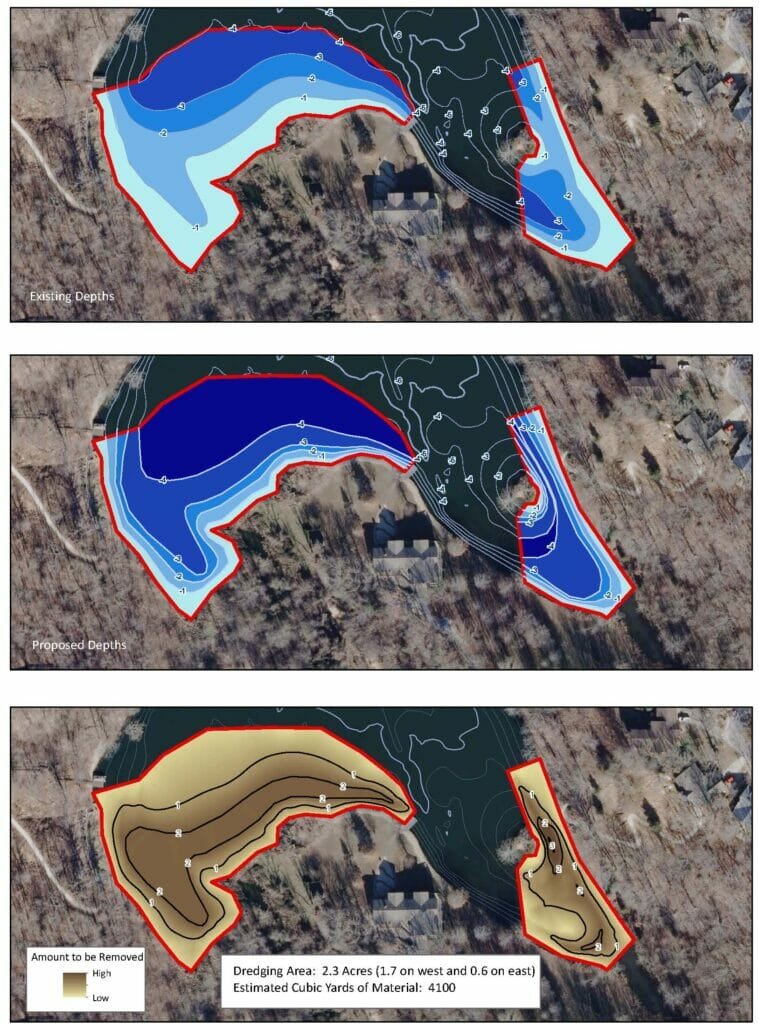
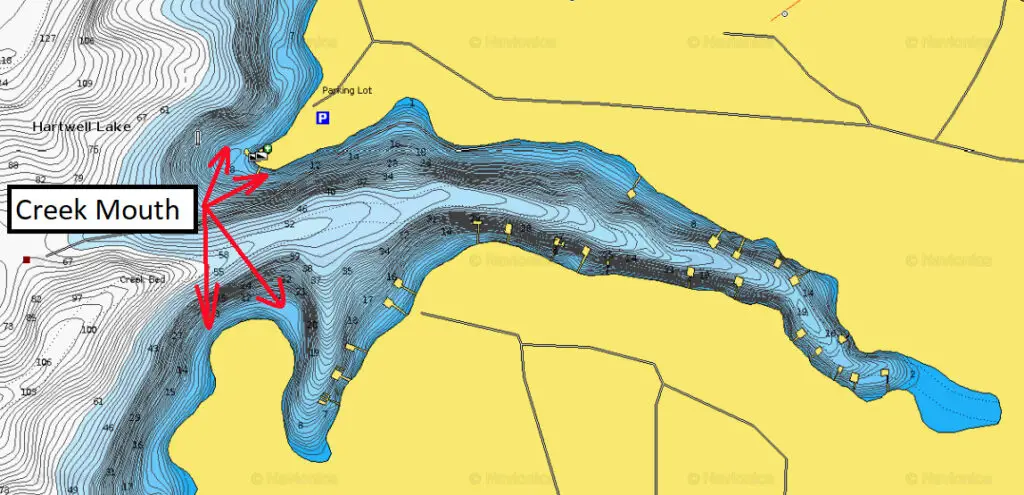
Modern fishing maps make it easier than ever to learn how to find creek mouths for fishing before leaving home. Digital lake maps, contour maps, and satellite images reveal where creeks enter lakes and where underwater channels continue.
Start by looking for narrow water paths that connect shallow creek channels to deeper main lake areas. These transition zones often hold fish because they provide travel routes and feeding areas.

- ✦ Look for Inlets
Find places where visible streams or drainage channels enter larger bodies of water.
- ✦ Study Contour Lines
Close contour lines near creek channels often show useful depth changes and underwater structure.
- ✦ Check Satellite Views
Aerial images can reveal stained water, vegetation, and creek paths that maps may miss.
Reading Underwater Creek Channels
Many old creek beds continue underwater after a reservoir is created. These submerged channels act as fish highways and can be excellent targets.
Look for bends, intersections, and channel edges. Fish often stop in these areas because they provide cover and access to deeper water.
- ✦ Channel Bends
Outside bends often create deeper water where larger fish may hold.
Identify the Best Creek Mouth Features Once You Arrive
Finding a creek mouth is only the first step. The best fishing spots usually have extra features that make fish stay longer.
When you arrive, inspect water color, depth, bottom type, and nearby cover. Small details can separate an average creek mouth from a productive one.
- ✦ Depth Changes
Fish often gather near areas where shallow creek water meets deeper lake water.
- ✦ Cover
Logs, rocks, grass, and docks provide hiding places for baitfish and predators.
- ✦ Water Color Changes
A visible line between muddy creek water and clear lake water can mark a feeding zone.
Signs of Active Fish Near Creek Mouths
Watch for baitfish activity, birds feeding, surface disturbances, and moving water. These clues often reveal where fish are actively hunting.
Electronics such as fish finders can also show suspended bait and fish holding near creek channels.
- ✦ Bait Activity
Small fish schools often attract larger predators nearby.
How Seasons Change Creek Mouth Fishing Success
Knowing how to find creek mouths for fishing also means understanding when fish use them most. Seasonal changes affect water temperature, food movement, and fish behavior.
In spring, many fish move toward creek areas because warmer water and fresh inflows create good spawning conditions. In fall, baitfish often gather near creek mouths, bringing predators with them.
- ✦ Spring
Look for warming creek water and shallow areas where fish prepare for spawning.
- ✦ Summer
Target deeper nearby areas where fish escape heat while staying close to food sources.
- ✦ Fall
Focus on creek mouths with baitfish activity and cooler water movement.
- ✦ Winter
Fish may hold near deeper creek channels and slower current areas.
Weather Effects on Creek Mouth Activity
Rain can dramatically change creek mouths by adding fresh water, nutrients, and current. After moderate rainfall, these areas may become active feeding zones.
Heavy storms can also create muddy conditions that push fish away temporarily, so always consider water clarity.
- ✦ Rainfall
Fresh runoff can increase food movement and attract feeding fish.
Fishing Techniques for Creek Mouth Locations
Once you know how to find creek mouths for fishing, the next step is choosing the right approach. Different species and conditions require different presentations.
Start by covering the area carefully. Fish may sit at the mouth, along the channel edge, or farther out where the creek flow meets deeper water.

- ✦ Cast Along Current Lines
Work lures where moving and still water meet because fish often wait there.
- ✦ Target Structure
Cast near rocks, wood, vegetation, and depth transitions.
- ✦ Adjust Depth
Try shallow, mid-depth, and deep presentations to locate active fish.
Common Lures for Creek Mouth Fishing
Soft plastics, crankbaits, spinnerbaits, jigs, and live bait can all work well around creek mouths. The best choice depends on species, water clarity, and season.
Match your lure size and color to the local baitfish whenever possible.
- ✦ Jigs
Useful for slowly working bottom areas near channels and cover.