Fishing reel water getting inside how to deal with is a common issue for anglers across the United States. Rain, boat spray, accidental drops, and saltwater waves can push water into reel parts. If you ignore the problem, moisture can damage bearings, gears, and drag washers.
From regular freshwater bass fishing to coastal saltwater trips, reel care makes a major difference. A reel does not need to be thrown away after getting wet. With the right steps, most reels can return to smooth performance and last for many seasons.
The key is acting fast. Water itself is not always the biggest threat. Trapped moisture mixed with salt, dirt, and old grease creates the conditions that cause corrosion and poor reel performance.
Why Water Gets Inside a Fishing Reel
Understanding how water enters your reel helps you prevent future problems. Fishing reels have moving parts and small openings around handles, spools, drag systems, and covers. These areas can allow moisture inside during normal fishing activities.
Many anglers think only saltwater causes trouble, but freshwater can also create issues. Freshwater leaves fewer minerals behind, yet trapped moisture can still cause rust if the reel stays wet for long periods.
- ✦ Heavy rain exposure
Fishing during storms can allow water to enter through small gaps around the reel body and moving parts.
- ✦ Saltwater spray
Ocean waves and boat spray can push salty water into internal reel components.
- ✦ Reel drops in water
A reel that falls into a lake, river, or ocean may hold water deep inside the housing.
Common Signs Your Reel Has Water Inside
A wet reel may show several warning signs. The handle may feel rough, the spool may turn slowly, or you may hear unusual sounds from the bearings.
Fishing reel water getting inside how to deal with becomes easier when you identify the problem early. Small issues are easier to fix before corrosion spreads.
- ✦ Reduced smoothness
The reel feels harder to turn because water affects lubrication.
- ✦ Rust marks
Orange or brown spots may appear on metal parts.
First Steps When Water Gets Inside Your Fishing Reel
The first few hours after water enters your reel are important. Do not continue fishing with a wet reel if you can avoid it. Continued use can spread moisture and remove protective lubrication.
The best response to fishing reel water getting inside how to deal with is a careful drying process. Avoid using extreme heat because it can damage seals, plastic parts, and grease.

- ✦ Remove the reel from the rod
Separating the reel makes it easier to inspect and dry all areas.
- ✦ Dry the outside
Use a clean towel to remove surface water before opening or cleaning.
- ✦ Let moisture escape
Place the reel in a dry area with airflow for several hours.
How to Clean a Fishing Reel After Water Exposure
Cleaning depends on the type of water your reel contacted. Saltwater requires more attention because salt crystals can remain inside and attract moisture even after drying.
When learning fishing reel water getting inside how to deal with, cleaning should always focus on removing contaminants before adding fresh lubricant.

- ✦ Rinse saltwater reels carefully
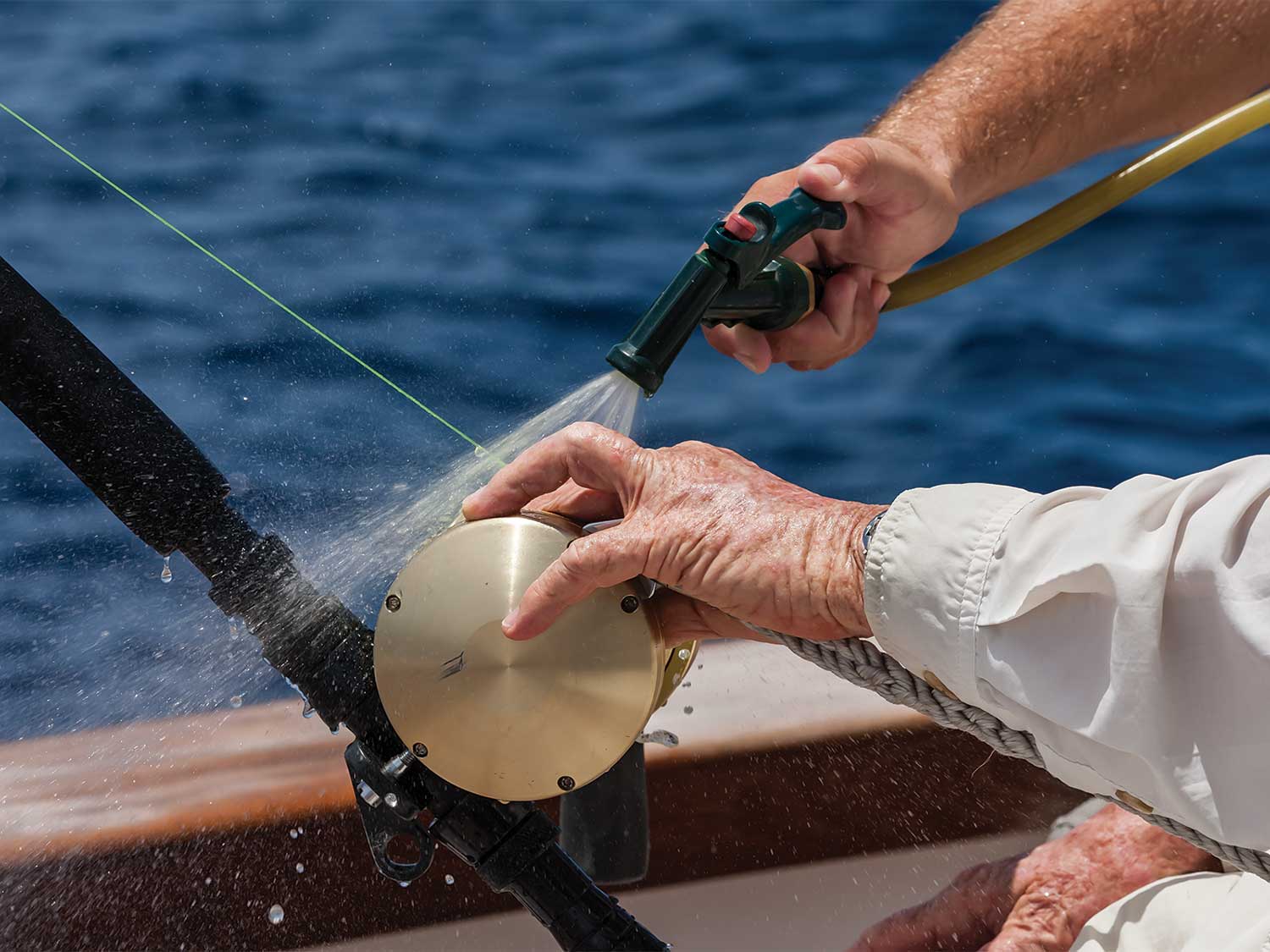
Use gentle freshwater rinsing to remove salt without forcing water deeper into the reel.
- ✦ Inspect visible parts
Check the spool, handle, screws, and line roller for signs of corrosion.
- ✦ Clean before lubrication
Adding oil over dirty parts can trap debris and create more problems.
Avoid These Cleaning Mistakes
Many anglers make the mistake of using high-pressure water sprays. Strong pressure can push water past seals and deeper into the reel.
Another common mistake is storing the reel while it is still damp. Always allow enough drying time before putting your gear away.
- ✦ Do not use strong pressure
Gentle cleaning protects internal components.
- ✦ Do not store wet gear
Moisture left inside can create long-term damage.
Drying and Lubricating Internal Reel Components
After cleaning, lubrication helps restore smooth operation. Bearings, gears, and moving surfaces need proper reel oil or grease designed for fishing equipment.
Fishing reel water getting inside how to deal with often depends on how well you protect internal parts after drying. Proper lubrication creates a barrier against future moisture.
- ✦ Use reel-specific oil
Fishing reel oils are made for small moving parts and high-speed bearings.
- ✦ Apply grease to gears
Grease helps protect larger internal gear surfaces.
- ✦ Avoid over-lubrication
Too much oil can collect dirt and reduce performance.
When to Open the Reel Body
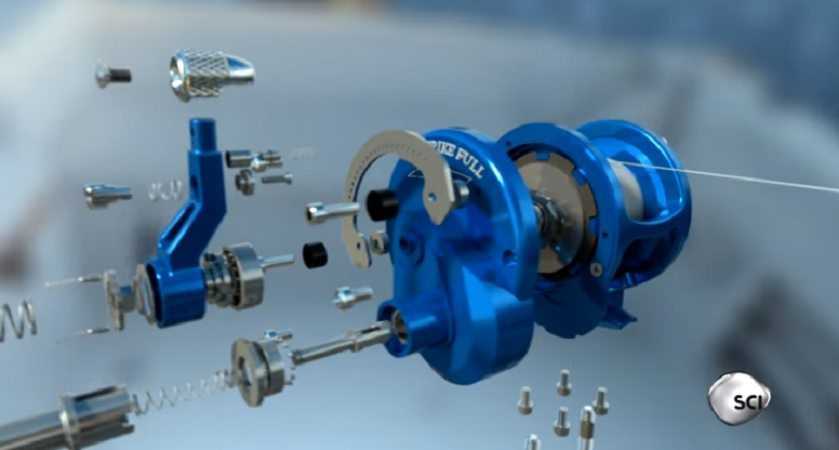
If water entered deeply or the reel feels rough after drying, opening the reel may be needed. Some anglers can handle basic maintenance, while others prefer professional service.
Complex reels with sealed drag systems or advanced bearings may need expert inspection.
- ✦ Simple maintenance
External cleaning and lubrication can solve minor moisture problems.
- ✦ Professional service
Deep corrosion or damaged parts may require a reel technician.
How Saltwater Affects Fishing Reels
Saltwater is one of the hardest environments for fishing equipment. Salt particles speed up corrosion and can damage metal parts if they remain inside the reel.
For coastal anglers in places like Florida, California, and the Gulf Coast, regular cleaning after every saltwater trip is a smart habit.

- ✦ Salt damages metal
Salt creates conditions that encourage rust and corrosion.
- ✦ Salt affects lubrication
Old grease mixed with salt can become less effective.
Saltwater Prevention Routine
A simple routine can protect expensive fishing reels. Light freshwater cleaning, proper drying, and regular maintenance reduce future repair costs.
- ✦ Clean after every trip
Remove salt before it has time to build up.
How to Prevent Water From Entering Your Fishing Reel
Prevention is easier than repair. While no reel is completely waterproof, careful habits can greatly reduce water problems.
Fishing reel water getting inside how to deal with is not only about fixing damage. It is also about creating a maintenance routine that protects your gear.
- ✦ Use reel covers
A cover protects your reel during transport and storage.
- ✦ Store reels correctly
Keep reels in a dry place away from humidity.
- ✦ Perform regular checks
Small problems are easier to fix before they become major failures.