Clean a fishing reel by disassembling, rinsing, drying, and lubricating moving parts.
I have cleaned hundreds of reels over 15 years of fishing and gear work. I will walk you through how to clean a fishing reel with clear steps, tools, and tips. This guide mixes shop-tested steps and simple home fixes. Read on to learn safe methods, avoid common mistakes, and keep your reel smooth for years.

Tools and supplies you need to clean a fishing reel
Gather the right tools before you begin. A clean workspace helps prevent loss of tiny parts. Below are items I use every time I clean a reel.
- Small screwdriver set. Use sizes that match your reel screws.
- Tweezers or long-nose pliers. Good for springs and clips.
- Soft toothbrush or small nylon brush. Removes grime without scratching.
- Microfiber cloths or lint-free rags. For wiping and drying.
- Cotton swabs and toothpicks. Reach tight spots.
- Mild dish soap, isopropyl alcohol, and fresh water. For cleaning.
- Reel grease and light reel oil. Use products made for reels.
- Small containers or magnetic parts tray. Keep screws and gears sorted.
How to clean a fishing reel starts with good tools. Using the right supplies saves time and cuts risk of damage. I prefer dedicated reel oil and grease. They last longer and protect bearings.
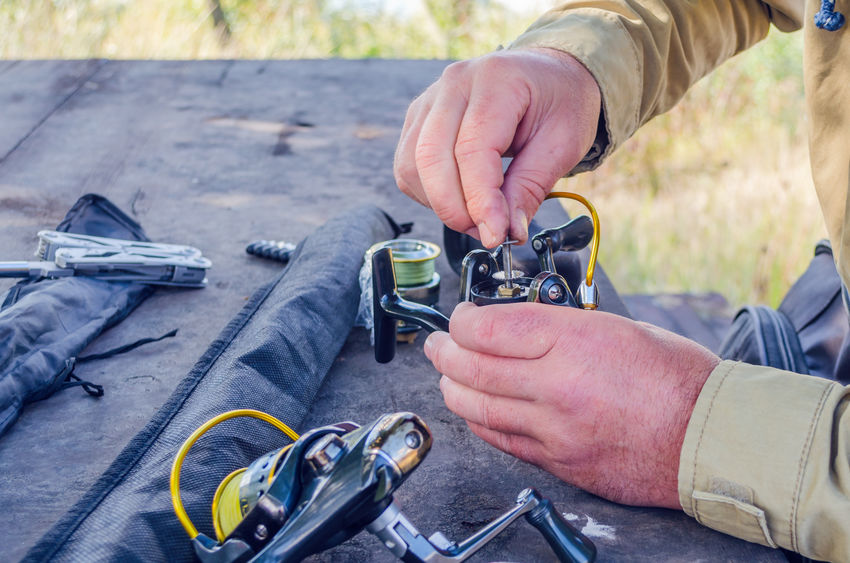
Step-by-step guide: how to clean a fishing reel
This step list works for spinning and baitcasting reels. Read each step first. Work slowly and keep parts organized.
-
Rinse light salt and dirt off.
- Rinse the outside with fresh water. Do not blast with high pressure.
- Wipe with a damp cloth. Let the reel drip dry.
-
Remove the spool and handle.
- Loosen drag to relieve spring tension.
- Unscrew the spool and set aside. Keep small parts together.
-
Open the side plate or cover.
- Use the correct screwdriver. Note the screw order.
- Place plates and screws in order in a tray.
-
Inspect internal parts.
- Look for rust, pitting, or worn gears.
- Take photos with your phone for reassembly reference.
-
Clean parts gently.
- Soak metal parts in warm, soapy water for a few minutes.
- Use a brush and cotton swabs for grime. Rinse and dry fully.
-
Clean bearings and small crevices.
- Use isopropyl alcohol on swabs for bearings and drag washers.
- Spin bearings while wiping to remove old oil and salt.
-
Dry everything completely.
- Air dry or use a low-heat hair dryer. Do not overheat plastic parts.
- Ensure no moisture remains before lubrication.
-
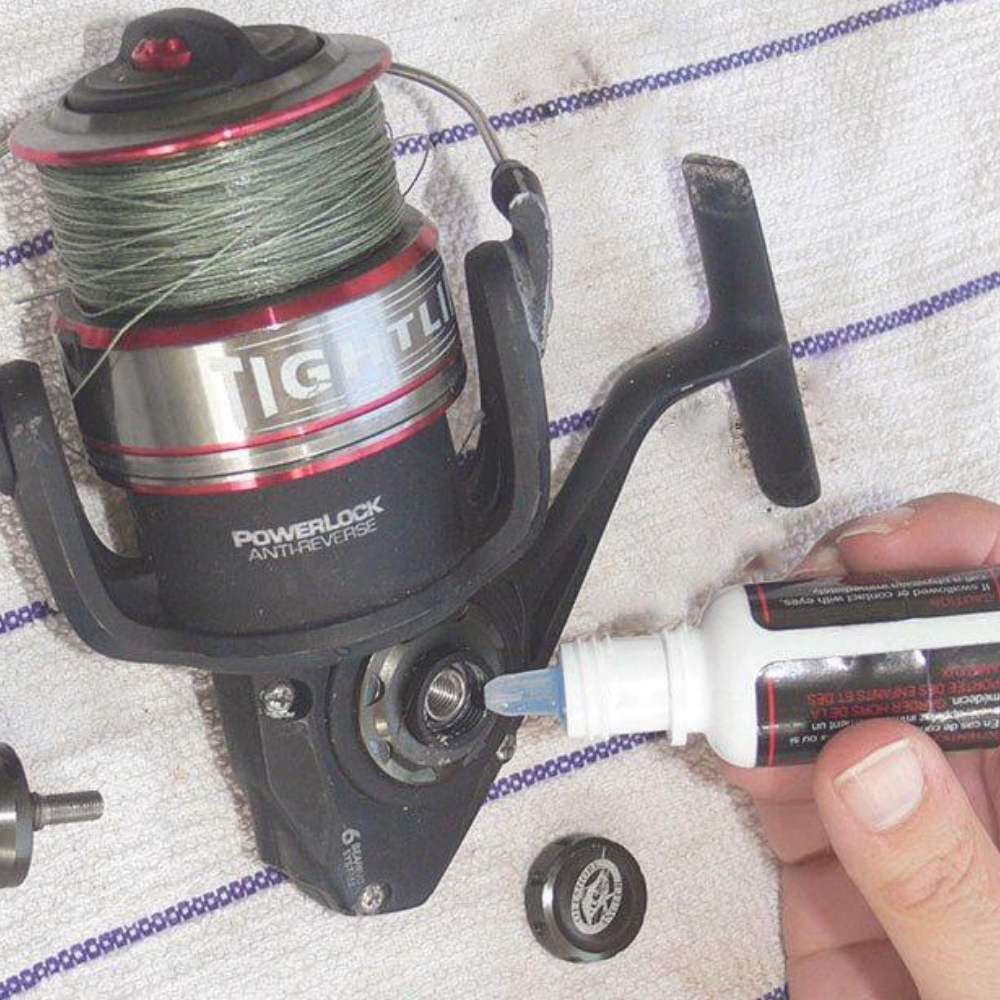
Lubricate with care.
- Apply a thin layer of reel grease to gears.
- Use 1–2 drops of reel oil on bearings and handle pivots.
-
Reassemble step by step.
- Follow your photos and notes. Tighten screws snugly but not overtight.
- Check drag and spool function after assembly.
-
Final test and cleanup.
- Cast or spin the reel by hand. Listen for smooth operation.
- Wipe the exterior and store properly.
If you follow these steps, you will know how to clean a fishing reel safely and well. Small, steady work beats rushed cleaning. My shop notes show fewer failures when anglers take their time.

Deep cleaning versus routine maintenance for how to clean a fishing reel
Routine cleaning is simple and quick. Deep cleaning is for full disassembly and inspection. Know the difference.
-
Routine maintenance
- Rinse after each saltwater trip. Wipe and add a drop of oil weekly.
- This keeps corrosion and grit out of moving parts.
-
Deep cleaning
- Do this every 1–2 years or after heavy salt exposure.
- It includes full strip-down, part inspection, and full lubrication.
Saltwater anglers must deep clean more often. Freshwater anglers can space deep cleans farther apart. I learned this the hard way after leaving a reel in a boat for a season. It cost me a rebuilt spool and a lot of time.

Common mistakes and troubleshooting when you clean a fishing reel
Avoid these errors I’ve seen many anglers make. They save time and money.
- Using household oils or too much lubricant.
- Do not use WD-40 as a long-term lube. It can attract dirt.
- Over-tightening screws.
- This strips threads or cracks casings. Tighten gently.
- Skipping photos or notes.
- You may forget part order. A phone photo helps reassembly.
- Rinsing with high-pressure water.
- It forces salt and dirt deeper into bearings and gears.
If your reel grinds after cleaning, you may have missed a bearing or used too much grease. Reopen and remove excess. Try one drop of oil on bearings and test again.

Lubrication and reassembly tips for how to clean a fishing reel
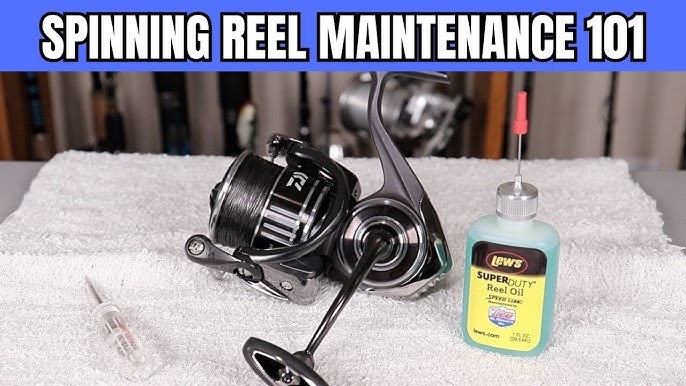
Right lubrication keeps parts moving and prevents wear. Use small amounts and key placement.
- Use grease on gear teeth and main gear shafts.
- Use light oil on ball bearings, bail pivot, and line roller.
- Apply oil sparingly; excess oil attracts dirt.
- Use grease sparingly on drag systems unless manufacturer recommends.
During reassembly, align parts gently. Match your photos. Test the drag after partial assembly. If something binds, stop and recheck part placement. I once installed a washer backwards and spent an hour troubleshooting. Photos would have saved me 10 minutes.
Storage and long-term care after you learn how to clean a fishing reel
Good storage extends gear life. Follow these easy steps.
- Loosen the drag before storage to reduce spring stress.
- Store reels in a dry, cool place away from sun.
- Use reel covers or bags to prevent dust and dings.
- Check reels seasonally and run a quick wipe and oil.
Store spare reels on a shelf, not a garage floor. Moisture and temperature swings cause corrosion. I label each reel with last service date. It helps me plan routine maintenance.
Frequently Asked Questions of how to clean a fishing reel
How often should I clean my fishing reel?
Clean the exterior after every saltwater trip and do a light oiling weekly if you fish often. Deep clean every 1–2 years or sooner after heavy salt exposure.
Can I use household oil to lubricate my reel?
No. Household oils can gum up and attract dirt. Use lubricants made for reels to ensure protection and correct viscosity.
Is it safe to submerge the reel in water to clean it?
Avoid full submersion. A quick, gentle rinse is okay, but submerging can force water into bearings and drag systems and cause damage.
How do I know if a bearing needs replacement?
If a bearing feels gritty, rough, or makes noise after cleaning, replace it. Smooth, quiet spinning usually means the bearing is fine.
What lubricant goes on the drag washers?
Use light, thin drag grease only if the manufacturer recommends it. Many modern drag systems work best with minimal or no grease.
Conclusion
Cleaning a reel protects your investment and improves performance. Follow the simple steps above to learn how to clean a fishing reel safely and well. Start with routine rinses, schedule deep cleans, and use proper lubricants. Try the step-by-step guide the next time you return from a trip. Leave a comment with questions or share your own reel-care tips.