Store rods upright, reels dry, lures sorted, and lines kept cool and shaded for long life.
I have spent decades on the water and in the garage helping anglers learn how to store fishing gear properly. I know what fails first and why. This guide shows clear, tested steps to protect rods, reels, lines, lures, clothing, and electronics. Read on for practical tips, real mistakes to avoid, and a plan you can use today to keep gear ready and lasting longer.
Why storing fishing gear correctly matters
Proper storage saves money and time. Rust, cracked rods, warped lines, and lost lures happen fast when gear is left in the wrong place. Learning how to store fishing gear properly reduces damage and keeps gear ready for the next trip.
Good storage keeps performance high. A well-kept reel casts smooth. A fresh line holds strength. You spend less replacing kit and more fishing.
Basic principles for how to store fishing gear properly
Follow a few core rules no matter the item. Keep gear dry and clean. Avoid sun, heat, and salt. Use breathable containers and proper hangers. These steps form the backbone of how to store fishing gear properly.
Check gear after each use. Dry and clean metal parts. Loosen drag on reels before long storage. Storing with tension shortens life.
Preparing gear before storage
A few prep steps make a big difference. Rinse saltwater gear with fresh water. Dry fully before stashing. Clean hooks and sharp parts to avoid rust. Lubricate moving parts lightly. These steps are essential to how to store fishing gear properly.
Store wet gear in a shaded area until dry. Use a towel or air-dry on racks. For clothing and waders, hang to dry, then fold or hang in storage.
Rod and reel storage best practices
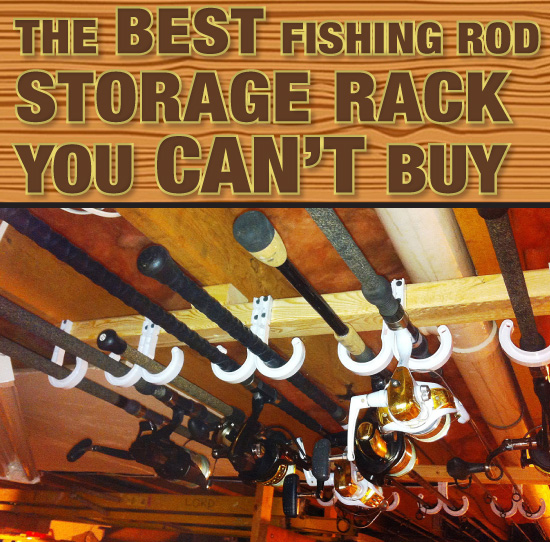
Rods and reels are easy to damage. Store rods upright or in horizontal racks. Avoid leaning rods in corners. Use rod tubes for travel and long-term storage. This is a key part of how to store fishing gear properly.
For reels:
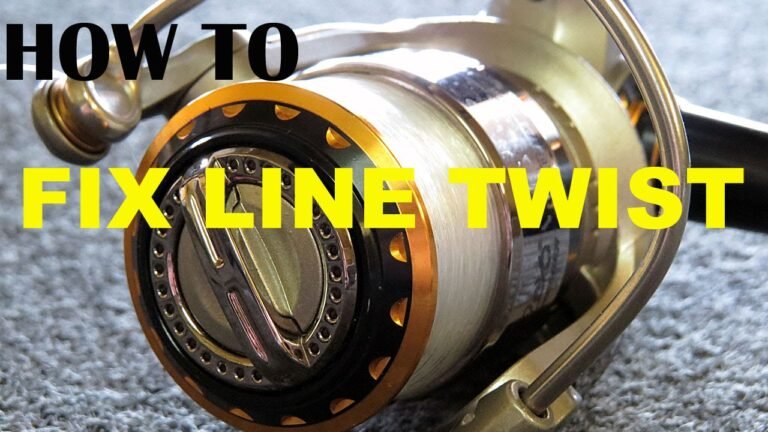
- Keep drag loose when storing reels to relieve pressure on internal parts.
- Remove spool if storing for months and wrap line in a loop to avoid memory.
- Use a light coat of oil on metal parts to prevent corrosion.
For rods:
- Support rods in two places if stored horizontally to avoid sagging.
- Store away from heat and direct sun to prevent warping and fading.

Source: wikihow.com
Tackle, lures, and terminal tackle
Organize lures and tackle by type and size. Use clear boxes so you can see contents. Dry hooks and lures before closing boxes. This step helps you find gear fast and prevents rust, an important detail in how to store fishing gear properly.
Label boxes with contents and date. Keep soft plastics in sealed containers away from heat to prevent melting or scent loss. Use silica packs in boxes to control moisture.
Lines, leaders, and backing storage
Line deteriorates with UV and heat. Store spools in a cool, dark place. Replace line that shows cracks or discoloration. Proper line care is a major part of how to store fishing gear properly.
Avoid hanging heavy spools by the line. Store spools flat or on spindle racks. For braided line, avoid tight bends that cause kinks.
Clothing, boots, and waders
Wash and dry clothing before storing. Store waders hanging by the boots or fold loosely. Use breathable garment bags for jackets and vests. These habits show how to store fishing gear properly and keep fabrics fresh.
Check for mold and mildew. Use rust inhibitors for zippers and snaps. Rotate seasonal clothing so nothing stays compressed long term.
Electronics and fish finders
Remove batteries from electronics before long storage. Wipe screens and ports clean. Store electronics in padded, dry cases at room temperature. This protects sensitive gear and is central to how to store fishing gear properly.
Keep cables untangled and labeled. Store transducer mounts and sensors separately in padded bags to avoid scratches.
Storage systems and organization
Choose a system that fits your space and gear. Wall racks, pegboards, heavy-duty shelves, and lockable cabinets all work. Use labeled bins for small items. Good organization is part of how to store fishing gear properly.
Ideas:
- Wall-mounted rod racks that keep rods vertical
- Plastic tackle boxes with dividers for lures and hooks
- Clear stackable bins for seasonal gear and spare parts
- Lockable cabinet for expensive reels and electronics
Seasonal storage and long-term tips
Before winter or long lay-offs, deep clean all gear. Remove line from reels you won’t use for months. Store in a climate-controlled spot if possible. These are vital steps when you learn how to store fishing gear properly.
For long trips, recheck equipment before departure. Replace lines older than two years for safety. Keep a small kit for quick fixes in storage.
Maintenance schedule and checklist
A simple routine keeps gear in top shape. Do quick checks after each trip and deeper checks monthly or seasonally. A checklist helps you remember small tasks that matter for how to store fishing gear properly.
Sample checklist:
- Rinse and dry gear after use
- Inspect rods for cracks or loose guides
- Clean and lubricate reels lightly
- Check hooks and lures for rust or damage
- Replace lines or leaders as needed
Common mistakes to avoid
Many anglers store gear wrong. Avoid these common errors to protect your kit and learn how to store fishing gear properly.
Common mistakes:
- Leaving gear wet in a closed bag, which causes mildew
- Storing reels with drag engaged, which damages drag systems
- Exposing lines to sun and heat, which weakens them
- Tossing lures loose into a box, which tangles and damages hooks
Personal experiences and lessons learned
I once left a favorite rod leaning in a sunlit shed for a summer. It warped and lost its action. I learned to store rods properly and to rotate gear. I now keep reels cleaned and labeled. These small habits saved me time and money and show why how to store fishing gear properly matters.
I also learned that a cheap silica pack in a tackle box prevents rust better than fancy oils alone. Simple fixes often work best. If you fish saltwater, rinse everything immediately and open boxes to dry.
Improvements, tools, and product recommendations
Invest in a few smart tools. Rod racks, moisture absorbers, and a good reel oil make a big difference. Buy clear bins for easy access. These choices help you maintain how to store fishing gear properly.
Consider:
- Soft rod carriers for travel
- A small workbench with tools for quick repairs
- Labeled bins and drawer systems for small parts
Frequently Asked Questions of how to store fishing gear properly
How long can I leave line on a reel without replacing it?
Line life varies by type and use. Replace monofilament every 1–2 years and braided line every 3–5 years if used often or stored in sun. Check for discoloration, stiffness, or nicks before use.
Should I loosen the drag on my reels for storage?
Yes. Loosening drag reduces stress on the drag washers and springs. It helps reels hold smooth performance over time.
Can I store rods leaning in a corner?
No. Leaning rods can warp or bend over time. Use upright racks or horizontal supports that prevent sagging.
How do I prevent rust on hooks and lures?
Dry gear fully before storage and use silica packs in boxes. Rinse saltwater gear with fresh water and apply light oil to metal if needed.
Where is the best place to store fishing gear in my home?
Pick a cool, dry, shaded area with low humidity. Avoid attics and car trunks that heat up. A garage with controlled humidity or a closet works well.
Conclusion
Storing gear the right way saves money and keeps you fishing more. Follow simple steps: clean and dry everything, protect from sun and heat, loosen reels, and organize tackle for quick access. Start a short checklist today and make storage a habit to keep gear working longer and ready for every trip.
Take action now: clean one rod and one reel this weekend, add silica packs to your tackle boxes, and set a calendar reminder for seasonal maintenance. Share your tips or ask questions below — I’d love to hear your storage wins and mistakes.