Yes — salmon eggs are excellent bait for trout when used correctly and legally.
I’ve fished rivers and lakes for two decades and tested many baits. This article explains whether are salmon eggs good for trout fishing, how they work, when to use them, rigs that catch fish, and legal and ethical issues. Read on for practical tips, clear examples, and mistakes I’ve learned to avoid so you can catch more trout with confidence.

Why salmon eggs attract trout
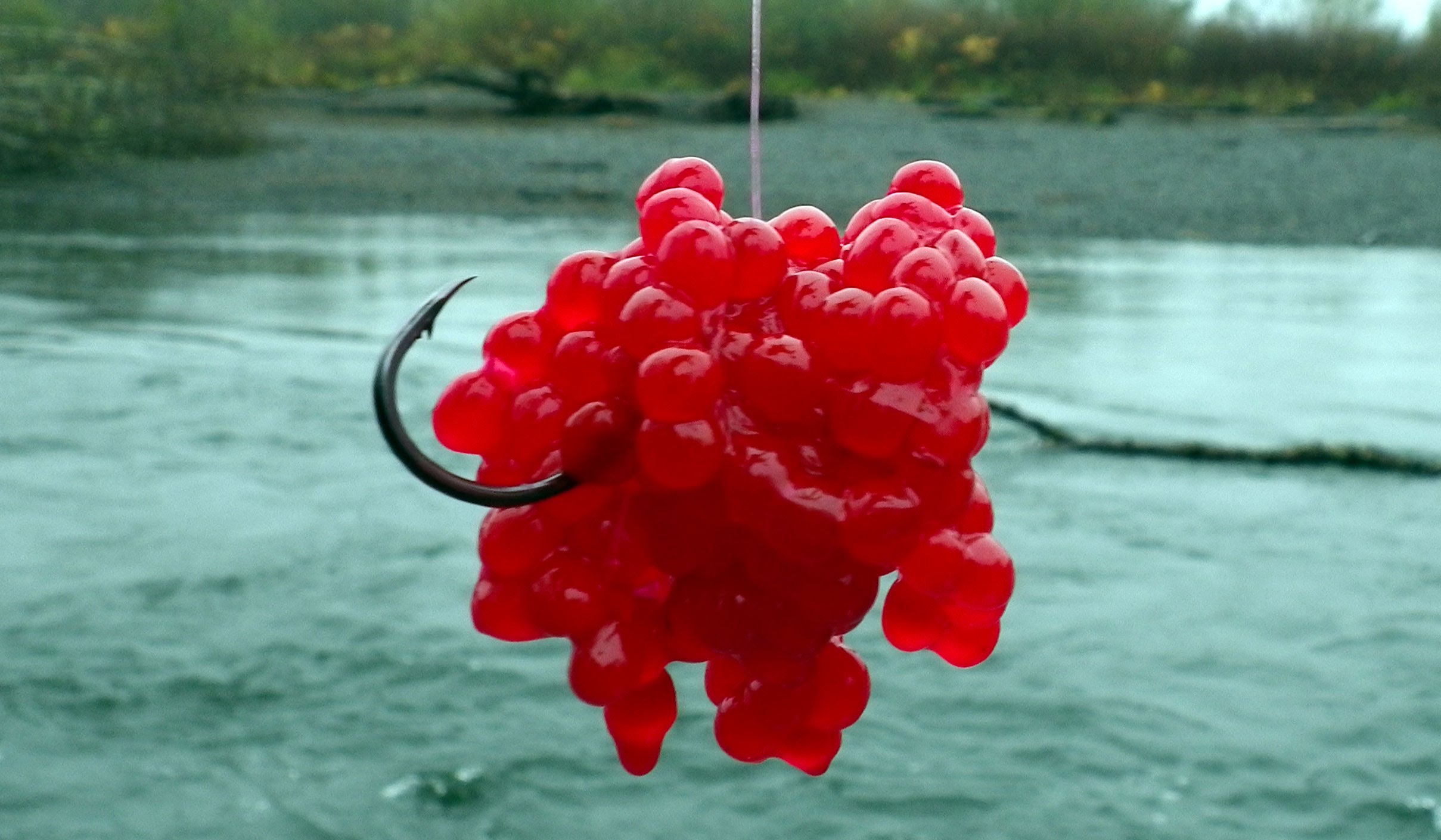
Salmon eggs are rich in oil and protein. Trout key on scent and color, and salmon eggs offer both in a compact package. Using salmon eggs as bait mimics natural food trout eat during and after salmon spawning. If you wonder are salmon eggs good for trout fishing, the short answer is yes — they trigger feeding responses in many trout species.
Trout can detect eggs by scent from some distance, especially in slow water or pools. Eggs also create a visible, enticing target in clear water when pinned under a small float or drift rig. These qualities explain why anglers rely on salmon eggs for spring, summer, and fall fishing.
Types of salmon eggs and how to prepare them
- Fresh roe
- Fresh eggs come straight from salmon and have the best scent profile. Keep them cold and use within a day for best action.
- Cured eggs
- Curing adds salt, sugars, and dyes to preserve eggs and change scent. Cured eggs last longer and can be customized by recipe.
- Fake or synthetic eggs
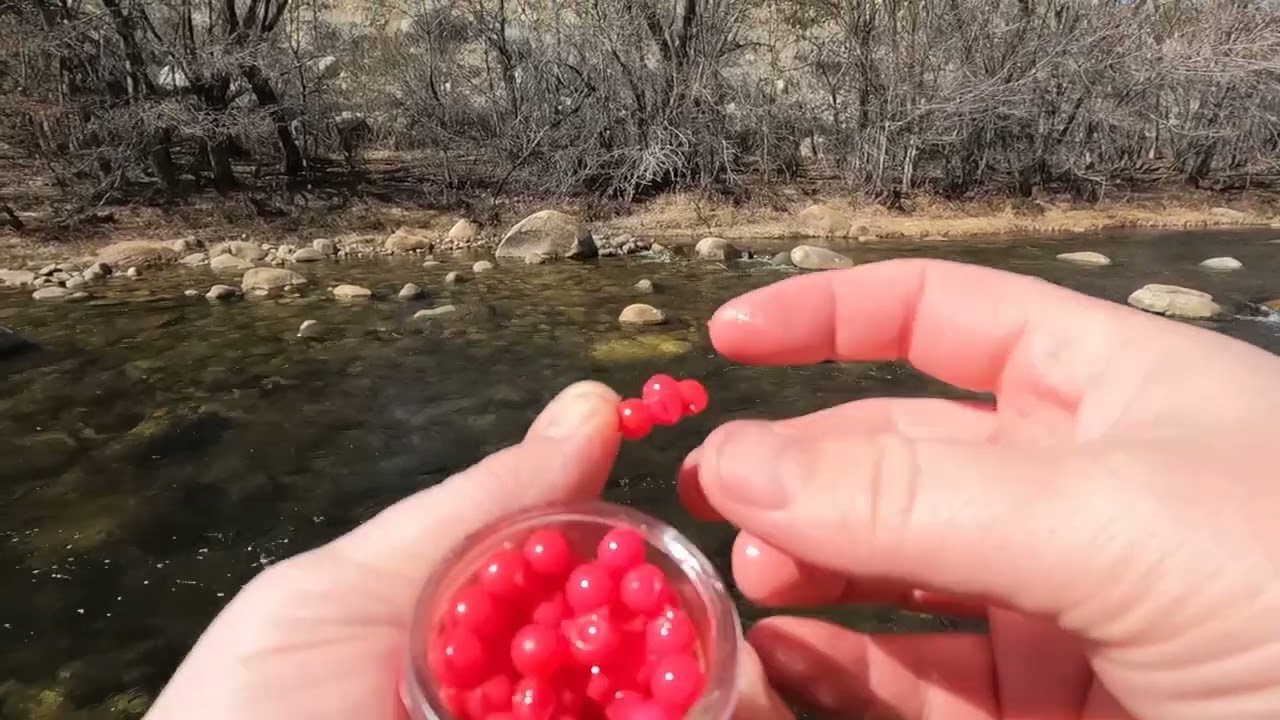
- Imitations use plastic or bead materials with scent added. They are durable and legal in some areas where real eggs are restricted.
Preparation tips
- Rinse fresh eggs gently to remove blood and membranes. Handle softly to avoid breaking the membrane too early.
- For cured eggs, follow a tested cure for 24–48 hours. Rinse and pack in a cool container until you fish.
- Match color and size to local salmon run and stream conditions. Bright orange works well in stained water; natural tones are better in clear water.

Best rigs and presentation for salmon eggs
- Single-egg hook
- Use a small, sharp hook with a gentle knotless knot or dental floss to prick and thread the egg. This presents a single natural-looking egg.
- Egg loop or egg sack
- Form a loop from tippet material to hold a cluster of eggs. This works well on a drifted nymph rig or under an indicator.
- Float and bead setup
- A small float or indicator keeps eggs off the bottom and in the strike zone. Add a bead to protect the knot and add flash.
- Drift rig
- Cast upstream and let the egg drift naturally through seams and behind rocks. Keep leader length short so the drift looks alive.
Presentation matters more than gadgetry. Trout often refuse eggs that sit oddly on the bottom or are presented too fast. If you ask are salmon eggs good for trout fishing, remember that the correct rig and subtle drift usually determine success.

Timing, water conditions, and seasonal tips
- Spring and early summer
- Trout feed actively after winter and will take eggs in rivers with salmon runs. Use natural colors and subtle presentation.
- During salmon spawn
- Egg availability increases trout focus on eggs. Fish near redds carefully and ethically; follow local rules.
- Water clarity and flow
- In clear water, use small, natural eggs and fine tippet. In stained or fast water, use brighter or larger eggs with stronger scent.
PAA-style questions
When is the best time of day to fish eggs?
Early morning and low-light periods often produce more takes because trout feed more actively and rely on scent and silhouette.
How deep should eggs be fished?
Fish eggs in the feeding lane trout use: just off the bottom in pools and seams, or suspended under a float in slack water.

Legal, ethical, and conservation considerations
- Check local regulations
- Many regions restrict the use of natural eggs to protect salmon runs. Always verify rules before using eggs.
- Respect spawning areas
- Avoid walking on redds (spawning nests) and do not fish directly inside active redds. Disturbing nests reduces survival for salmon and trout food sources.
- Use sustainable choices
- When possible, use cured or synthetic eggs that meet legal requirements and reduce impact on local fish populations.
I always carry a quick reference for local rules and ask hatchery or ranger staff when unsure. That practice protects fisheries and keeps fishing open for everyone.
Common mistakes and how to fix them
- Overhandling eggs
- Squeezing eggs makes them burst and lose scent. Handle gently and thread with soft dental floss or a fine needle.
- Wrong size or color
- Mismatched eggs can look unnatural. Match local salmon run egg size and use natural tones in clear water.
- Rigid presentation
- A stiff leader or poor knot ruins the drift. Use a supple tippet and test drifts before committing.
If you keep asking are salmon eggs good for trout fishing, avoid these mistakes and focus on subtlety. Small adjustments often double your hookups.
Personal experience and practical tips
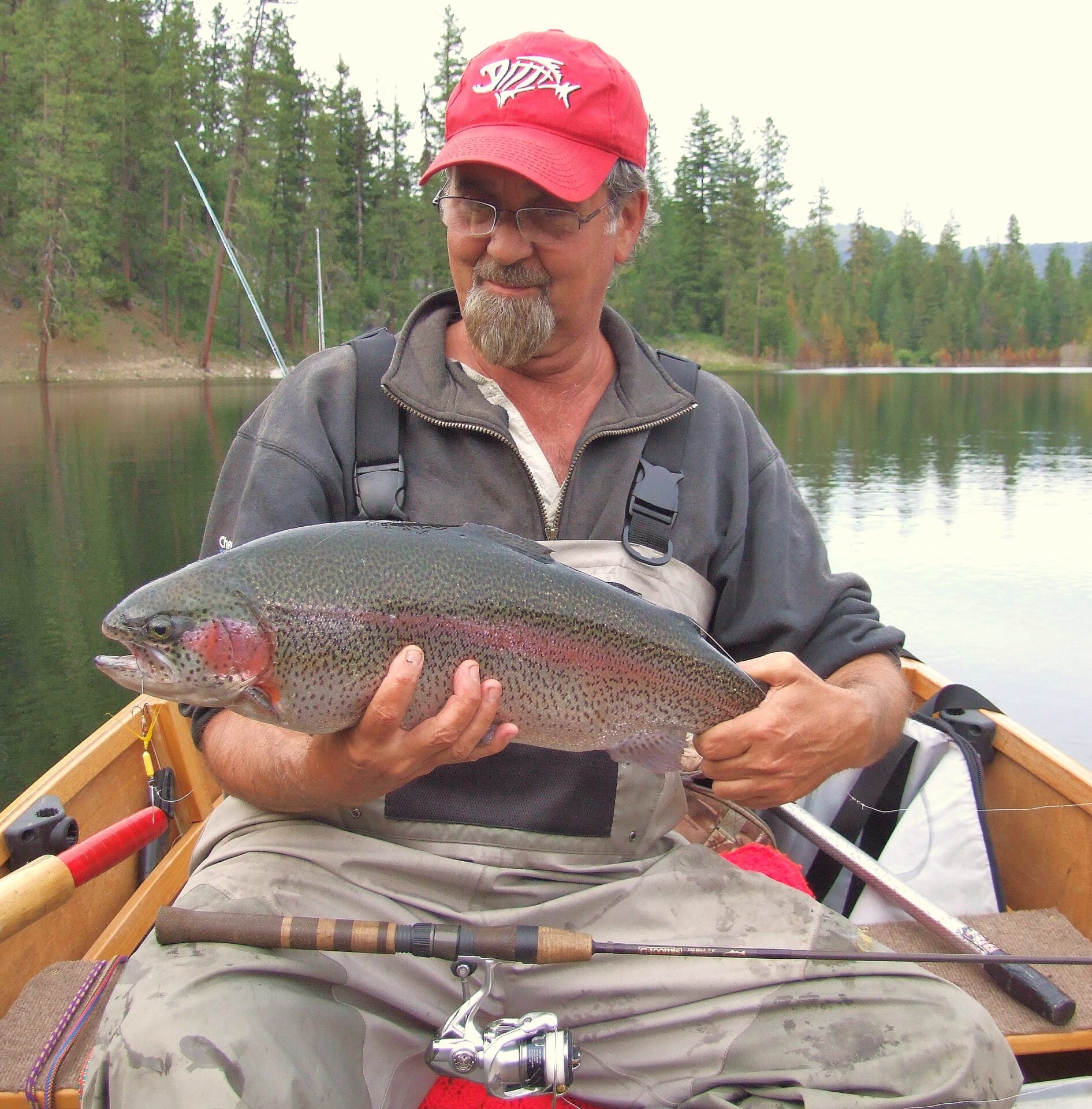
I started using salmon eggs on a small river that fed a large lake. The first season I used too-large, bright eggs and hooked few fish. After switching to natural-colored cured eggs and a short leader, catch rates improved dramatically. Key lessons I learned:
- Always match egg color and size to local conditions.
- Fish eggs shallow in spring but deeper in late summer when trout move deeper.
- Keep spare cured eggs in a cooler; chilled eggs hold scent better.
Other practical tips
- Carry small vials of cure and dye to tweak color on the fly.
- Use a magnifying glass or lamp when threading eggs in low light.
- Keep a log of what worked: date, water, egg type, and results. Over time you’ll build a reliable pattern.

Frequently Asked Questions of are salmon eggs good for trout fishing
Are salmon eggs legal to use everywhere?
Regulations vary widely by state and country. Check local fishing regulations because some places ban natural eggs to protect salmon runs.
Do trout prefer fresh eggs or cured eggs?
Trout will take both, but cured eggs last longer and can have stronger scent. Fresh eggs offer a natural scent that can be very effective in certain situations.
Can I use synthetic eggs instead of real eggs?
Yes, synthetic eggs mimic size, color, and scent and are often allowed where natural eggs are restricted. They are durable and convenient for long trips.
How do I keep eggs from popping on the hook?
Use a fine needle to thread the membrane or dental floss for a loop knot. Handle gently and avoid squeezing the egg when securing it.
Will using eggs harm salmon populations?
If you follow regulations and avoid fishing on redds, responsible egg use has minimal impact. Always use eggs in line with conservation rules and local guidance.
What size hook works best with salmon eggs?
Small hooks in sizes 10–16 are common. Match hook size to egg size to create a natural presentation and improve hookup rates.
Conclusion
Salmon eggs are a proven and effective trout bait when used with the right presentation, timing, and respect for regulations. They offer strong scent, visual appeal, and versatility across river and lake situations. Try small adjustments — color, size, rig, and drift — and record your results to find a pattern that works where you fish. Now grab a small jar of cured eggs or a pack of synthetic eggs, test a few rigs, and see what you learn this season — then share your results or questions below.