Yes — dog food can work well as carp bait when prepared and used correctly.
I’ve fished for carp for over a decade and tested many baits, including commercial boilies, sweetcorn, and yes, dog food. This article gives a clear, evidence-based look at whether is dog food good for carp fishing, how it stacks up, when to use it, and step-by-step prep tips. Read on for practical methods, real results from the bank, and advice to avoid common mistakes.
Why anglers ask "is dog food good for carp fishing?"
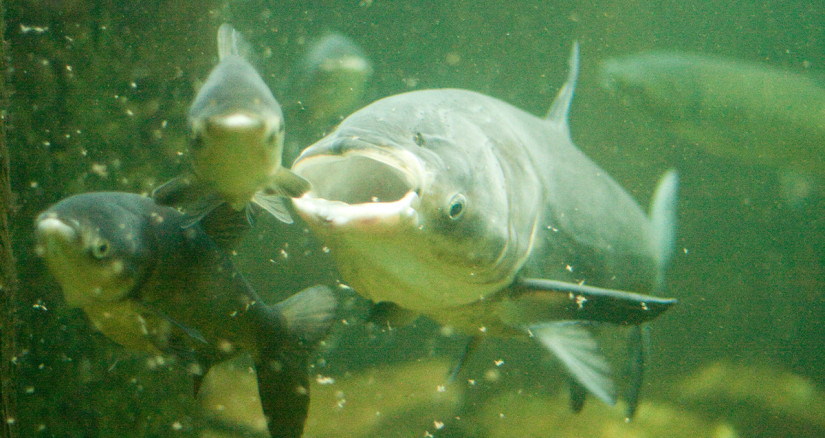
Carp are opportunistic feeders that respond to smell, texture, and calories. That is why many anglers ask is dog food good for carp fishing — it offers strong scent, high protein, and tight, crumbly texture that carp find attractive. The key question is not simply whether dog food attracts carp, but whether it can be used safely and effectively as bait without harming fish or breaking local rules. I’ll break down science, practice, and real-world tips so you can decide for yourself.

What makes dog food attractive to carp
Dog food has several traits that make anglers wonder is dog food good for carp fishing:
- Protein-rich profile: Many kibbles contain meat meals and fish meals that release amino acids in water.
- High fat and oil content: Oils disperse scent quickly, drawing fish from distance.
- Firm but crumbly texture: Kibble soaks, swells, and forms a soft particle that carp can mouth easily.
These traits mimic commercial carp baits. However, formulations vary widely, so not all dog food performs the same. I’ve seen canned, wet, and dry dog food behave differently on the bank.

Types of dog food used and how they compare
Many anglers use specific styles of dog food depending on conditions. Here’s how they compare:
- Dry kibble: Dries hard, soaks fast, and breaks down into particles. Good for spod mixes or plek rigs.
- Canned/wet food: Releases strong scent quickly but can disintegrate and foul the water if overused.
- Puppy or high-fat blends: Offer extra oils and attraction but may be more soluble and messy.
When asking is dog food good for carp fishing, consider the type. Dry kibble often gives the best balance for controlled presentation and slow release of scent.
How to prepare dog food for carp bait — step-by-step
Preparation makes the difference between a messy pile and an effective bait. Here are proven methods:
- Soak and swell: Soak kibble in water or fishmeal tea for 30–60 minutes so it swells but stays intact.
- Mash and bind: Lightly crush soaked kibble and bind with a bit of flour, semolina, or PVA-friendly binder for use on a hair rig.
- Cooked mix: Simmer dog food with corn or boilie crumb to create a particle mix that holds on the hook.
- Freezing: Freeze formed particles to firm them up. Thaw before use for best scent release.
I personally prefer soaked kibble mixed with a touch of sweetcorn and a binder. That combo held on the hair strong and produced steady takes on my local venue.

Rigs, presentation, and tactics when using dog food
Presentation decides success. Try these simple rigs and tactics:
- Hair rig: Use a small boilie stop or soft mesh to hold kibble clusters off the hook for natural presentation.
- Particle feeder: Fill a method feeder with mixed dog food crumb for steady attraction.
- Spod or catapult: Use sparingly; dog food attracts but can overfeed quickly if broadcast too much.
- Timing: Use dog food in cooler months when carp seek higher-protein foods, and in pressured waters where novelty helps.
From experience, a small, well-presented portion beats dumping large quantities. Carp become wary when the spot is overloaded.
Benefits and limitations to consider
Weigh pros and cons when deciding is dog food good for carp fishing:
Benefits
- Cost-effective: Cheaper than many specialist baits.
- Readily available: Easy to buy and experiment with.
- Strong attraction: Oils and amino acids produce a strong scent trail.
Limitations - Nutritional mismatch: Not formulated for fish; long-term use could be unhealthy for carp.
- Water quality: Wet dog food can foul water if used in excess.
- Legal and ethical limits: Some waters ban non-natural or non-approved baits.
Be honest: dog food is a great short-term bait or spot-builder, but not a replacement for responsibly using fish-friendly, approved baits.

Environmental, legal, and fish welfare issues
Before you try dog food, check rules and risks. Key points:
- Local rules: Many fisheries restrict particles or require approved bait only. Always check the venue rules.
- Pollution risk: Wet food can decompose quickly and lower oxygen in small, still waters.
- Fish health: Repeated feeding of non-aquatic diets may cause digestive or health issues in carp.
I once had a match where using canned dog food caused visible scum and fewer bites after midday. After that match I stopped using wet dog food on small venues.
Personal experience, mistakes to avoid, and practical tips
A few lessons from years of testing dog food as carp bait:
- Start small: Test a few kibbles on a spot before committing a full feeder.
- Mix with trusted attractors: A touch of commercial crumb, sweetcorn, or boilie crumb improved my catches consistently.
- Avoid overfeeding: Too much dog food can feed carp off the hook and foul the swim.
- Use firm presentation: Freezing or binding prevents loss from the hook on casting.
I learned the hard way that bright, smelly wet food can attract birds and bait thieves. These days I favor dry kibble soaked smartly and paired with a hair rig.
People also ask — quick PAA-style answers
Can dog food attract carp better than corn?
Dog food can attract carp well because of scent and protein, but corn is sweeter and often more consistent; results depend on water and fish preferences.
Is soaked kibble better than straight kibble?
Soaked kibble usually improves attraction because it releases scent faster and is easier for carp to eat.
Will dog food harm the fish or water?
Occasional use is unlikely to harm fish, but repeated heavy use of wet dog food can harm water quality and fish health.
Frequently Asked Questions of is dog food good for carp fishing
Is dog food a legal bait at most fisheries?
Rules vary; some fisheries allow it, while others ban unapproved baits or particles. Always check local rules before use.
Which dog food brands work best for carp?
Look for meat or fish meal-based kibble with higher oil content; cheap, very processed brands may be less effective. Brand specifics vary by region.
How long does dog food take to break down in water?
Dry kibble swells in 30–60 minutes and starts to break down over a few hours; wet food can dissolve faster and pollute quickly.
Can you use dog food as a main bait or just as an attractor?
It can be used as both, but it’s often best as an attractor or part of a mix combined with proven carp baits.
How do I store prepared dog food bait?
Keep it cool and dry, freeze formed particles if needed, and only prep what you’ll use to avoid spoilage.
Conclusion
Dog food can be a practical, low-cost option for carp fishing when used thoughtfully. It offers strong attraction through proteins and oils, and works best when prepared (soaked, bound, or frozen) and presented carefully on hair rigs or in feeders. Keep fish welfare and local rules front of mind, start small, and mix dog food with other trusted attractors for the best results. Try a controlled test on a day session, learn what works at your venue, and share your findings with other anglers. If you found this guide useful, subscribe for more bait tests, leave a comment about your experience, or try a small trial next time you’re at the bank.