Carp fishing is expensive because of specialist gear, high-quality bait, access fees, and time investment.
I have fished for carp for more than a decade. I write about why is carp fishing expensive from hands-on experience and research. This guide breaks down costs, explains why prices are high, and gives real tips to cut expenses without losing success. Read on to get a clear, honest look at why is carp fishing expensive and how to make smart choices.

Why carp fishing can be costly
Carp fishing has grown from a simple pastime to a specialized sport. That is why is carp fishing expensive for many anglers. The fish are large, clever, and often live in pressured waters. Catching them needs gear built for strength and stealth.
Costs come from many directions. Gear, bait, venue fees, travel, and time all add up. Brands also market high-end tools that raise expectations. I will explain each cost and show practical ways to save.

Gear and equipment costs
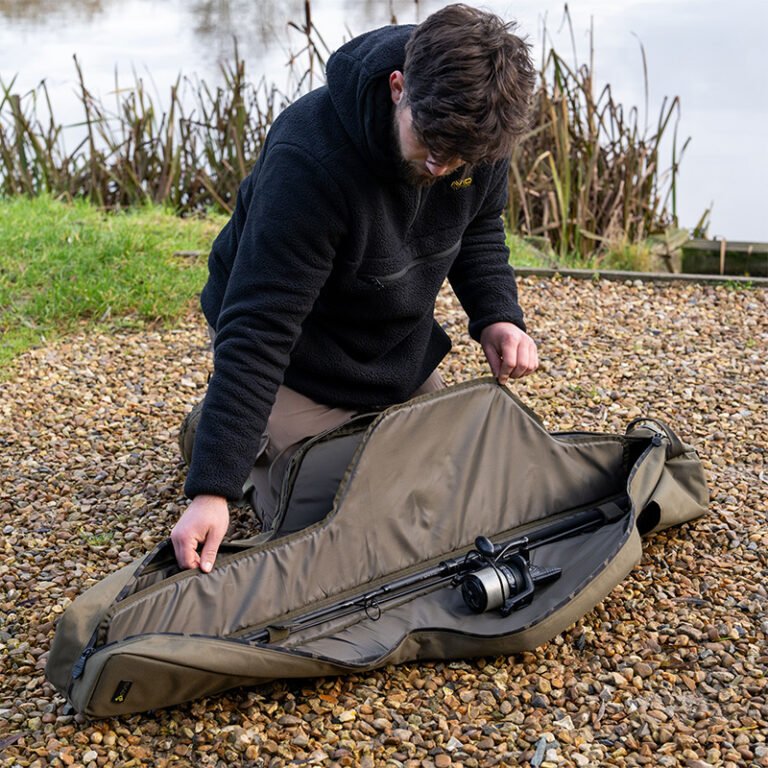
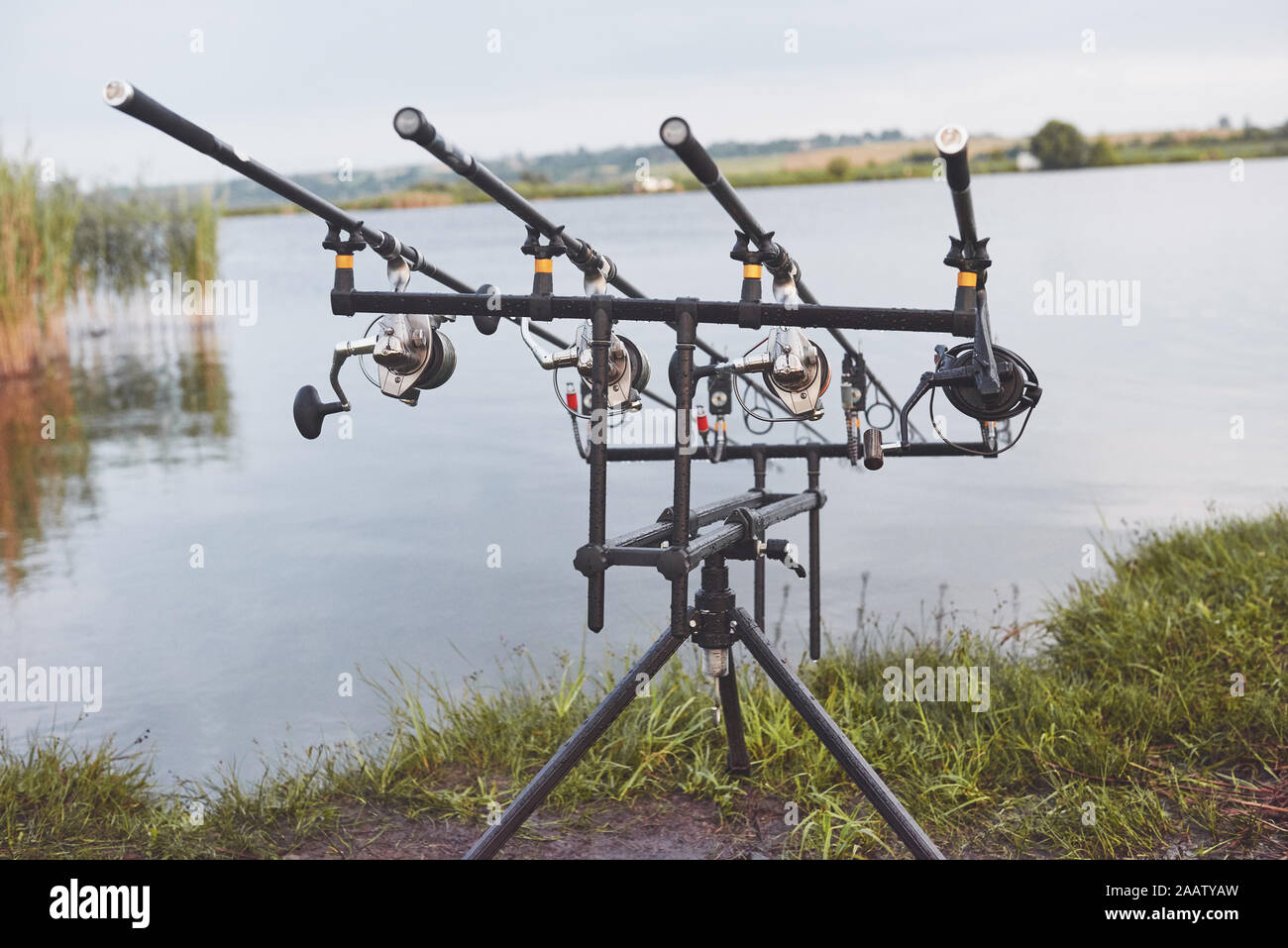
High-quality rods, reels, and line are core expenses. Carp put heavy loads on equipment. Cheap gear breaks fast. That leads many anglers to buy better gear. That is a main reason why is carp fishing expensive.
Common gear costs
- Rods: Carp rods are strong and often cost more than general rods.
- Reels: Carp reels need smooth drag systems and corrosion resistance.
- Line and leaders: Strong, low-stretch line raises cost per spool.
- Rod pods and alarm systems: Modern bite alarms and rests add to the bill.
Experience tip: I once used a low-cost rod and lost a prime carp on the fight. Saving on gear can cost more in lost fish and stress. Investing in a reliable rod and reel reduces replacements and failures.

Bait, rigs, and consumables
Bait drives recurring expenses. Premium boilies, pellets, and hookbaits are pricey. This explains part of why is carp fishing expensive. Baits are often handmade, flavored, and vacuum-packed for freshness.
Common bait costs
- Pre-made boilies and paste: High-quality brands charge a premium.
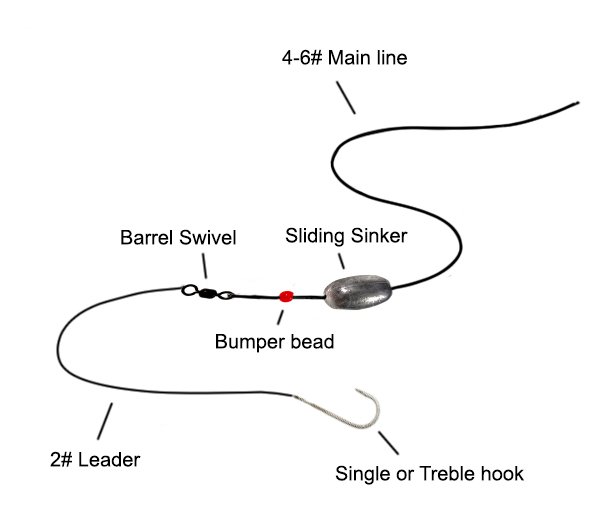
- Custom rigs and leaders: Tungsten, braided leaders, and special hooks add cost.
- Groundbait and spod mixes: Big session anglers spend more on spodding bait.
Practical note: I mix some homemade boilies to cut costs. That saves money but needs time and equipment. If you want quick results, expect to pay for premium baits.
Location, permits, and water fees
Access matters. Many prime carp waters charge day fees, permits, or membership dues. Private lakes and syndicates set higher prices. That is a direct reason why is carp fishing expensive for some anglers.
What adds to fees
- Day tickets and swims: Popular venues can be costly per session.
- Memberships: Syndicate cards give access but need yearly fees.
- Conservation levies: Some charges support stocking and habitat work.
Real-world example: I joined a local syndicate. The membership fee seemed high at first. The better fishing and stocked waters made the cost worth it for regular trips.
Time, skill, and ancillary costs
Carp fishing pays off for those who invest time. You learn watercraft, baiting patterns, and fish behavior. The time and learning curve are part of why is carp fishing expensive. Skill buys results, and practice costs time and money.
Other hidden expenses
- Travel: Top venues may be far from home.
- Storage and transport: Bigger gear needs larger vehicles.
- Learnings: Books, coaching, or video tutorials can add costs.
Personal tip: Track your trips and costs for a season. I found I was spending most on travel. Changing to closer waters cut my budget while keeping good catches.
High-end carp angling culture and market factors
A social trend also raises prices. Carp angling has its own culture of premium kit and events. That helps explain why is carp fishing expensive. Brands invest in marketing and pro anglers, which pushes gear prices up.
Market drivers
- Sponsorships and pro endorsements: These add perceived value.
- Limited runs and special editions: Small batches cost more.
- Social proof: Shows and online content make premium items desirable.
Note on value: High price does not always equal better fit for you. Test gear when possible. Rent, borrow, or try demo items before a big purchase.
How to reduce carp fishing expenses
You can enjoy carp fishing without breaking the bank. Here are practical ways to cut costs and still catch fish.
Cost-saving strategies
- Buy used gear: Look for tested rods and reels in good condition.
- Make bait at home: Simple boilies and pellets can be homemade.
- Share costs: Pool memberships or car-share travel with friends.
- Choose public or less pressured waters: Often cheaper and rewarding.
- Prioritize one upgrade at a time: Buy a good reel first, then upgrade other gear.
My best saving move was swapping expensive boilies for a homemade mix for night sessions. Catch rate stayed solid and my budget improved. Saving smartly keeps you in the game.
Common quick questions
What makes carp bait so pricey?
High-quality baits use premium ingredients, special flavors, and careful processing. Packaging and shelf-life treatments add to cost.
Do I need alarm systems for carp fishing?
Not always. Alarms help for overnight sessions and long waits. They add safety and peace of mind, but you can fish without them.
Is cheap gear worth trying for beginners?
Cheap gear can be okay to start. But replace worn items early to avoid lost fish. Aim for a balance between cost and quality.
How much does a typical carp session cost?
Costs vary. A basic day can be low if you use public waters and homemade bait. Premium trips with private waters and branded gear raise the price.
Can carp fishing become affordable long-term?
Yes. With smart buys and skill, your per-trip cost falls. Reuse quality gear and learn to make bait.
Frequently Asked Questions of why is carp fishing expensive
Why is carp fishing gear more expensive than regular fishing gear?
Carp gear is built for bigger fish and heavy use. That requires stronger materials and better design, which increases manufacturing cost.
Does bait quality really affect carp catches?
Yes. Carp respond to scent and flavor. Higher-quality bait often gives better attraction and bite rates.
Are private carp waters worth the price?
Private waters offer less pressure and more stocked fish. That often leads to better catches, but the price may not suit casual anglers.
Can I save money by making my own rigs and bait?
Absolutely. Making rigs and bait cuts costs. It needs time, but it gives control and reduces recurring spend.
Should beginners buy top-brand carp gear?
Beginners can start with mid-range gear. Focus on one solid investment, like a reliable rod or reel, before upgrading everything.
Conclusion
Carp fishing can be expensive because of specialist gear, quality bait, access fees, and the time needed to learn. The cost comes from durability needs, premium materials, and a market that values high-end kit. You can still enjoy carp fishing on a budget by buying used gear, making bait, sharing costs, and choosing the right waters.
Try one change this month. Make a simple bait mix or test a second-hand rod. Track your results and costs. If you liked this guide, subscribe for more practical tips, or leave a comment with your own money-saving hacks.