Perfect your cast, aim, and timing to land more fish with consistent accuracy every trip.
I have spent decades on lakes, rivers, and coastal flats refining how to improve fishing accuracy. I write from long hours of practice, guided coaching, and dozens of clear wins and frustrating misses. This guide breaks the process down into simple steps, drills, gear tweaks, and mindset shifts so you can hit targets, place baits, and hook more fish with confidence.
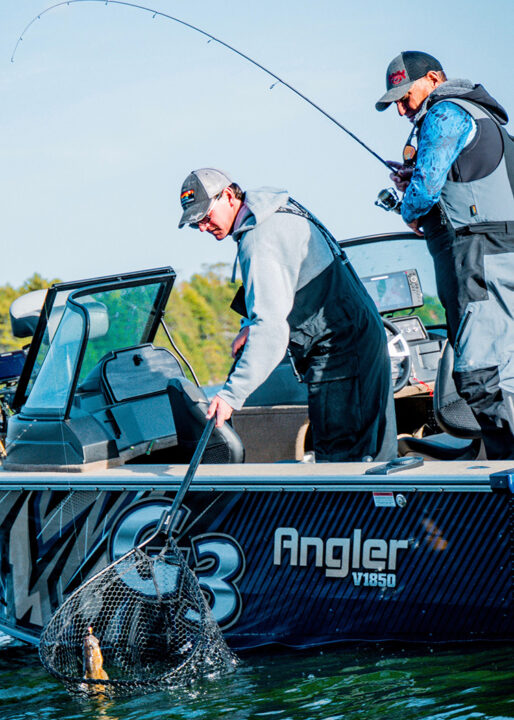
Understand the basics of casting and aim
Good accuracy starts with the basics. Focus on stance, grip, and a smooth casting motion. A steady release point and consistent follow-through make landing on a small target possible.
Key fundamentals to master
- Stance: Feet shoulder-width, lead foot slightly forward. This gives balance and a clear line to your target.
- Grip: Hold the rod lightly but firmly. Avoid squeezing; tension ruins accuracy.
- Release point: Practice a single, repeatable release. A split-second change moves your bait far off target.
- Follow-through: Let your rod tip point at the target after releasing. This locks in direction.
Simple drills to lock fundamentals
- Water bottle drill: Place a bottle 20–30 feet away and aim to land the lure within a foot of it. Repeat until consistent.
- Target rings: Use hoops or targets on shore. Cast through the center to train precision.
- Blank casts: Do 50 no-lure casts focusing just on release and rhythm.
Why these matter
Small errors add up. A tiny change in wrist angle or release time shifts your bait by several feet at distance. Mastering basics makes corrections easy and fast.

Choose gear that improves accuracy
The right gear reduces the effort behind each cast. Matching rod, reel, line, and lure to your target distance and style makes accuracy much easier.
Gear tips that help accuracy
- Rod choice: A medium-fast action rod gives control and good feel. Shorter rods help tight spots; longer rods help distance.
- Reel selection: Smooth drag and consistent spool tension reduce backlash and allow precise line control.
- Line and leader: Thin, low-stretch lines transmit feel. Fluorocarbon leaders sink and offer subtle presentation for close, accurate placements.
- Lures: Use balanced lures for stable flight. Too heavy or too light lures swing unpredictably.
Real-life example
I switched from a 7-foot heavy rod to a 6-foot 6-inch medium-fast rod for small-pond bass work. My accuracy improved noticeably because the rod matched lure weight and gave better feedback.
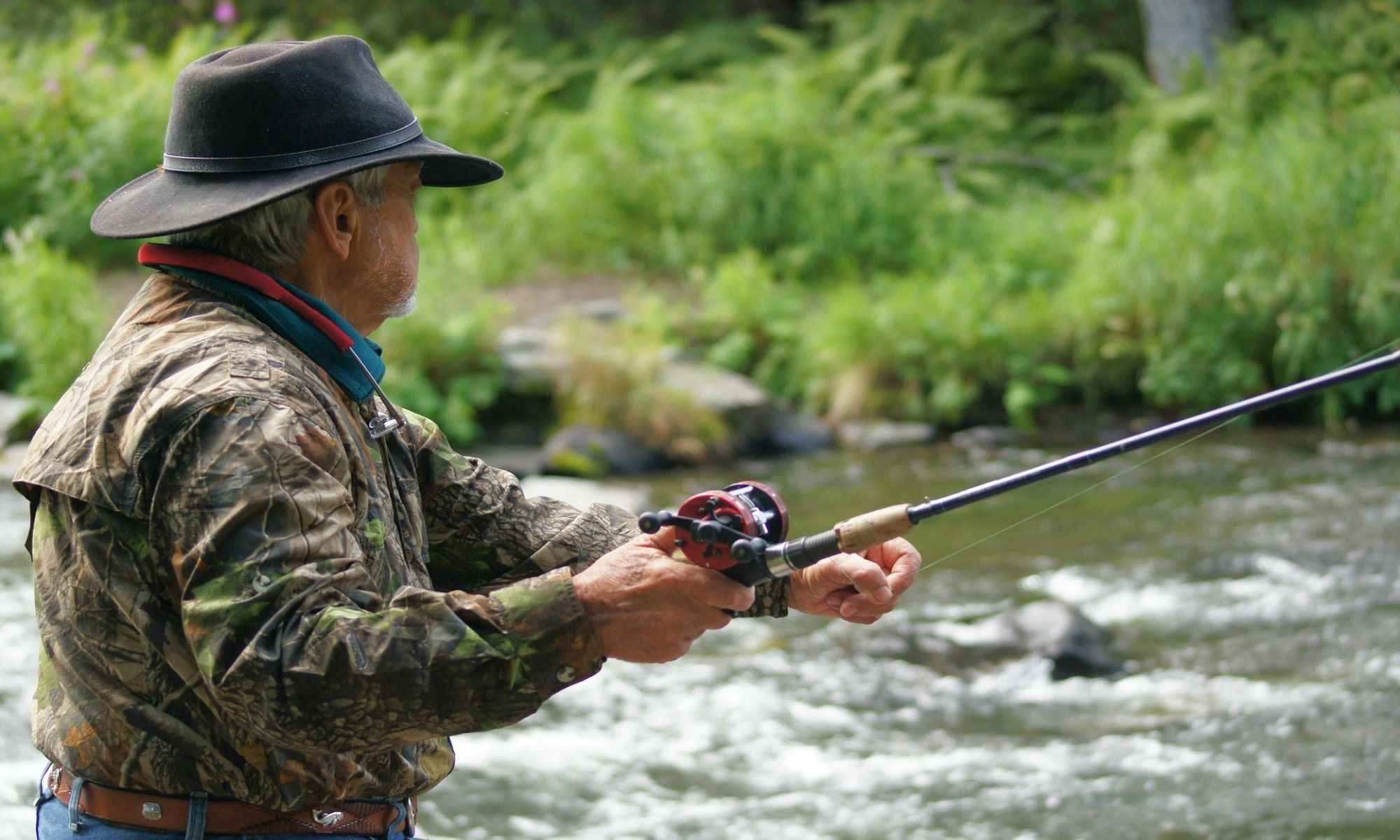
Technique drills and practice routines
Practicing deliberately beats random casting. Use short, focused sessions with clear goals. Track progress so practice stays productive.
Daily practice routine (20–30 minutes)
- Warm-up: 5 minutes of smooth blank casts to loosen muscles.
- Precision work: 10–15 minutes of target casts at varied distances.
- Pressure practice: 5–10 minutes where you score hits under mild stress (timer or small reward).
Drills to build muscle memory
- Progressive distance: Start close. Move back one step after five accurate casts. This builds control at range.
- Wind drills: Cast into and across light wind. Learn to aim off-target to compensate for drift.
- Soft drop drill: Practice controlled, quiet landings for stealthy presentations.
How to track improvement
Keep a short log. Note distance, wind, accuracy score (hits/attempts). Even small gains add up fast.

Read water, choose targets, and adjust for conditions
Accuracy is not only about the cast. Good target selection and reading water patterns are as important as technique.
How to pick targets
- Look for structure: Logs, rocks, weed edges, and depth breaks are fish hotspots.
- Pick visible aiming points: Use contrast, like a ripple or shadow, as your aiming dot.
- Choose a landing zone: Aim for a 1–2 foot circle. Smaller targets sharpen skill.
Adjusting for wind and current
- Wind into you: Cast slightly below target so the wind lifts the line.
- Wind from behind: Aim a touch high to let wind bring it down.
- Current: Angle your cast upstream in rivers so the bait drifts naturally over the target.
Personal tip
Once during a windy morning, I aimed three feet left of a visible rock and let the wind carry my bait exactly onto a ledge. A big fish took the bait five seconds later. Learn to use the elements.

The mental game: focus, routine, and calm
Accuracy is partly a head game. Calm focus and a simple routine beat panic and rushed casts.
Simple mental habits
- Breath before cast: One deep breath steadies your hands and mind.
- Short routine: A three-step pre-cast routine reduces flinch and variance.
- Visualize the cast: Picture the bait landing in the target before you release.
Handling pressure
Practice "pressure casts" where a miss costs a small task. This simulates real pressure and makes tournament or guided-trip situations easier.
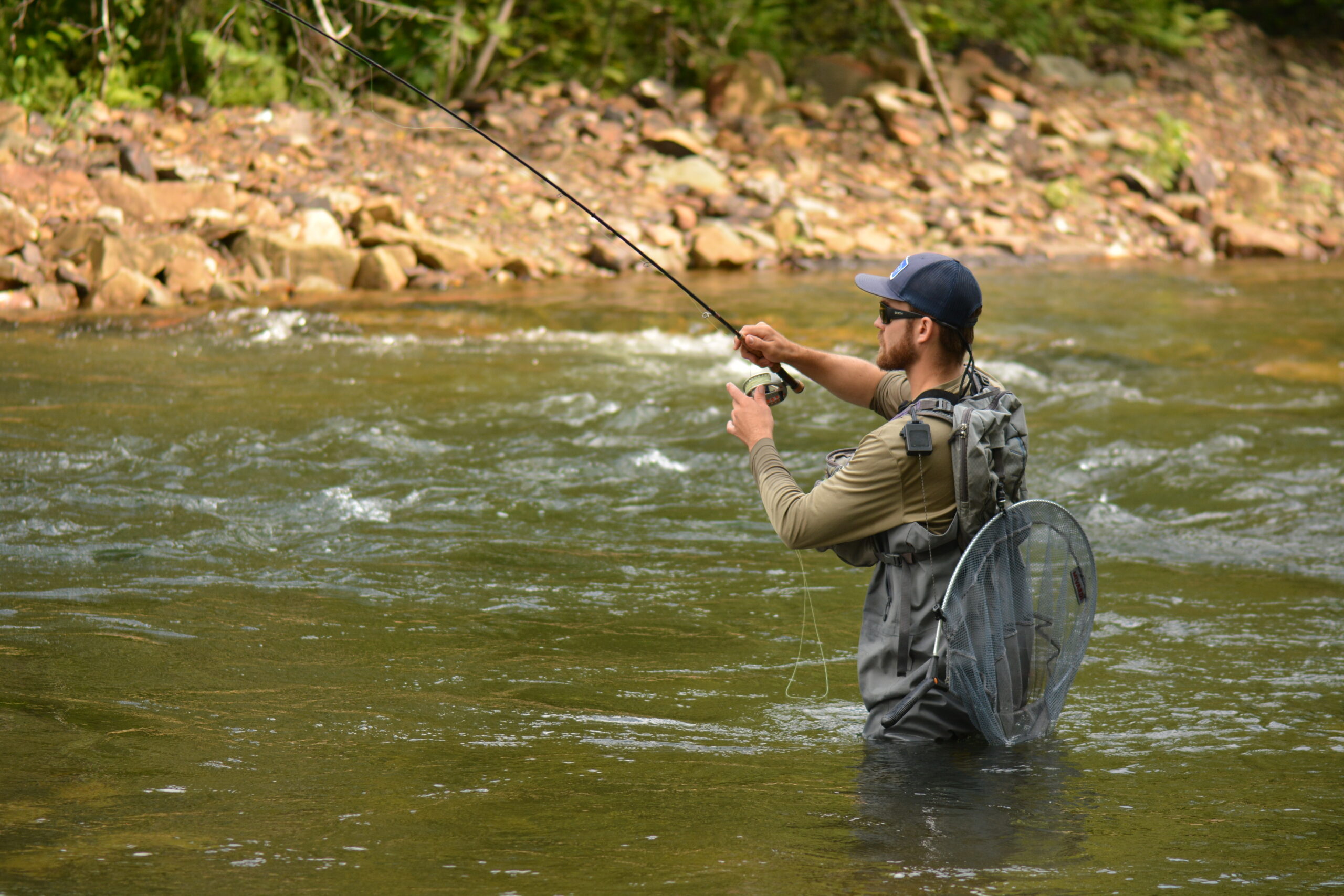
Common mistakes and how to fix them
Most anglers repeat the same errors. Fixing a few common issues produces quick gains in how to improve fishing accuracy.
Frequent errors and fixes
- Over-gripping: Loosen your grip to restore feel and improve release.
- Rushing the cast: Slow down your motion and keep the same tempo on each cast.
- Changing release point: Mark a consistent release cue, such as when your rod tip passes your ear.
- Ignoring wind: Take a moment to assess wind direction and adjust your aim.
Quick checklist before each cast
- Stance set
- Grip light
- Visual target chosen
- Breath and routine
- Release with follow-through
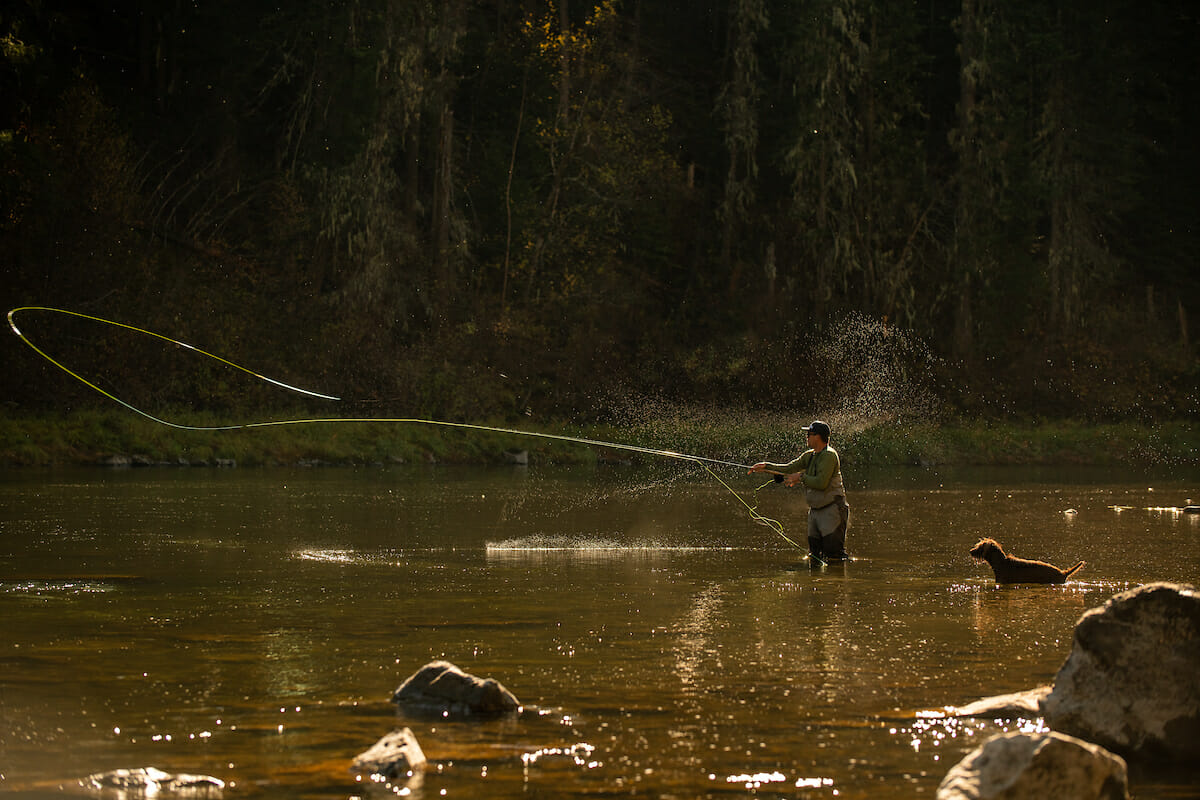
Quick questions anglers ask (PAA-style)
How far should I practice for accuracy?
Practice at the distances you fish most. Start close, then add realistic range work to match your spots.
Can you improve accuracy without gear changes?
Yes. Technique, repetition, and mental routines often yield the biggest gains before gear upgrades.
How long to see improvement?
With focused practice, expect noticeable gains in 2–4 weeks. Daily short sessions help the most.

Frequently Asked Questions of how to improve fishing accuracy
How often should I practice casting to improve accuracy?
Short, daily practice sessions of 15–30 minutes are ideal. Consistent repetition builds muscle memory faster than long, infrequent sessions.
What is the best way to aim at a small target?
Pick a clear visual cue and point the rod tip at it during follow-through. Visualizing the landing spot just before release helps align the cast.
Does tackle weight affect my accuracy?
Yes. Mismatched tackle makes casts unstable. Use rod and line ratings that match your lure weights for steady flight.
How do I adjust for crosswinds?
Aim slightly off the target into the wind or let the wind carry the lure to the target. Practice in different wind conditions to learn offsets.
Can beginners learn accuracy quickly?
Yes. Beginners who focus on stance, release, and simple drills can see progress in a few practice sessions. Start small and build up.
Conclusion
Improving fishing accuracy is a mix of clear basics, the right gear, focused practice, and calm focus. Work on stance, release, and follow-through. Use simple drills, log progress, and learn to read wind and water. Over weeks of steady practice you will place lures where fish live and catch more often. Try one drill today, keep a small log, and join the conversation below to share your wins or questions.