A flasher for ice fishing is a real-time sonar display that shows fish, structure, and depth.
I’ve spent years testing ice gear and teaching anglers how to read sonar. This article explains what is a flasher for ice fishing, how it works, why it helps, and how to use one to catch more fish. Read on and you’ll know how to pick, set up, and read a flasher for ice fishing like a pro.
What is a flasher for ice fishing?
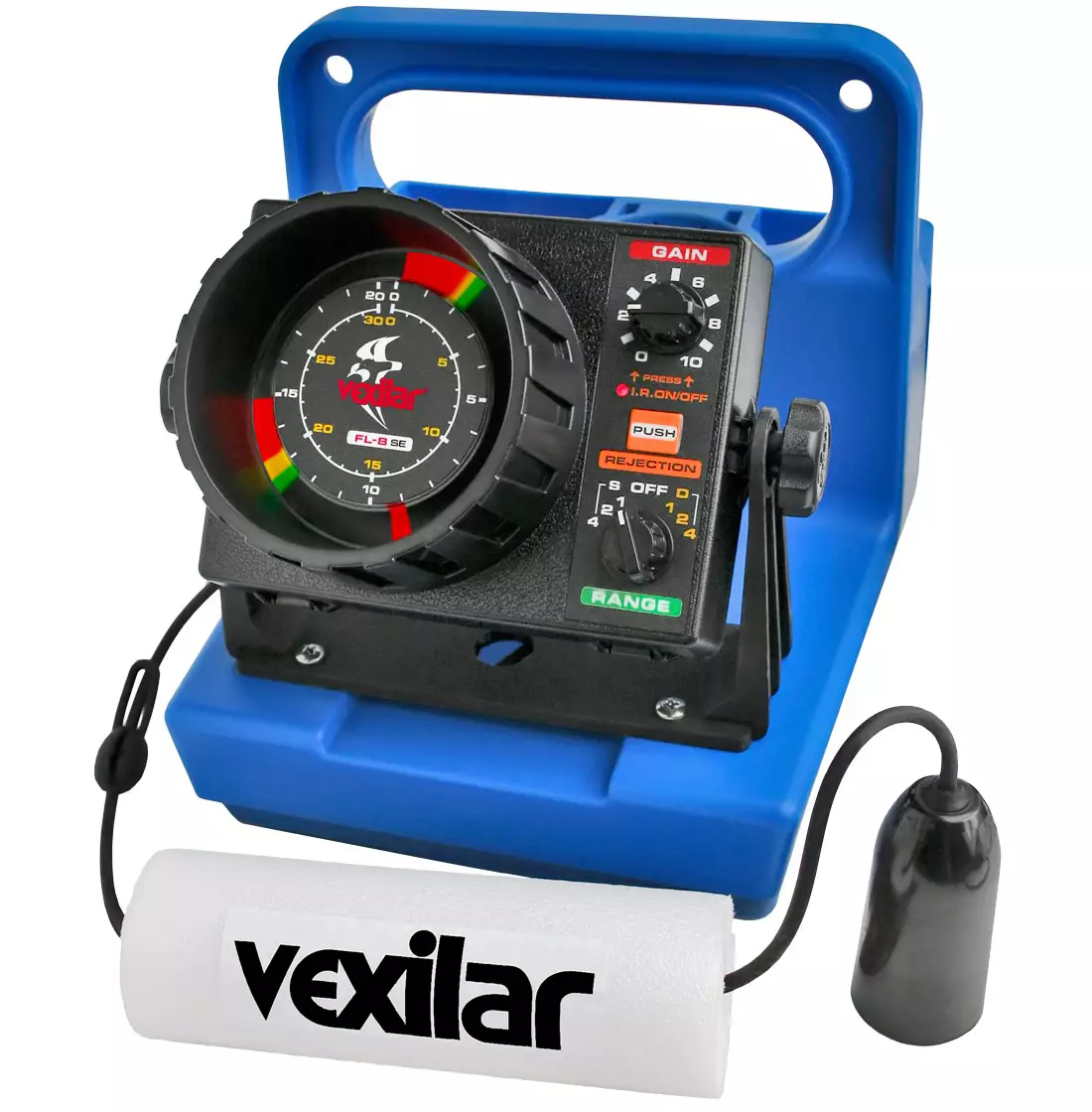
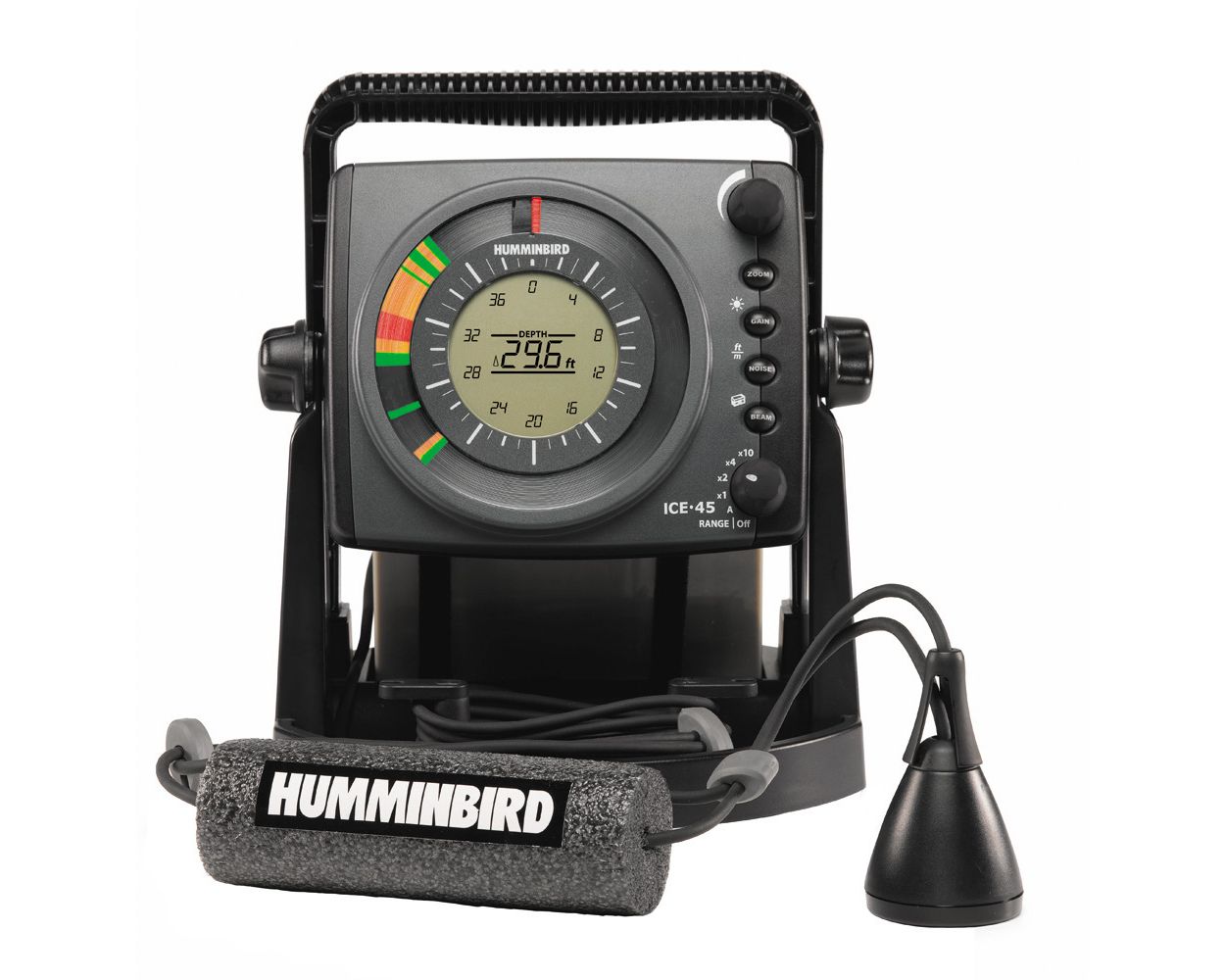
A flasher for ice fishing is a specialized sonar screen. It shows depth, bottom contour, bait, and fish in real time. The display uses a circular or vertical sweep to present echoes as colored bands or lines. Anglers use a flasher to watch how fish and bait move under the hole. Knowing what is a flasher for ice fishing helps you target fish quickly and adjust bait or jig action. Flashers give immediate feedback. That speed makes them very useful on ice when fish are short-biting or spooky.
How a flasher works
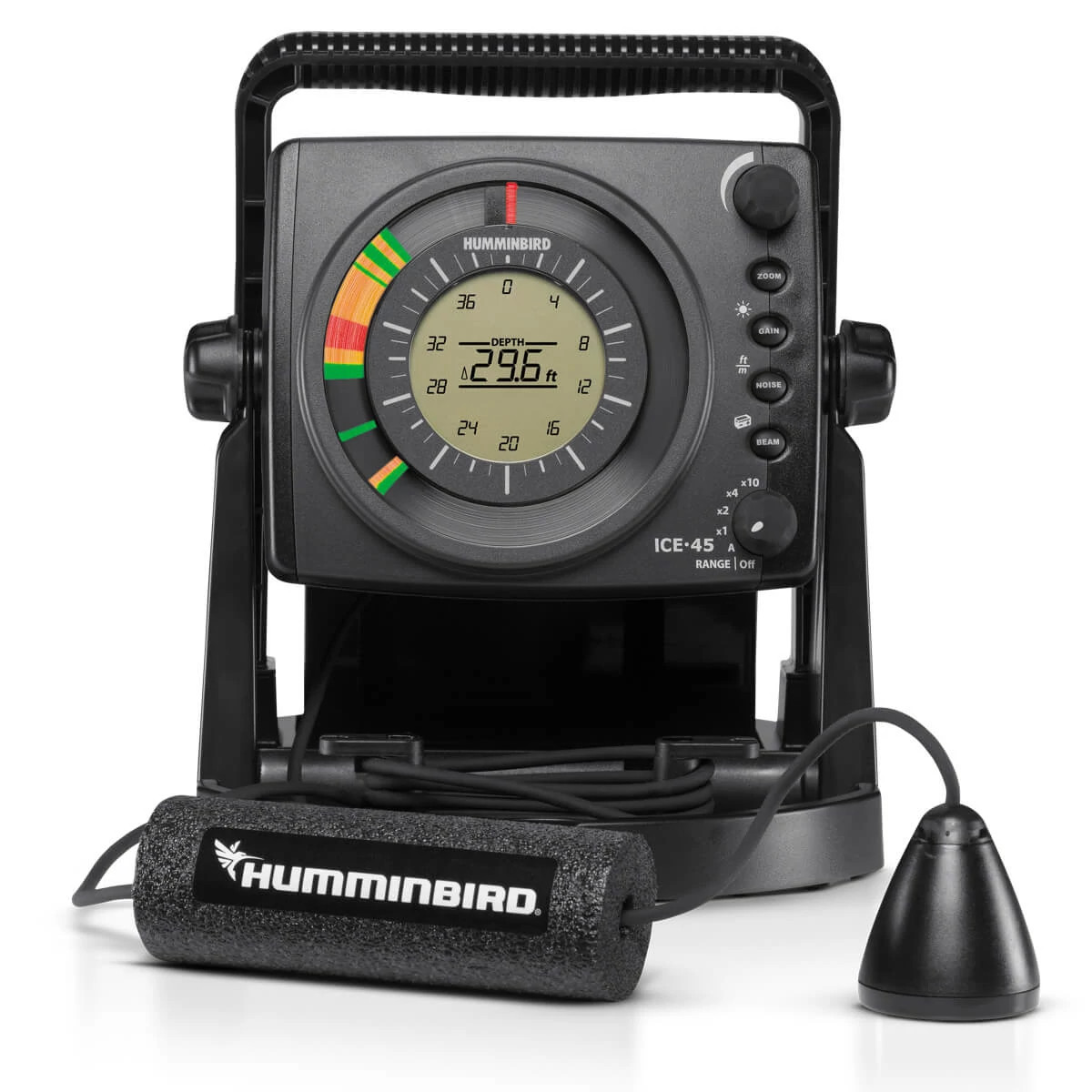
A flasher for ice fishing sends sound pulses down through the water. The transducer returns echoes from the bottom, fish, and bait. The unit converts echo strength into colors or intensity on the display. Strong returns show as bright marks. Weak returns show as faint marks. The sweep repeats many times per second. That creates a live, moving picture of what is under your hole.
People also ask
How fast does a flasher update?
A flasher updates many times per second. That fast refresh makes motion easy to spot.
Can a flasher show multiple fish at once?
Yes. A flasher displays multiple echoes. You can see stacked fish, single fish, and bait schools.
Is flasher sonar better than traditional fish finders on ice?
Flashers are built for live, vertical viewing. Traditional fish finders use scrolling screens and map modes. For watching jig action, a flasher is often better.
Types of flashers and features
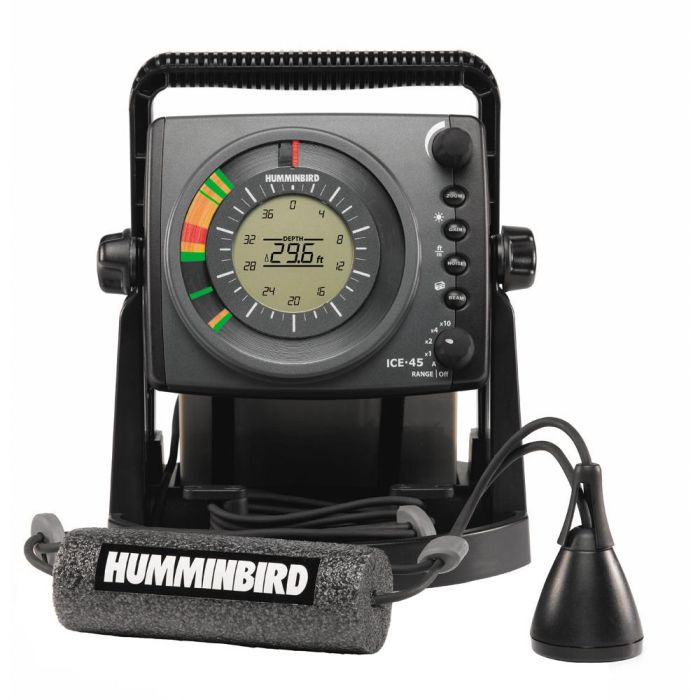
There are several types of flashers to match styles and budgets. Choose based on how you fish.
- Analog circular flashers
- Offer classic, quick-read displays with a bright sweep. They are simple and fast.
- Digital or LCD flashers
- Provide color, zoom, depth markers, and more settings. They are easier to interpret for beginners.
- Portable and combo units
- Combine flasher mode with mapping or GPS. They are great if you move between open-water and ice.
- Frequency and beam options
- Low frequency gives wider coverage and deeper reach. High frequency gives finer detail in shallower water.
When deciding which model to buy, consider screen size, battery life, and transducer shape. Knowing what is a flasher for ice fishing helps you pick features that match your tactics.
Why use a flasher for ice fishing
A flasher for ice fishing speeds decision-making on the hole. It provides live feedback for jigging and detects small changes in fish behavior. Benefits include:
- Instant bite detection so you react faster.
- Better depth control by seeing where fish sit relative to your bait.
- Ability to detect suspended fish and differentiate them from bait.
- Easier targeting of structure like weed edges or ledges.
- Less time guessing and more time fishing.
I’ve used a flasher to locate suspended panfish that I would have missed with line-tension feel alone. It saved me hours and increased my catch rate.

How to read a flasher effectively
Learning to read a flasher takes practice. Follow these simple tips.
- Recognize the bottom
- The bottom shows as the brightest, most consistent band near the outer edge of the sweep.
- Spot fish
- Fish appear as brief, bright marks between the surface and bottom. Suspended fish often hover as small dots or bars.
- Watch bait and movement
- Small, fast flickers near the top are often baitfish. Larger, slower returns are individual fish.
- Use zoom and sensitivity
- Zoom the area you’re fishing and lower sensitivity to reduce noise. Increase sensitivity to find faint targets.
- Interpret color and intensity
- Strong returns mean hard or dense targets. Weak returns mean soft targets or small fish.
Spend time watching the screen while moving your jig slowly. Try different jig motions and note how fish react on the flasher for ice fishing. That feedback trains your eyes and hands.
Setup, placement, and transducer tips
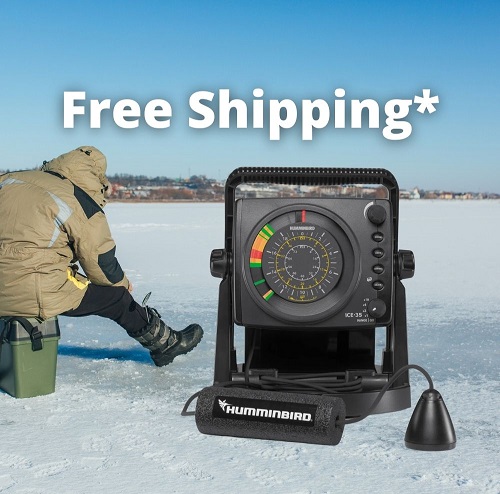
Proper setup matters more than the unit brand. A good setup makes what is a flasher for ice fishing show clean, usable info.
- Hole size and location
- Drill a hole large enough for the transducer to sit freely. Keep it clean of slush and ice chips.
- Transducer placement
- Keep the transducer level in the water. Avoid touching the sides of the hole.
- Cable management
- Secure cables to prevent tugging. Cold pulls or jerks change the view.
- Depth range and frequency
- Set the depth a bit deeper than needed to catch rising fish. Use higher frequency for shallow water and lower frequency for deeper water.
- Mounting and mobility
- Use a bracket or a simple hand-held setup. Mobility helps when you want to probe different spots.
Test your setup in shallow water first. Adjust settings until fish and bottom are clear and stable on the screen.

Common mistakes and troubleshooting
New users often misread or misconfigure flashers. Watch for these issues.
- Too much sensitivity
- This creates clutter and false positives. Lower sensitivity until the bottom is clear.
- Wrong depth range
- If the range is too deep, fish marks get compressed and hard to see. Set an appropriate depth window.
- Transducer contact with ice
- Contact causes chatter and false returns. Keep the transducer free.
- Expecting perfect images
- A flasher shows echoes, not photos. Learn how echoes translate to fish shape and motion.
- Ignoring battery and brightness
- Dim screens and low batteries can hide faint marks. Keep power and brightness in check.
When the flasher seems noisy, simplify settings. Reduce sensitivity, narrow the depth, and watch again.
Personal experience and lessons learned
I’ve used flashers on dozens of trips across lakes and rivers. Here are a few things I learned.
- Patience pays off
- Early on I chased every mark. Now I wait to confirm movement and size. That cut empty strikes in half.
- Use small baits when fish show faint returns
- Small targets often mean small fish or finicky bites. Downsizing saved many trips.
- Mark structure and return later
- I mark productive holes and revisit them at different times. Fish patterns shift. The flasher helps me find repeatable spots.
- Practice makes reading quick
- Spend one session just watching the screen without pulling lures. It trains your eye faster than fishing alone.
These lessons come from trials. Your first few outings will teach you fast. Expect to tweak settings and tactics as you fish different waters.
Frequently Asked Questions of what is a flasher for ice fishing
What is the main difference between a flasher and a fish finder?
A flasher provides a live, vertical sweep designed for watching jig action. A fish finder uses a scrolling screen and mapping features, which are better for navigation and mapping.
Can I use a flasher through the ice with a sonar transducer?
Yes. Use an ice-rated transducer and keep it clear of ice and slush. Proper placement in the hole is key for clean returns.
Does a flasher work in deep water?
Flashers can work in deep water, but resolution drops with depth. Choose lower frequency transducers for deeper lakes to improve reach.
How do I know if a mark is a fish or debris?
Watch for movement and shape. Fish marks often move or appear at consistent depths, while debris drifts and shows irregular returns.
Are flashers easy for beginners to learn?
Yes. Many anglers learn quickly because flashers give immediate feedback. Start with simple settings and practice watching jig responses.
Conclusion
A flasher for ice fishing is a powerful tool that shows live sonar returns for bottom, bait, and fish. It speeds decisions and improves jigging accuracy. Start with a basic unit, practice reading the screen, and adjust sensitivity and depth to match conditions. Try one on your next trip and watch how quickly your hookup rate improves. Share your experiences, subscribe for more gear tips, or leave a comment about your favorite flasher setup.