Learning how to use cut bait for fishing starts with understanding how predator fish hunt. Many large fish follow scent trails in the water, and cut bait creates a strong natural smell that can bring them closer.
Over the years, anglers across the United States have used cut bait for species like catfish, striped bass, redfish, and other game fish. The method is simple, but small details like bait freshness and hook placement make a big difference.

What Is Cut Bait and Why Does It Work?
Cut bait is a fishing bait made from pieces of fish. Anglers cut fresh or frozen fish into sections and place those pieces on a hook. The natural oils and scent spread through the water and attract fish that feed by smell.
When learning how to use cut bait for fishing, it helps to know that different fish respond to different bait types. Catfish often prefer oily fish, while saltwater predators may react well to mullet, menhaden, or other local baitfish.

- ✦ Natural scent
Cut bait releases fish oils and smells that help predators locate food.
- ✦ Easy preparation
Anglers can prepare cut bait with simple tools like a knife and cutting board.
Common Fish Species Caught With Cut Bait
Many American anglers use cut bait for catfish, striped bass, bluefish, redfish, and other predatory fish. The key is matching the bait to the fish living in your area.
- ✦ Catfish
Fresh chunks of shad, skipjack, or other oily fish are popular choices.
- ✦ Saltwater predators
Mullet and similar baitfish work well for many coastal species.
How to Choose the Best Cut Bait for Fishing
Choosing the right bait is one of the most important parts of how to use cut bait for fishing. Fresh bait usually creates a stronger scent trail and looks more natural in the water.
Local baitfish are often a smart choice because predator fish already recognize them as food. Always follow local fishing laws about collecting and using baitfish.

- ✦ Fresh fish
Fresh bait usually has stronger oils and a better texture.
- ✦ Oily species
Fish with more natural oils often create stronger scent trails.
- ✦ Match local prey
Use bait that predator fish commonly eat in your fishing area.
How to Prepare and Cut Bait Correctly
Preparing cut bait correctly helps keep it on the hook and improves scent release. Use a sharp knife and create pieces that match the size of your target fish.
A common mistake when learning how to use cut bait for fishing is making pieces that are too large. Big chunks may attract large predators, but smaller pieces can work better when fish are cautious.

- ✦ Remove unnecessary parts
Clean the bait and remove damaged areas before cutting.
- ✦ Create hook-friendly pieces
Make pieces that stay secure during casting and current movement.
Popular Cutting Styles
Common styles include steaks, chunks, strips, and fillets. Each style creates a different scent pattern and presentation.
- ✦ Chunks
Good for bottom fishing and larger predators.
- ✦ Strips
Useful when fish prefer a moving or natural presentation.
How to Rig Cut Bait on a Fishing Hook
The right rig helps present cut bait naturally. Many anglers use circle hooks, J hooks, or bottom rigs depending on the species they target.
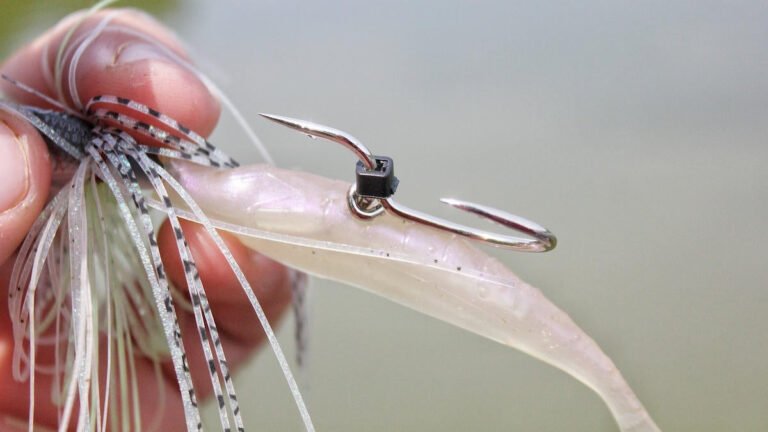
When applying how to use cut bait for fishing techniques, make sure the hook point remains exposed. A hidden hook may reduce successful hooksets.

- ✦ Circle hooks
Often used for larger fish because they can hook fish in the corner of the mouth.
- ✦ Bottom rigs
Useful when targeting fish that feed near the lake or ocean floor.
Best Places and Conditions for Using Cut Bait
Cut bait works best in areas where predator fish naturally search for food. Look for deep holes, current breaks, channels, docks, and structures that hold fish.
Weather and water conditions also matter. Low-light periods like early morning and evening often provide good opportunities because many predators become more active.

- ✦ Rivers
Current areas can carry scent and attract feeding fish.
- ✦ Lakes
Deep areas and structure can hold larger predators.
- ✦ Coastal water
Surf zones and channels can be productive for saltwater species.
Common Cut Bait Fishing Mistakes to Avoid
Many beginners focus only on bait choice and ignore presentation. Even the best cut bait will fail if it is placed away from feeding areas or rigged incorrectly.
Understanding how to use cut bait for fishing means improving each part of the process, from bait preparation to hook placement.
- ✦ Using old bait
Old bait may lose scent quality and become less attractive.
- ✦ Wrong bait size
Match bait size with the fish you want to catch.
- ✦ Poor hook placement
Secure the bait while keeping the hook point ready.
Frequently Asked Questions about how to use cut bait for fishing

fishingscouty
Contributor