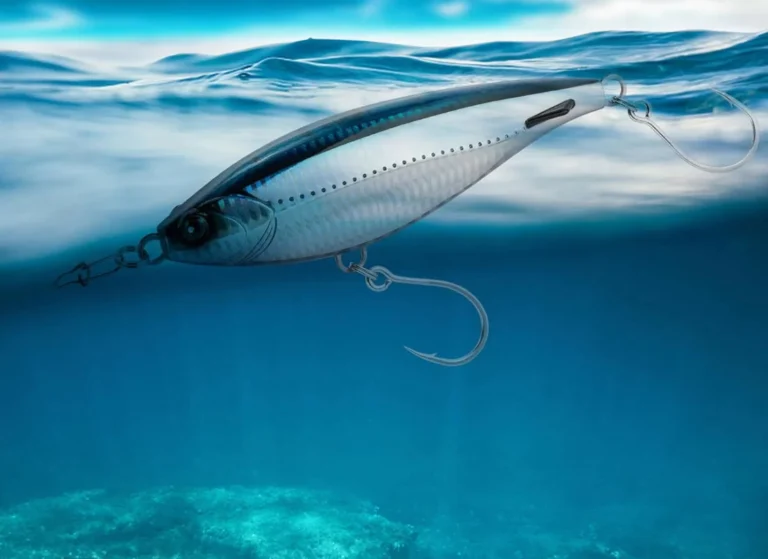
Bobber gives float control and visibility; sinker adds weight to reach depth and hold bait steady.
I’ve spent years on lakes and rivers testing gear. This guide on bobber vs sinker pools that hands-on experience with clear, research-backed advice. You will learn when to float, when to sink, how rigs differ, and how to pick the right option for your fish, water, and style. Read on for simple rules, real tips, and quick setups that work in the field.

Bobber vs sinker: What they are and how they work
A bobber is a small float attached to a line. It keeps bait at a set depth and signals bites by moving or dipping. Bobbers work best for near-surface or mid-water feeds.
A sinker is weight added to a line. It makes bait drop and stay near the bottom or a chosen depth. Sinkers help fight currents and present bait steadily to bottom-feeding fish.
Why the bobber vs sinker decision matters:
- Bobber lets you watch the bite and fish a set depth.
- Sinker gets bait to the bottom or through current.
- The choice changes your hook set speed, bait action, and tackle needs.

Source: wordpress.com
Bobber vs sinker: When to use each (practical scenarios)
Use a bobber when:
- Fish feed off the bottom or mid-water, like panfish or trout.
- You want visual bite detection from a distance.
- You fish with light bait or bait that needs time to attract fish.
Use a sinker when:
- Fish feed on or near the bottom, like bass, catfish, or walleye.
- You fish in current or deep water and need bait to stay put.
- You use heavy baits or want a fast drop to the strike zone.
Situations that call for bobber vs sinker trade-offs:
- Shallow, calm water favors the bobber. It keeps bait visible and lively.
- Deep or moving water favors the sinker. It reaches the right depth and resists drift.

Source: streetphotographersfoundation.com
Types and rigs for bobber vs sinker setups
Bobber types:
- Round plastic bobbers. Easy to clip on and great for beginners.
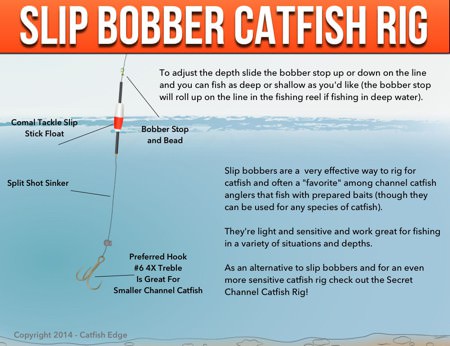
- Slip bobbers. Slide on the line and let you set deep depths easily.
- Pencil or cigar floats. Sensitive and tidy for gentle bites.
Sinker types:
- Split shot. Small, versatile, and easy to add or remove.
- Egg sinkers. Slide on the line for center-weighted balance in current.
- Bank sinkers or bell sinkers. Good for shore fishing and heavy currents.
Common rigs:
- Bobber rig. Bobber, hook, and split shot below the hook. Best for panfish.
- Carolina rig. Slip sinker, bead, swivel, leader, hook. Ideal for bass on deeper flats.
- Drop shot. No heavy weight on the hook; sinker below hook for suspended fish. Great when fish are off the bottom.
Practical tip: Match the sinker weight to the depth and current so the bait moves naturally. Too heavy sinker kills bait action. Too light sinker means drift.

How to choose between bobber vs sinker: step-by-step
Step 1: Identify target fish and feeding level.
- Look for where fish hold or feed. Surface bubbles mean higher in the water. Mud trails mean bottom feeders.
Step 2: Check water depth and current. - Calm and shallow water often takes a bobber. Deeper or fast water needs sinkers.
Step 3: Match bait action and presentation. - Use a bobber for delicate baits that must float. Use sinkers for lures and heavy baits that need to sit or drift.
Step 4: Tune weight and depth. - Start light and add small sinkers until the bait performs well. Set the bobber depth to just above the strike zone.
Personal note: I once fished a clear lake and lost half the day with a heavy sinker. Switching to a slip bobber put the bait in the strike zone and sparked steady bites. The right choice can change the day fast.
Common mistakes, troubleshooting, and pro tips for bobber vs sinker
Common mistakes:
- Using too much weight with a bobber. This sinks the float and hides bites.
- Using too little weight in current. The bait drifts away from strike zones.
- Wrong bobber depth. Too shallow and fish ignore the bait; too deep and you miss bites.
Troubleshooting quick fixes:
- If the bobber jerks but no hookset, reduce split shot and check knot strength.
- If the sinker drags bait unnaturally, switch to a lighter sinker or different rig.
Pro tips:
- Keep knots tight and check line for abrasion. A snagged knot will cost fish.
- Use a slip bobber when depth changes or if fish suspend.
- Carry a variety of sinker sizes. Small changes in weight make big action differences.
Personal lesson: Early in my fishing, I thought heavier was always better. I wasted time until I learned to tune sinker weight precisely. Now I carry a small box of split shot and egg sinkers and change them often.

Quick questions anglers ask (PAA-style)
Q: Which catches more fish, bobber vs sinker?
A: Neither is always better. The right choice depends on species, depth, and conditions. Use bobber for top or mid-water feeders and sinker for bottom or strong current.
Q: Can I use both bobber and sinker together?
A: Yes. A bobber with small sinkers below it is common. It holds bait to depth and adds casting weight.
Q: How much sinker weight should I use?
A: Start with the lightest weight that holds bait steady. Add weight gradually until the bait reads natural in the water.

Frequently Asked Questions of bobber vs sinker
What is the main difference between a bobber and a sinker?
A bobber floats and sets bait at a chosen depth. A sinker adds weight to get bait down and resist current.
When should I use a slip bobber instead of a fixed bobber?
Use a slip bobber when fish are deep or the depth varies. It lets your bait reach the exact depth without changing the rig.
Will a sinker scare fish away?
Heavy or noisy sinkers can reduce bait action. Small and streamlined sinkers usually do not spook fish and let bait behave naturally.
How do I rig a basic bobber setup?
Attach the bobber, tie on a hook, and place a small split shot 6–12 inches above the hook. Adjust depth based on where fish feed.
Can I fish for panfish with a sinker?
Yes, but panfish often respond better to a light bobber setup. Use tiny sinkers if you need to cast farther or hold position.
Are there fish that require a sinker every time?
Bottom feeders like catfish and many bass situations often require sinkers to keep the bait at the correct depth and resist drift.
How do currents affect the bobber vs sinker choice?
Fast currents favor sinkers to keep bait in place. Slow currents or still water can use bobbers to keep bait visible and lively.
What knots are best for bobber vs sinker rigs?
Use improved clinch knots or palomar knots for hooks and standard clinch knots for sinkers and swivels. Strong knots reduce lost fish.
Do sinkers affect hookset sensitivity?
Yes. More weight can dull bite feel and require faster hooksets. Lighter sinkers or different rigs can improve sensitivity.
Can beginners start with a bobber or sinker setup?
Beginners often find bobbers easier because they show bites clearly. Learning sinker rigs second helps handle deeper water and currents.
Conclusion
Bobber vs sinker is not a one-size answer. Choose the bobber when you need depth control, visibility, and gentle presentation. Choose the sinker when you must reach depth, fight current, or present bait on the bottom. Test small changes in weight and depth. Trust what you see on the water and adjust. Try both methods on your next trip, note what works, and refine your rigs. Share your best tip or a question below, subscribe for more gear guides, or try a new setup on your next outing.