A light to medium, 6–7 foot spinning or fly rod with fast action works best for most trout fishing.
I’ve spent years fishing small streams and big rivers for trout. I know how much the right tool matters. This guide will show you what type of rod for trout fishing suits different water, bait, and skill levels. You’ll learn gear choices, practical tips, and mistakes to avoid so you can pick the rod that helps you catch more trout and enjoy the day.
Why rod choice matters for trout
Choosing the right rod affects casting, feel, and how you fight fish. Trout are often small and wary. A rod that is too stiff or heavy can scare trout or make long days tiring. Picking what type of rod for trout fishing helps you match the rod to the water, lure, and technique.
A good rod gives feel. It helps you detect light bites. It also helps you place flies and lures where trout feed. When you pick the correct rod, you will hook more fish and land more of them.
Main rod types for trout fishing
Below are the common rod types for trout anglers. I list strengths and best uses for each so you can pick what type of rod for trout fishing that fits your style.
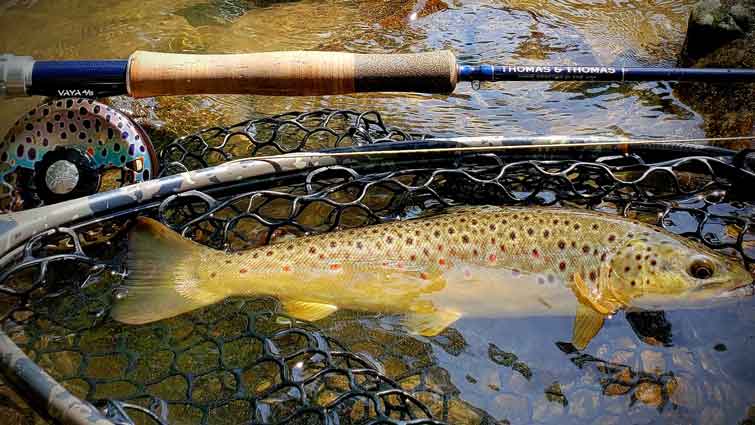
- Fly rods — Best for dry flies, nymphs, and streamers. Use 2 to 6 weight rods for small to medium trout in streams and lakes. Fly rods give precise presentation and delicate control.
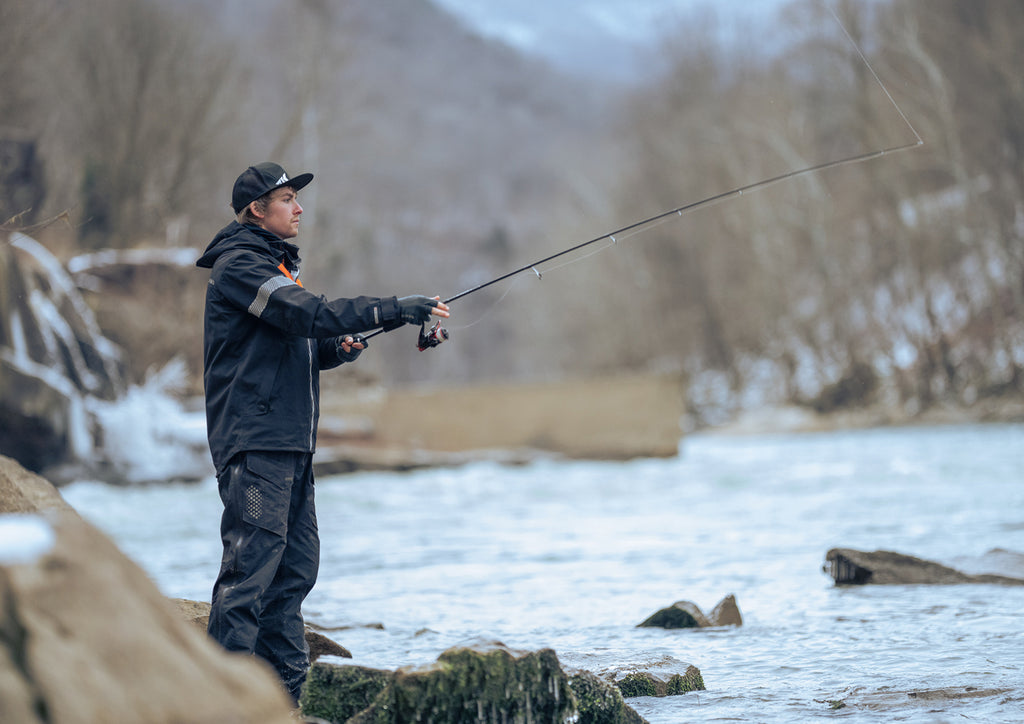
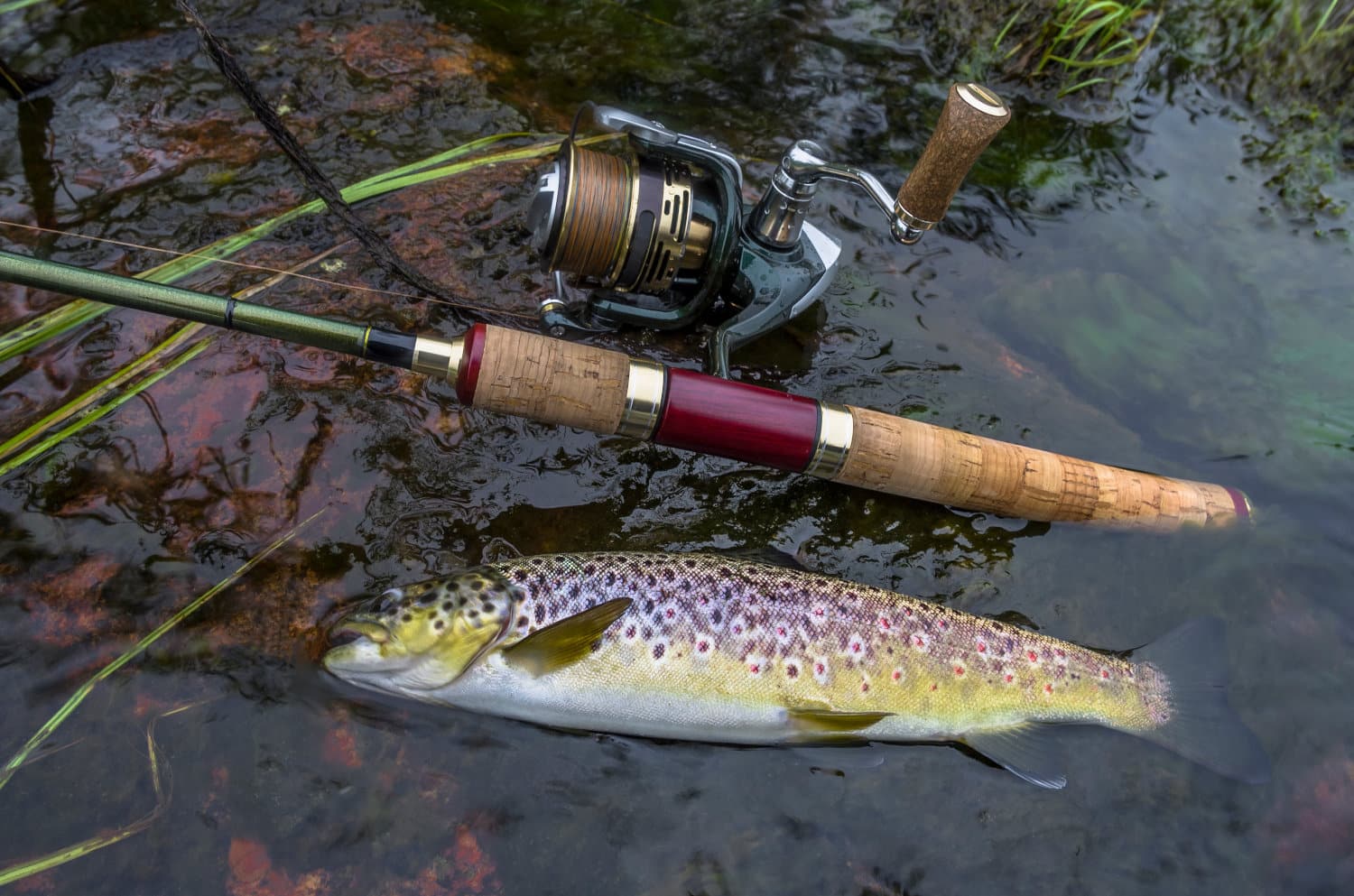
- Spinning rods — Versatile and easy to use. A 6 to 7 foot light or medium-light spinning rod is ideal for many anglers. These rods work well with small spinners, spoons, and soft plastics.
- Ultralight spinning rods — Great for small streams and picky trout. They use light lines and small lures. These rods make trout fights fun and sporting.
- Baitcasting rods — Less common for trout but useful for heavy cover or when using big lures. Choose a light-power baitcasting rod for bigger trout in lakes.
- Telescopic rods — Convenient for travel and urban fishing. They lack the sensitivity and action of fixed rods but work in a pinch.
If you ask what type of rod for trout fishing in a stream, choose a fly or short spinning rod. For a lake, a 7 foot light spinning or a 5–6 weight fly rod often works best. The right choice depends on water, bait, and your skill.

PAA-style questions about rod type
What rod length is best for trout in small streams?
Short rods, 6 feet or less, are best in tight streams. They help with quick casts and precise fly or lure placement.
Do I need a fly rod for trout?
You do not need a fly rod to catch trout, but fly gear helps present dry flies and small nymphs more naturally.
Can I use a bass rod for trout?
You can use a light baitcasting or bass rod in lakes, but it may be too stiff for delicate presentations in streams.
Rod length, power, and action explained
These three specs tell you how a rod casts and fights fish. They matter when deciding what type of rod for trout fishing.
- Length — 6 to 7 feet is a sweet spot for most trout fishing. Shorter rods give control in tight banks. Longer rods help with longer casts and mending line on rivers.
- Power — Light to medium-light power is best. Light power bends more and absorbs small fish runs. Medium-light still handles bigger trout and heavier lures.
- Action — Fast action rods bend near the tip and offer quick hooks and sensitivity. Moderate action rods bend deeper and give more forgiveness for light tippets or lively fish.
Match length, power, and action to your situation. For nymphing or delicate dry-fly work, favor a sensitive, fast-action rod. For fishing with heavier baits or covering water fast, use slightly more power and length.
Rod materials and sensitivity
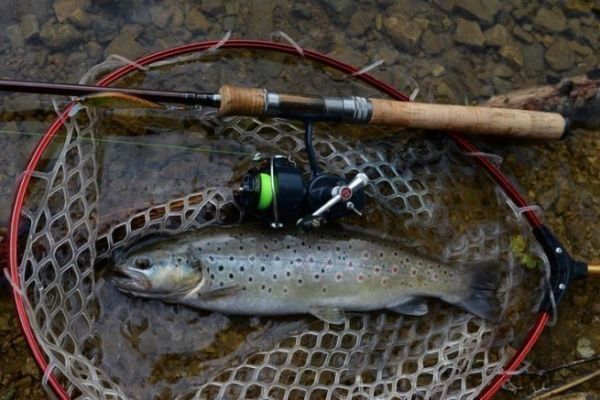
Rods come in graphite, fiberglass, or composites. Material affects feel and weight when you ask what type of rod for trout fishing.
- Graphite — Lightweight and very sensitive. It helps you feel tentative strikes. Graphite is common in spinning and many fly rods.
- Fiberglass — Heavier and more flexible. It gives a smooth fighting curve. Good for vintage-style casting and anglers who like a softer feel.
- Composite — Blends graphite and fiberglass. Offers a balance of sensitivity and forgiveness.
Sensitivity matters for trout. Trout often nibble. A sensitive rod helps you detect subtle takes. I prefer graphite for light-line work and composite when I want a bit more forgiveness.
Matching rod with line, reel, and tackle
A rod is only part of the system. Pairing matters when you consider what type of rod for trout fishing.
- Lines for spinning rods — Use 4–8 lb test monofilament or 4–6 lb braided setups with a light leader. Match line weight to rod power.
- Fly lines — Match rod weight to line weight (a 5-weight rod with a 5-weight line). Use floating lines for dry flies and sink tips for deep water.
- Reels — Use a simple, light reel for spinning rods. On fly rods, choose a reel that balances the rod and holds enough backing for larger fish.
- Leaders and tippets — Use thinner leaders for picky trout in clear water. Stronger leaders are fine in snaggy places or for bigger trout.
If you think about what type of rod for trout fishing without considering line, you miss half the picture. Test setups at home in short casts to feel balance and action before a trip.
How I pick rods: real experience, tips, and mistakes
I learned by fishing many rivers and lakes. I’ll share what worked and the mistakes I made so you can avoid them.
I once brought a heavy 7 foot rod to a small creek. I could not make tight, short casts. The fish spooked, and I caught little. After that, I switched to a 6 foot, light-action rod for similar waters. My catch rate went up.
Tips from the river
- Start with a 6.6 to 7 foot light spinning rod for general trout work.
- Bring a 5 or 6 weight fly rod if you plan to fly fish.
- Test rods by casting small lures or dry flies. Feel the tip and the backbone.
- Avoid very stiff rods for small streams. They hurt delicate presentations.
- Practice gentle casting. Trout see energy in the water. Smooth casts land better.
Common mistakes
- Buying the heaviest rod you can afford thinking it is better. Heavier is not always better for trout.
- Ignoring balance. A heavy reel on a light rod feels awkward and reduces feel.
- Skipping tests. Always try rods in person when possible.
Frequently Asked Questions of what type of rod for trout fishing
What length rod is best for stream trout?
For stream trout, a 6 to 6.6 foot rod is best. It gives control for short casts and tight banks.
Should I use a fly rod or spinning rod for trout?
Use a fly rod for dry fly and nymph work. Use a spinning rod for lures, small baits, and simpler setups.
What power and action should I choose for trout?
Choose light to medium-light power with fast action for sensitivity. This setup handles most trout sizes and gives good hook-setting power.
Can I use ultralight gear for all trout situations?
Ultralight gear is ideal for small trout and clear streams but may struggle with big trout or heavy cover. Carry a stiffer backup when you expect larger fish.
How do I match my reel to a trout rod?
Balance is key. Pick a reel that feels comfortable on the rod and holds enough line or backing. Test the setup by holding it and making a few practice casts.
Wrap-up and next steps
Choosing what type of rod for trout fishing comes down to water, bait, and personal style. Use a light 6–7 foot spinning rod for general use, a 2–6 weight fly rod for fly fishing, and consider ultralight rods for small streams. Match the rod to line, reel, and the trout you expect.
Try one setup at a time. Practice casting and test feel before a trip. Tell us what water you fish in the comments and I’ll suggest a specific rod for your situation. If you found this helpful, subscribe for more gear guides and share your best trout story.